What Is an Editorial Calendar?
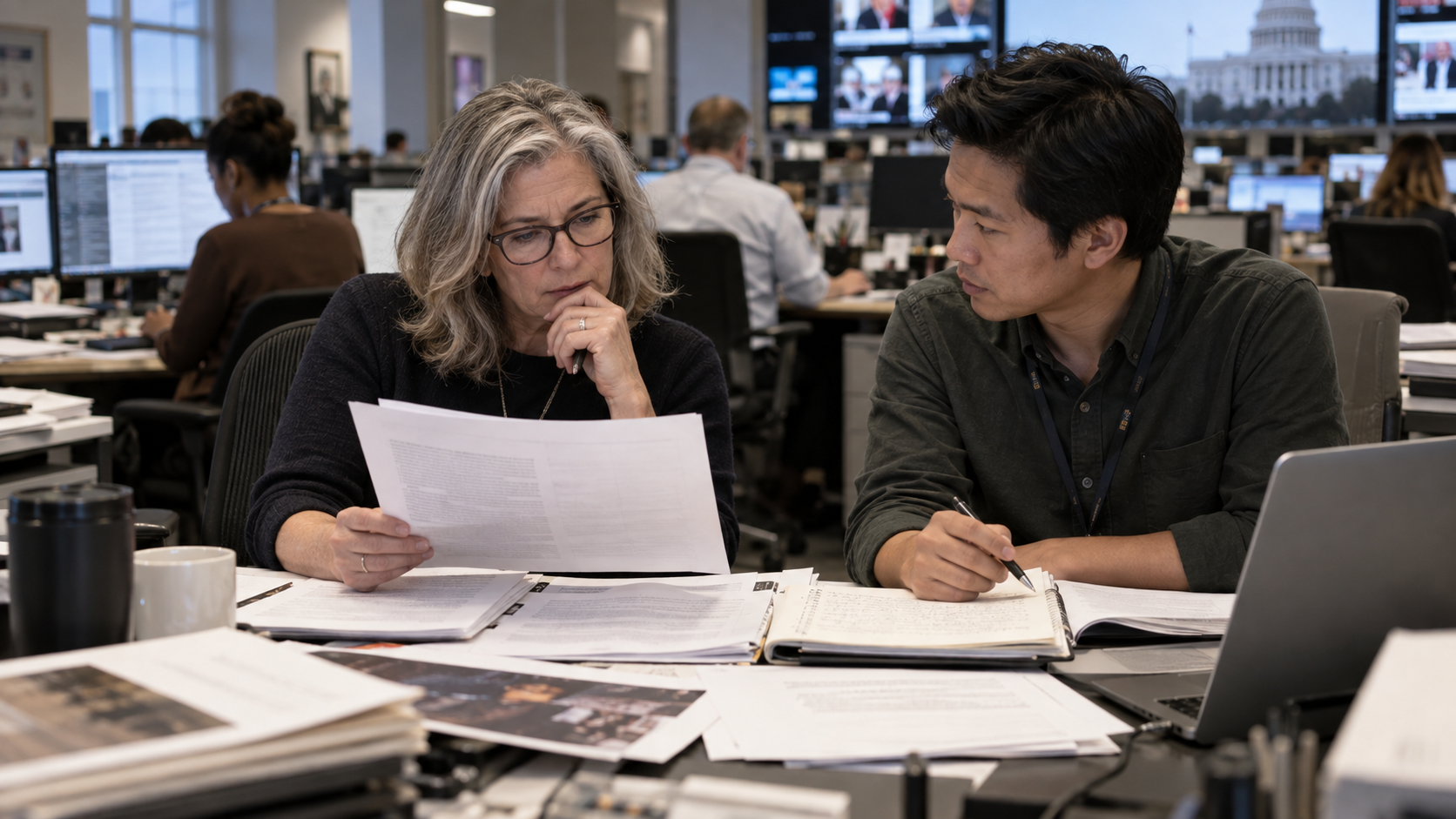
An editorial calendar organizes expected events, reporting projects, deadlines, and resources while leaving room for breaking news.

Don't Just Read it – Explore It
An editorial calendar organizes expected events, reporting projects, deadlines, and resources while leaving room for breaking news.
A social media editor adapts verified journalism for online platforms, monitors audience response, and coordinates corrections and updates.
Public records help journalists verify claims, trace government decisions, identify patterns, and give readers evidence behind a report.
B-roll is supporting video that adds context and visual evidence to a news report while narration or interview audio continues.
A managing editor coordinates newsroom staff, deadlines, standards, and daily coverage so reporting moves from assignment to publication.
A news brief is a short, verified report that gives readers the essential facts and context of a limited or developing story.
Newsrooms weigh public interest, verification, dignity, context, audience harm, and safer alternatives before showing disturbing or graphic images.
A visual editor selects, verifies, and coordinates photographs, video, graphics, and presentation so images add accurate context to news coverage.
A standards editor helps a newsroom apply its accuracy, fairness, sourcing, ethics, and corrections policies to difficult editorial decisions.
A newsroom morning meeting reviews developments, pitches, staffing, verification needs, and the coverage priorities that can change throughout the day.
A media advisory is a concise notice that gives journalists the essential details and logistics for an upcoming newsworthy event.
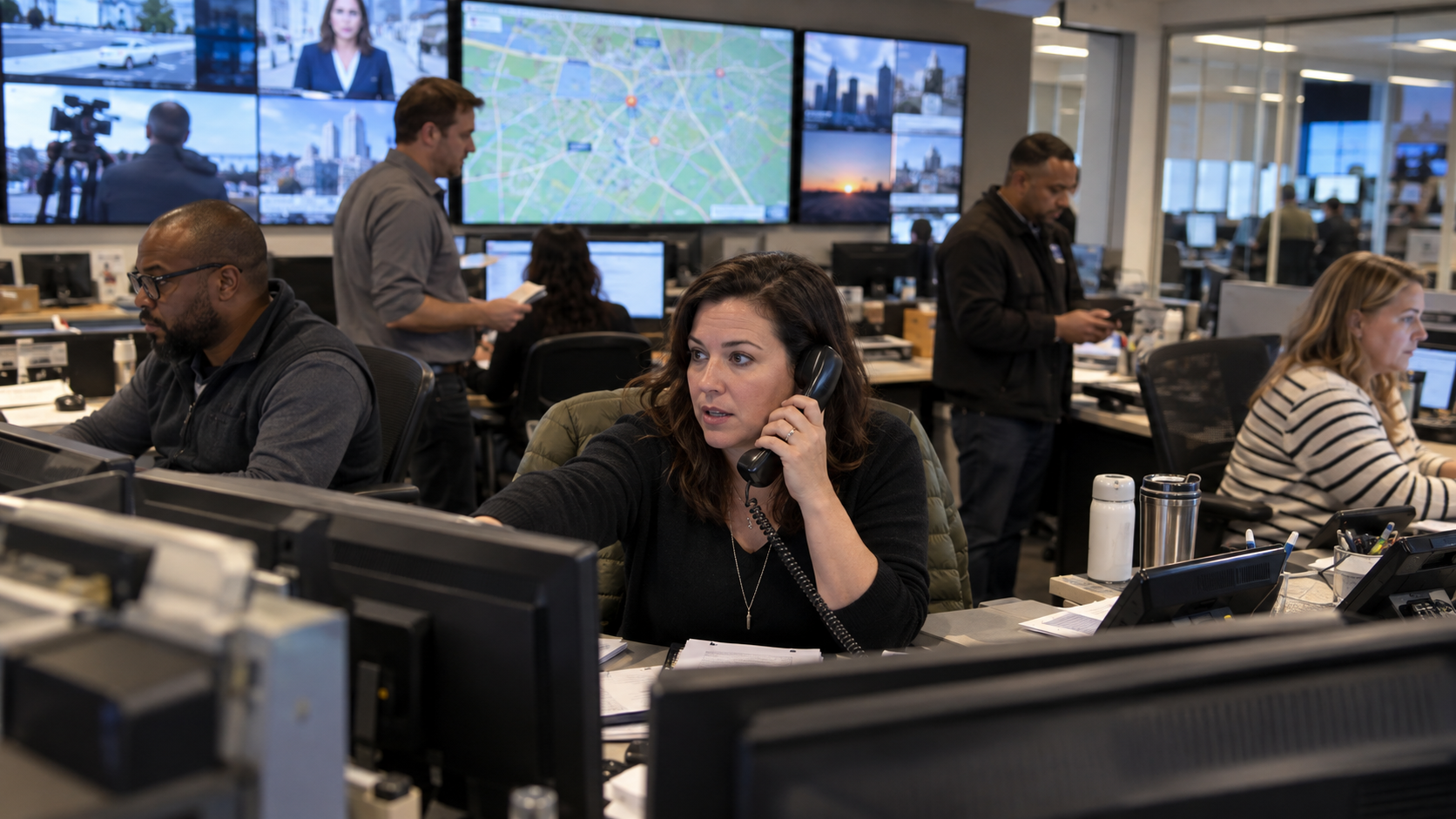
An assignment editor assesses tips, coordinates reporters and crews, manages logistics, and adapts coverage as events develop.