Quimy de León, 2024
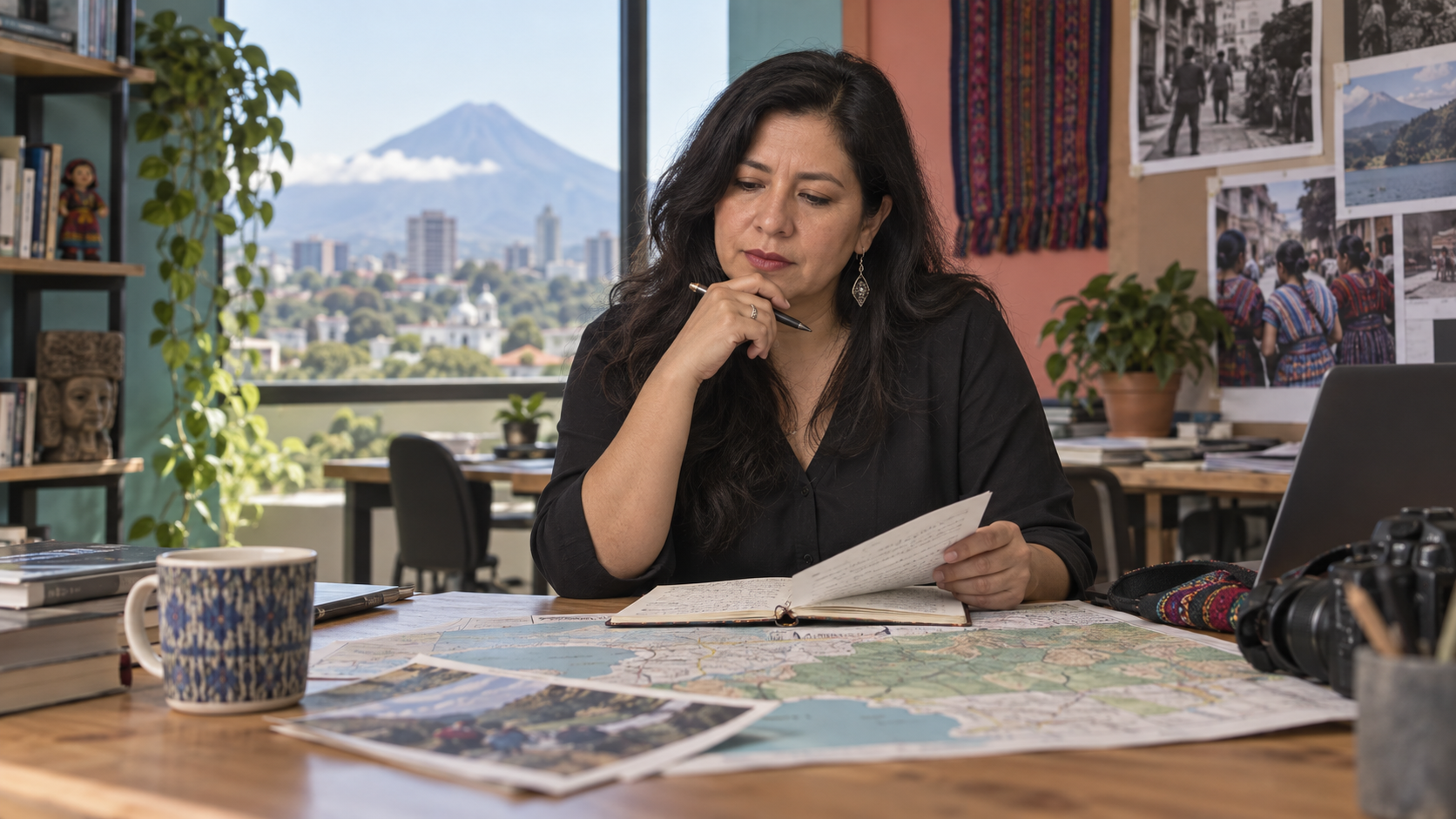
Quimy de León describes community journalism as a collective search for truths that powerful institutions and traditional media have ignored.

Don't Just Read it – Explore It
Quimy de León describes community journalism as a collective search for truths that powerful institutions and traditional media have ignored.
Alsu Kurmasheva presents journalism as public illumination sustained by accuracy, solidarity, and the refusal to let imprisonment extinguish a reporter’s purpose.
Anastasiya Stanko rejects the demand that reporters choose between their country and the full truth, especially during war and political crisis.
Ferial Haffajee locates journalism in active public scrutiny and insists that imprisonment must never become a normal response to accountability reporting.
Patrícia Campos Mello answers gendered intimidation with a collective commitment to keep investigating, verifying, and publishing in the public interest.
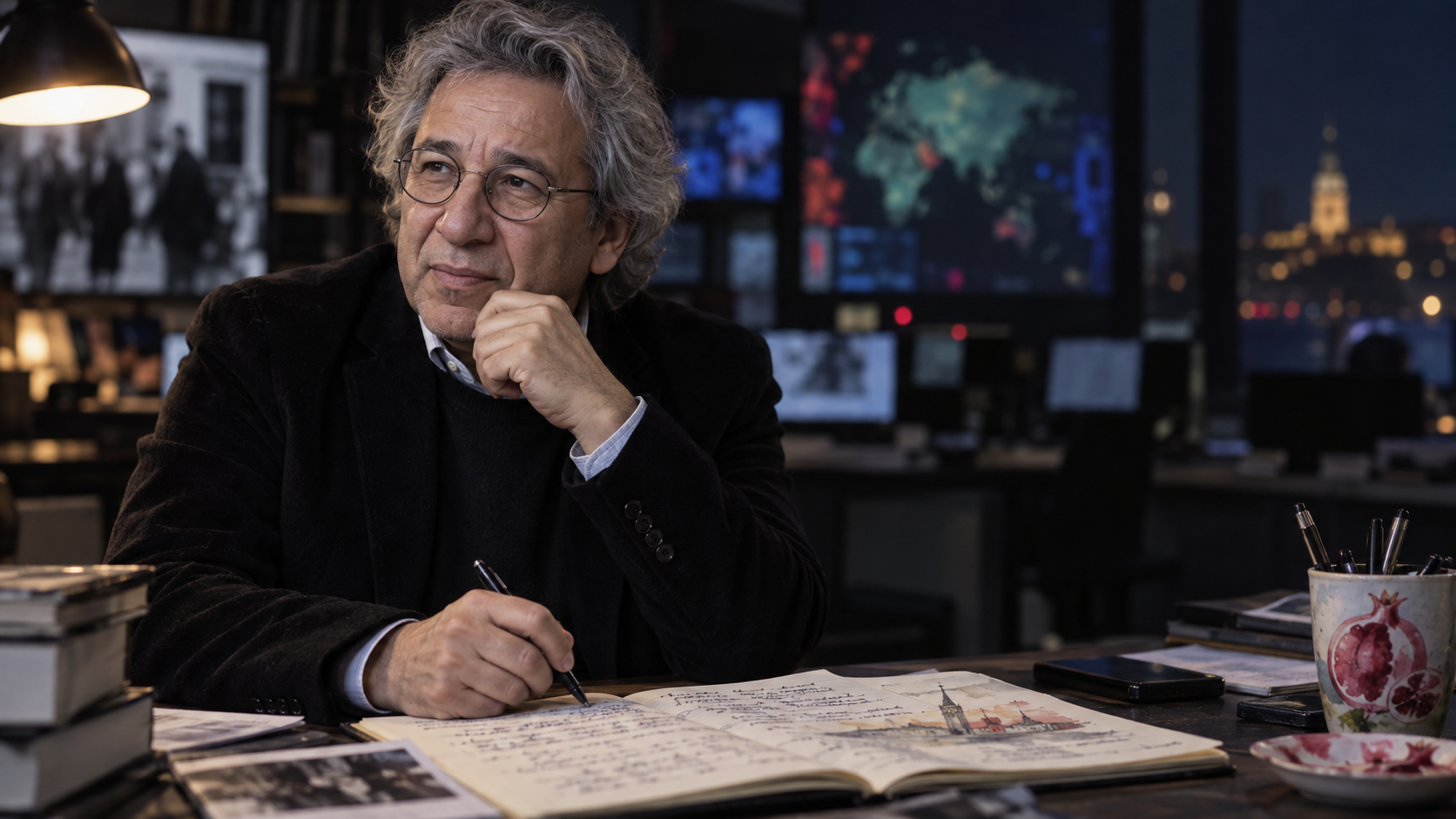
Can Dündar turns a prisoner’s improvised paintings into a wider defense of pluralism, expression, and journalism that refuses enforced uniformity.
Anastasia Mejía on Indigenous community journalism, legal retaliation, and the editorial discipline required to keep reporting under pressure.
Matías Guente on newsroom resilience after arson, investigative continuity, and why preserving evidence is a democratic responsibility.
Aye Chan Naing on editorial independence, public-service broadcasting, and reporting that remains accountable when political loyalties shift.
Nguyễn Ngọc Như Quỳnh on freedom after imprisonment, reporting from exile, and keeping affected communities at the center of public-interest journalism.
María Teresa Montaño on independent regional journalism, economic and political pressure, and accountability reporting that refuses to be bought.
Shahina K.K. on connecting political power to its human consequences, and the reporting practices that keep public-interest evidence in view.