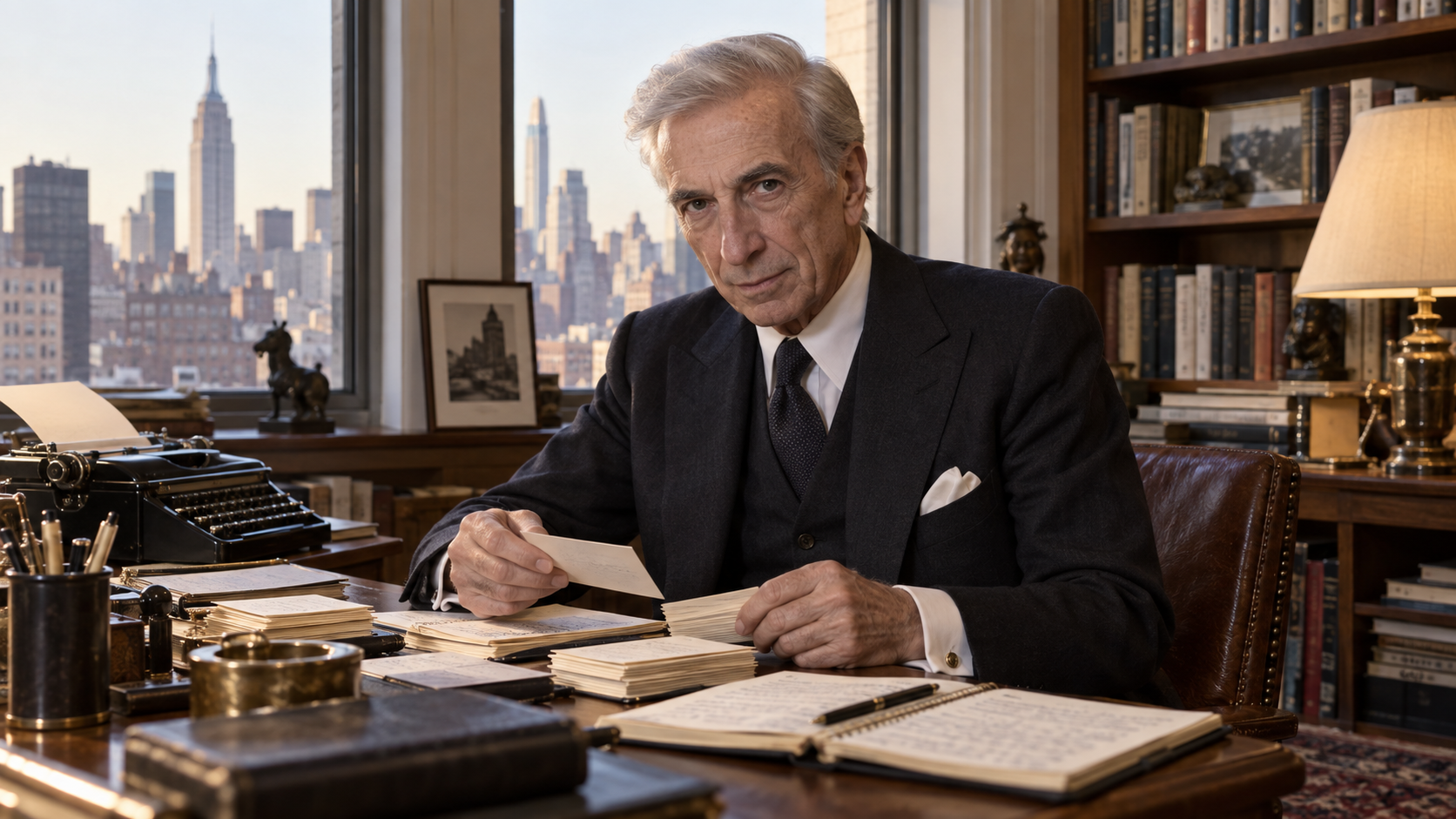
Gay Talese, 2001
Gay Talese argues that reporting gains depth by examining ordinary lives whose experiences reveal larger social patterns.

Don't Just Read it – Explore It
Gay Talese argues that reporting gains depth by examining ordinary lives whose experiences reveal larger social patterns.
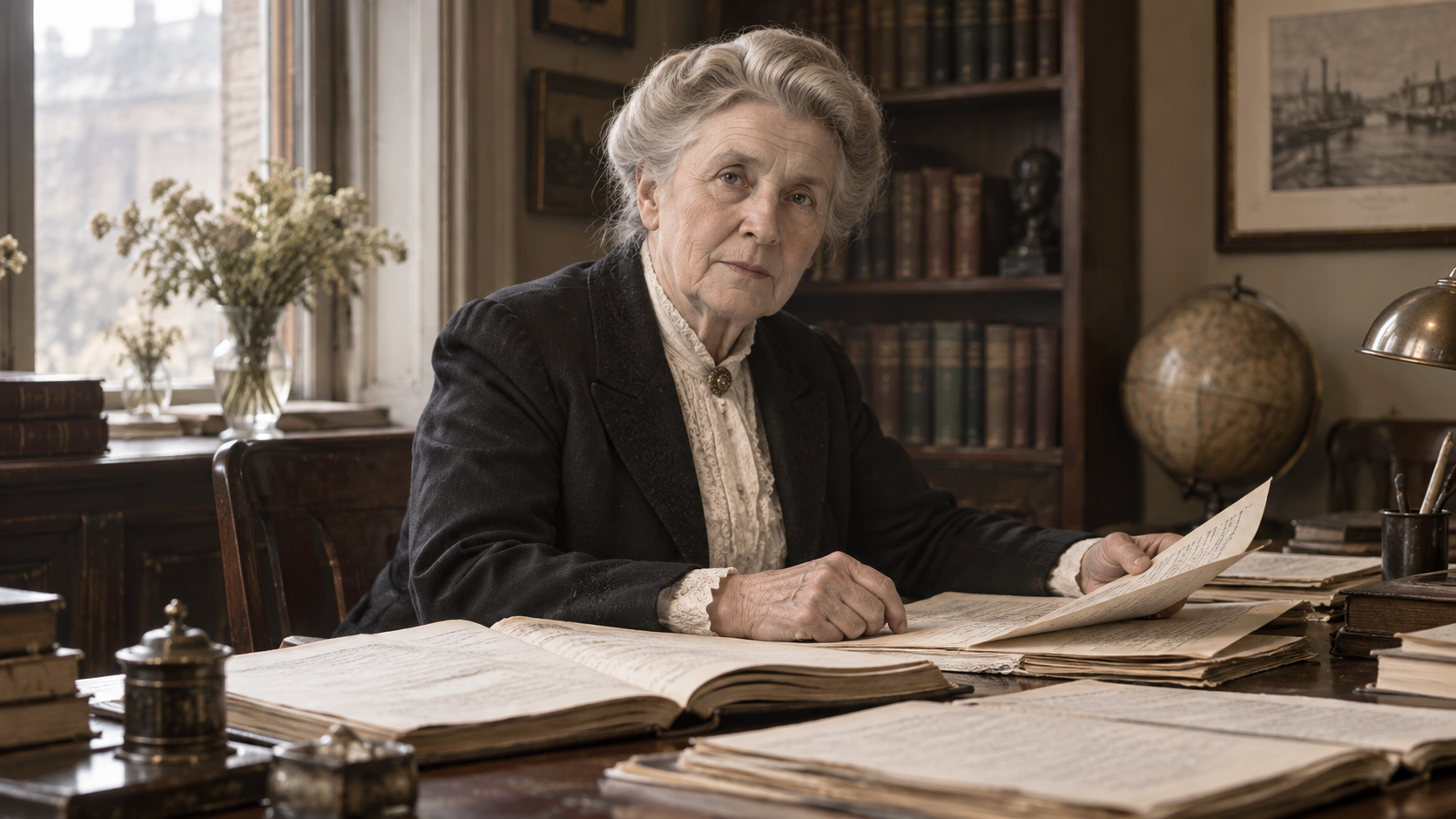
Ida Tarbell describes truth-seeking as necessary but unfinished, a demanding standard for investigative reporting and public knowledge.
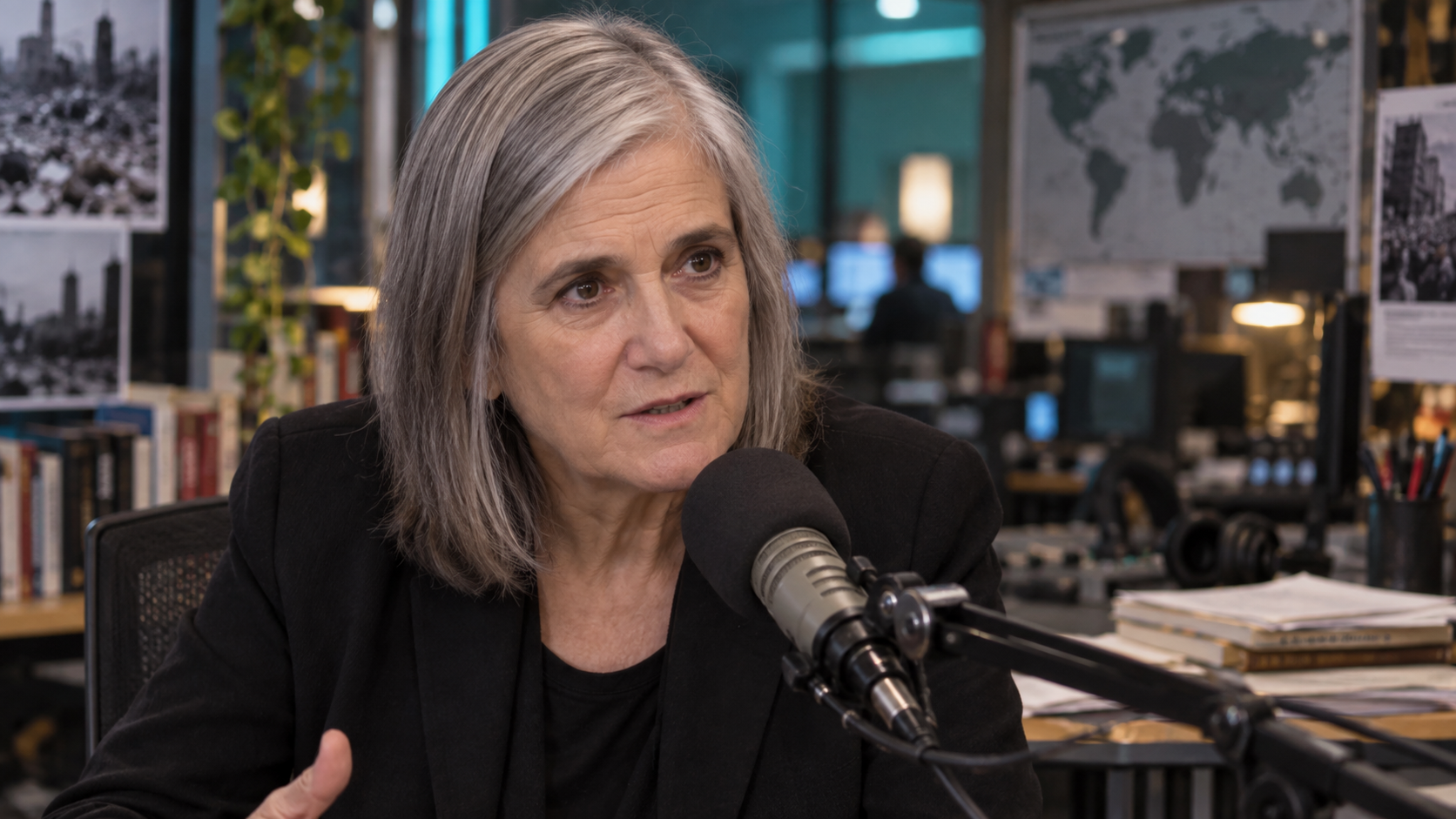
Amy Goodman defines independent reporting as a deliberate search for people and events excluded from the dominant news agenda.
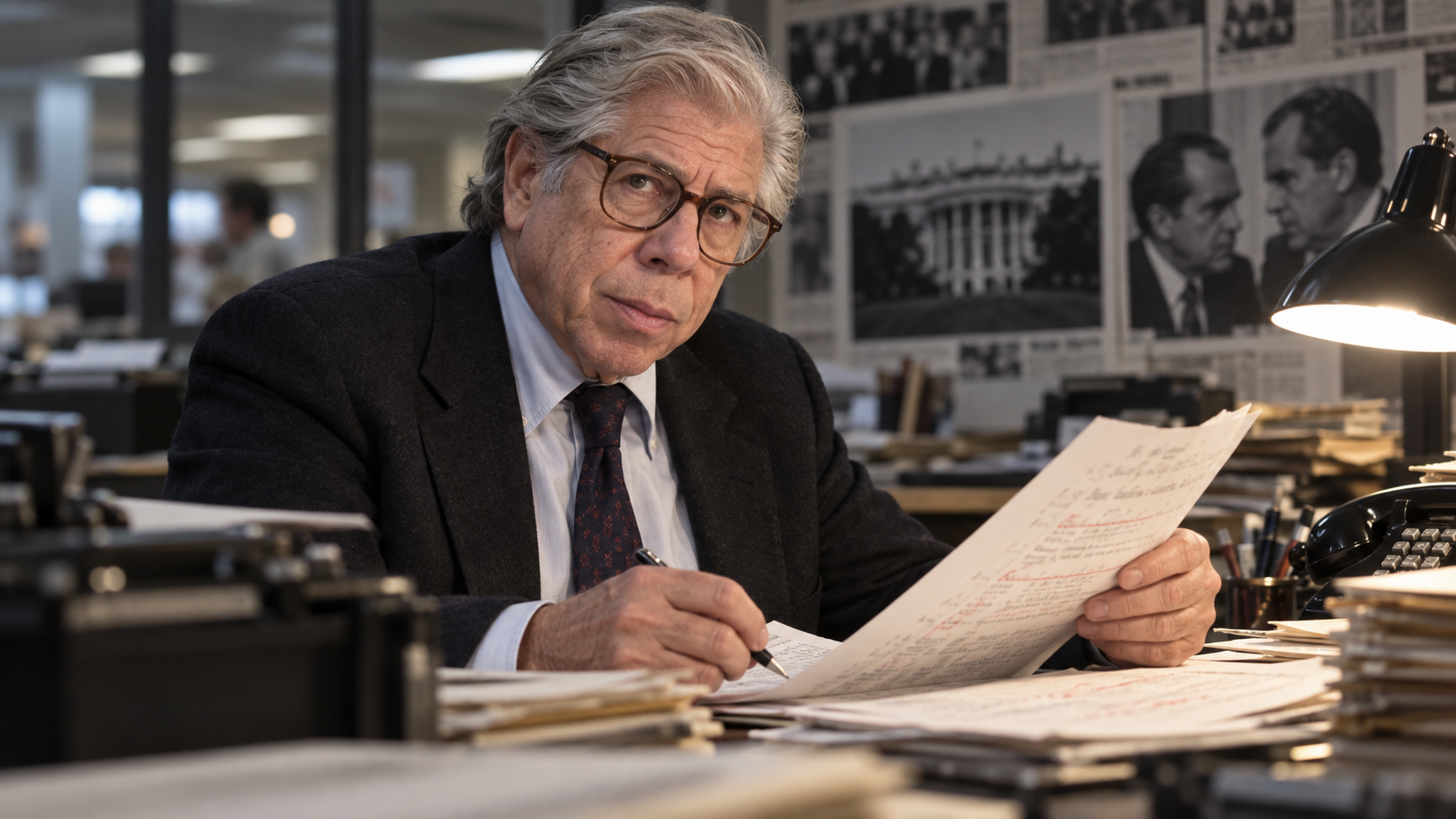
Carl Bernstein’s standard treats journalism as disciplined, revisable work: obtain the strongest account the available evidence can support.
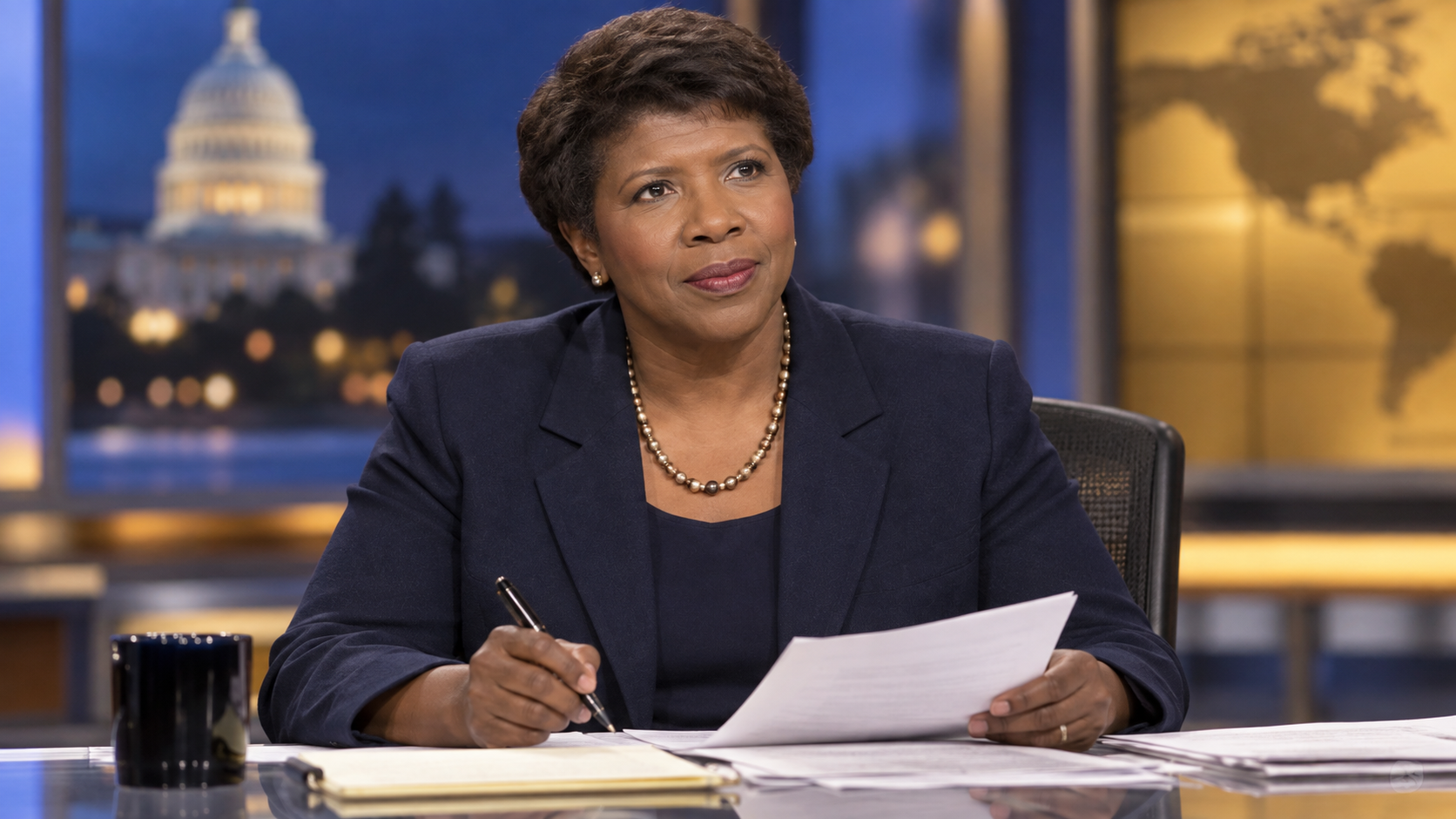
Gwen Ifill turns open-minded questioning into a reporting discipline that tests belief against evidence and listens for unexpected answers.
Yang Jisheng describes journalism as preserving facts, uncovering buried history, and protecting truthful records from distortion or erasure.
Janet Hinostroza warns that democracy fails when comfort, intimidation, or propaganda turns public silence into a condition of political life.
Alan Rusbridger locates press freedom in the public’s right to receive reliable information, not in professional privilege for journalists.
James Nachtwey frames photojournalism as evidence-bearing witness: images should preserve experience without exploiting the people they portray.
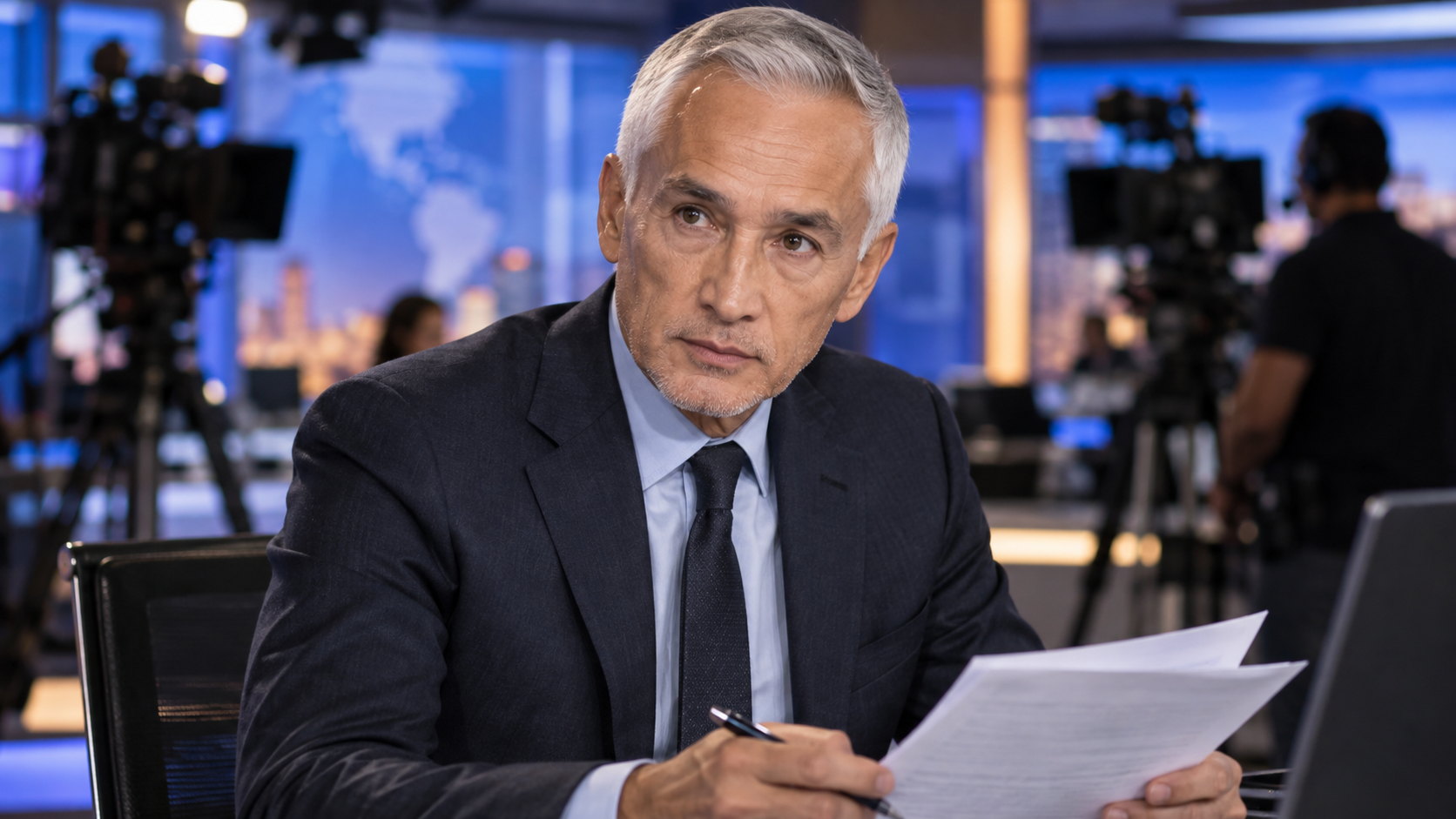
Jorge Ramos warns that journalism fails when fear, access, or false neutrality prevents reporters from challenging abuses of power.
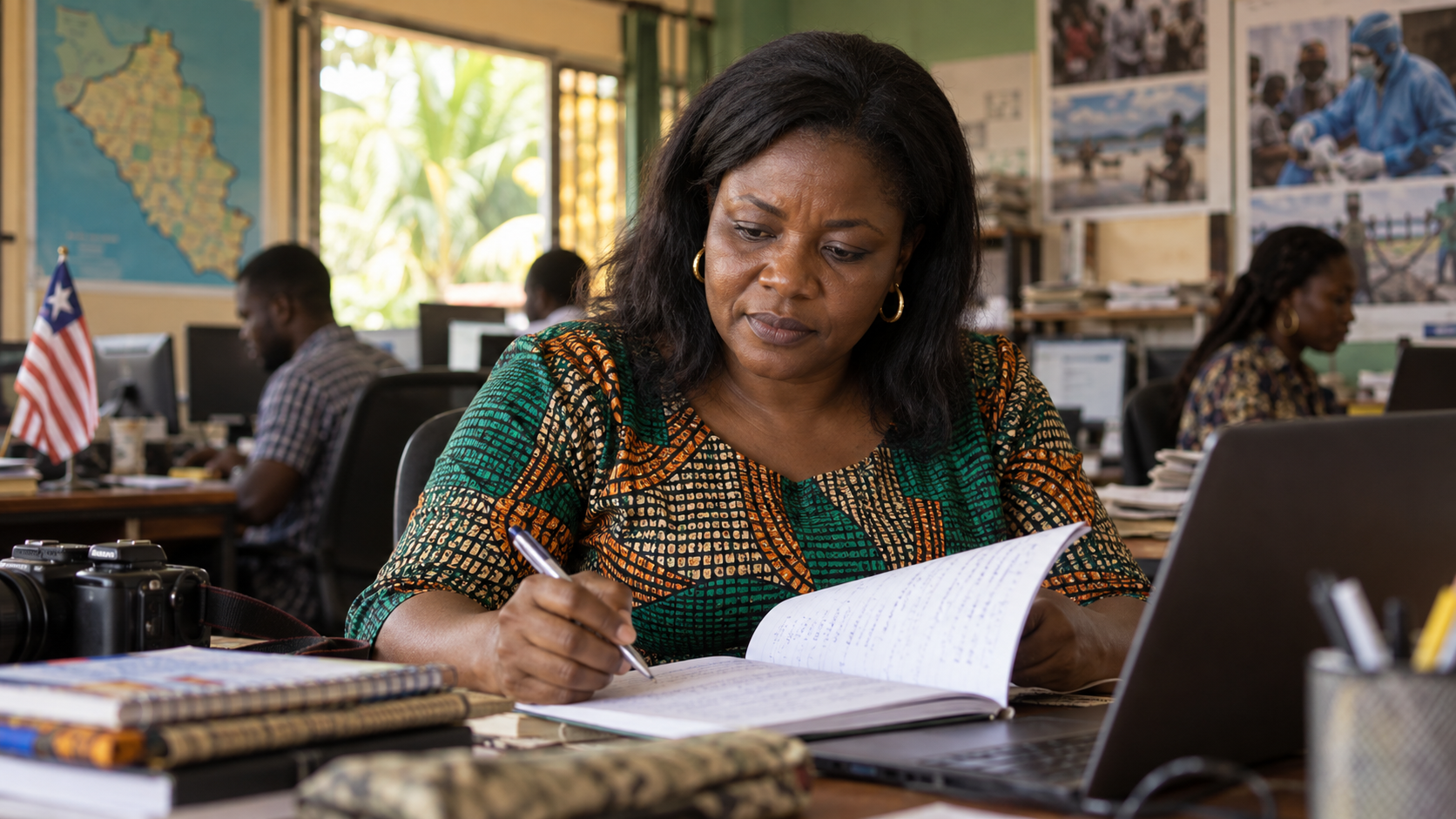
Mae Azango connects truthful, independent reporting with citizens’ ability to protect health, evaluate leaders, and choose a different path.
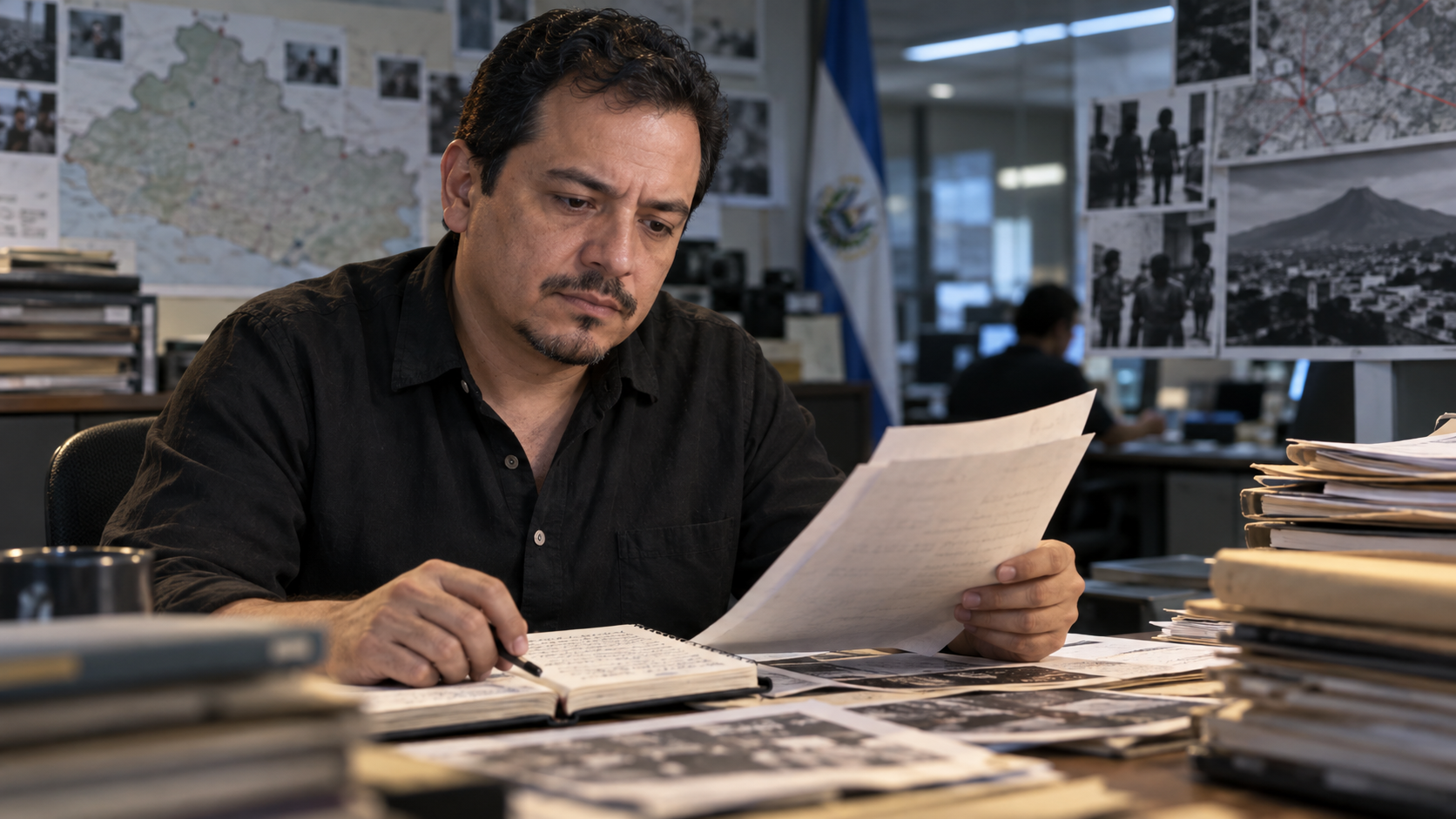
Óscar Martínez turns a source’s demand into a standard for investigative reporting: accuracy, courage, protection, and sustained attention.