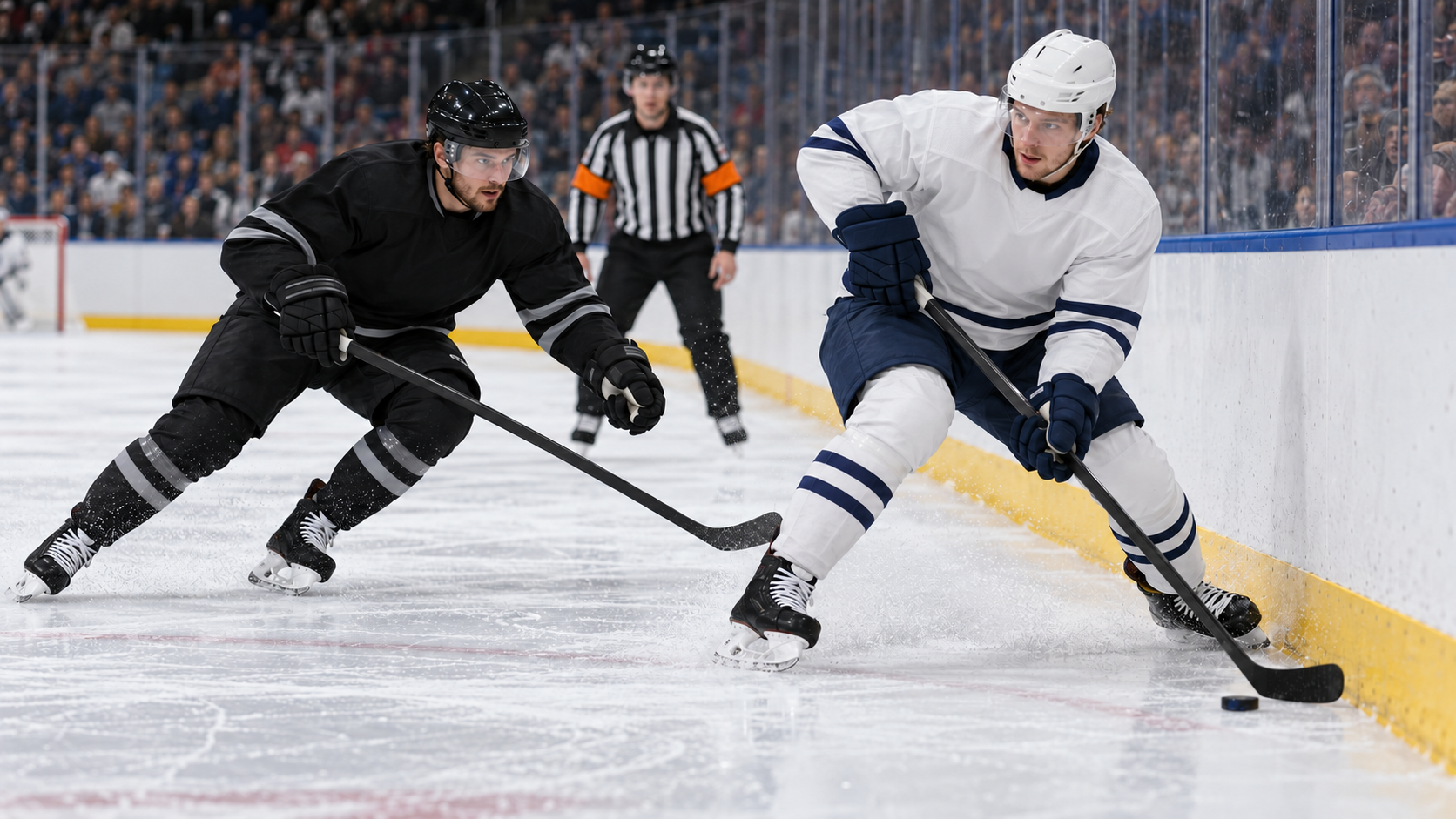
How Hockey Boarding Penalties Work
Learn what makes a hockey hit boarding, how officials judge danger and vulnerability, and when the penalty becomes more severe.

Don't Just Read it – Explore It
Learn what makes a hockey hit boarding, how officials judge danger and vulnerability, and when the penalty becomes more severe.
Learn why a tennis game reaches deuce, how advantage is earned, and why a player needs two straight points to close the game.
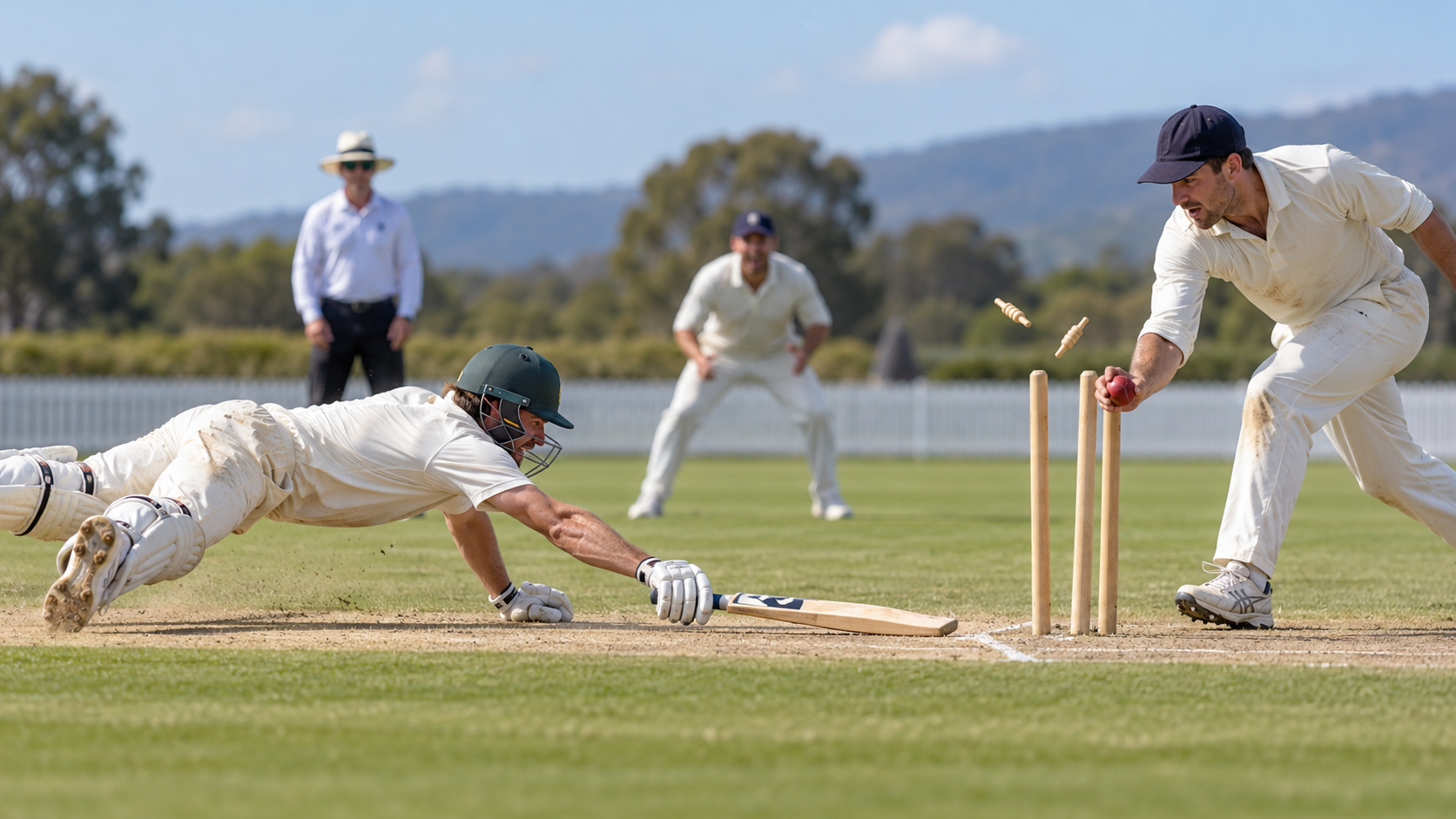
Learn when a cricket batter is out of their ground, how a wicket is fairly broken, and why the ball must still be live.
Learn who may declare a golf ball unplayable, the three standard relief options, and when bunker restrictions change the drop.
Learn how high-jump ties are ranked by misses and when a jump-off decides first place after athletes clear the same height.
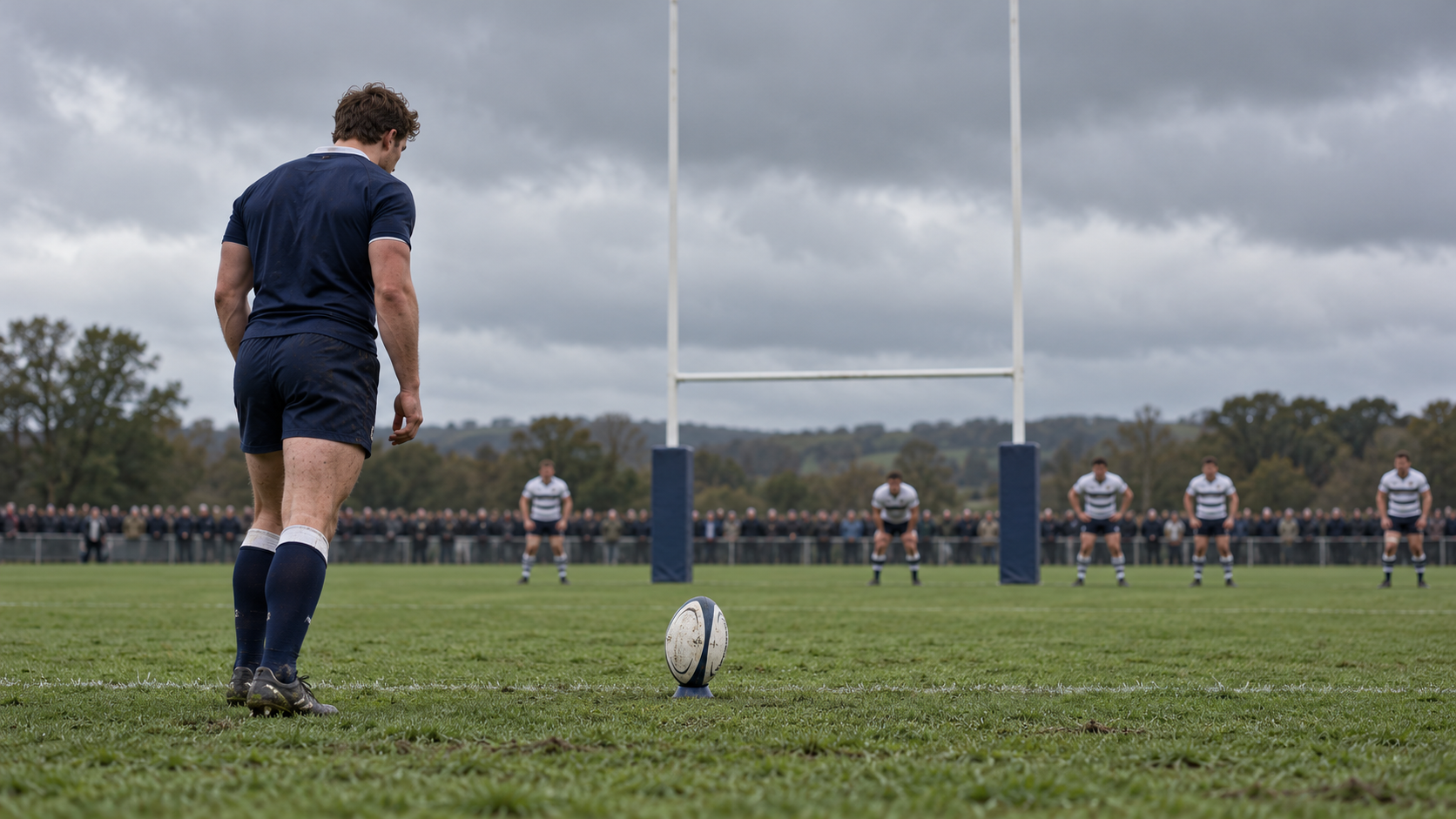
Learn how a rugby conversion follows a try, where the kick is taken, how many points it scores, and when defenders may charge.
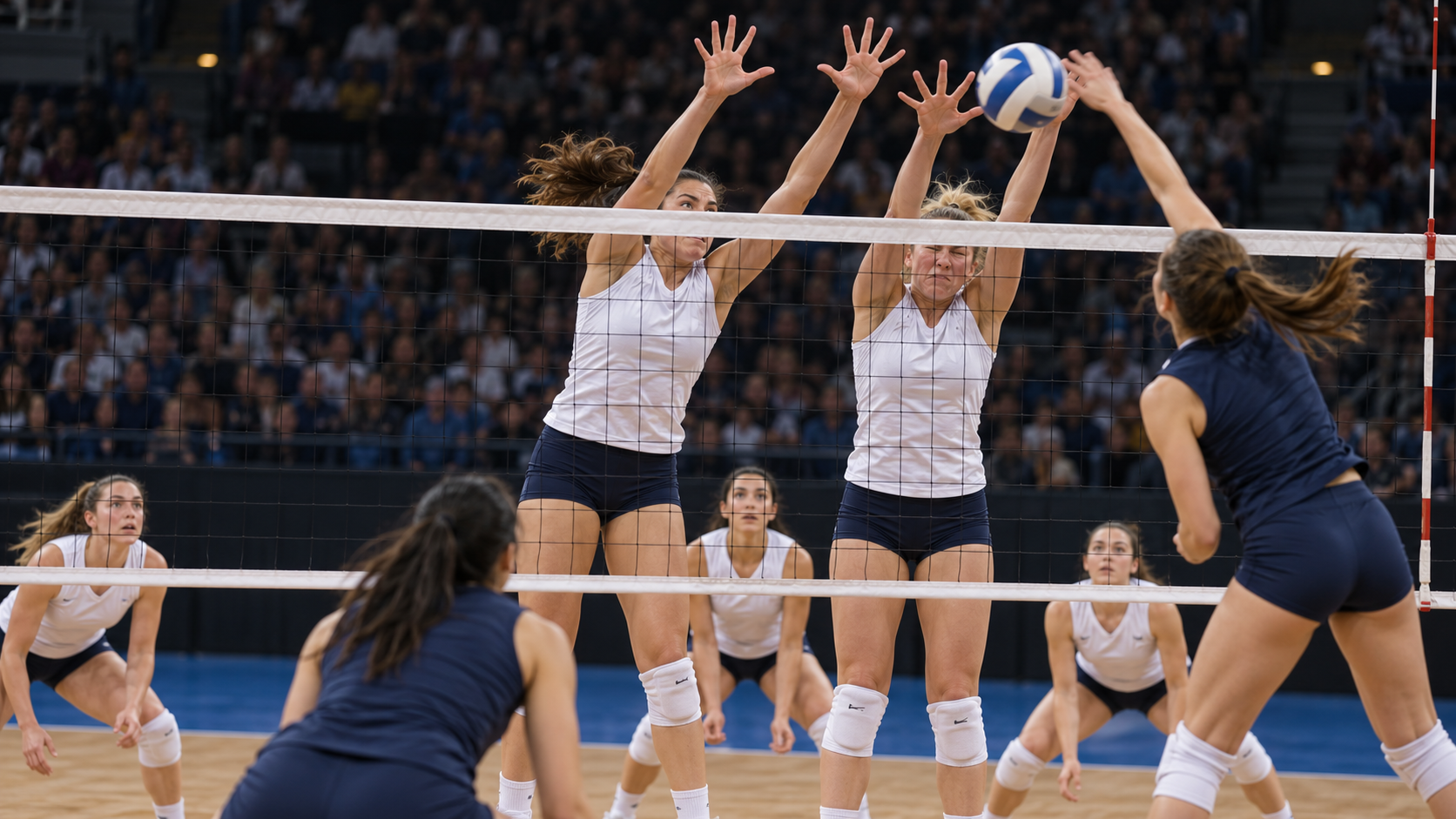
Learn why an indoor-volleyball block does not use one of the team’s three hits and when a blocker may contact the ball again.
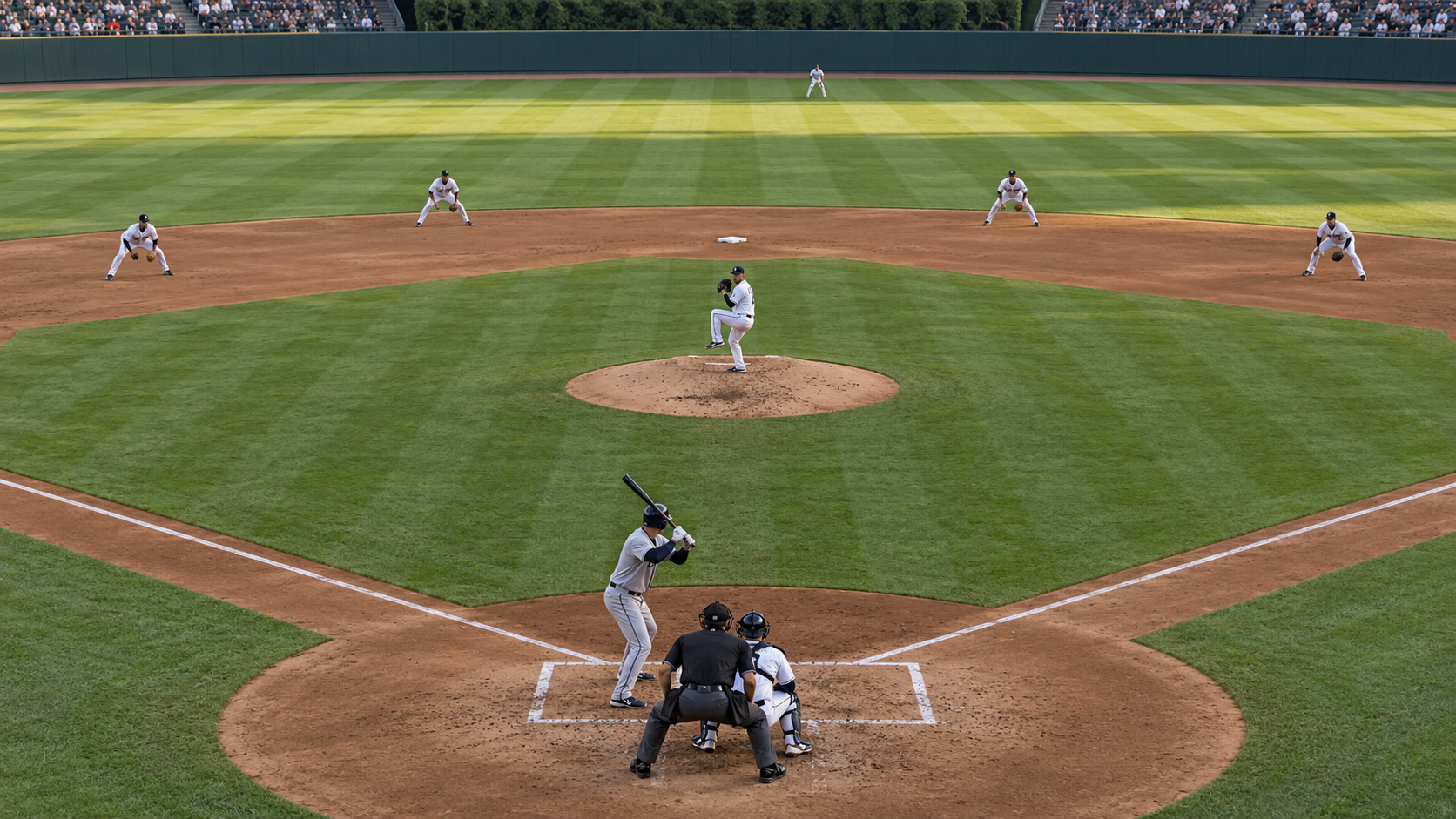
Learn where MLB infielders must stand before each pitch, what movement is still legal, and how illegal defensive positioning is penalized.
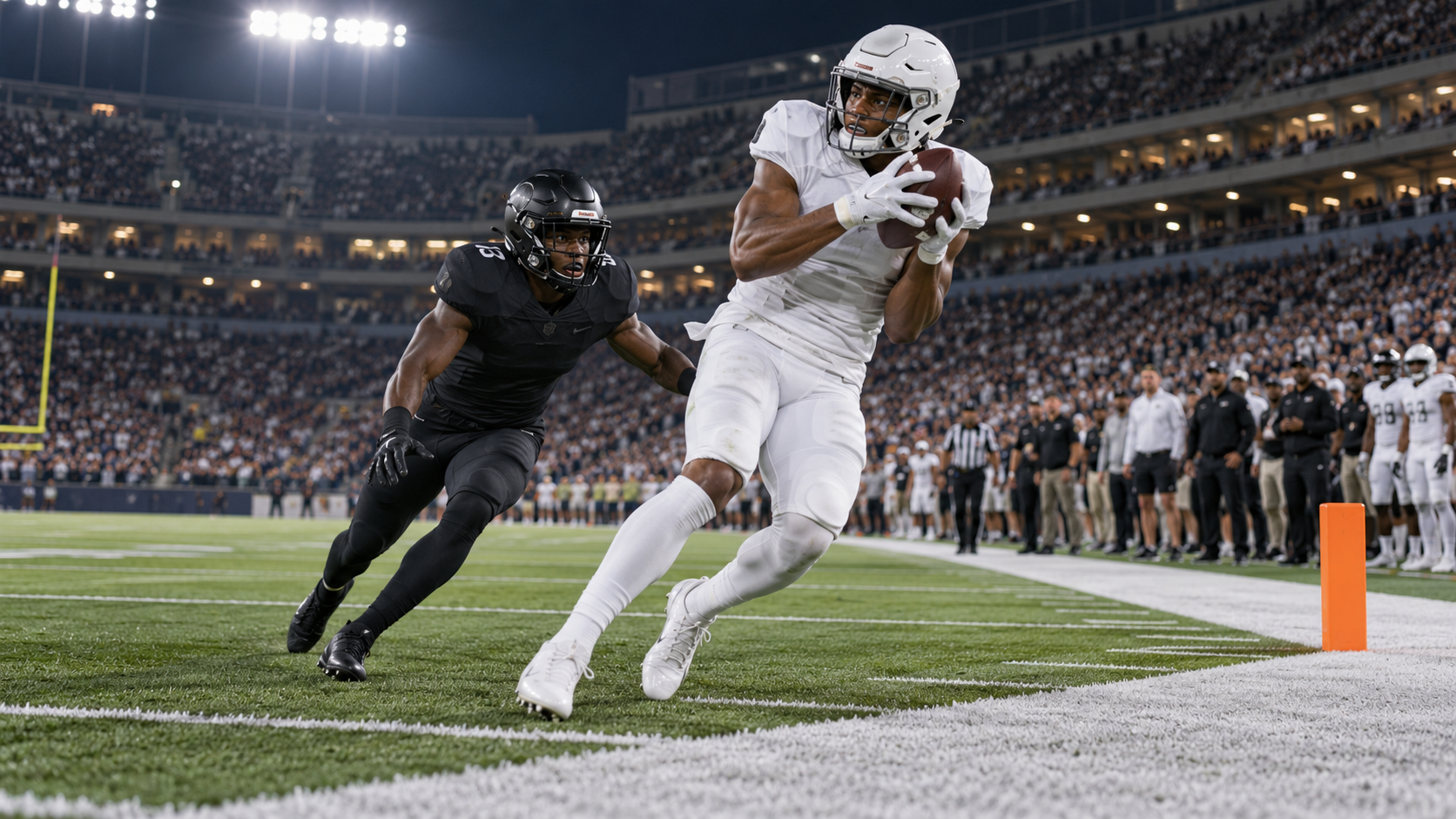
Learn the NFL’s three elements of a completed catch and how control, inbounds contact, and a football move are judged.
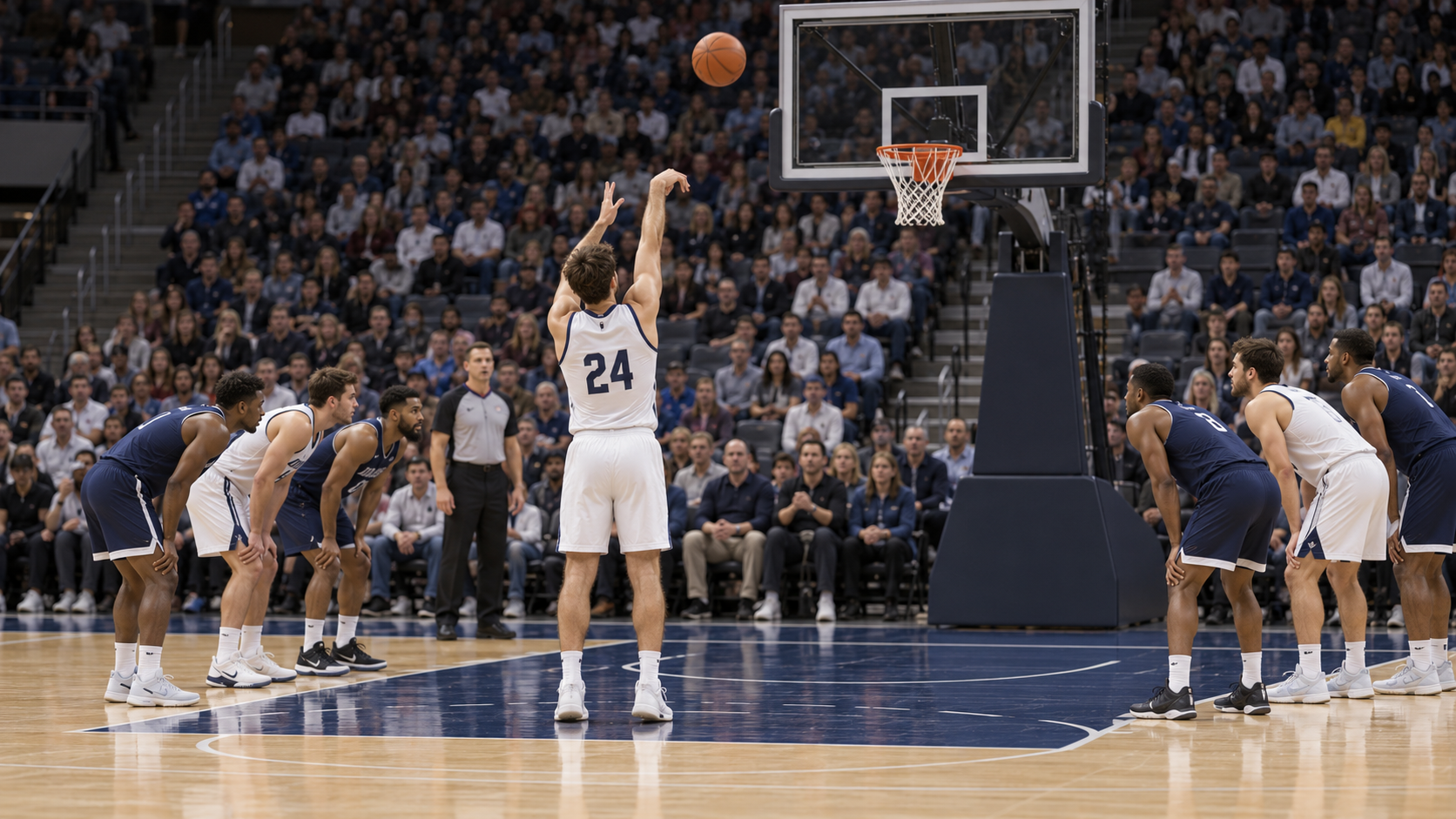
Learn when players may enter the lane on an NBA free throw and how the penalty changes depending on who violates and whether the shot falls.
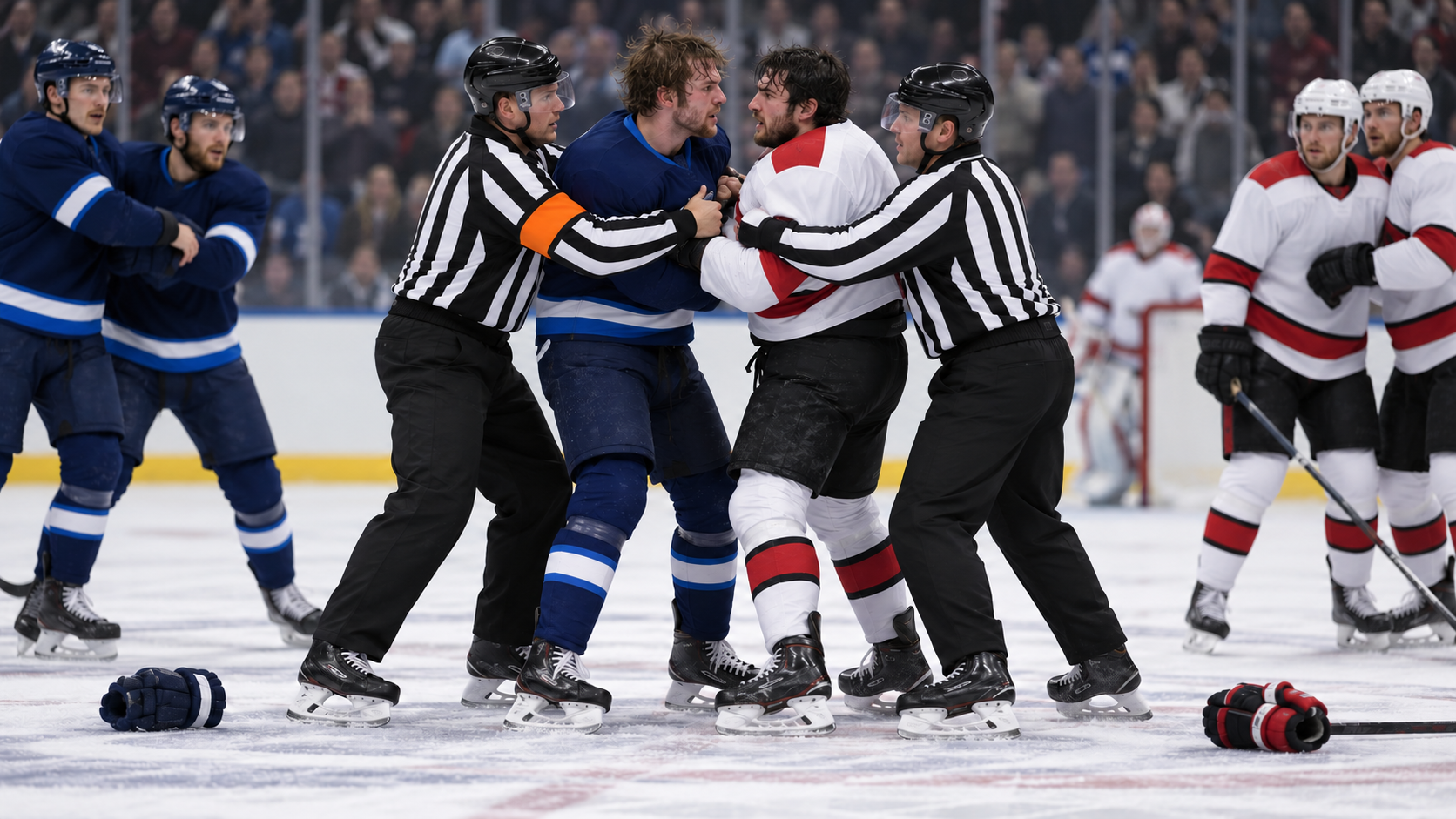
Learn how NHL officials identify a fight, why each combatant usually gets five minutes, and when instigator or aggressor penalties are added.
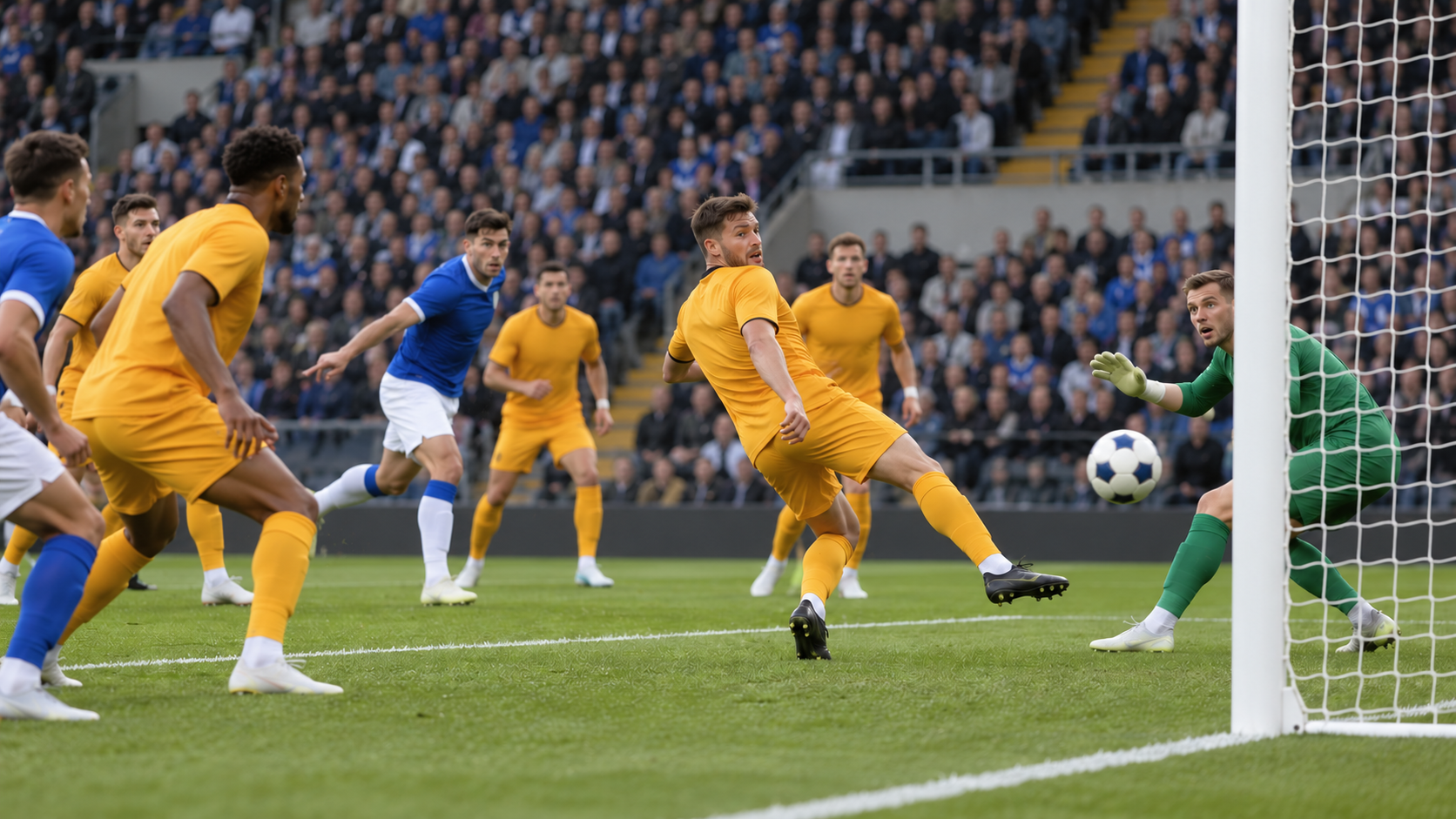
Learn when a soccer score is recorded as an own goal, why the opponent receives credit, and which direct restarts cannot create one.