How Slew-Footing Is Penalized in Hockey
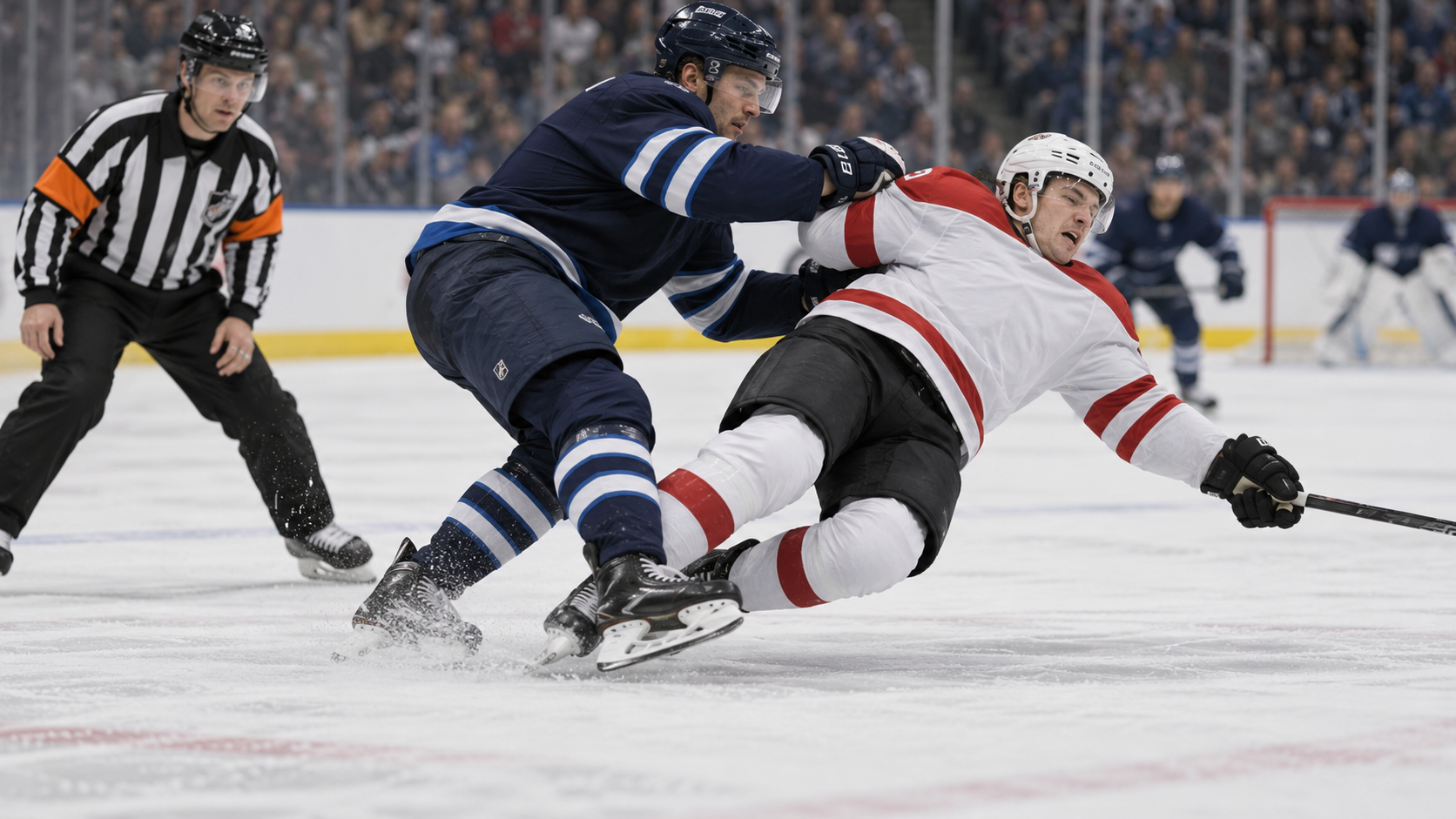
Learn what makes a hockey play slew-footing, how it differs from an ordinary trip, and why the NHL can impose major penalties.

Don't Just Read it – Explore It
Learn what makes a hockey play slew-footing, how it differs from an ordinary trip, and why the NHL can impose major penalties.
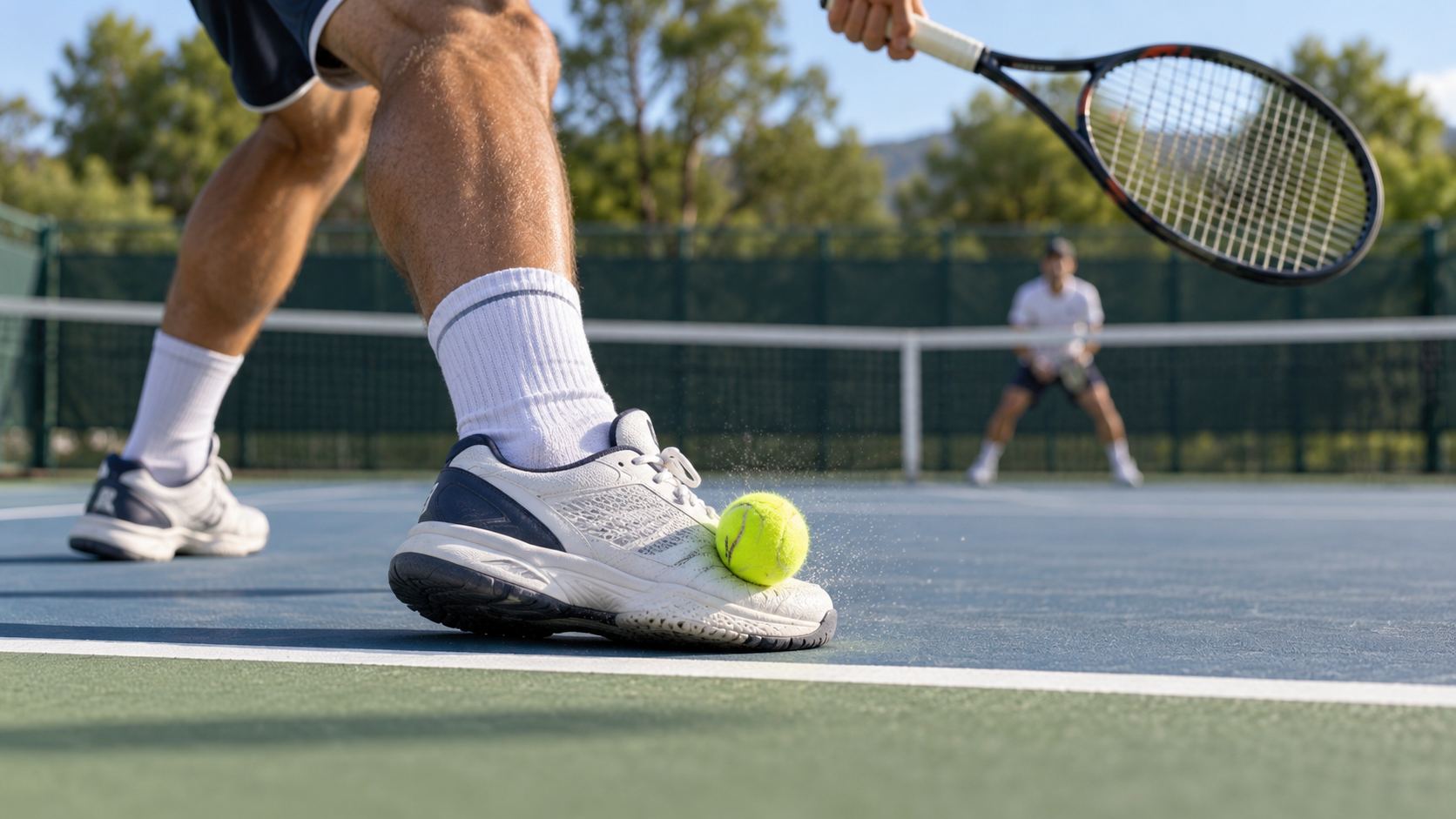
Learn who wins the point when a live tennis ball touches a player, clothing, or carried object and the narrow exception during service.
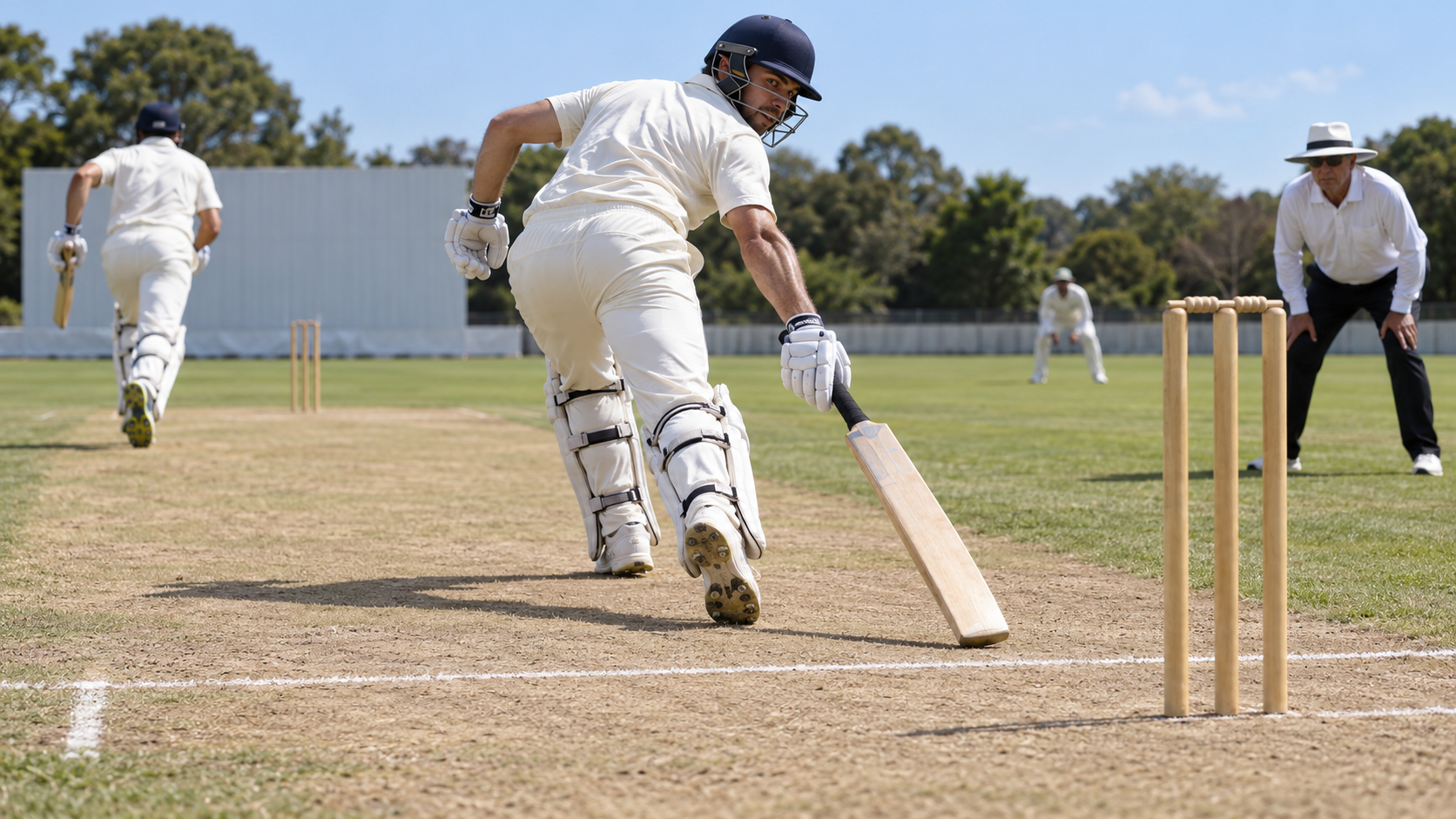
Understand when a cricket run is called short, how it changes the score, and why deliberate short running can bring penalty runs.
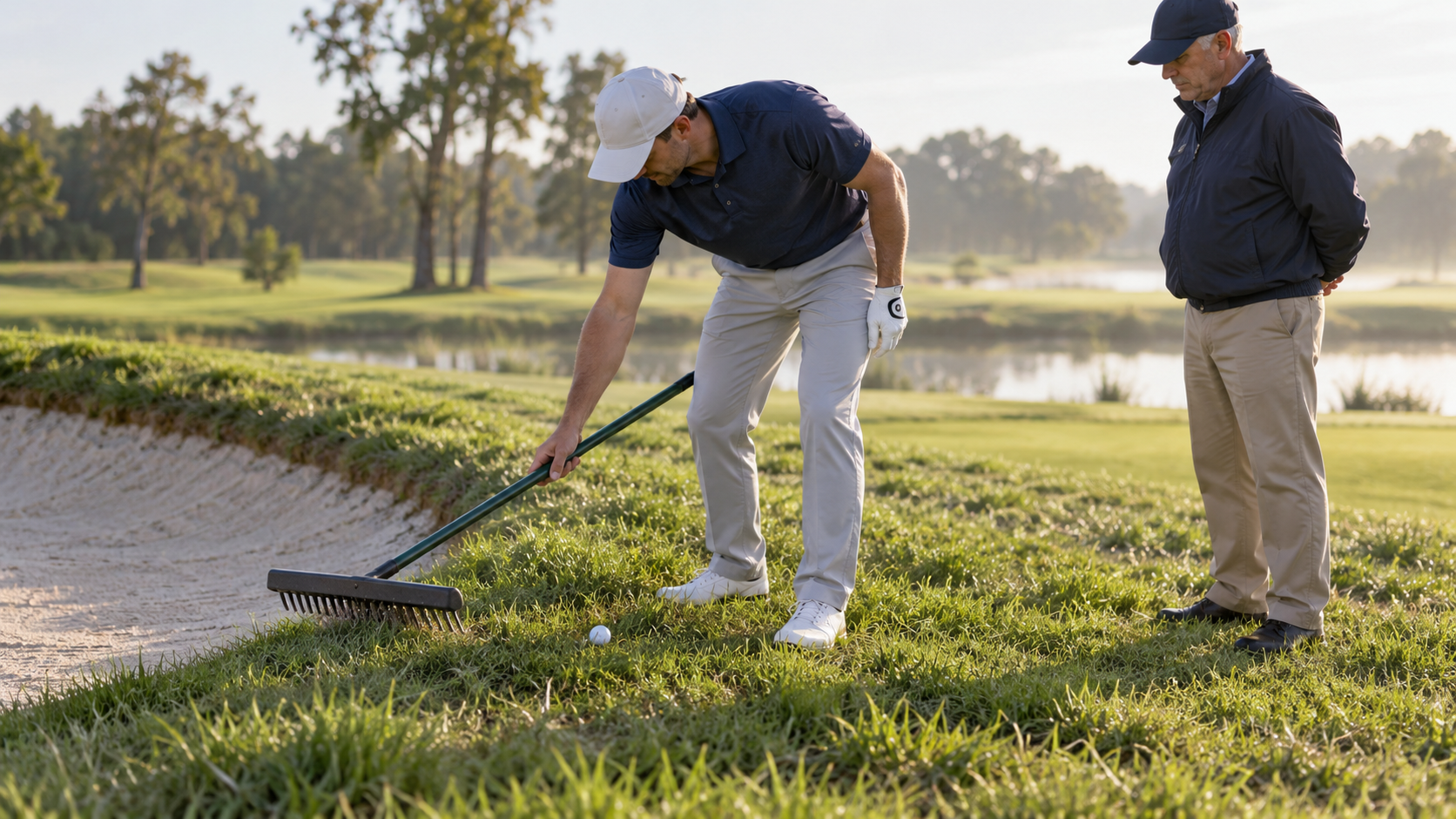
Learn when golfers may remove artificial movable objects, what happens if the ball moves, and how to recover a ball inside one.
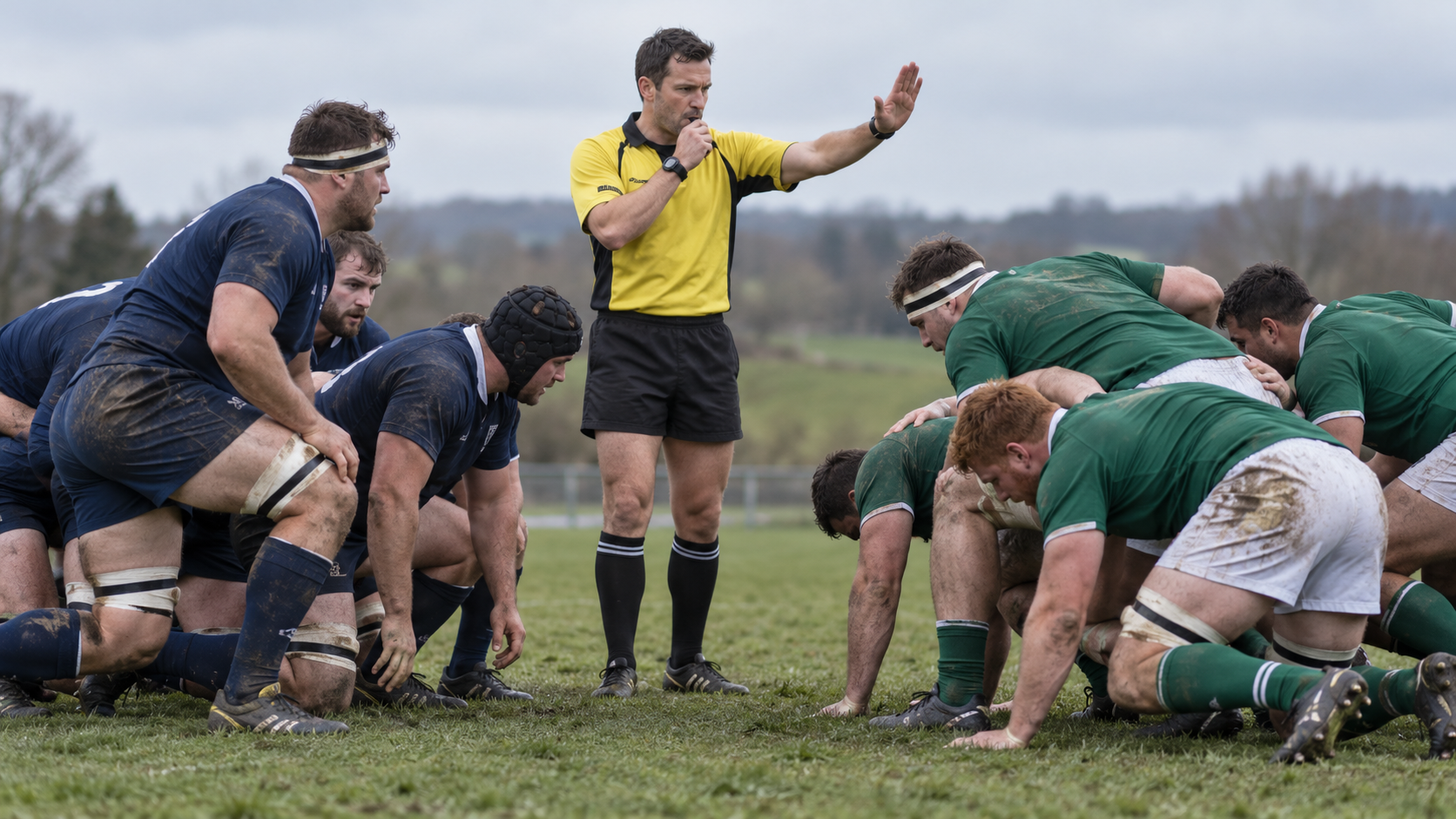
Understand why a rugby scrum may be stopped and reset, when the same team feeds again, and which actions instead draw penalties.
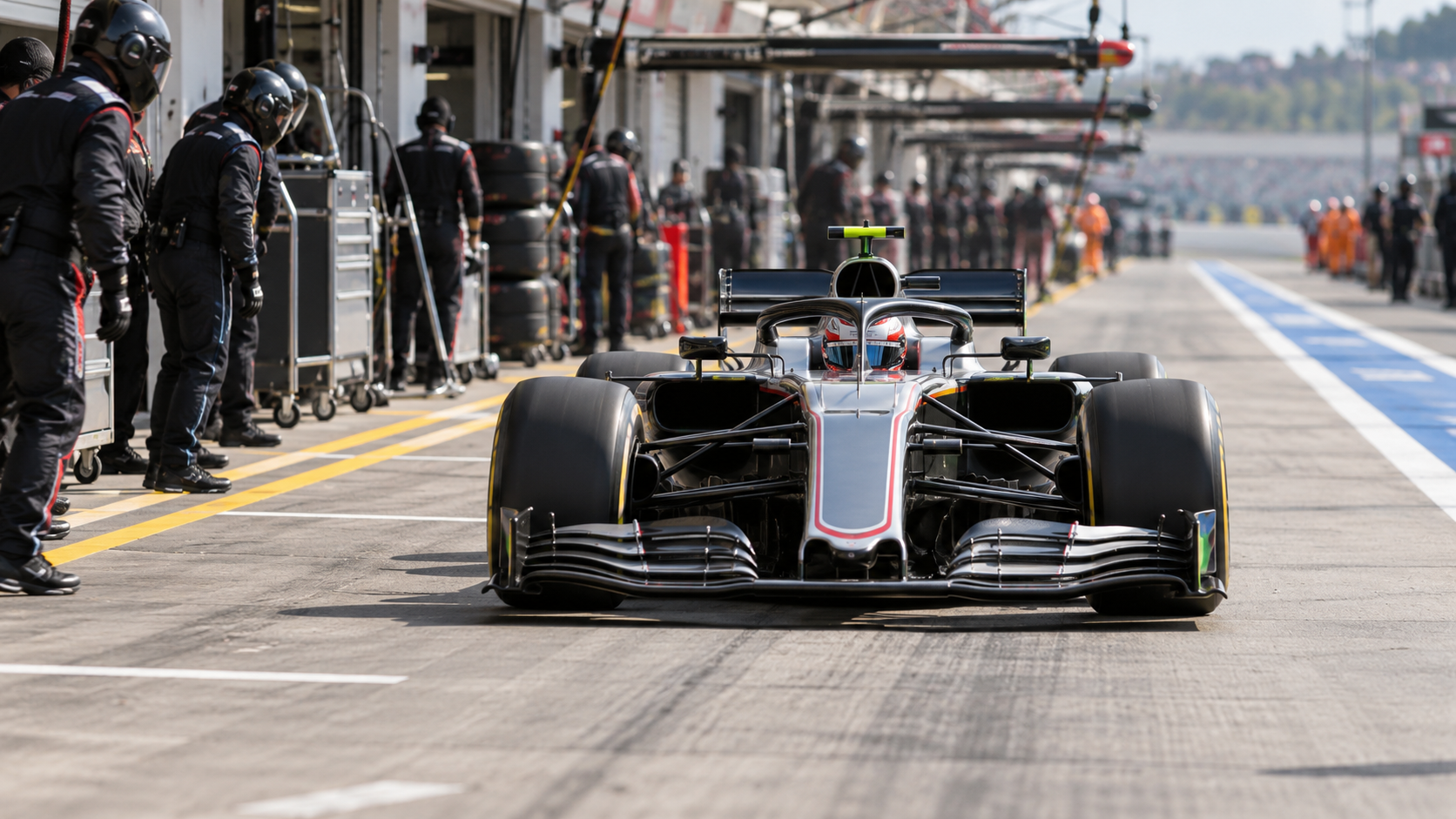
Learn where the Formula 1 pit-lane speed limit applies, how cars use a limiter, and why race and practice penalties differ.
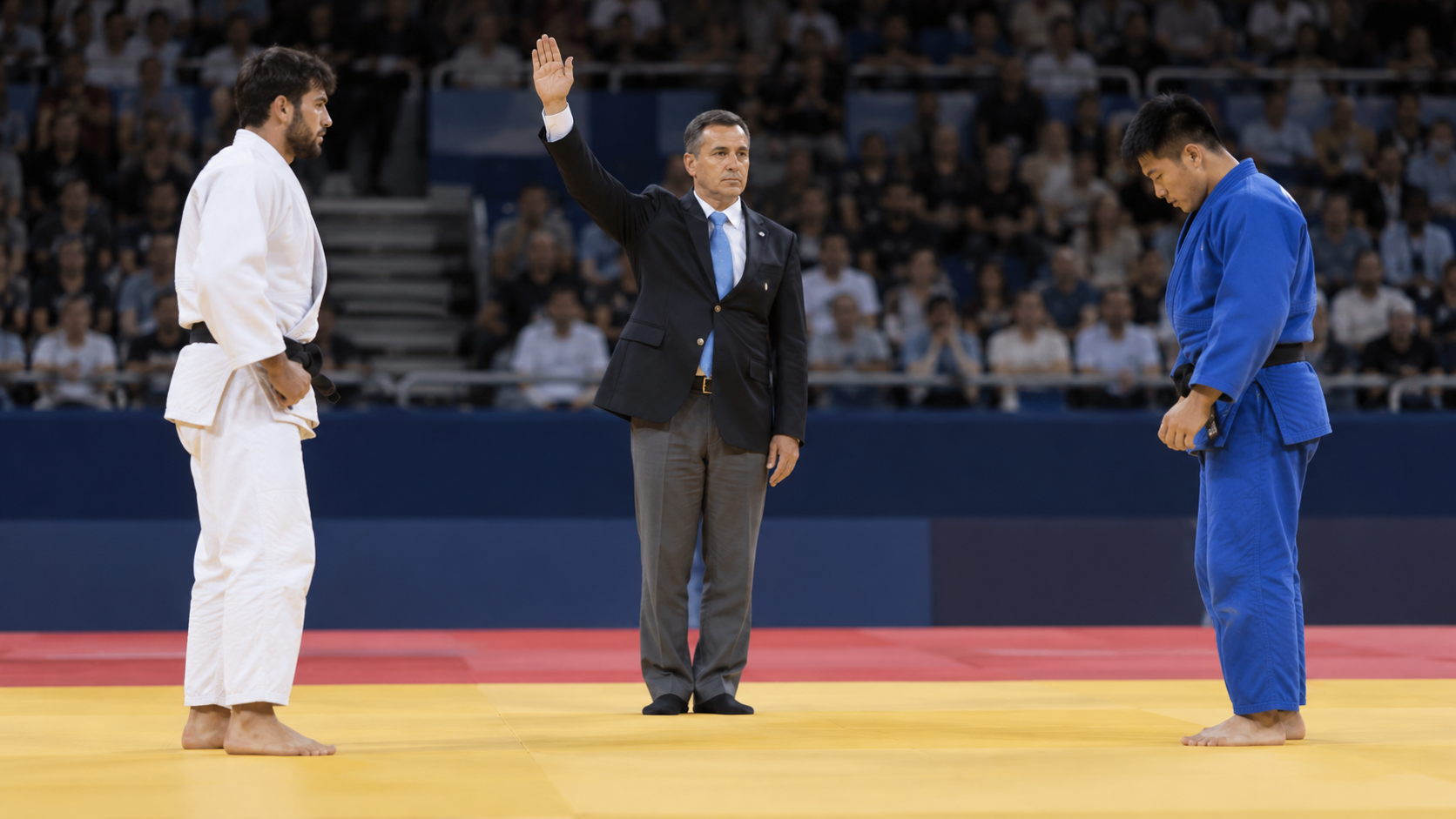
Learn which judo infringements bring shido, how penalties accumulate, and why a third shido ends the contest.
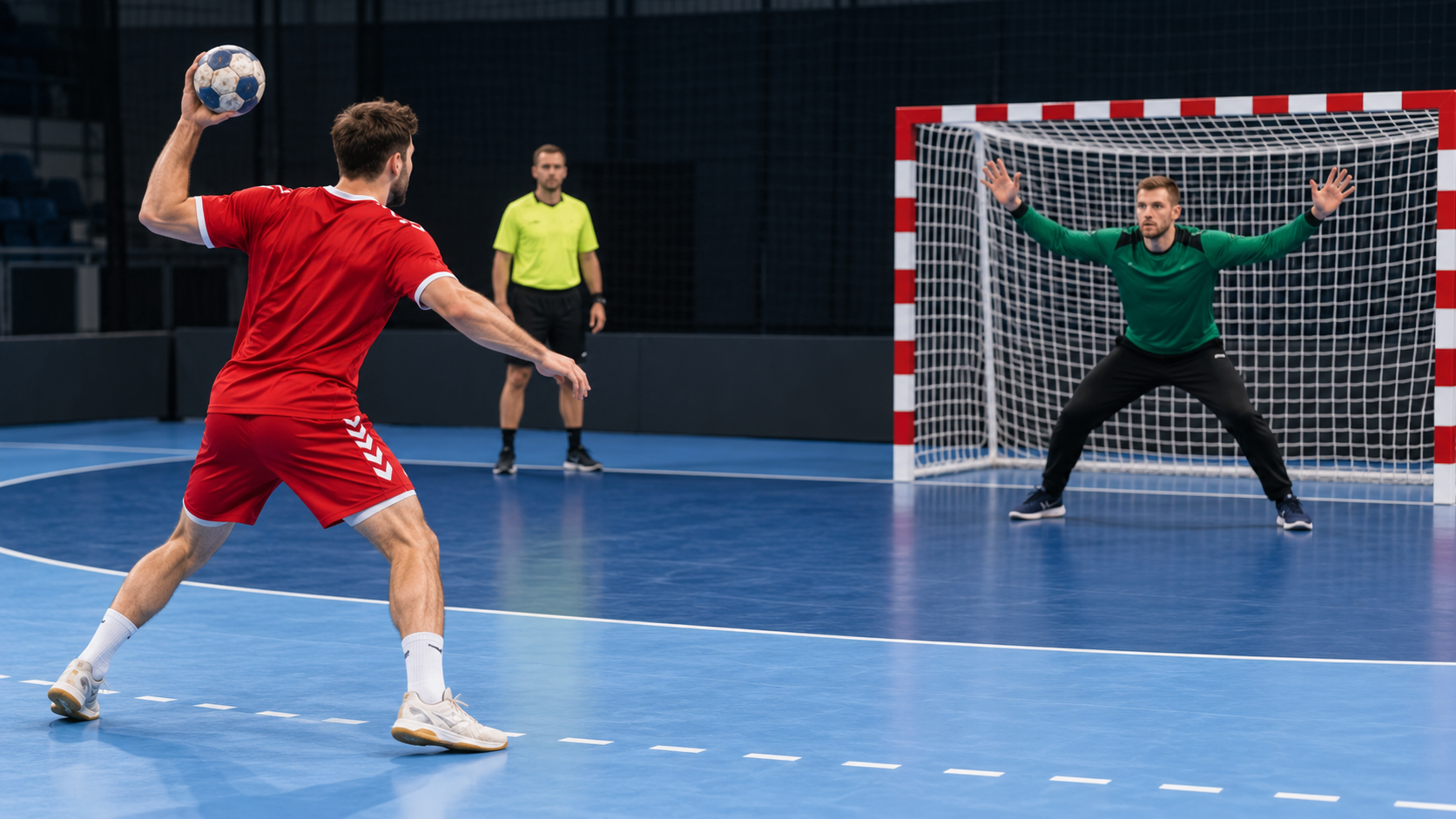
Understand when handball awards a seven-metre throw, where players stand, and how the shooter and goalkeeper must behave.
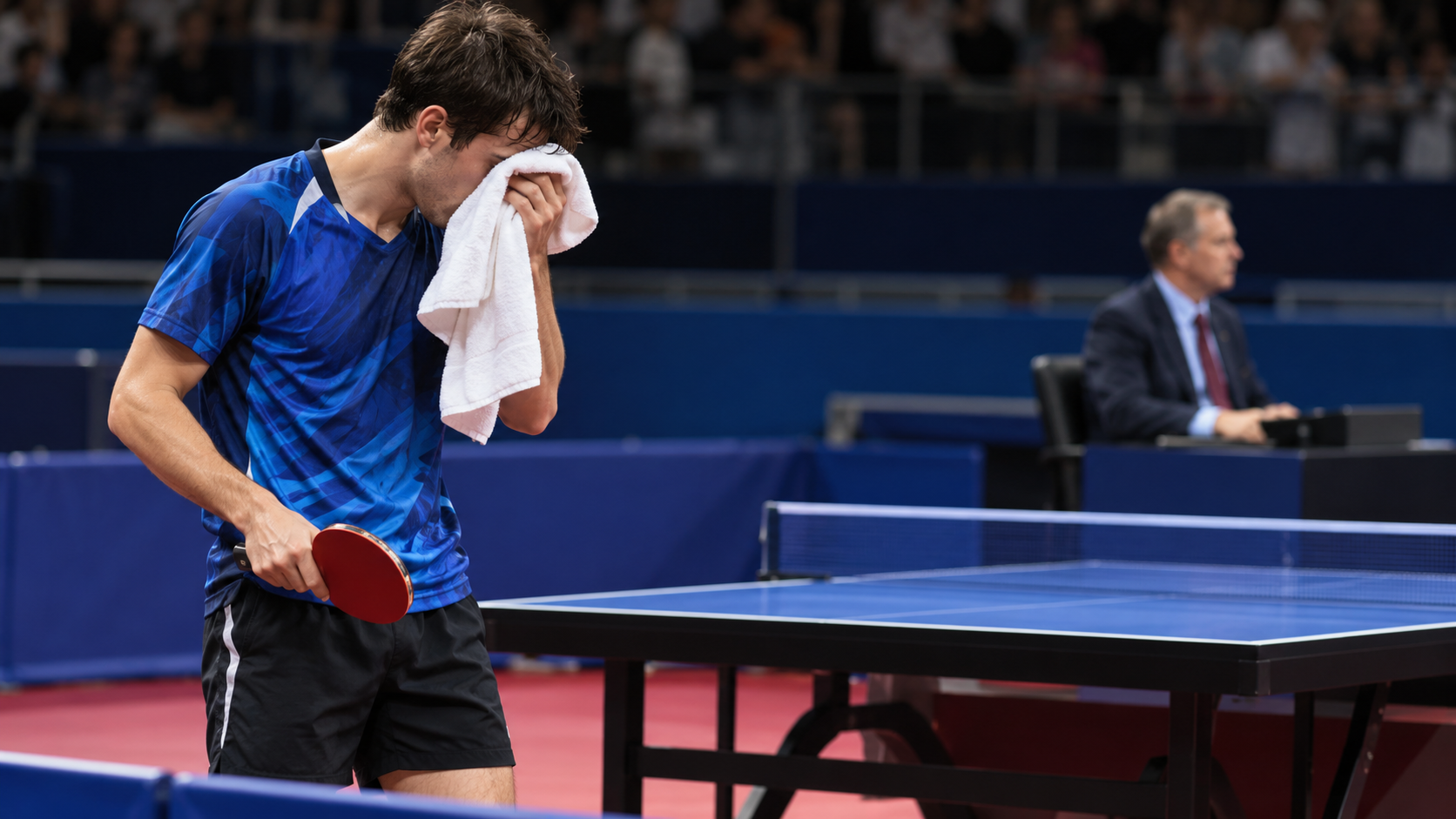
Learn when table tennis players may towel off, how six-point intervals work, and why officials control unscheduled breaks.
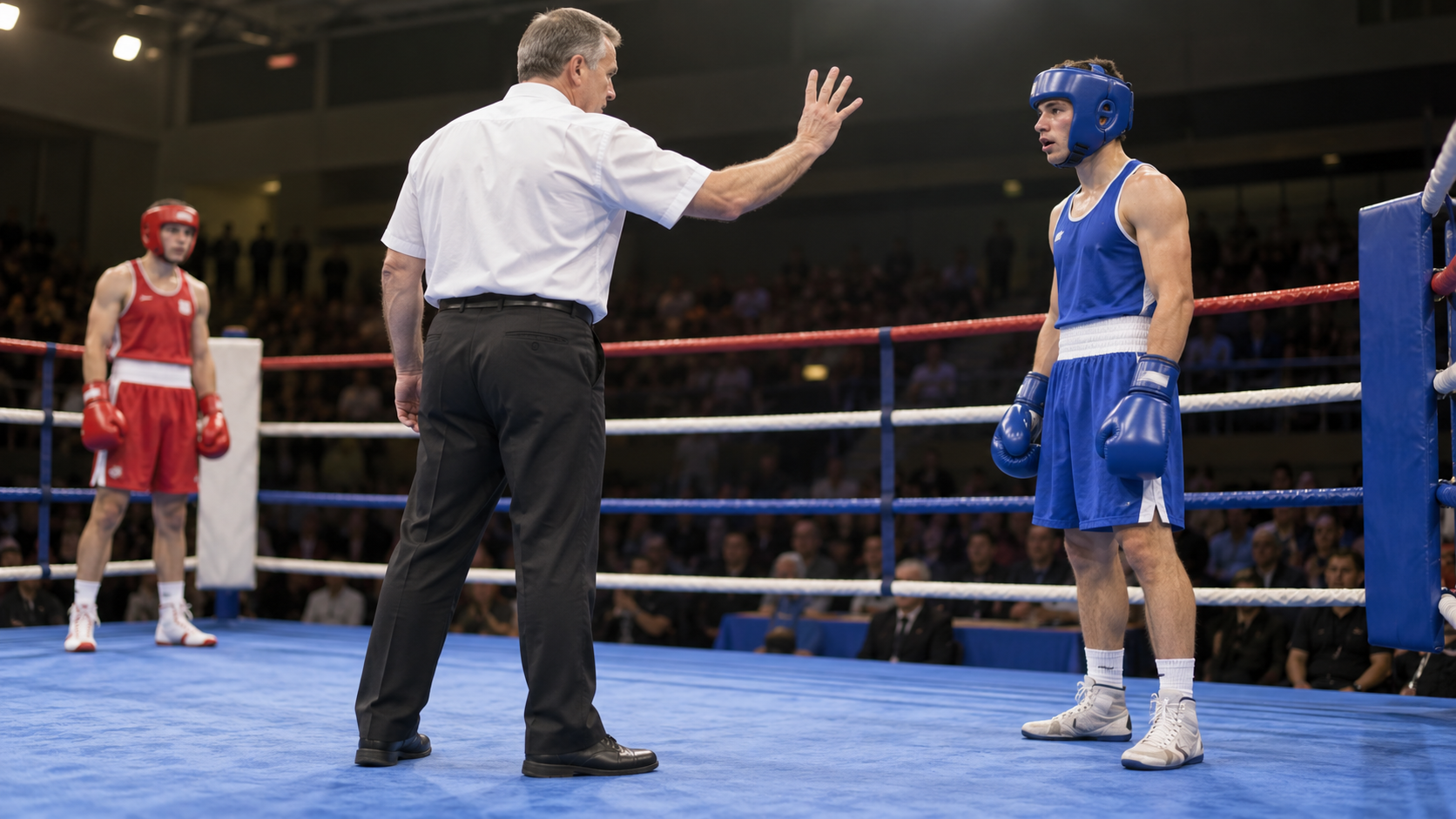
Learn why a boxing referee may begin a count while a boxer remains standing, what the count evaluates, and when a bout stops.
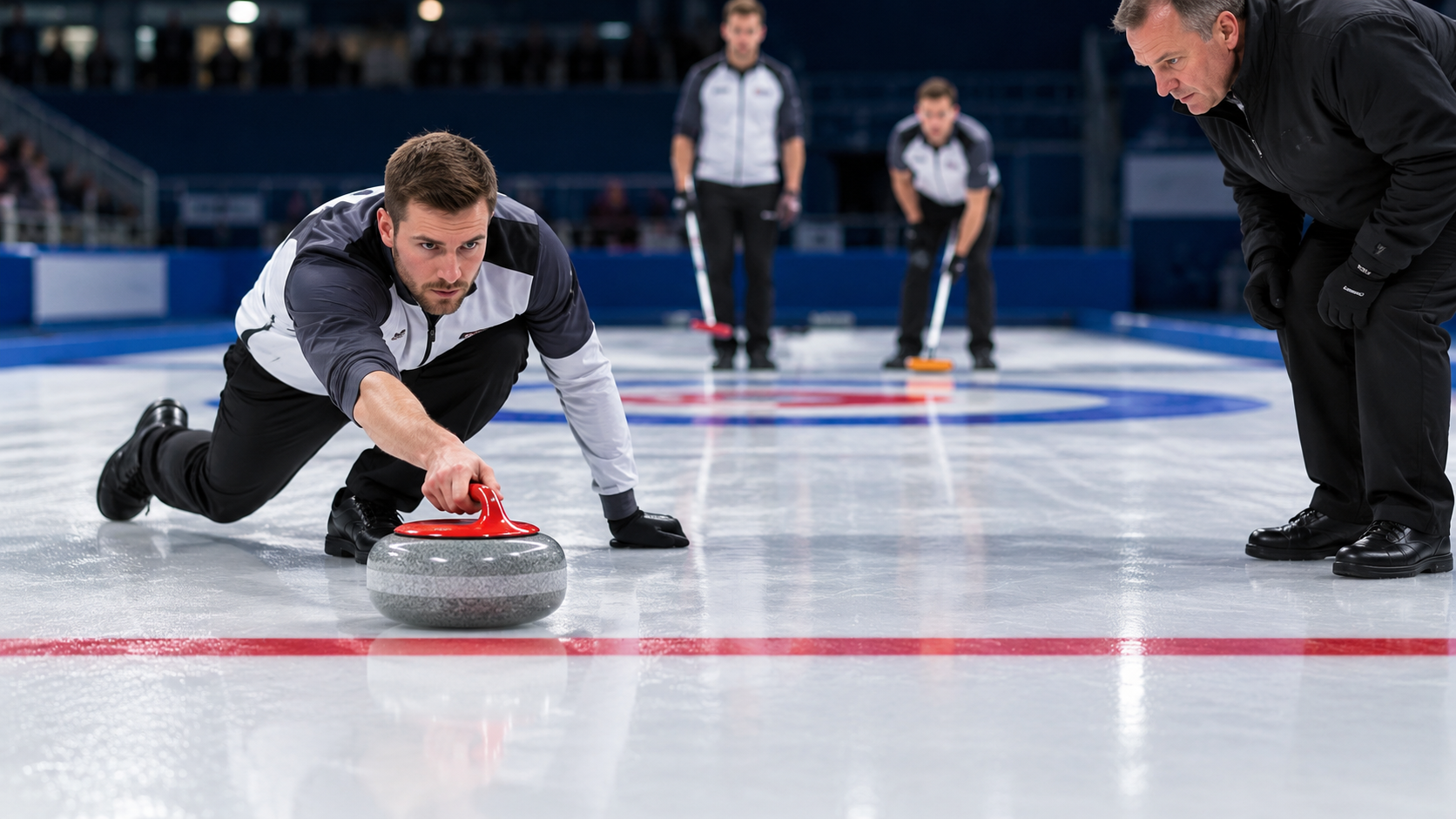
Understand when a curling stone must be released, how electronic handles can detect violations, and why the stone is removed.
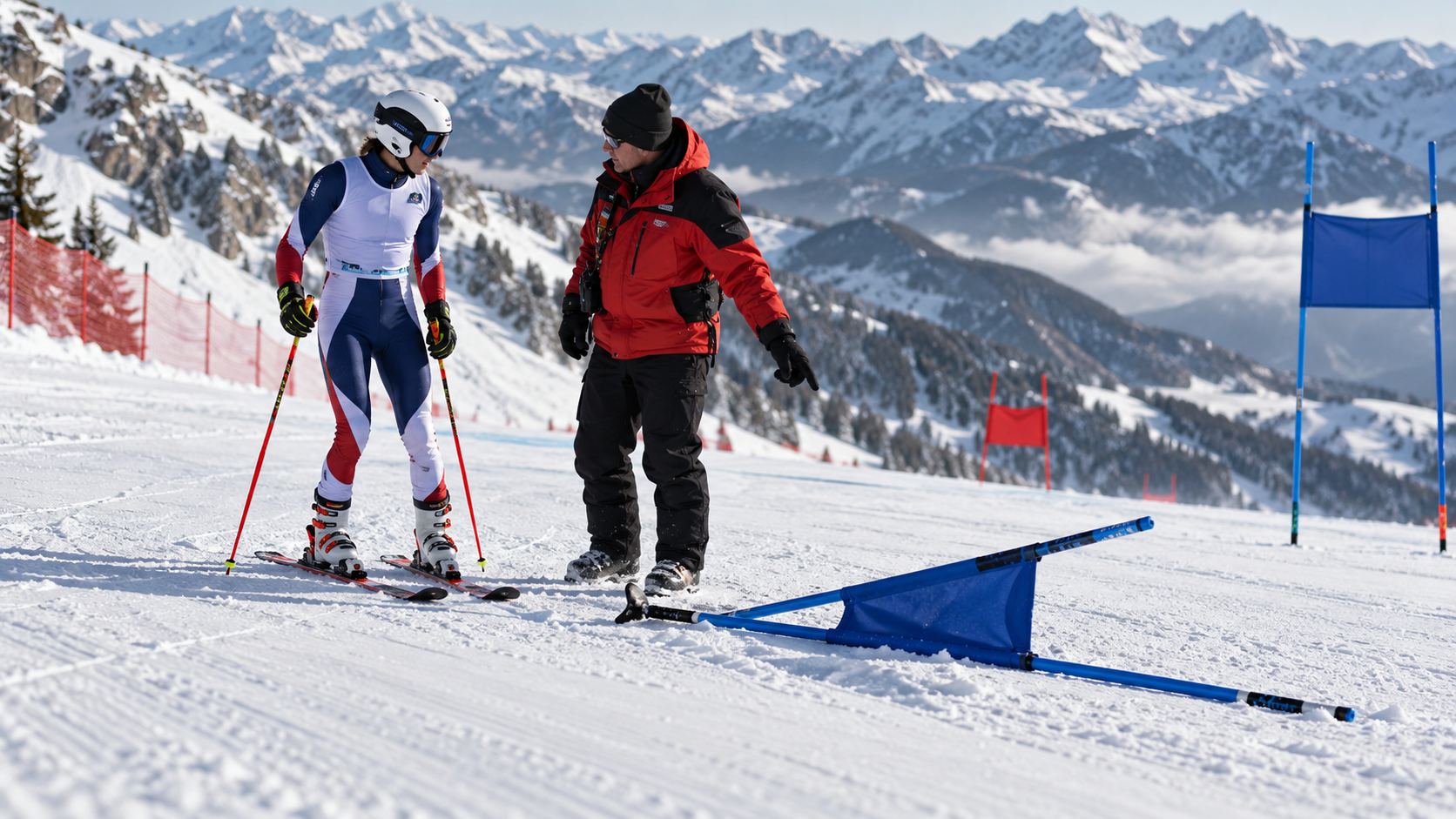
Learn when an alpine skier may receive a provisional rerun after being obstructed and why the original run may still control the result.