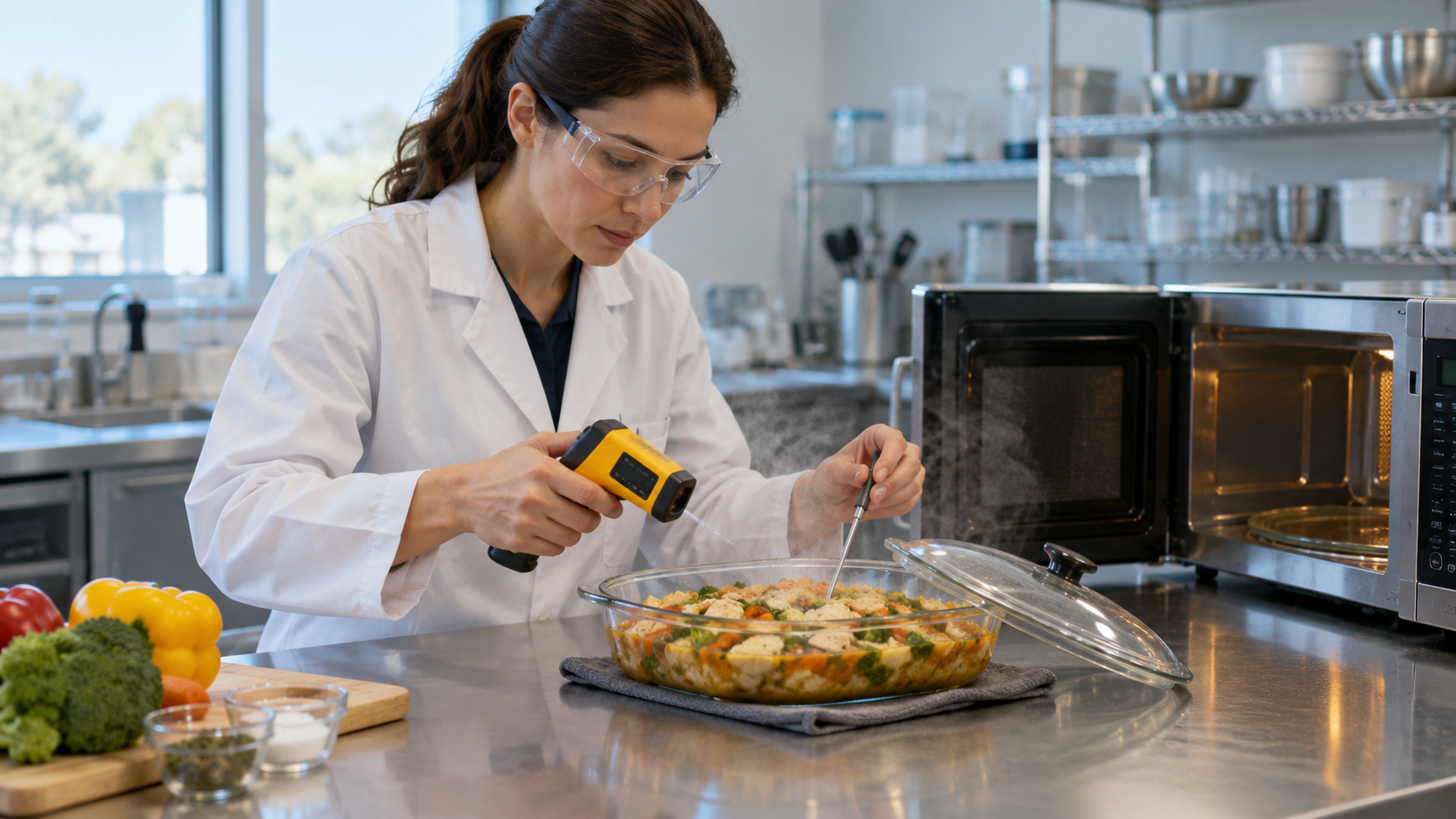
How Microwave Ovens Heat Food
Microwave ovens create oscillating electric fields that make polar molecules and mobile ions dissipate energy as heat.

Don't Just Read it – Explore It

Ice-T says his reduced screen time on this season of “Law & Order: SVU” comes down to budgeting and cast…

Breaking Rust is a computer-generated country artist whose song “Walk My Walk” just hit No. 1 on Billboard’s Country Digital…

Loading… Key Takeaways The Top 10 cutest cat breeds blend striking physical features with warm, affectionate personalities that appeal to…

Elon Musk says artificial intelligence and advanced robotics could make traditional work optional within the next 10–20 years. Speaking at…

The founder of Yara AI, a mental-health chatbot, has shut the app down after concluding it posed unacceptable risks to…

Black Friday isn’t the blockbuster shopping event it once was. Retailers have stretched deals across weeks, foot traffic is flat,…

Mick Jagger, now 82, continues to perform with remarkable stamina thanks to a highly disciplined lifestyle centered on daily movement,…
Microwave ovens create oscillating electric fields that make polar molecules and mobile ions dissipate energy as heat.
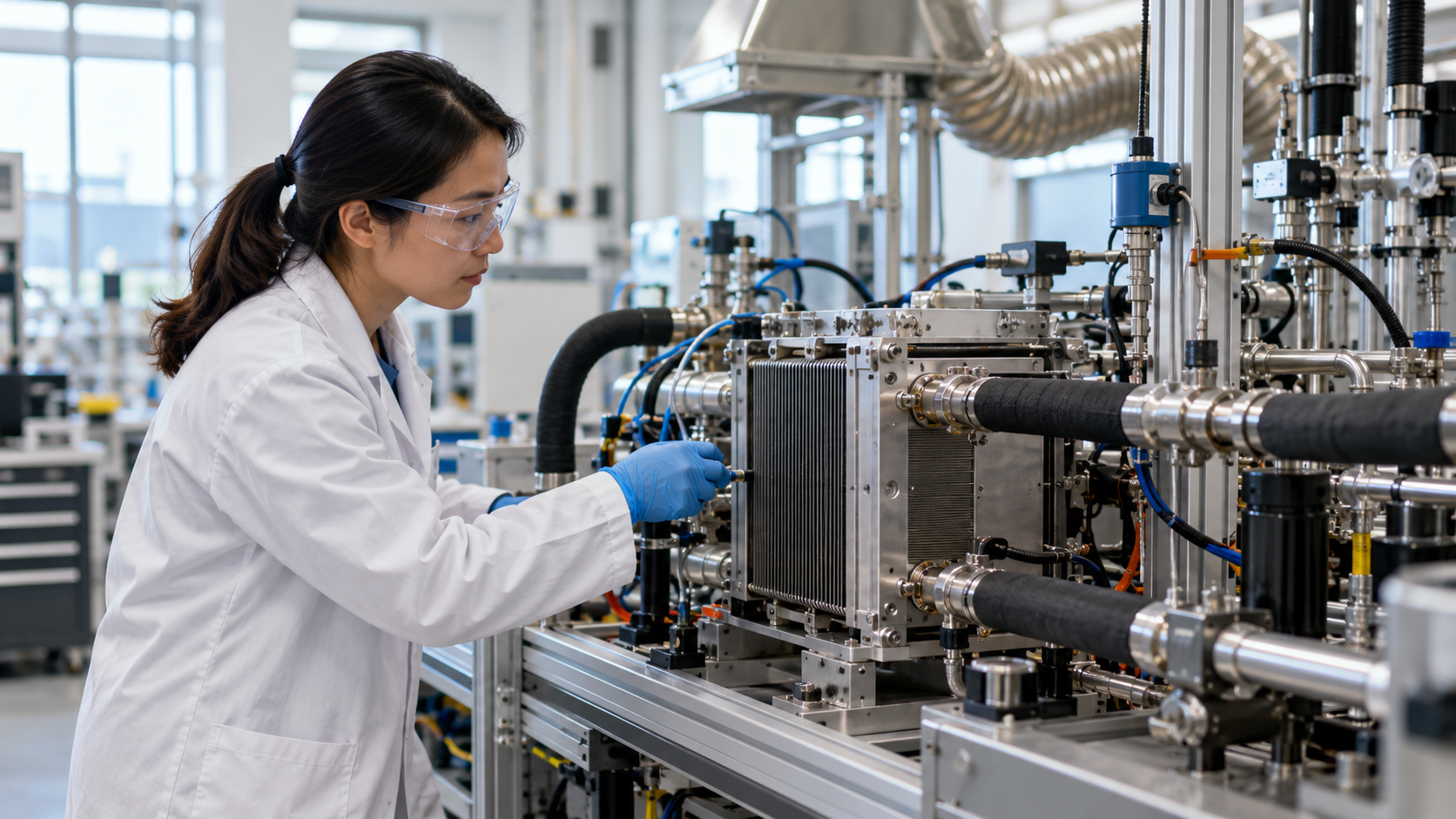
Fuel cells convert chemical energy to electricity through separated oxidation and reduction reactions linked by an external circuit.
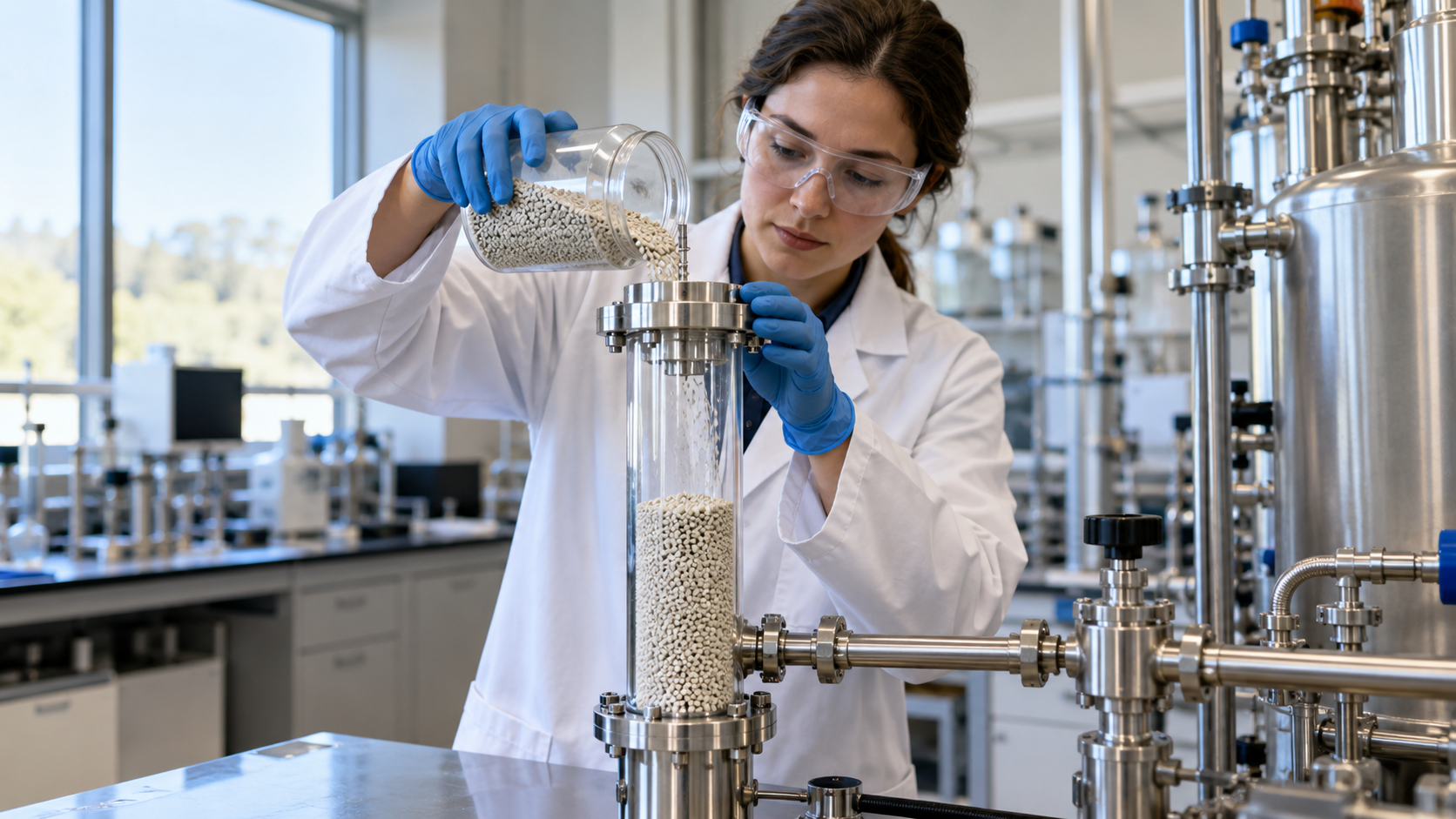
Zeolites use uniform molecular-scale pores and charged crystal frameworks to admit, trap, or exchange selected molecules and ions.
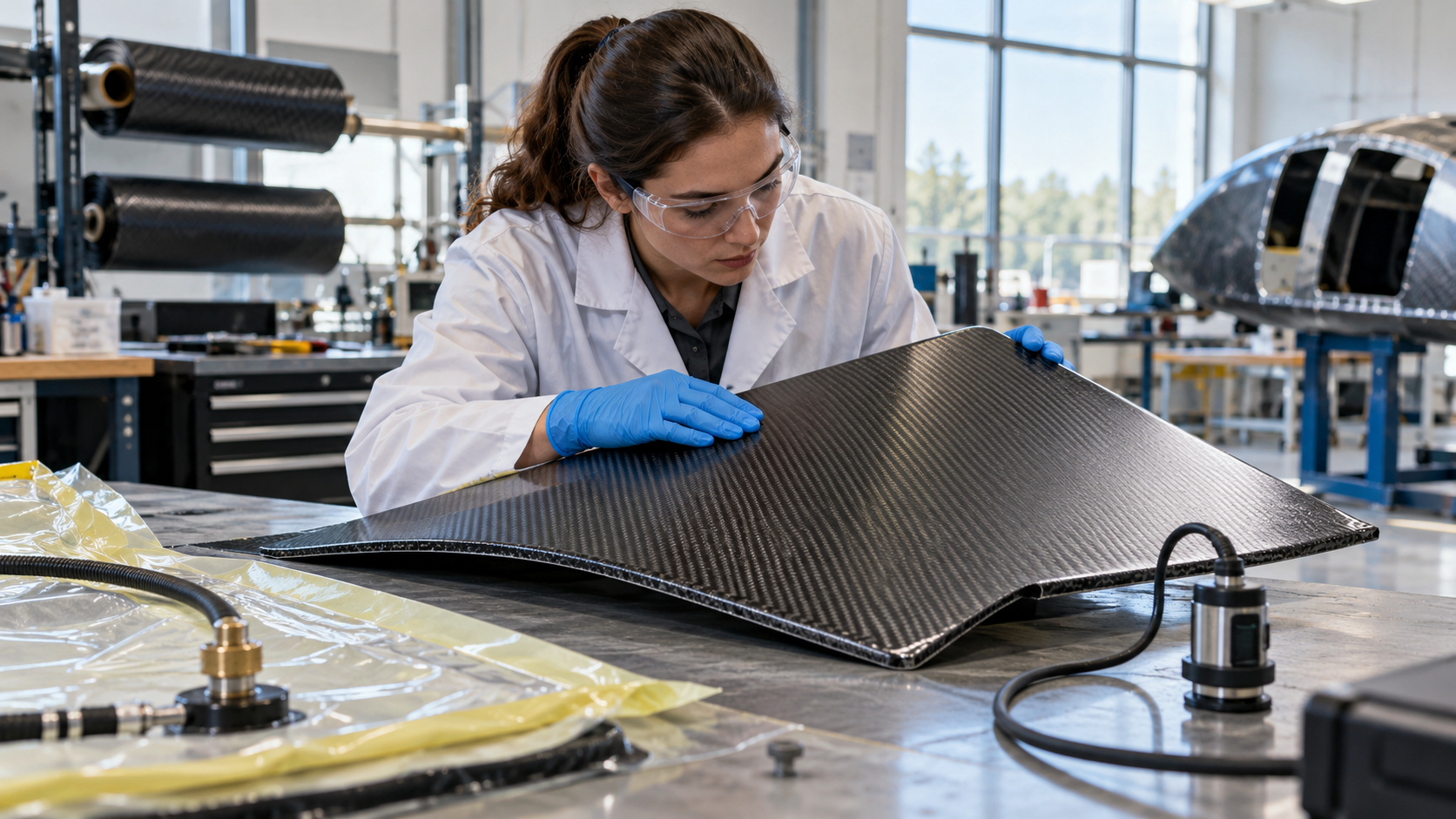
Carbon fiber composites pair stiff, strong fibers with a lightweight polymer matrix that transfers loads and protects the fibers.
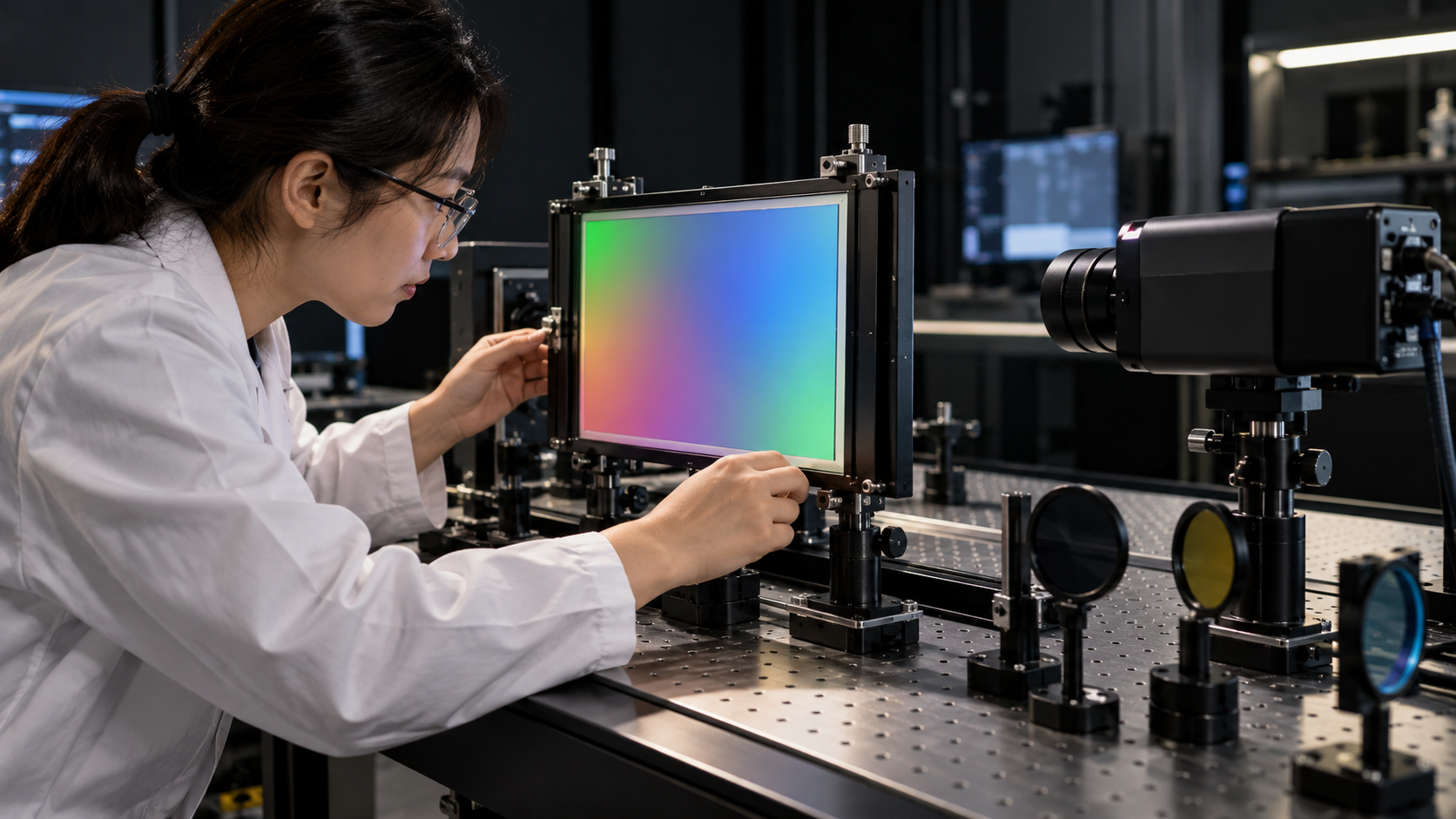
LCD pixels use electric fields to reorient liquid-crystal molecules and control how much polarized backlight reaches the viewer.
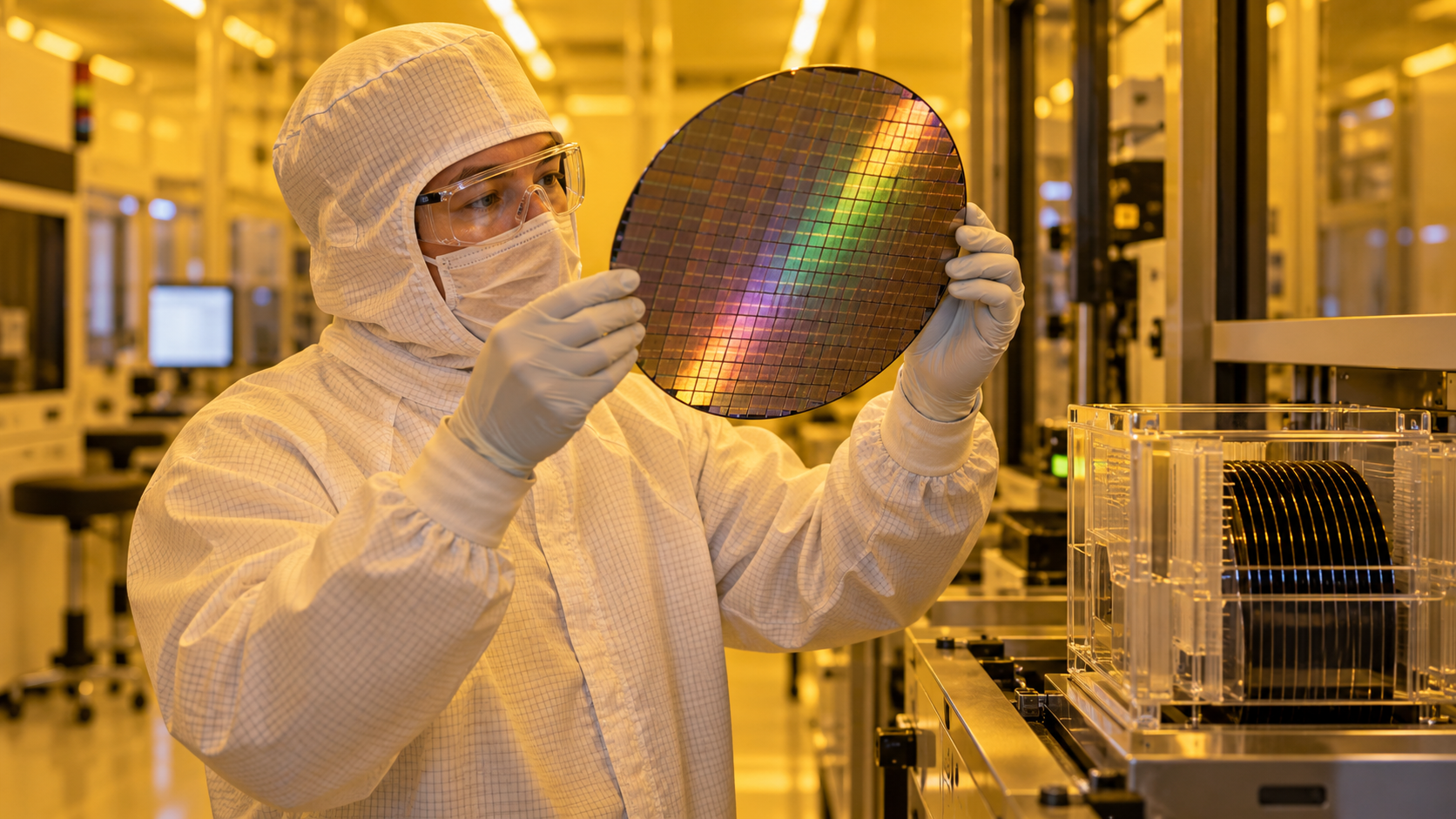
Semiconductor doping adds tiny amounts of selected atoms that change the number and type of mobile charge carriers.
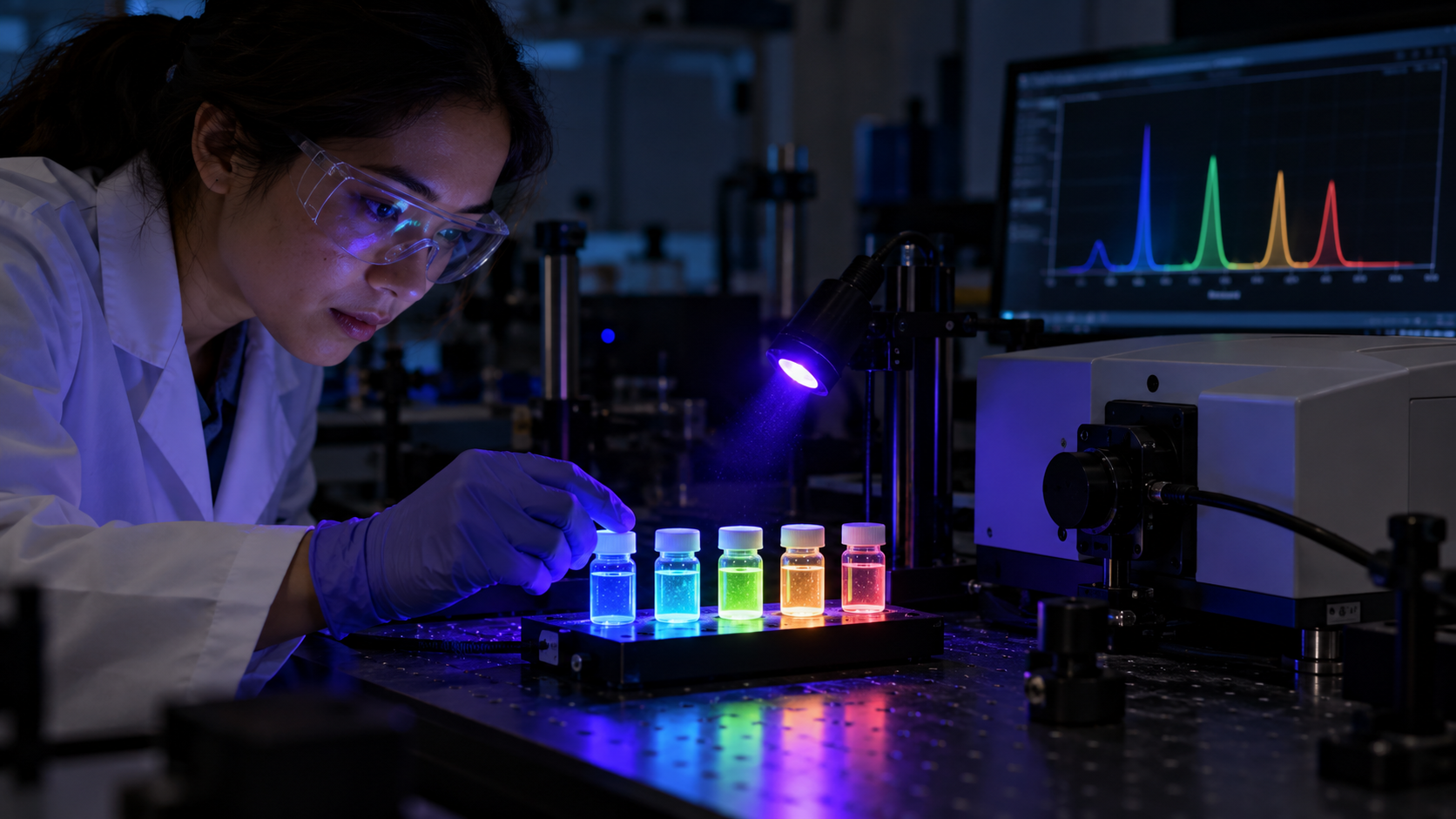
Fluorescence occurs when a material absorbs higher-energy light and quickly releases part of that energy as longer-wavelength light.
Viruses buy time by hiding molecular signals, blocking interferon pathways, altering antigens, and disrupting immune recognition.
Phagocytes recognize microbial targets, wrap them in membrane, and fuse the resulting compartment with destructive cellular machinery.
Selective ion channels and concentration gradients create membrane voltage by controlling how charged atoms cross a cell membrane.
Microtubules form polarized tracks that kinesin and dynein motors use to carry vesicles, proteins, and organelles through cells.
Autophagy encloses selected cell material in membranes, delivers it to lysosomes, and recovers reusable molecular building blocks.