How Supernovae Explode
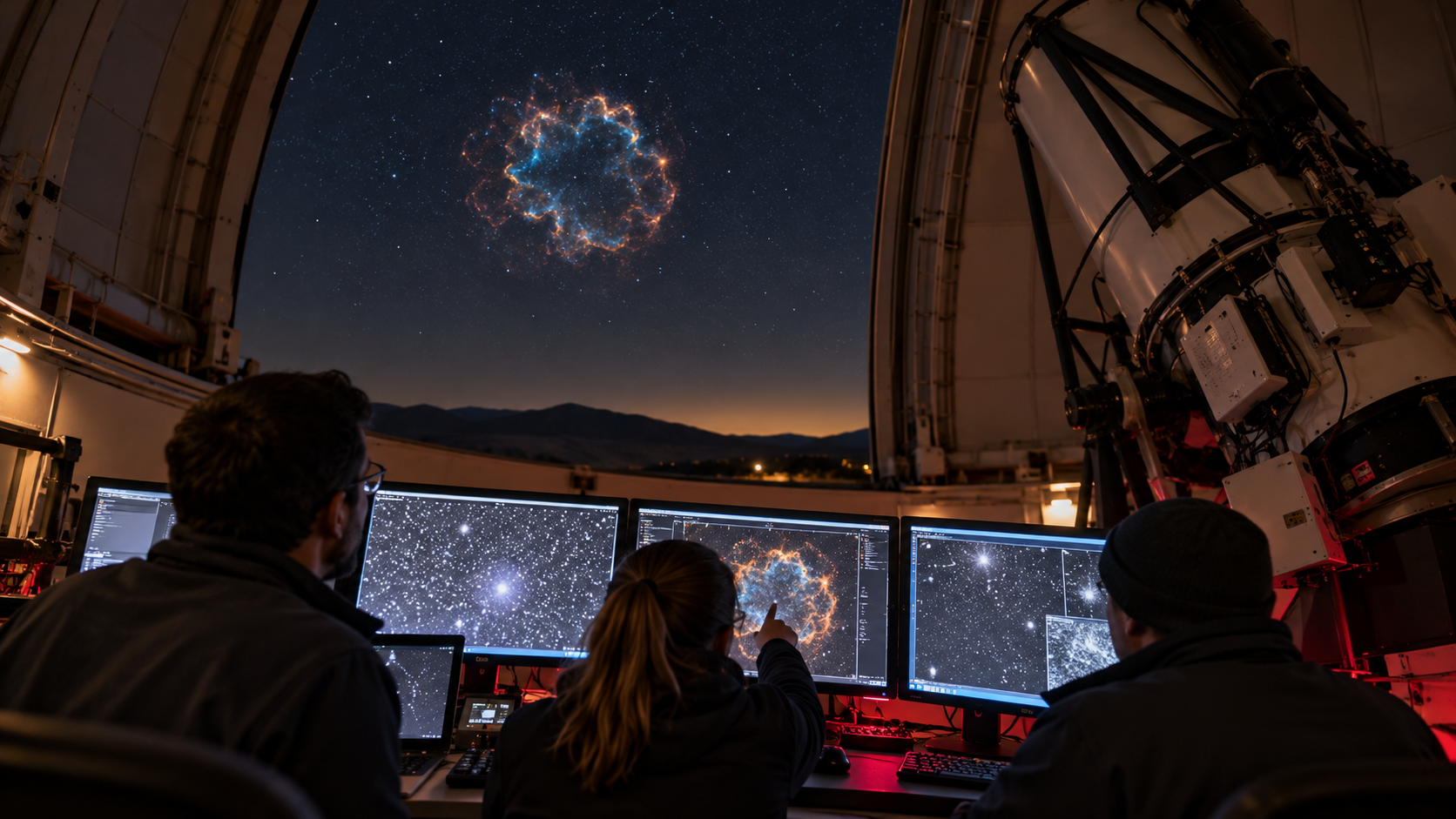
Supernovae occur through core collapse in massive stars or runaway thermonuclear burning in white dwarfs, releasing enormous energy.

Don't Just Read it – Explore It

Ice-T says his reduced screen time on this season of “Law & Order: SVU” comes down to budgeting and cast…

Breaking Rust is a computer-generated country artist whose song “Walk My Walk” just hit No. 1 on Billboard’s Country Digital…

Loading… Key Takeaways The Top 10 cutest cat breeds blend striking physical features with warm, affectionate personalities that appeal to…

Elon Musk says artificial intelligence and advanced robotics could make traditional work optional within the next 10–20 years. Speaking at…

The founder of Yara AI, a mental-health chatbot, has shut the app down after concluding it posed unacceptable risks to…

Black Friday isn’t the blockbuster shopping event it once was. Retailers have stretched deals across weeks, foot traffic is flat,…

Mick Jagger, now 82, continues to perform with remarkable stamina thanks to a highly disciplined lifestyle centered on daily movement,…
Supernovae occur through core collapse in massive stars or runaway thermonuclear burning in white dwarfs, releasing enormous energy.
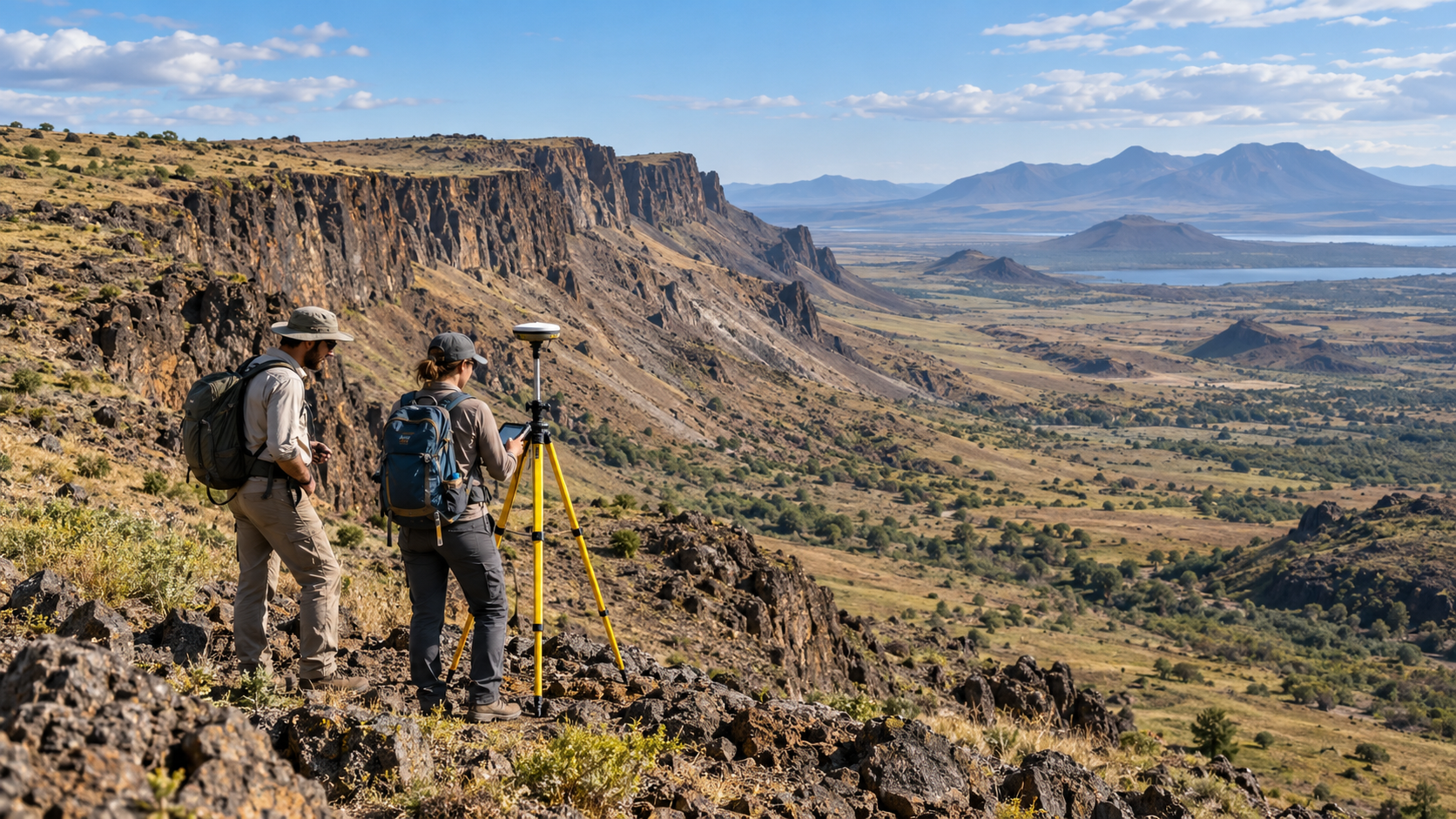
Continental rifting stretches and thins crust until faulting, magma, and seafloor spreading can create a new ocean basin.
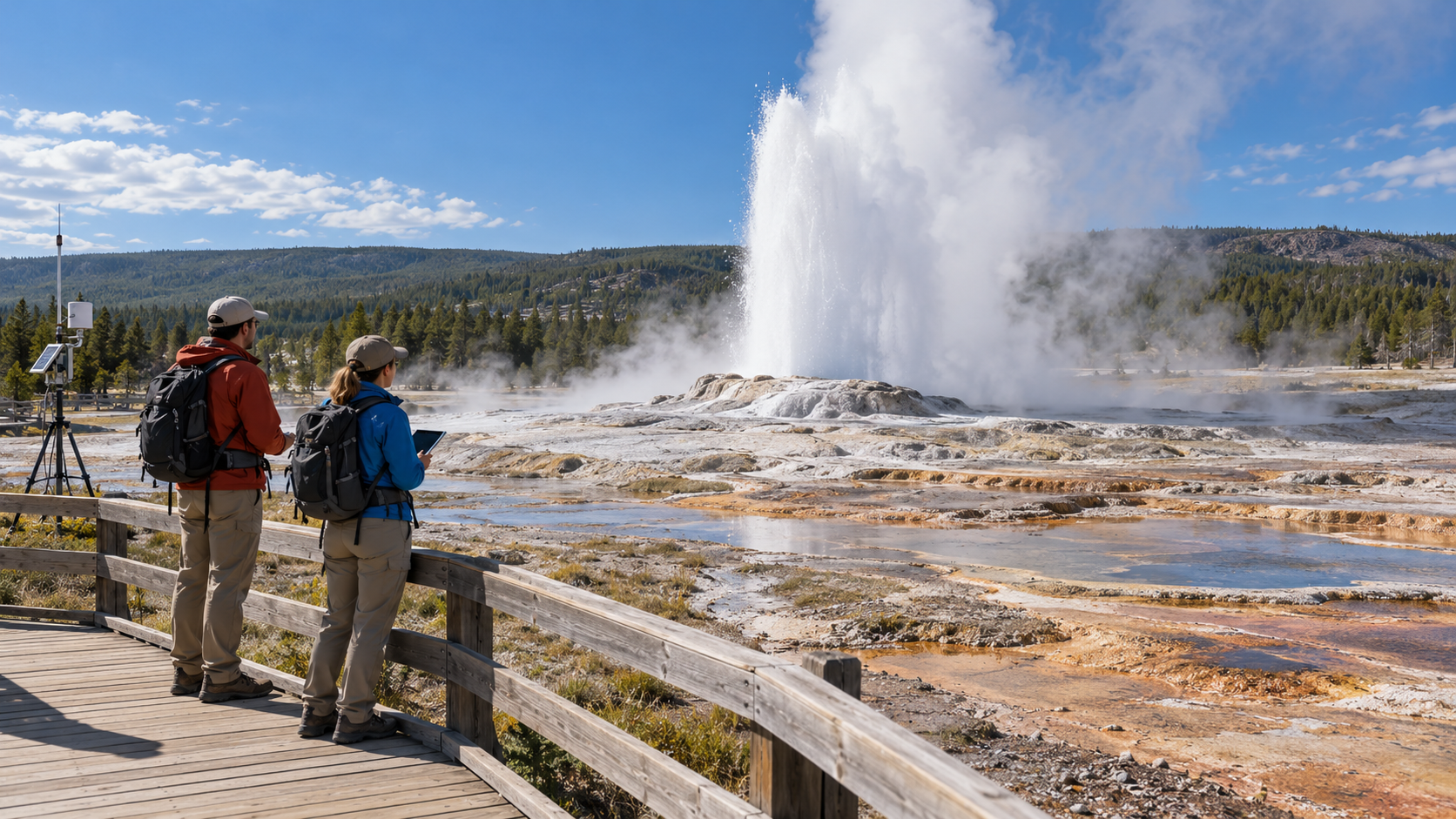
Geysers erupt when underground water is heated under pressure, becomes superheated, and triggers a runaway expansion of steam.
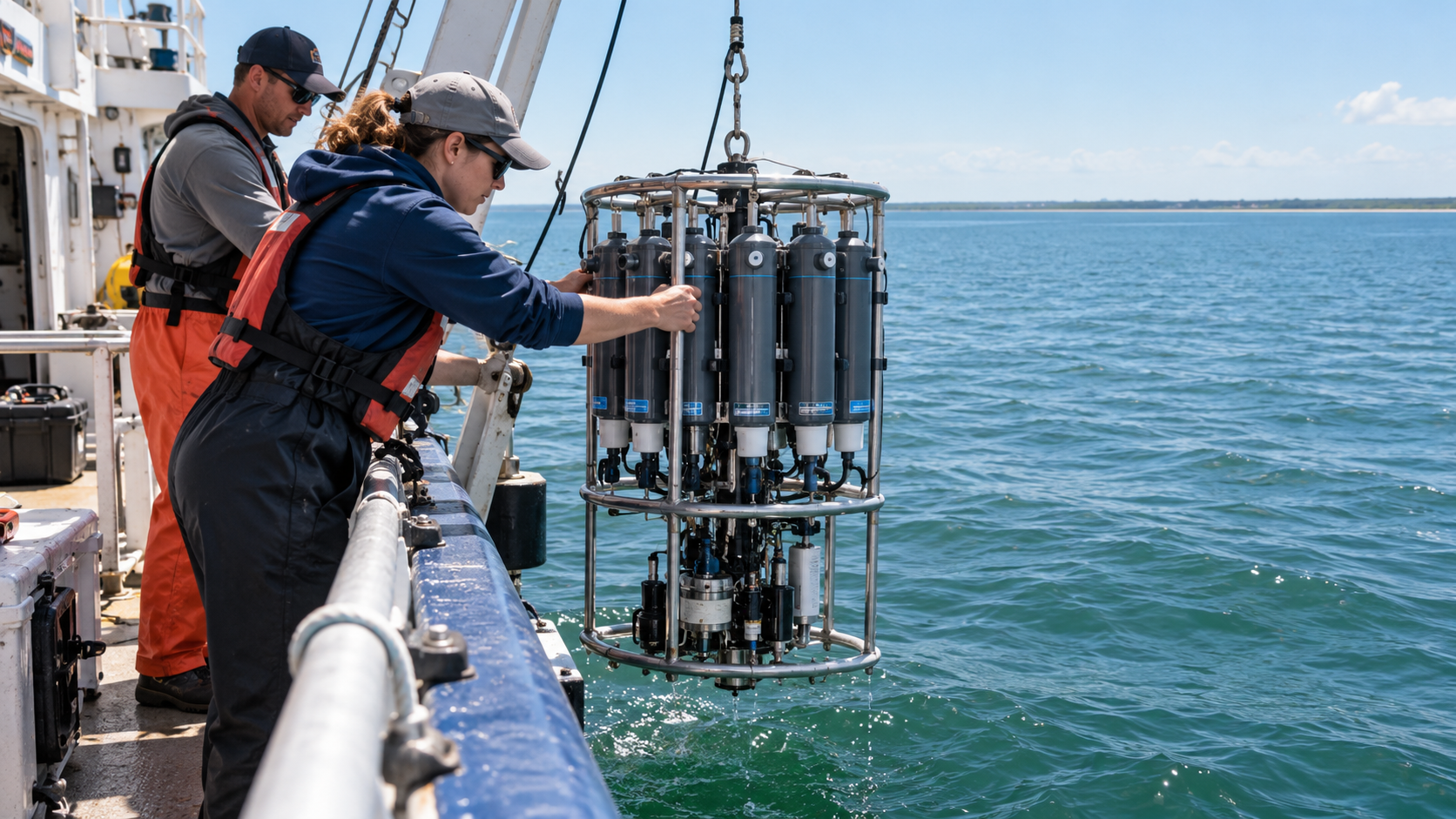
Ocean dead zones form when excess nutrients fuel algae whose decomposition consumes dissolved oxygen faster than it is replaced.
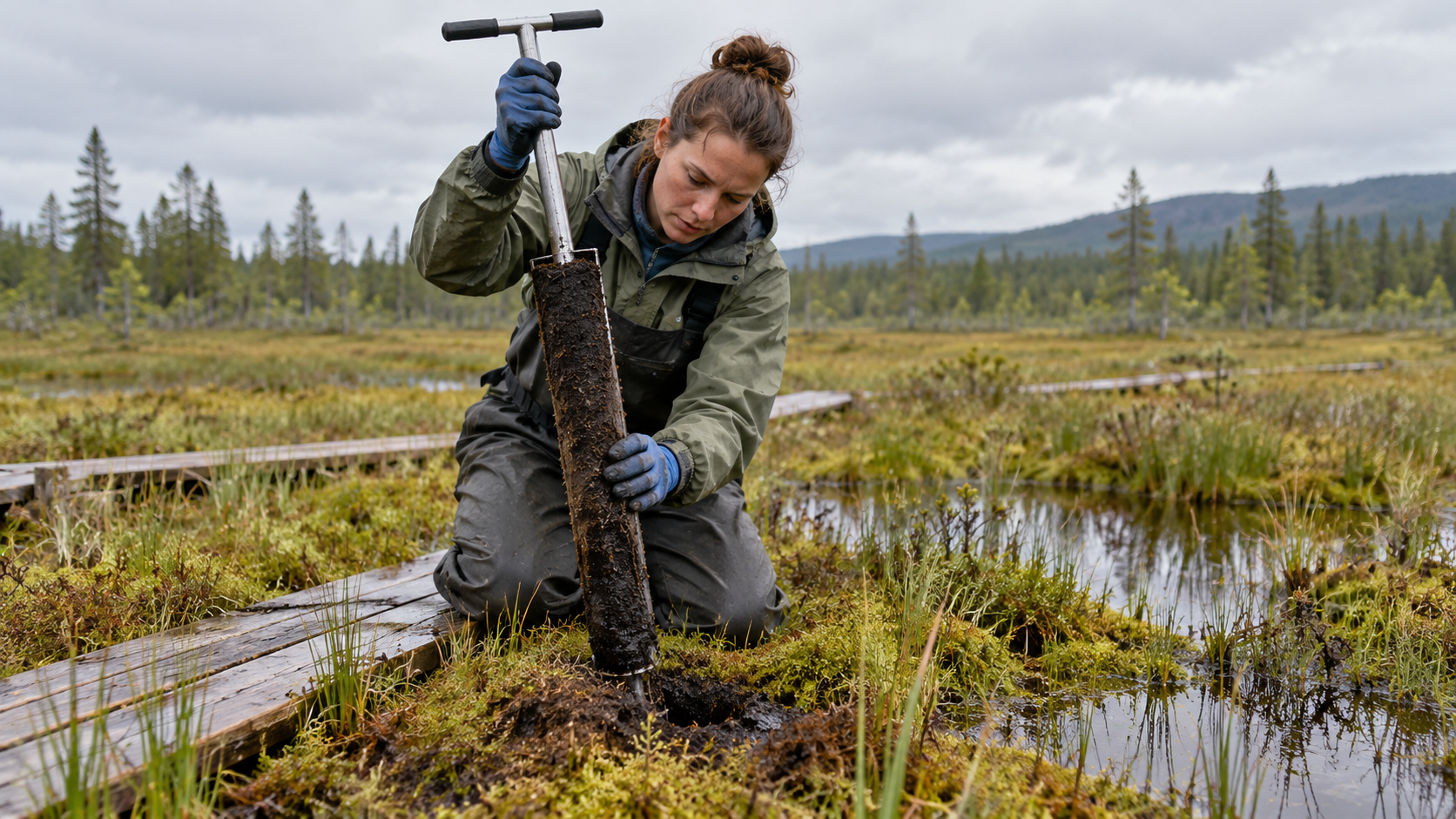
Peatlands store carbon because waterlogged, low-oxygen soils slow decomposition and let partly decayed plant material accumulate.
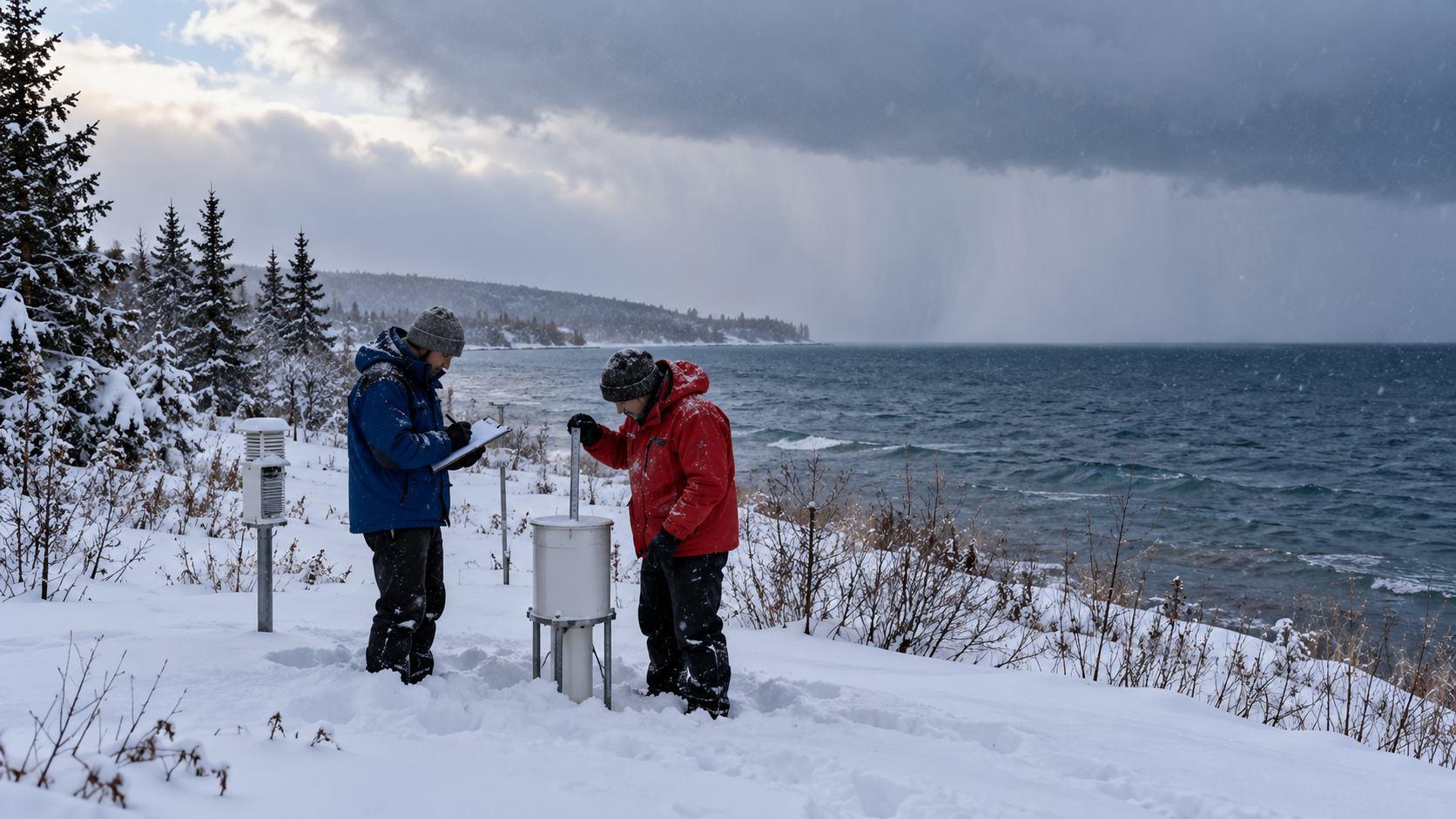
Lake-effect snow forms when cold air crosses warmer open water, gains heat and moisture, then rises and freezes downwind.
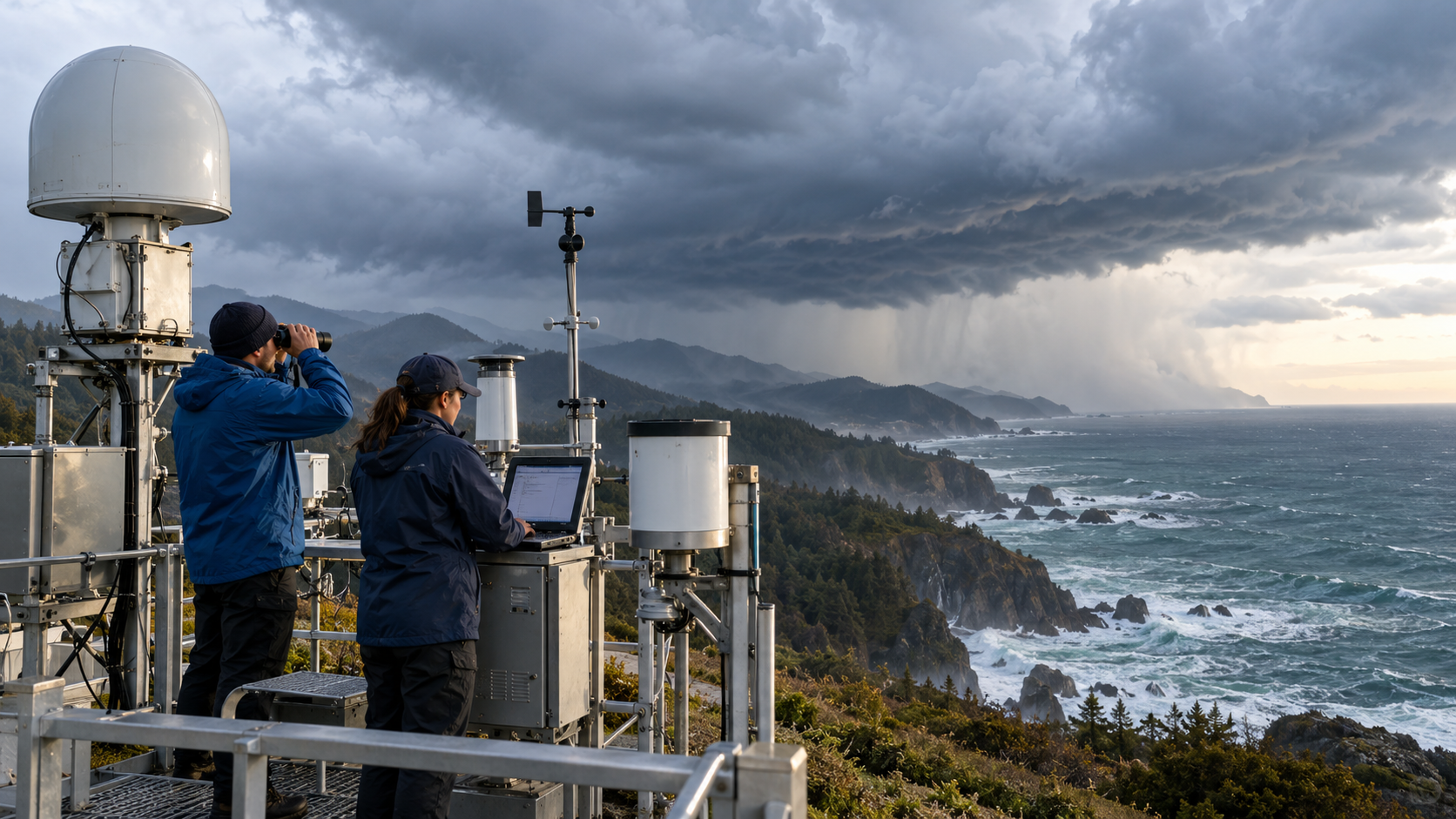
Atmospheric rivers are long, narrow corridors that concentrate water-vapor transport and can deliver heavy rain or mountain snow.
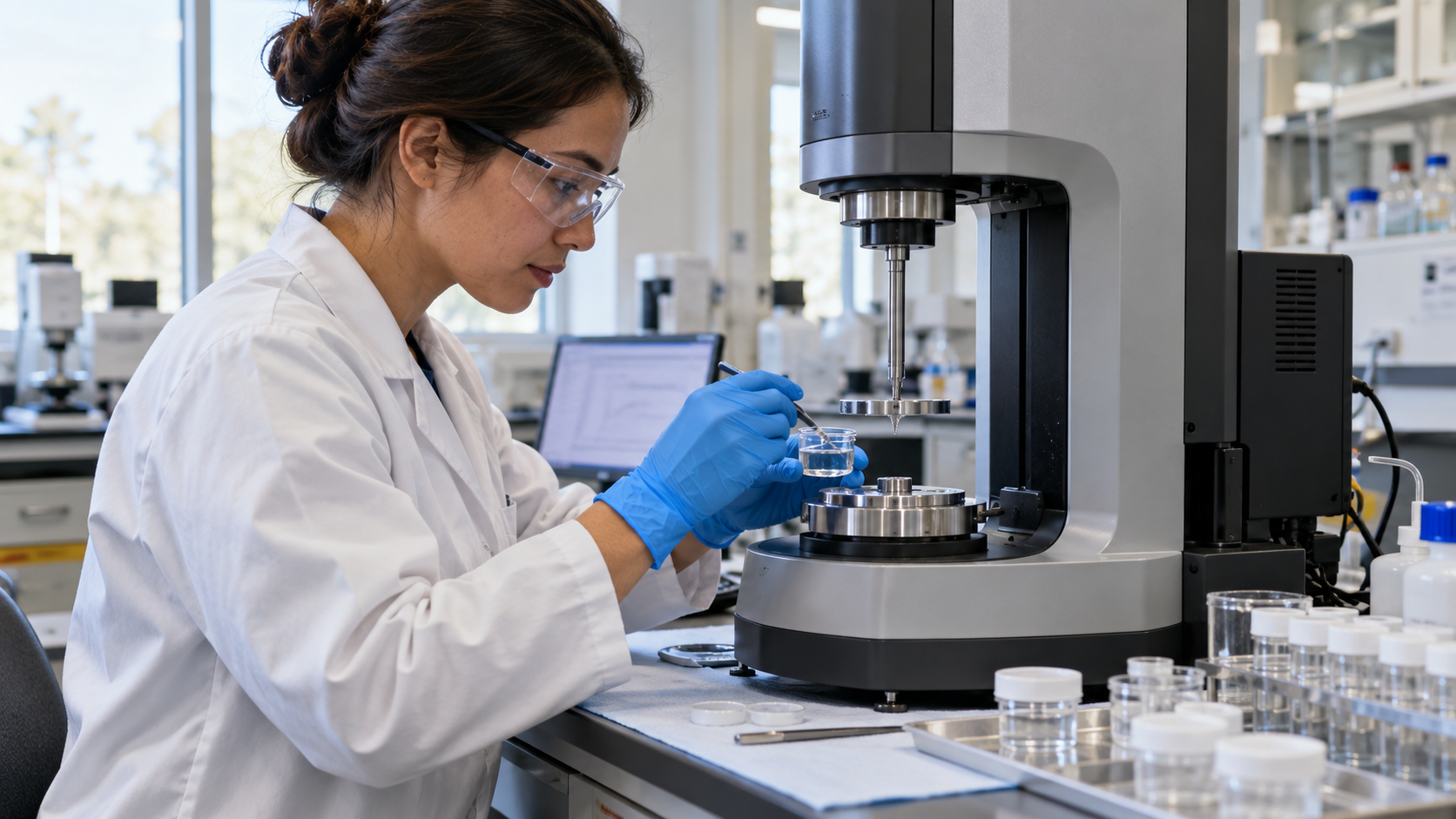
Viscosity measures internal resistance to deformation, shaping how momentum spreads and whether a fluid flows smoothly or turbulently.
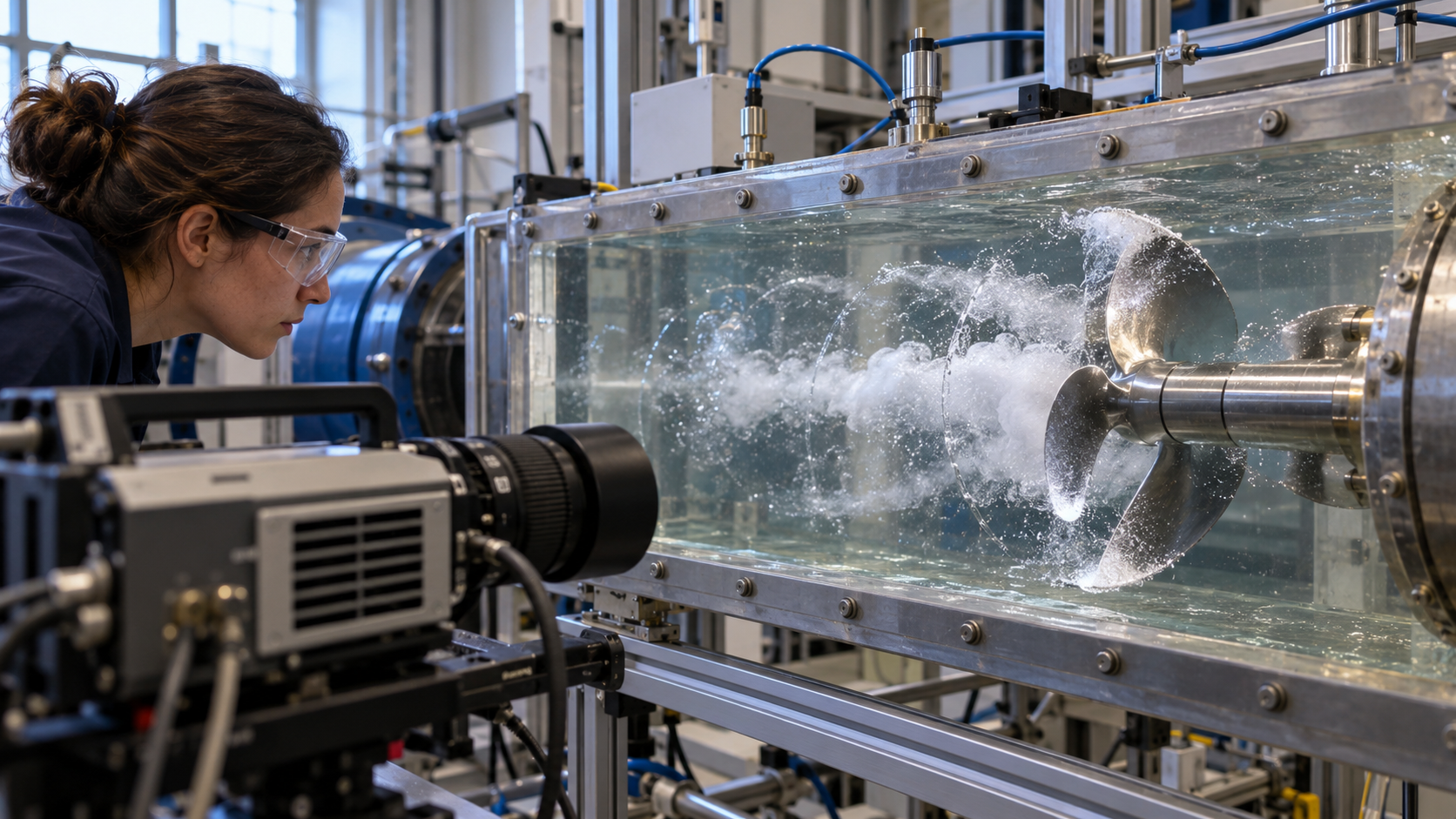
Cavitation begins when local liquid pressure falls enough for vapor pockets to form, then collapse as pressure rises again.
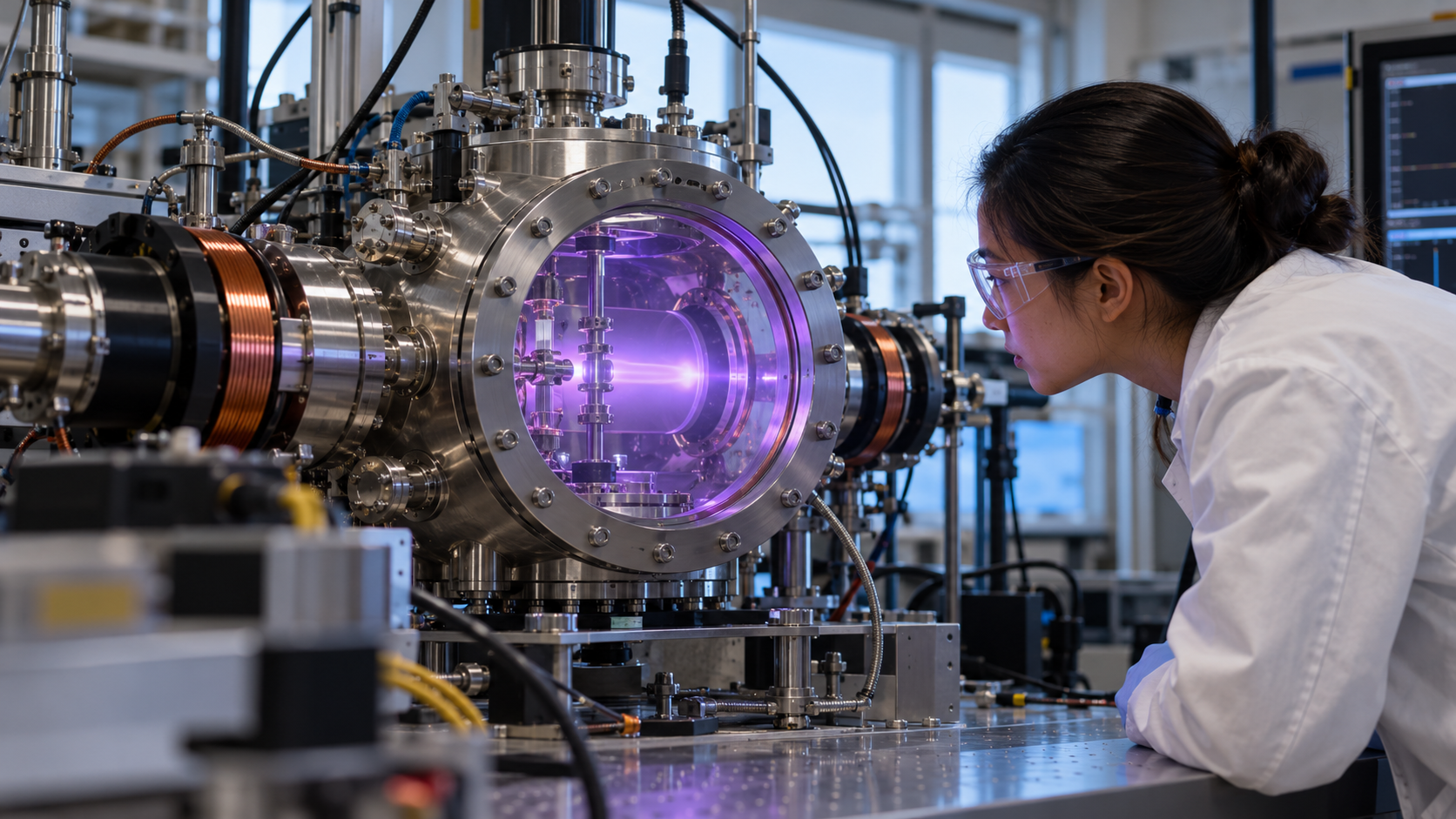
Plasma forms when enough particles in a gas become charged, allowing collective electric and magnetic behavior and strong conductivity.
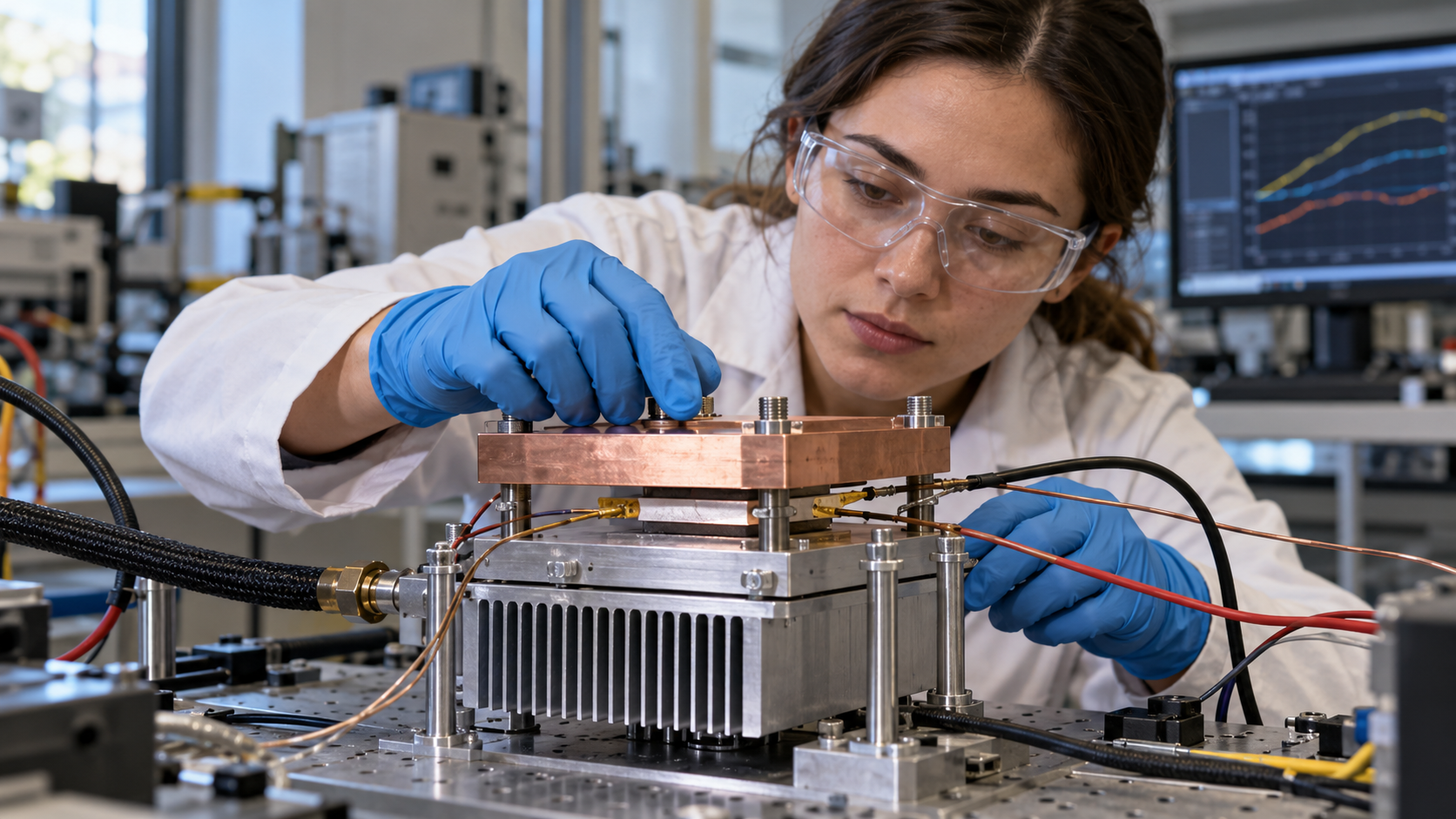
Thermoelectric materials turn a temperature difference into voltage as charge carriers diffuse from hot regions toward cold ones.
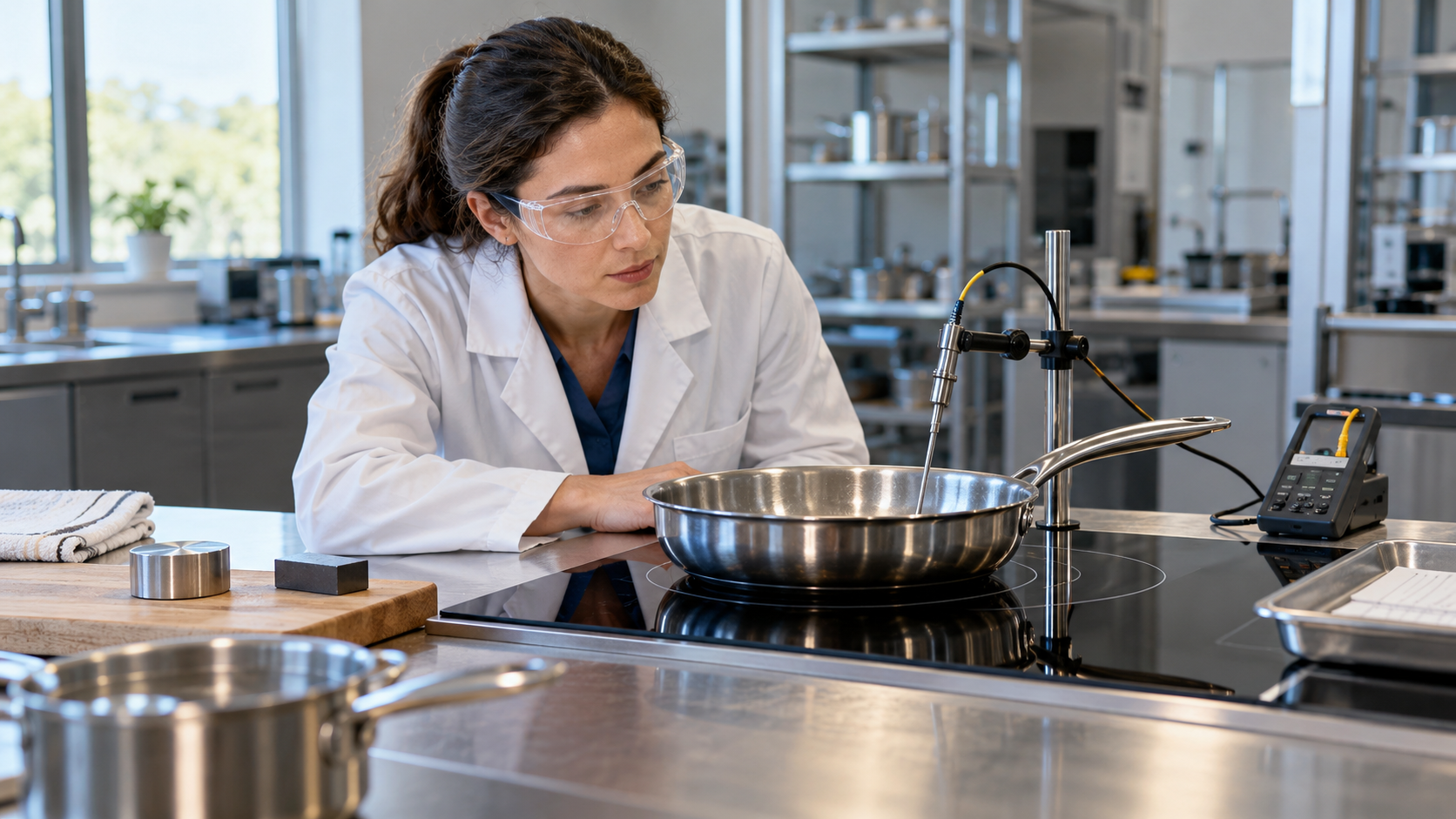
Induction cooktops drive alternating magnetic fields that create electrical currents and magnetic losses directly in compatible cookware.