How Fiber-Optic Cables Carry Information
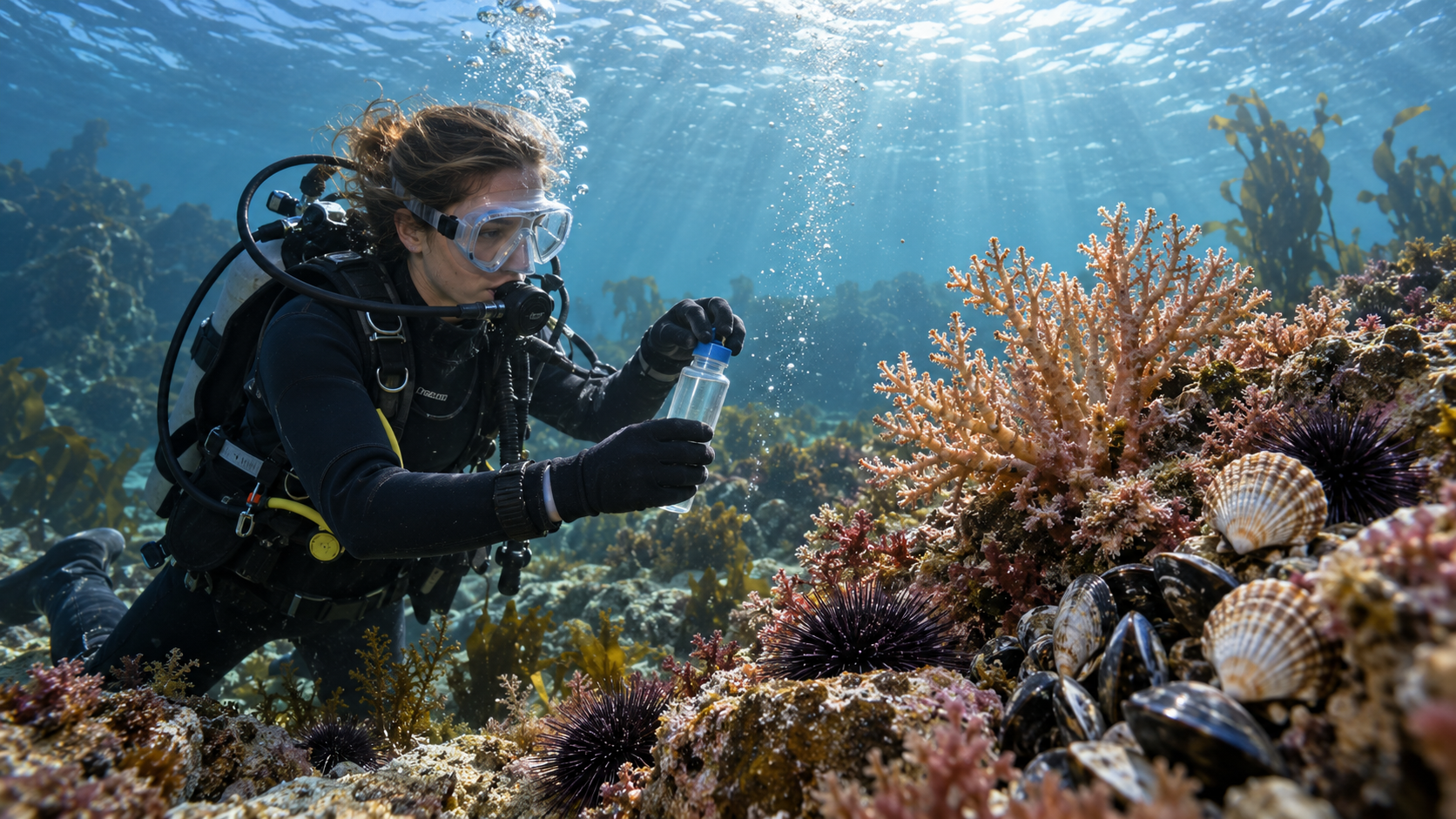
The ocean absorbs carbon dioxide, forming carbonic acid that lowers pH and reduces carbonate ions used by many shell-building organisms.

Don't Just Read it – Explore It

Ice-T says his reduced screen time on this season of “Law & Order: SVU” comes down to budgeting and cast…

Breaking Rust is a computer-generated country artist whose song “Walk My Walk” just hit No. 1 on Billboard’s Country Digital…

Loading… Key Takeaways The Top 10 cutest cat breeds blend striking physical features with warm, affectionate personalities that appeal to…

Elon Musk says artificial intelligence and advanced robotics could make traditional work optional within the next 10–20 years. Speaking at…

The founder of Yara AI, a mental-health chatbot, has shut the app down after concluding it posed unacceptable risks to…

Black Friday isn’t the blockbuster shopping event it once was. Retailers have stretched deals across weeks, foot traffic is flat,…

Mick Jagger, now 82, continues to perform with remarkable stamina thanks to a highly disciplined lifestyle centered on daily movement,…
The ocean absorbs carbon dioxide, forming carbonic acid that lowers pH and reduces carbonate ions used by many shell-building organisms.
The ocean absorbs carbon dioxide, forming carbonic acid that lowers pH and reduces carbonate ions used by many shell-building organisms.
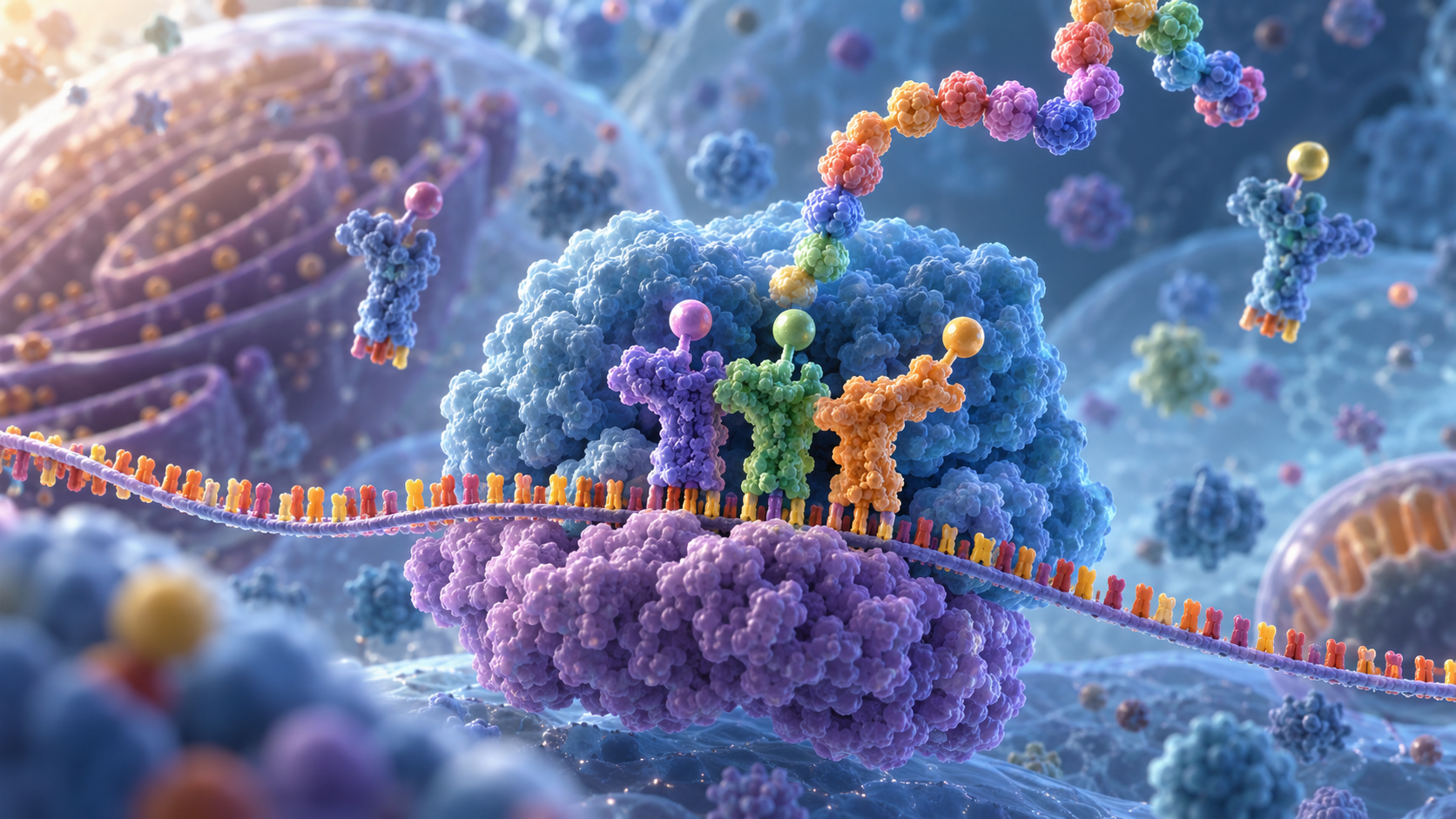
Ribosomes translate the codon sequence of messenger RNA and link amino acids delivered by transfer RNAs into a protein.
pH expresses hydrogen-ion activity on a logarithmic scale, while buffers resist abrupt changes by accepting or releasing protons.
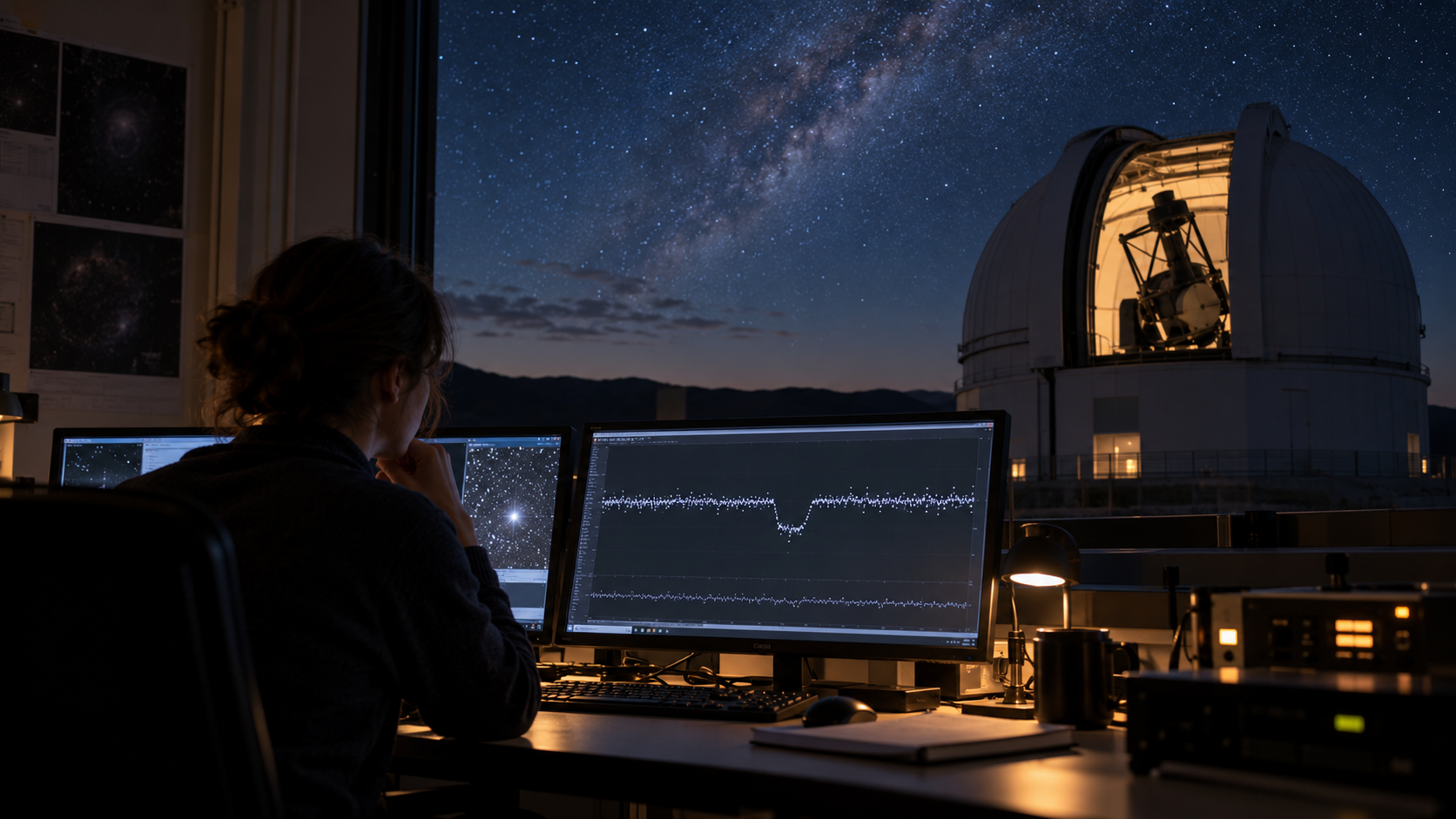
Astronomers find some exoplanets by measuring the tiny, repeating dip in starlight that occurs when a planet crosses its star.
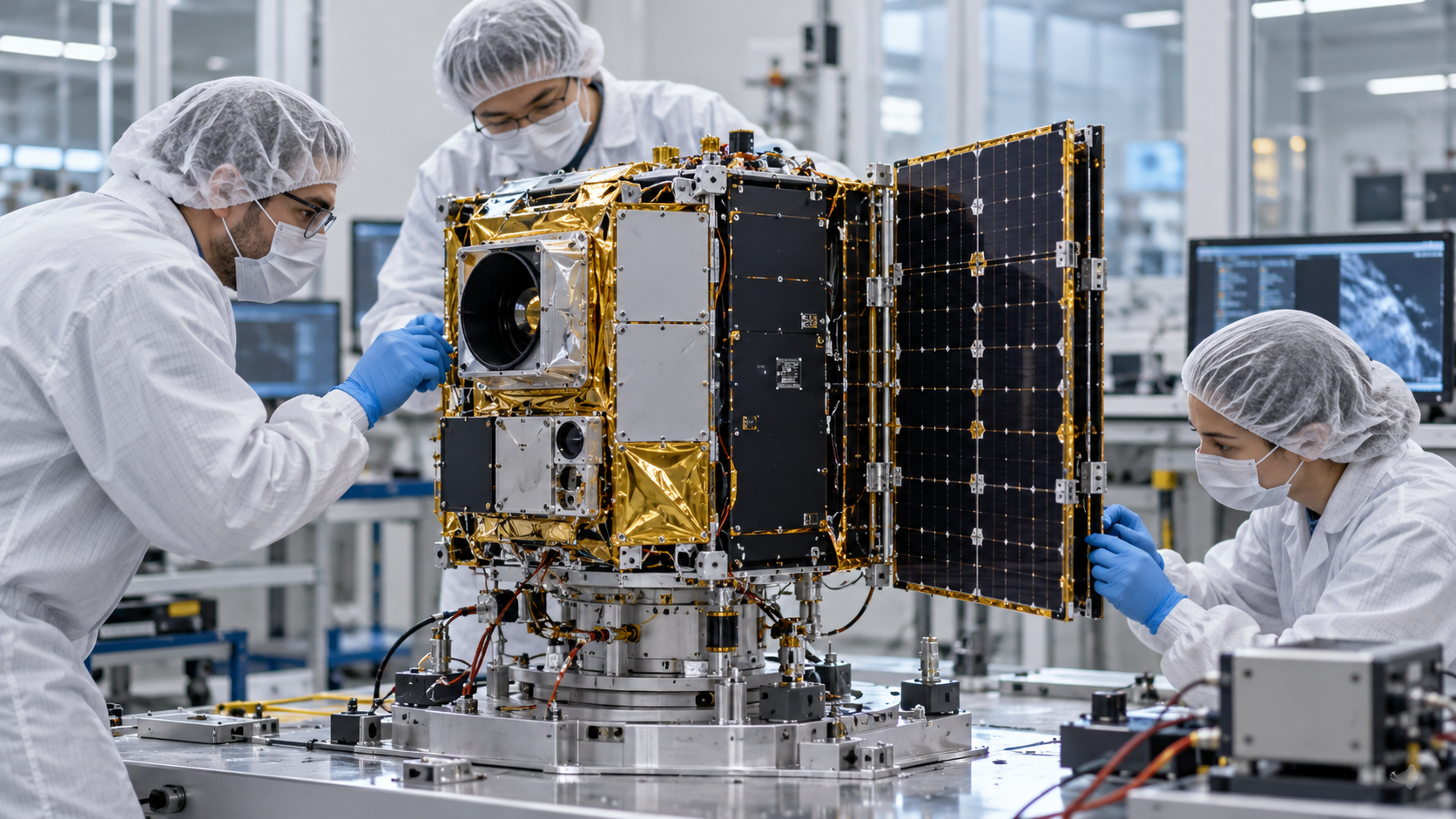
A satellite stays in orbit by moving sideways fast enough that gravity continually bends its falling path around Earth instead of into the ground.
Annual tree-ring width and wood properties record how local growing conditions affected a tree, creating dated archives that can extend climate records.
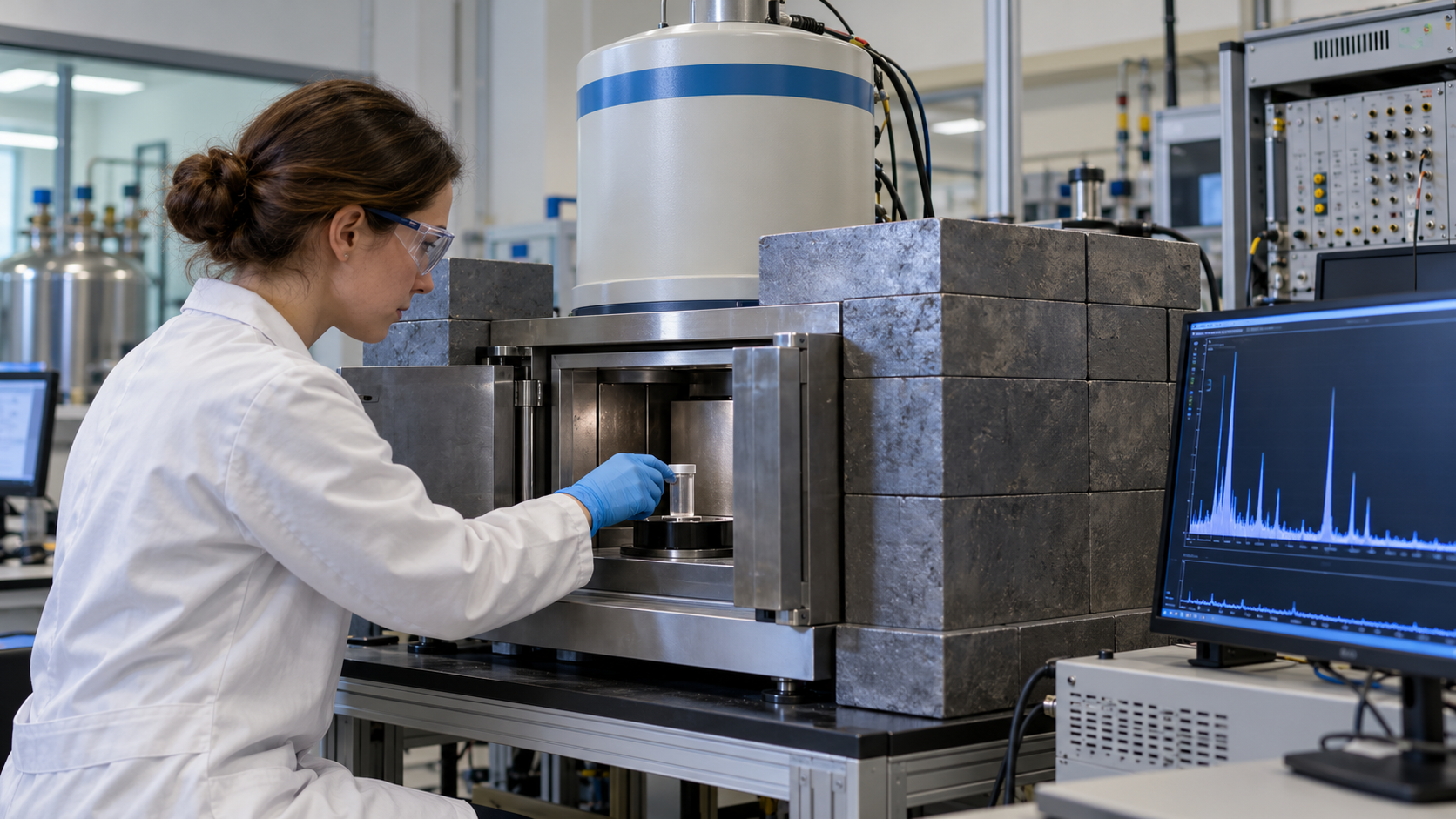
An unstable atomic nucleus can spontaneously emit particles or energy, transforming into a more stable nucleus at a characteristic statistical rate.
Echolocating animals emit sound and analyze returning echoes to estimate an object’s distance, direction, size, texture, and motion.
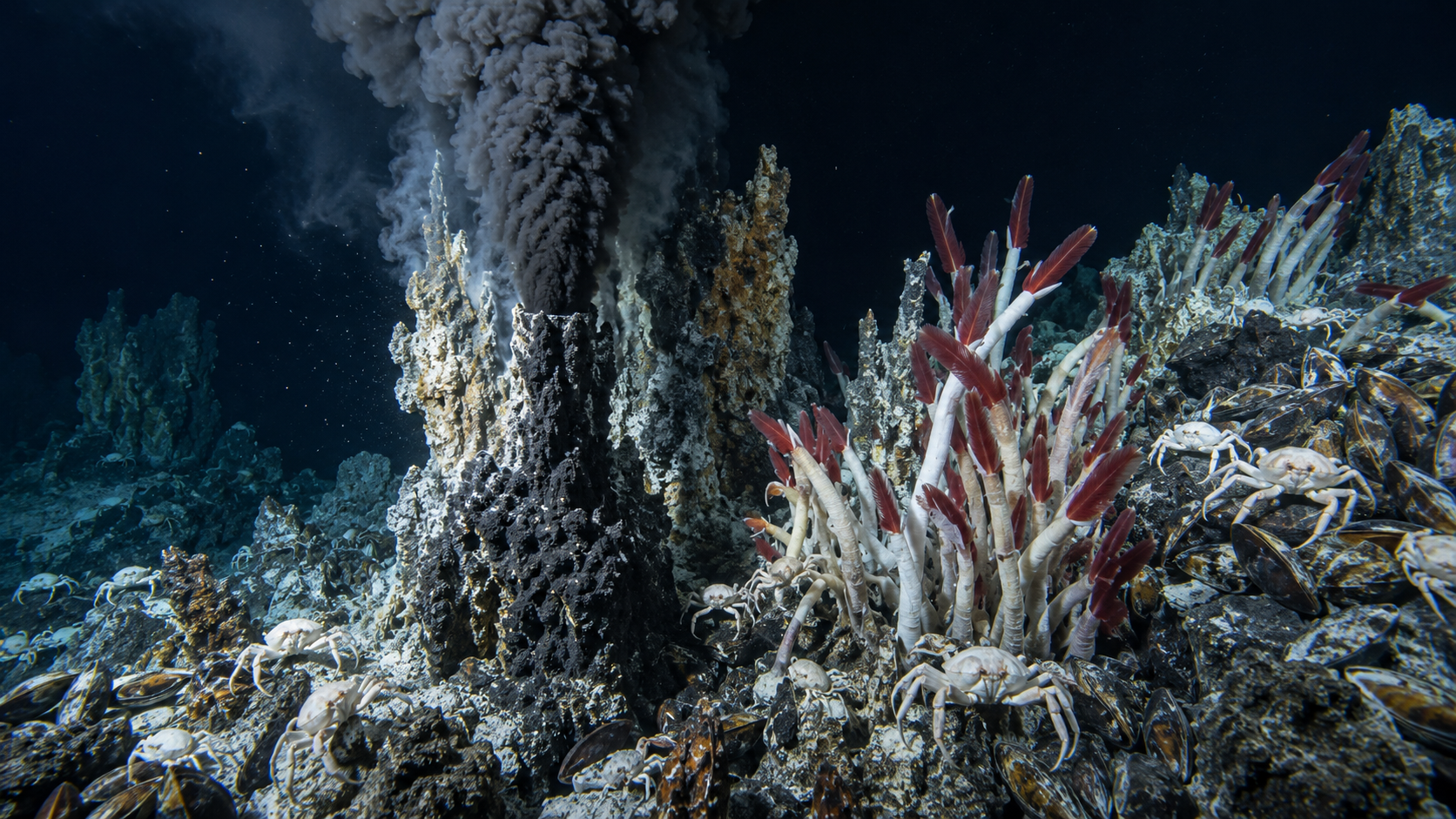
Hydrothermal vent ecosystems rely on microbes that use chemical energy from vent fluids to build organic matter without sunlight.
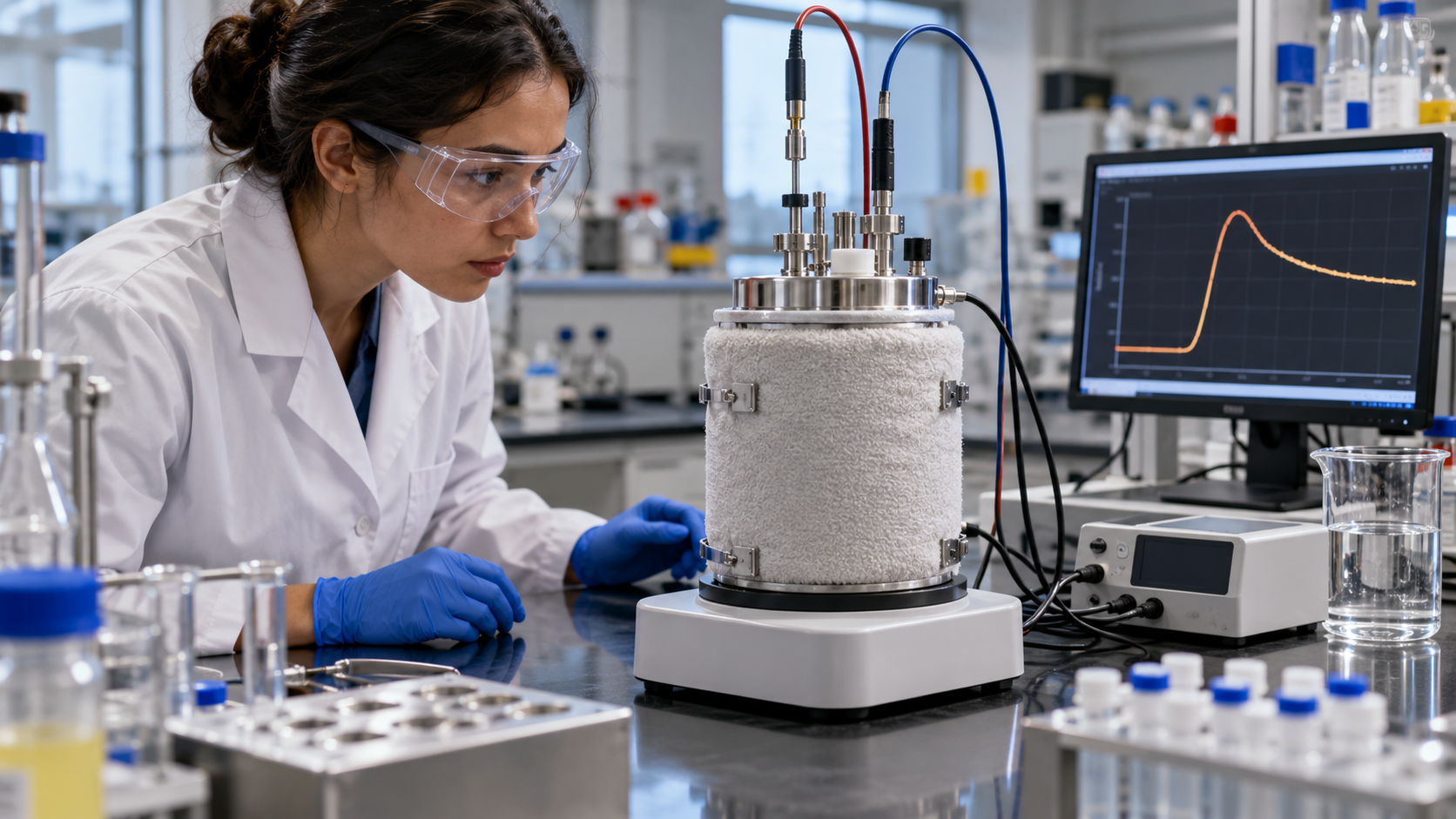
Chemical reactions absorb energy to break bonds and release energy when new bonds form; the balance determines the reaction’s energy change.
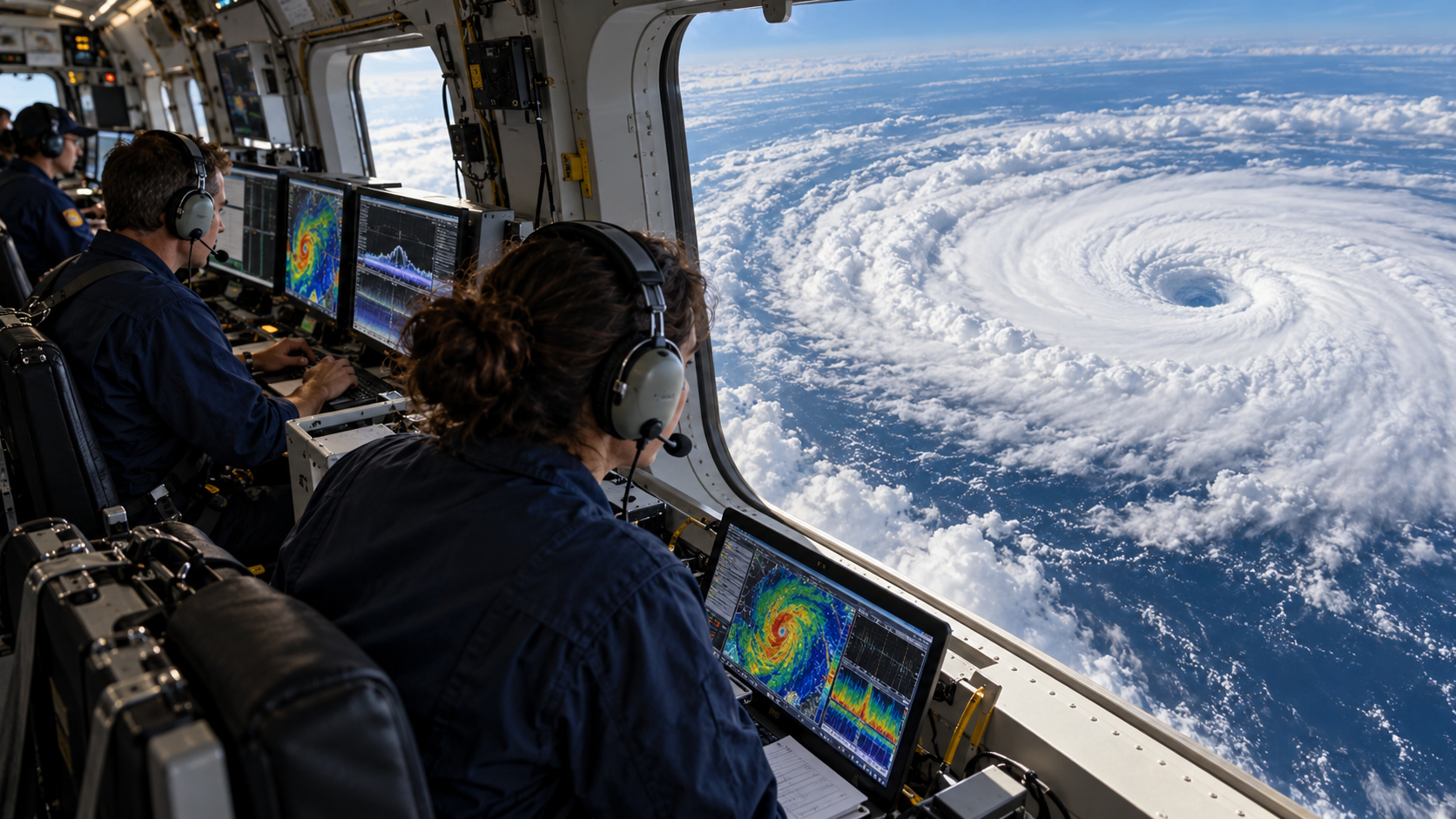
Hurricanes gain energy as warm ocean water evaporates and water vapor later condenses, releasing heat that powers rising air and organized winds.