What Is a News Desert?
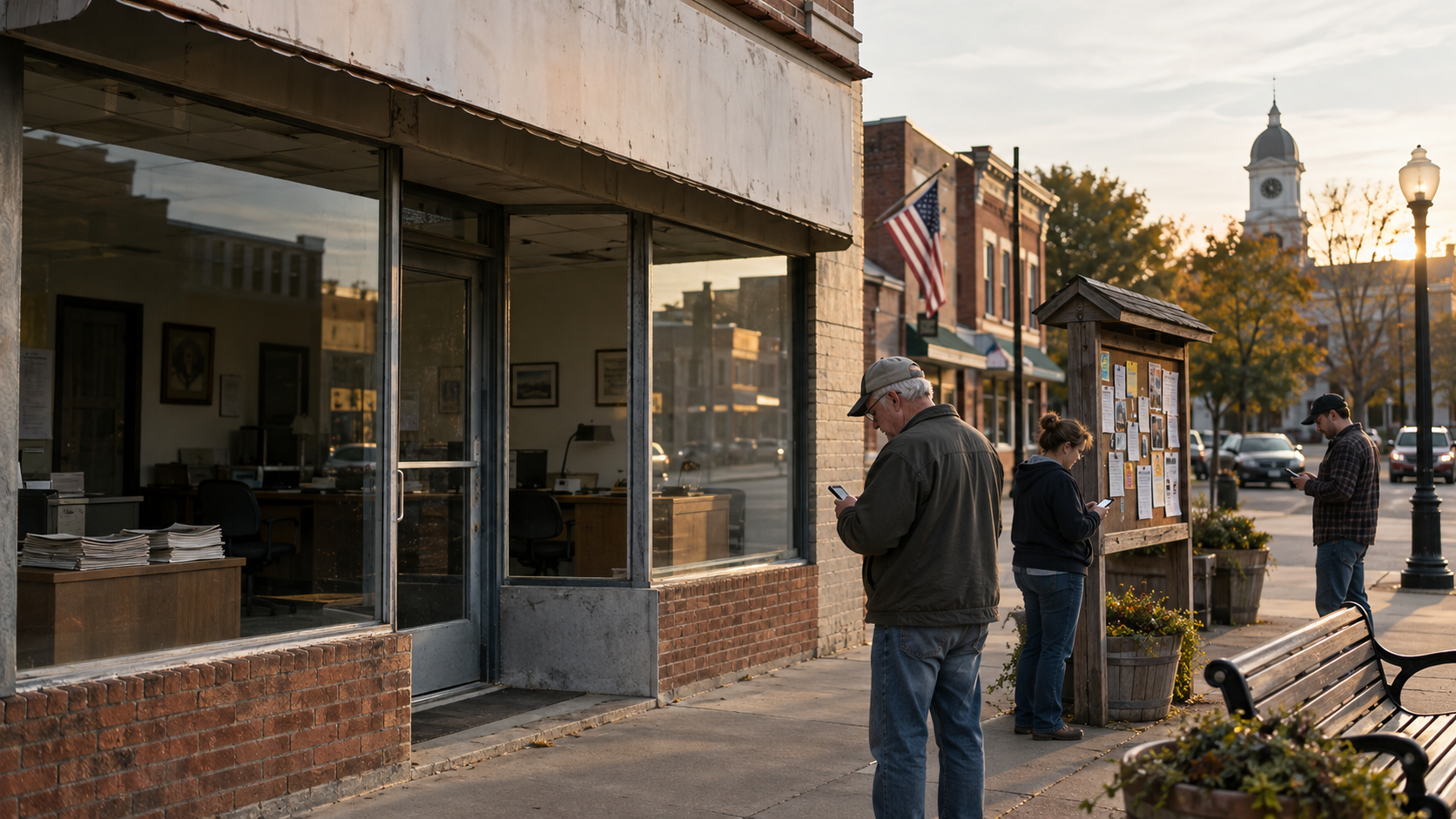
A news desert is a community with little or no reliable local reporting about the institutions and decisions that shape everyday life.

Don't Just Read it – Explore It
A news desert is a community with little or no reliable local reporting about the institutions and decisions that shape everyday life.
Public broadcasting is financed through a mix of local support, underwriting, grants, station revenue, and shared national services.
Crowdsourcing allows newsrooms to gather information directly from the public. It expands access to real-time evidence, eyewitnesses, and community knowledge that journalists might otherwise miss.
Cross-verification ensures journalists don’t rely on a single source. By confirming details across independent evidence, newsrooms improve accuracy and public trust.
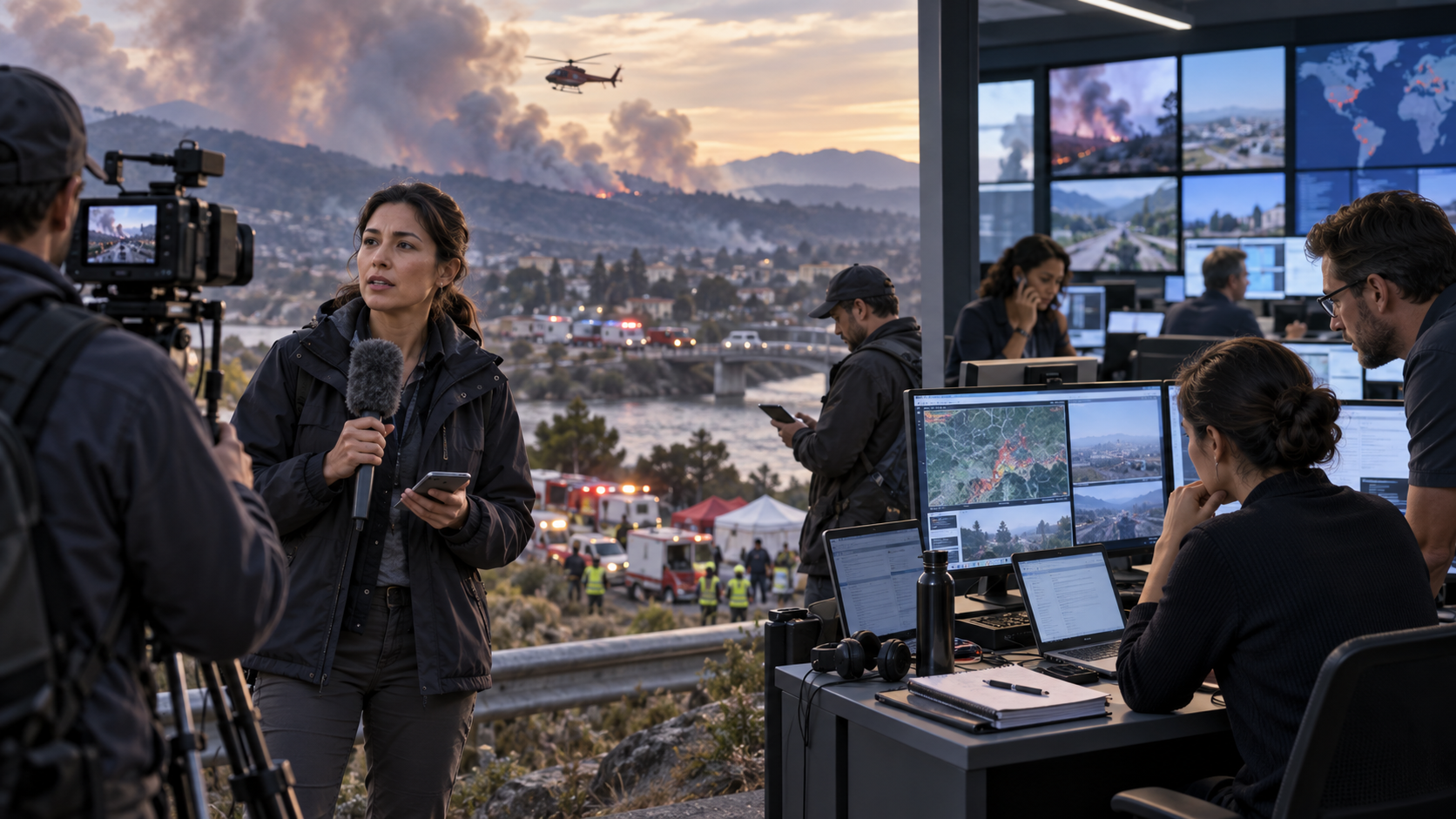
Crisis reporting brings the world’s most urgent events into public view. Journalists must work fast, stay safe, and deliver accurate information when it matters most.
Credibility is the cornerstone of journalism. Without audience trust in the information they consume, even the most compelling reporting loses its impact.
Copyright laws determine when and how creative work can be used or shared — shaping journalism, digital culture, and public access to information.
Correspondents deliver news directly from the scene — offering context, expertise, and firsthand reporting from around the world.
Content moderation shapes what billions of people see every day. Understanding who makes those choices — and how — reveals the power behind online speech.
Conspiracy theories can spread quickly and shape public views, especially during crises. Understanding how they emerge and why people believe them helps journalists respond responsibly and maintain trust.
Conflicts of interest can shape news coverage in subtle ways. Understanding them helps audiences judge credibility and hold journalism to high standards.
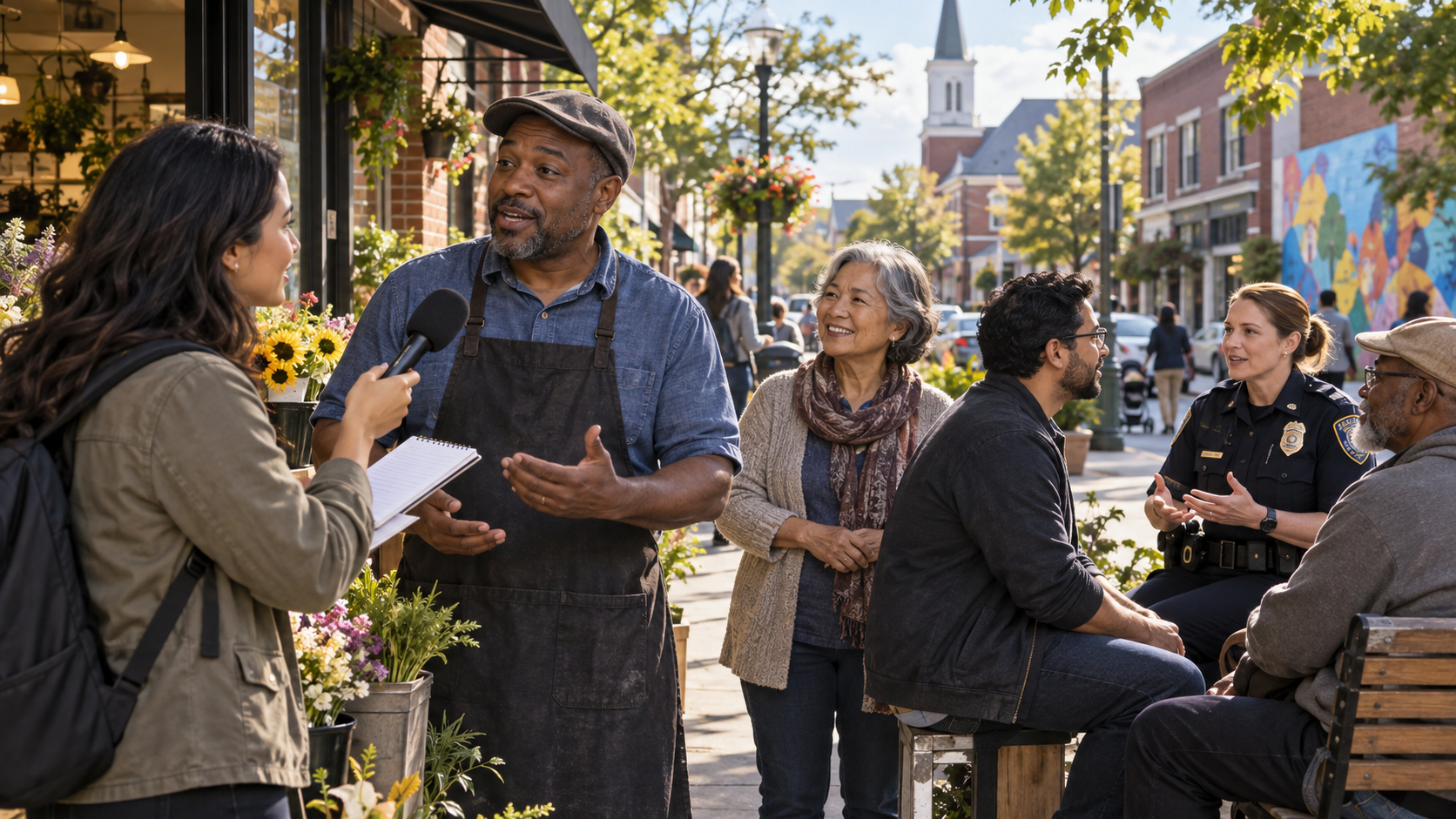
Community reporting puts local people at the center of news gathering and storytelling. It focuses on everyday issues, neighborhood voices, and shared problem-solving rather than just official agendas.