What Is a Stringout in Video Journalism?
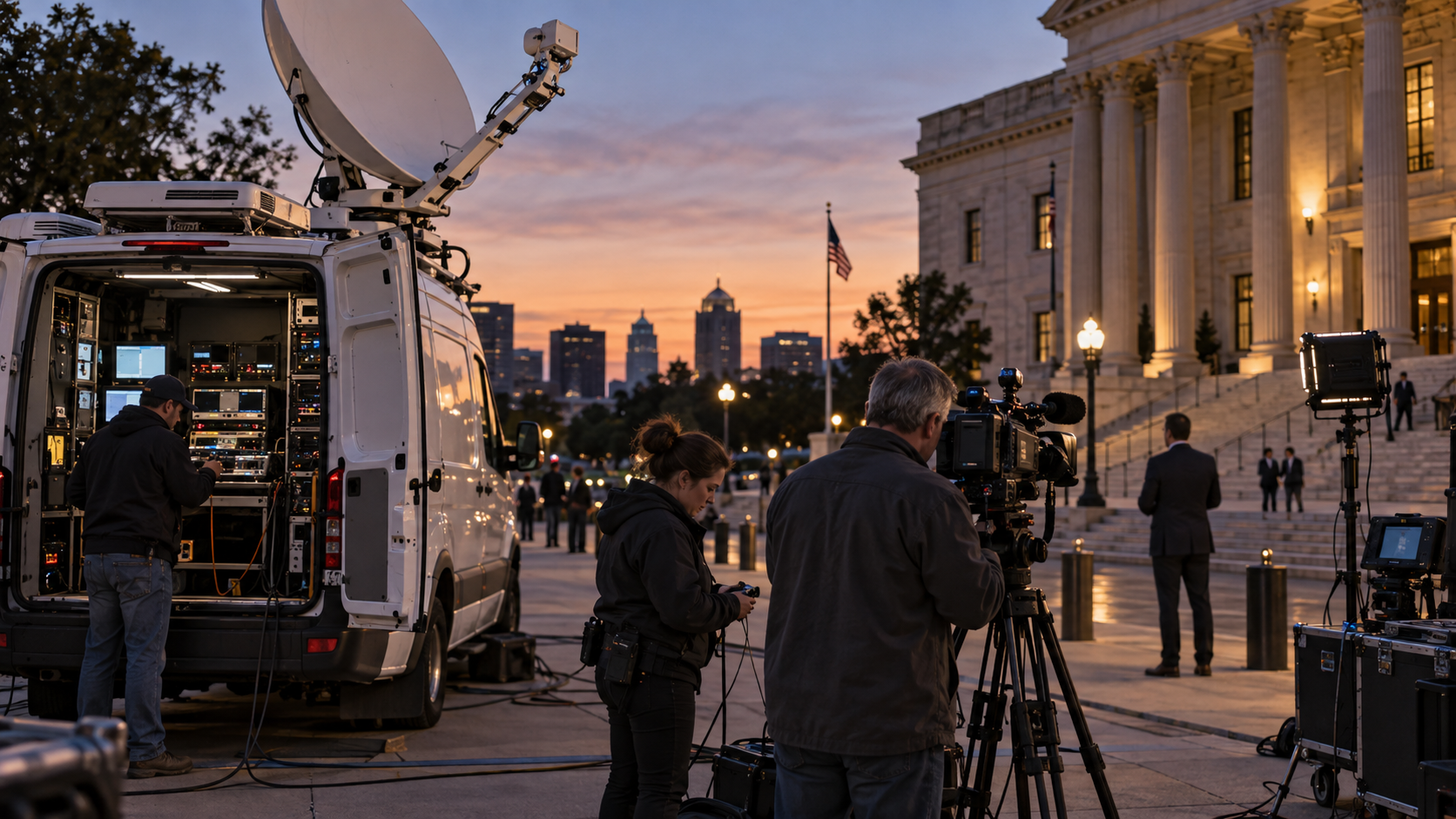
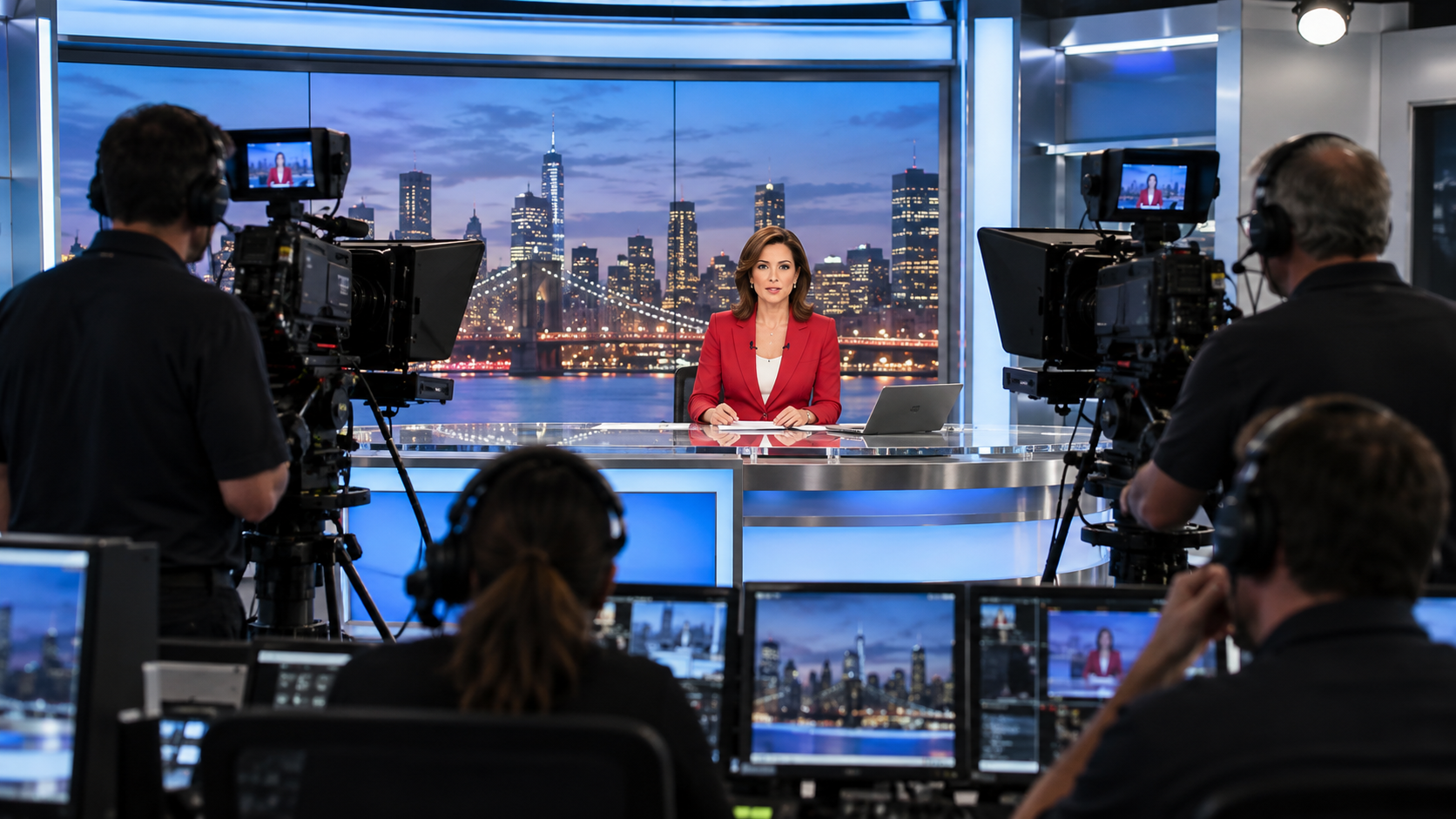
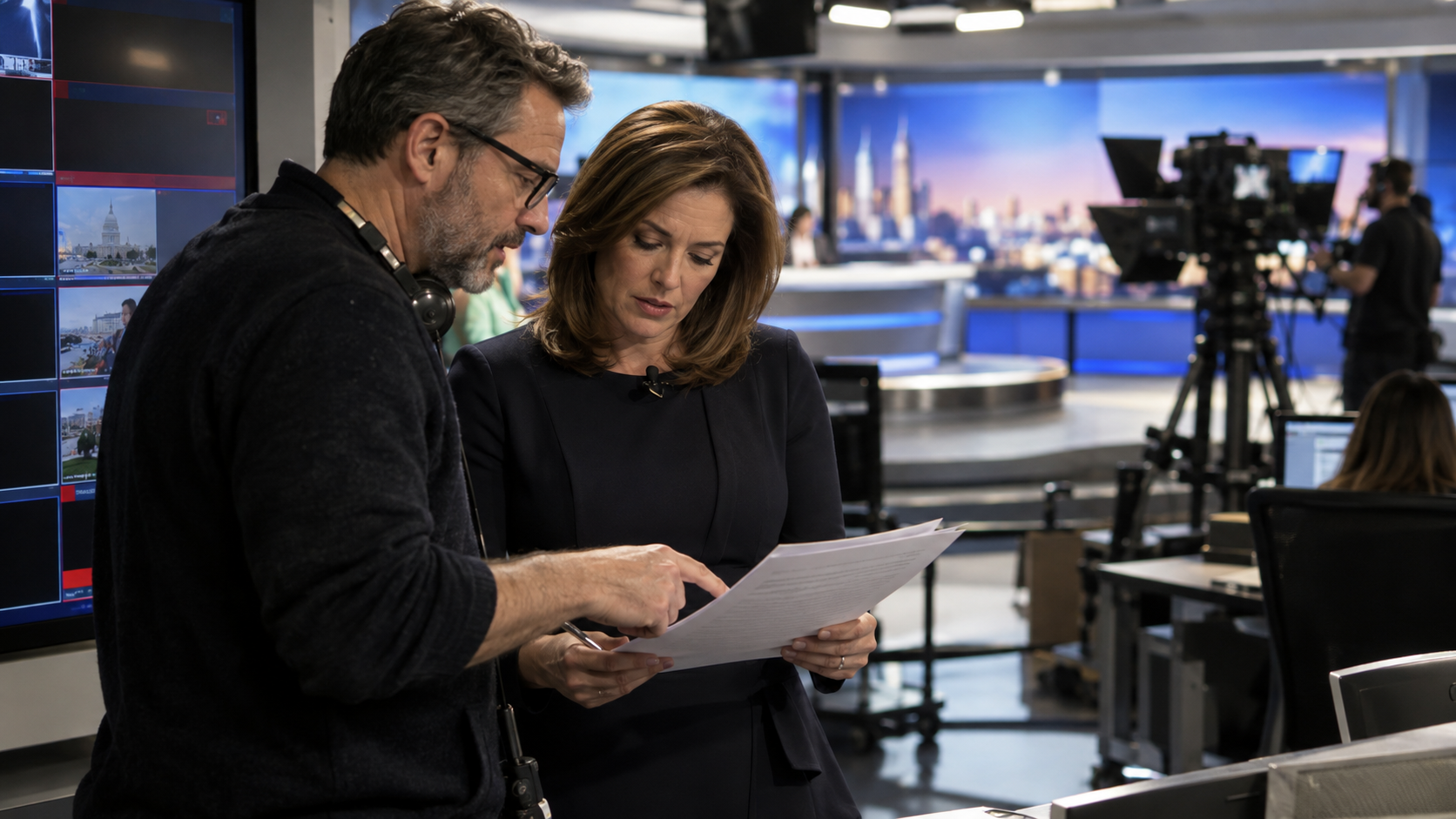
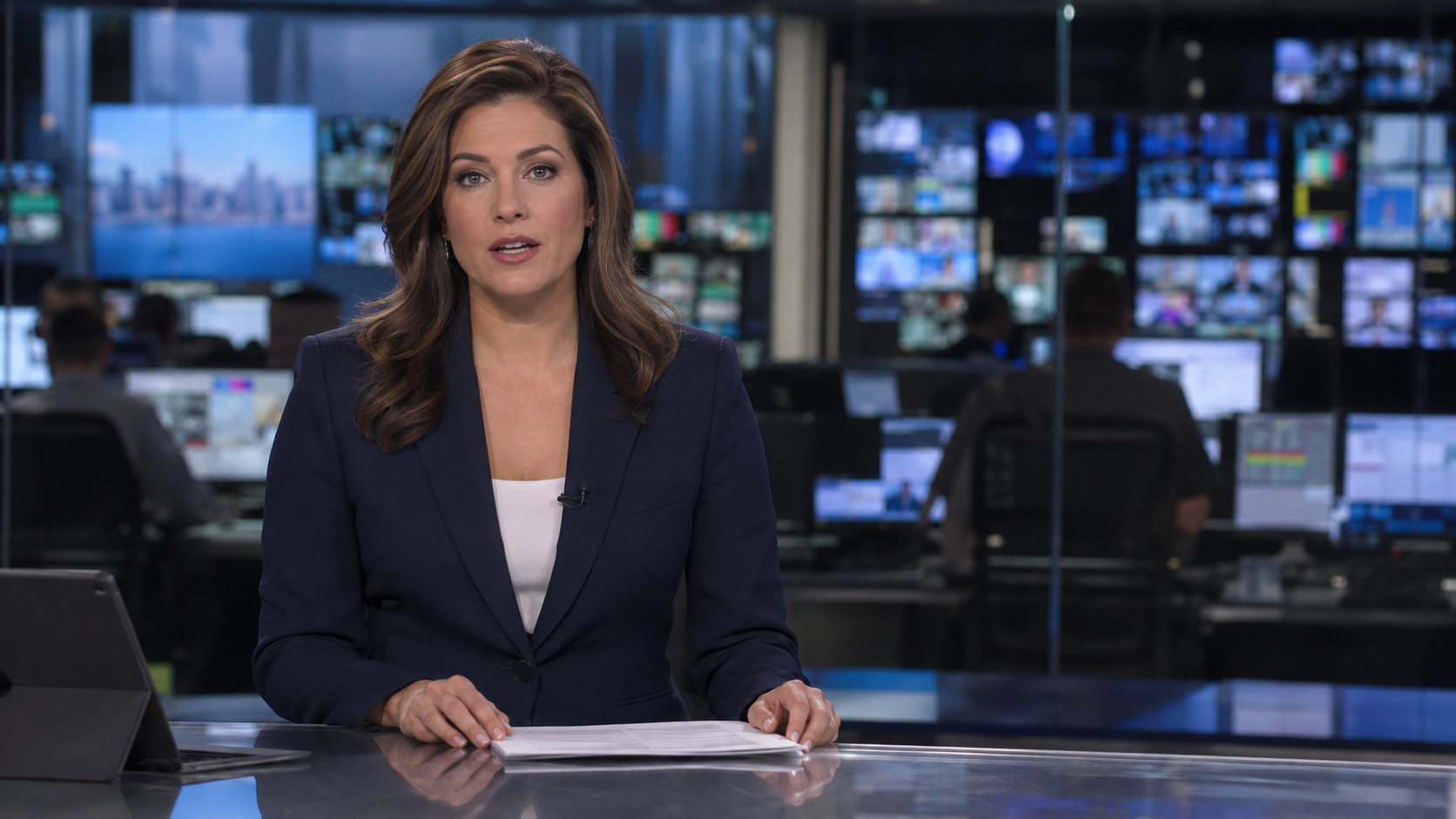
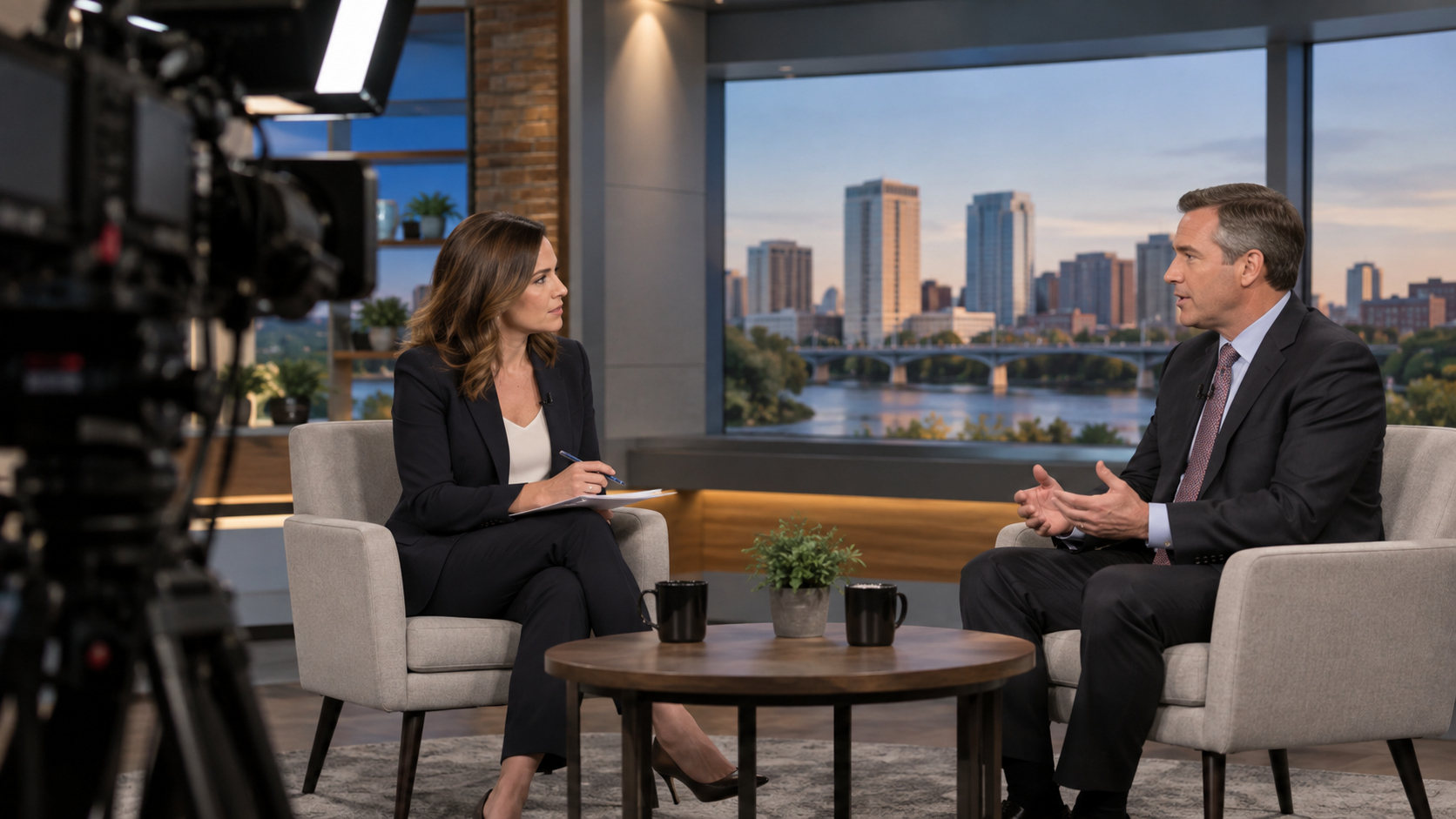
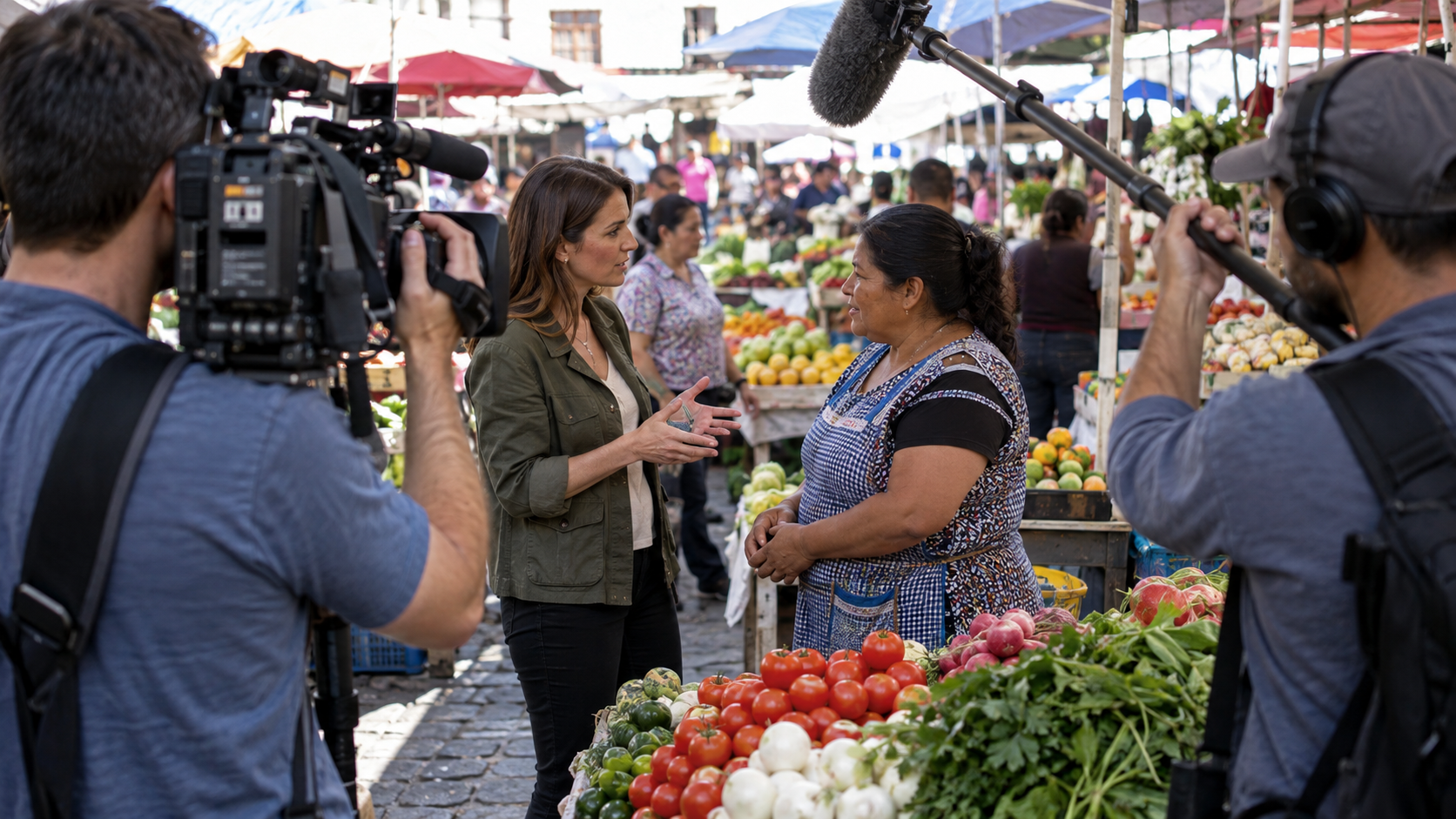
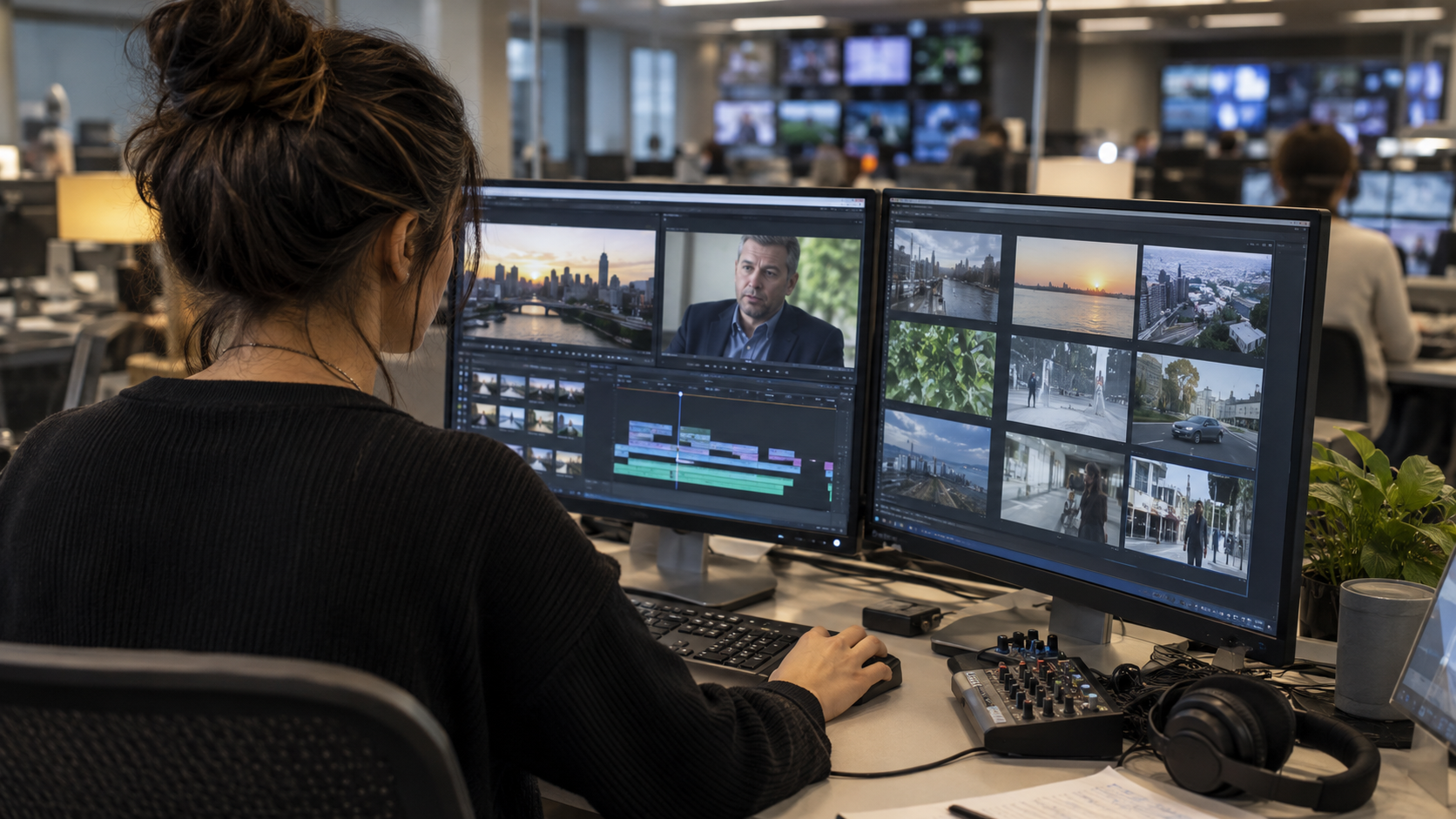
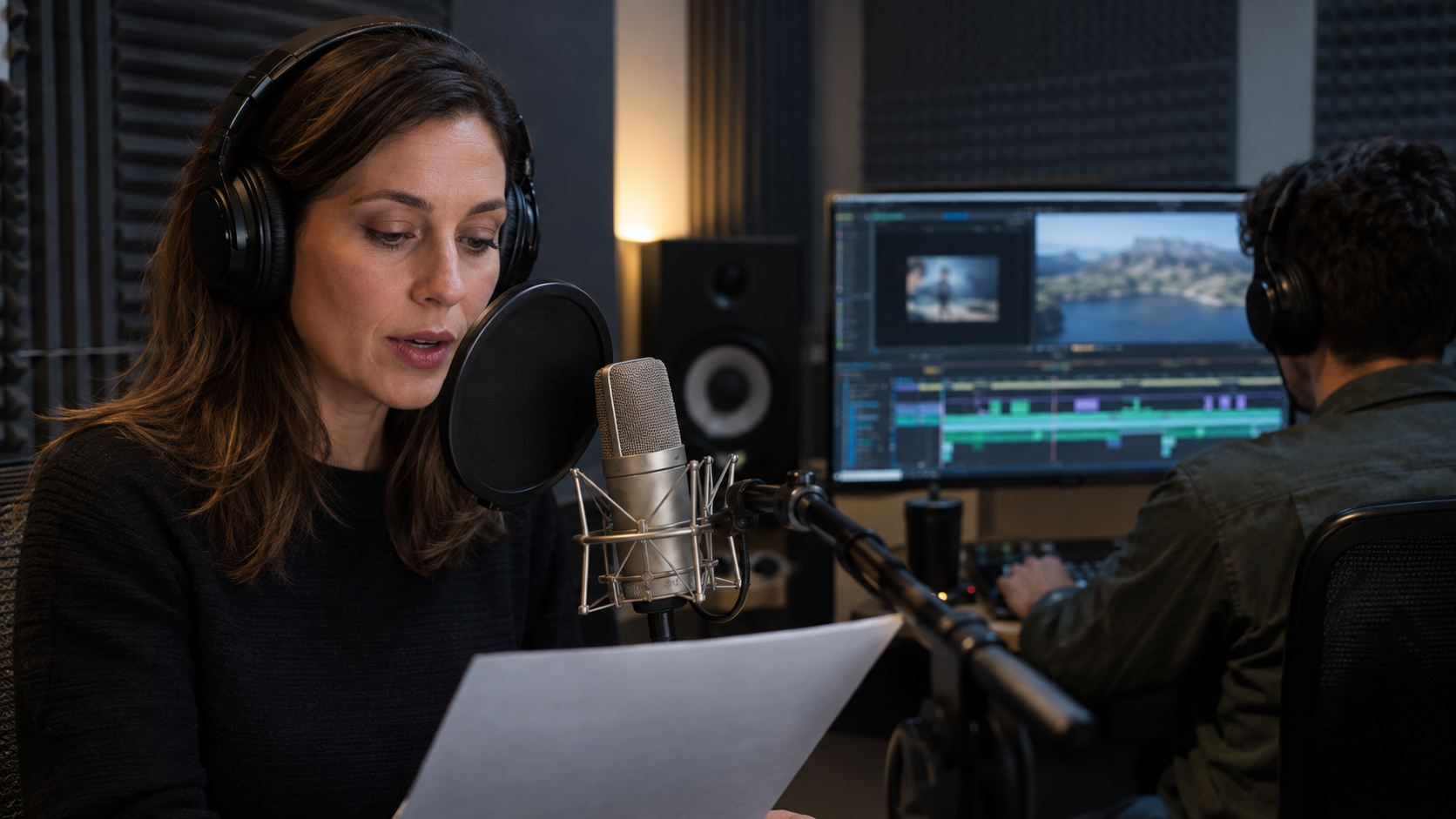
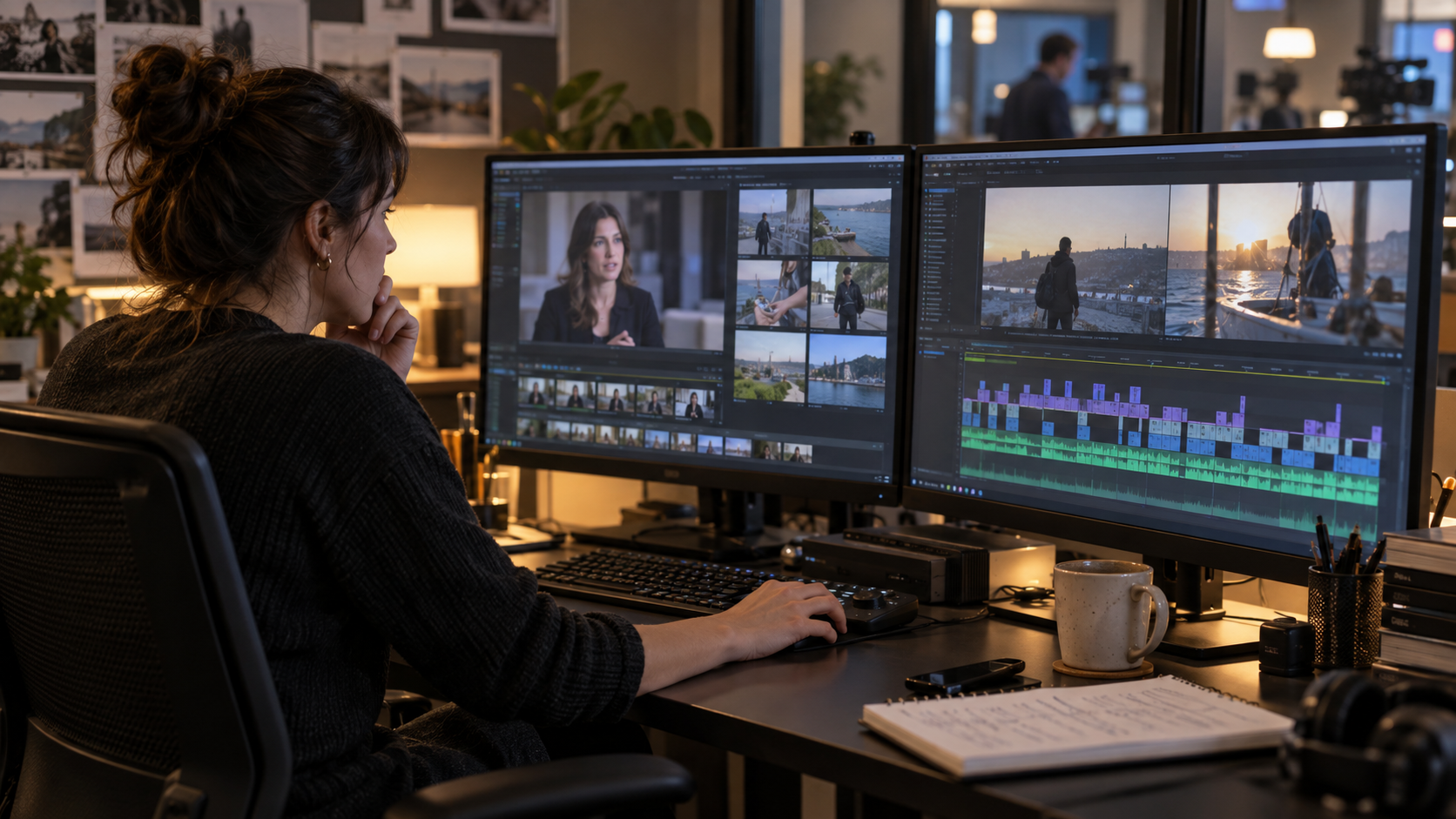
A stringout organizes selected footage and interview clips before a finished news edit. Learn how it bridges raw material and a rough cut.

Don't Just Read it – Explore It

Ice-T says his reduced screen time on this season of “Law & Order: SVU” comes down to budgeting and cast…

Breaking Rust is a computer-generated country artist whose song “Walk My Walk” just hit No. 1 on Billboard’s Country Digital…

Loading… Key Takeaways The Top 10 cutest cat breeds blend striking physical features with warm, affectionate personalities that appeal to…

Elon Musk says artificial intelligence and advanced robotics could make traditional work optional within the next 10–20 years. Speaking at…

The founder of Yara AI, a mental-health chatbot, has shut the app down after concluding it posed unacceptable risks to…

Black Friday isn’t the blockbuster shopping event it once was. Retailers have stretched deals across weeks, foot traffic is flat,…

Mick Jagger, now 82, continues to perform with remarkable stamina thanks to a highly disciplined lifestyle centered on daily movement,…
A stringout organizes selected footage and interview clips before a finished news edit. Learn how it bridges raw material and a rough cut.
A stringout organizes selected footage and interview clips before a finished news edit. Learn how it bridges raw material and a rough cut.
A news cold open begins immediately with content before the usual titles. Learn why programs use it and how teams manage the first cues.
A broadcast lead-in introduces the next report and tells viewers why it matters. Learn how anchors and producers write clear, accurate transitions.
An anchor tag is the brief live copy read after a television news package. Learn how it adds context, updates details, and returns viewers to the studio.
A two-shot frames two people in one television image. Learn how news crews use it to show relationships, reactions, and interview context.
A natural sound break lets viewers briefly hear a scene without narration. Learn how television journalists use ambient audio for clarity and presence.
A VO-SOT combines anchor narration over video with a recorded sound bite. Learn how television newsrooms script, time, and verify this compact format.
Reporter track is the recorded narration that guides viewers through a television news package. Learn how journalists write, record, and edit it.
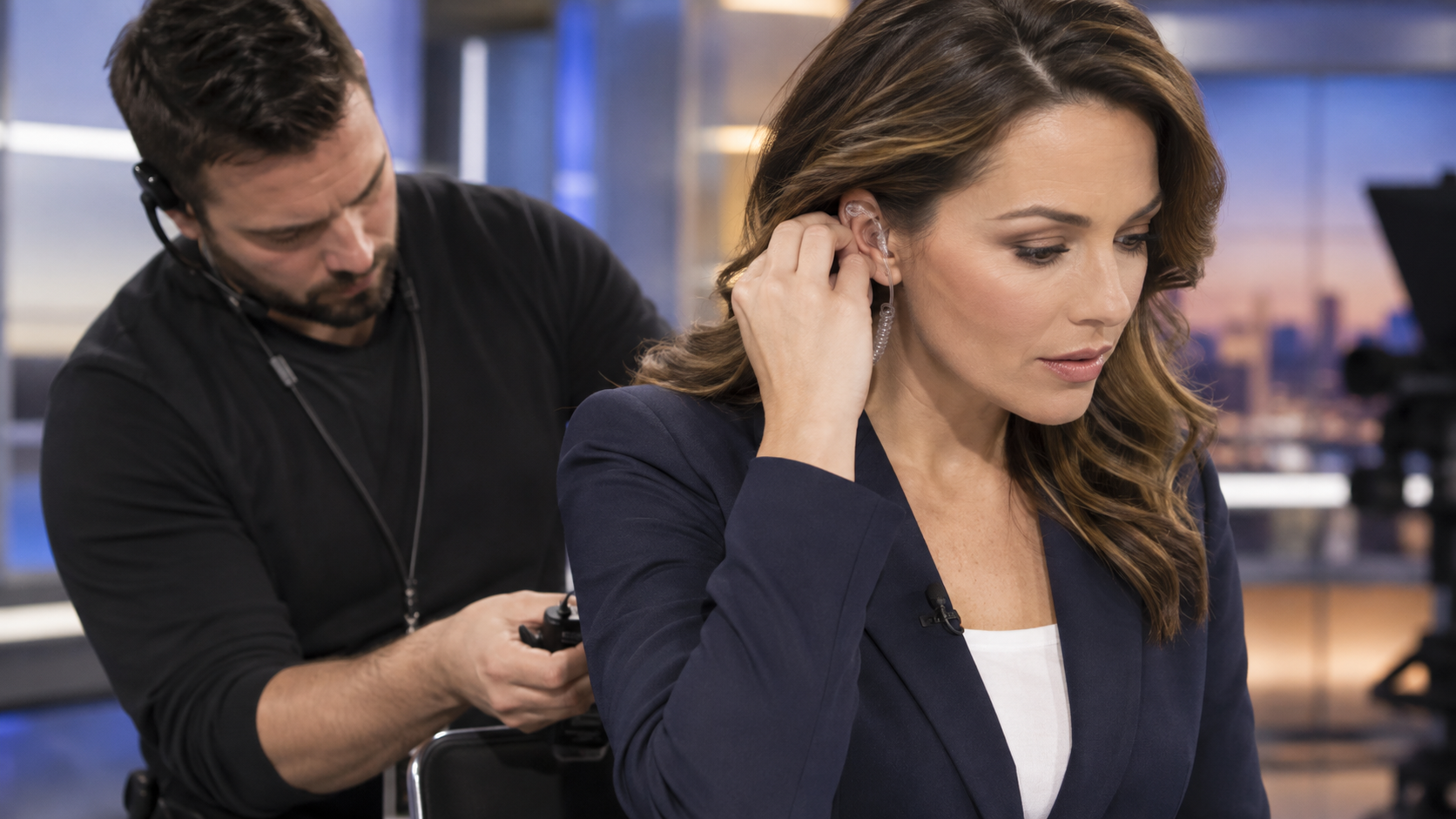
An IFB earpiece lets anchors and reporters hear the program and control-room cues. Learn how it supports live timing without distracting viewers.
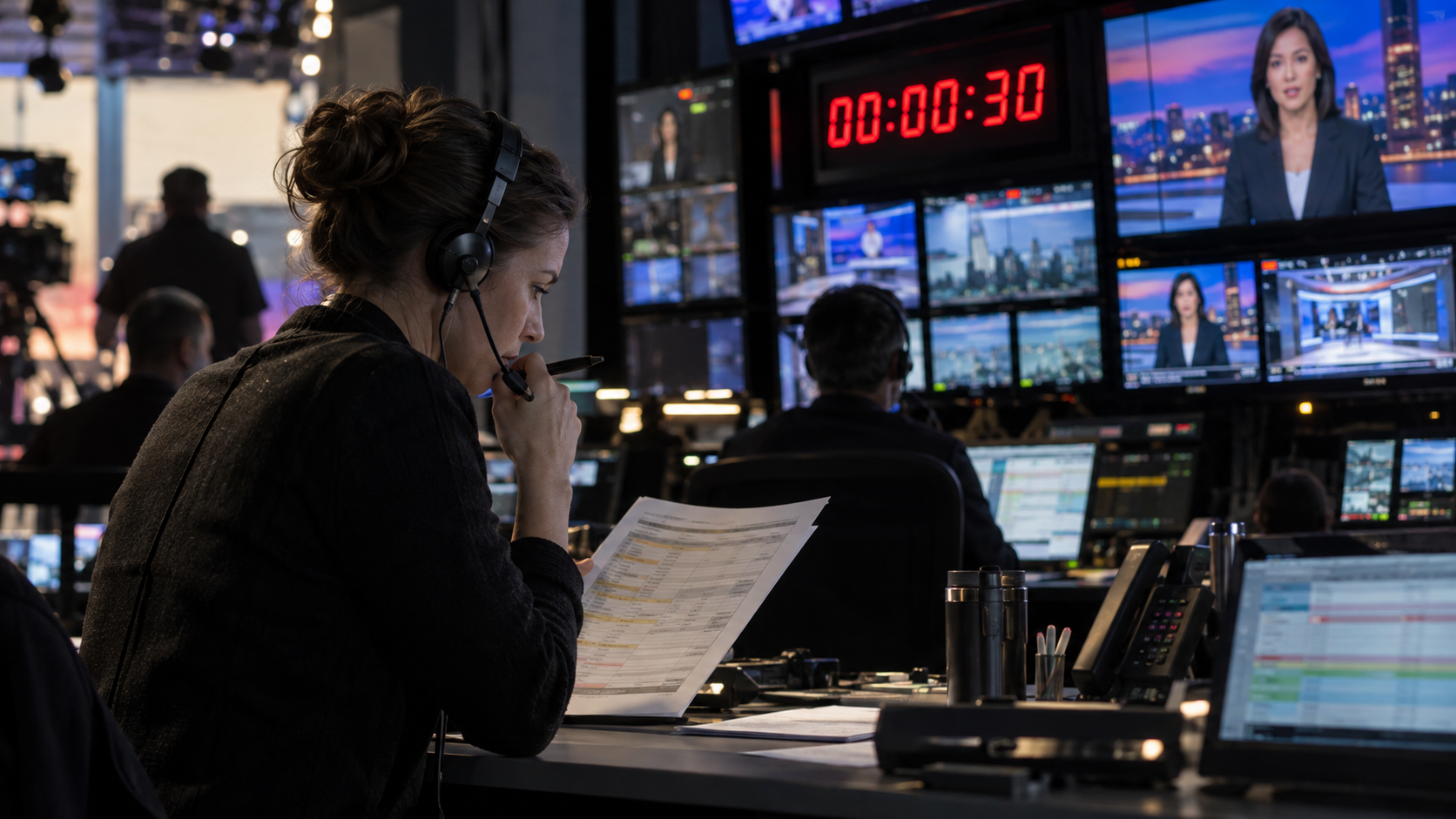
Backtiming helps producers calculate a newscast from its fixed ending backward. Learn how crews use it to protect breaks, segments, and the final out.
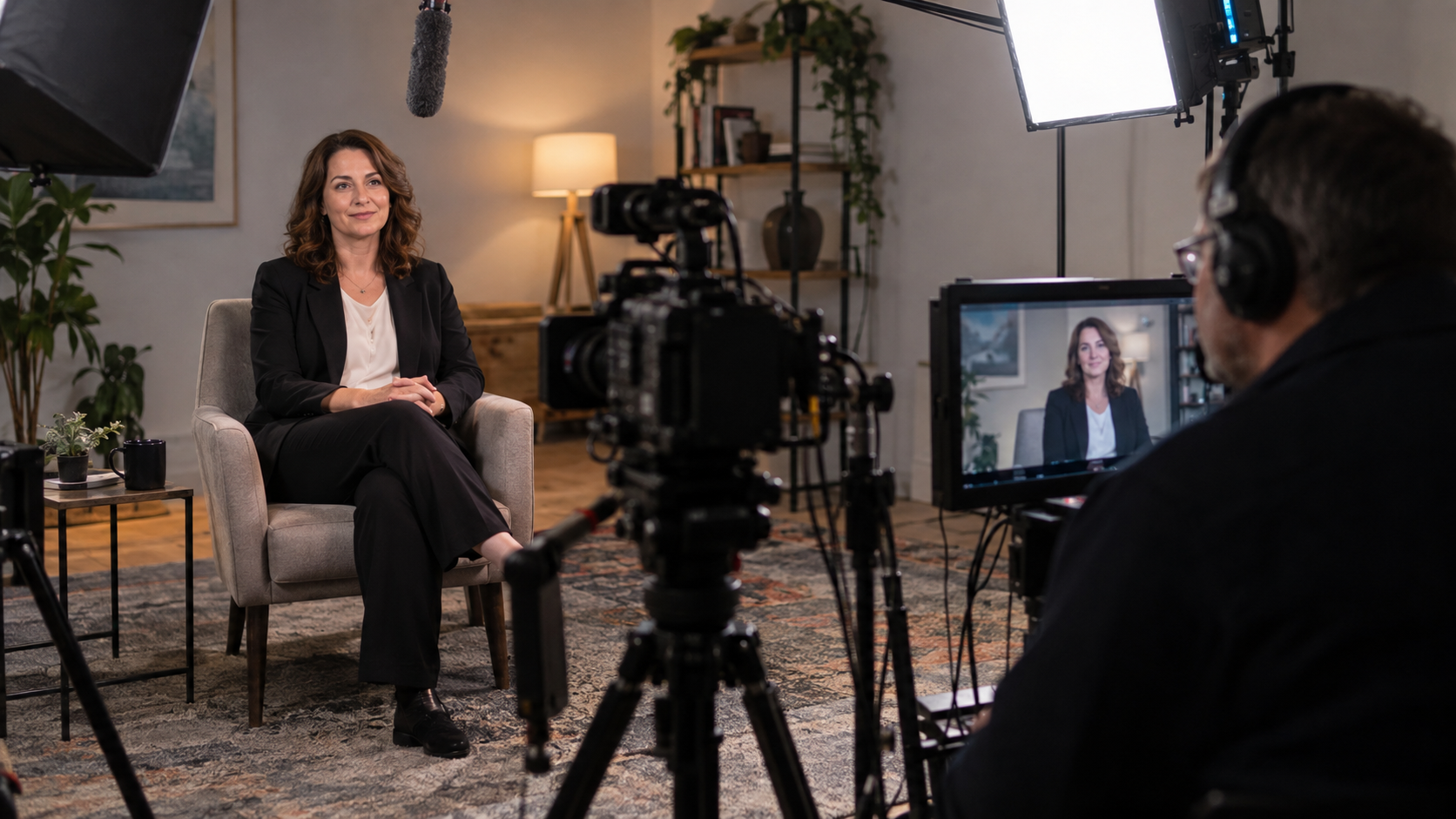
Remote interviews connect a guest outside the main studio to a live or recorded broadcast. Learn how crews manage video, audio, delay, and verification.