How Does an Escalator Move Steps in a Continuous Loop?
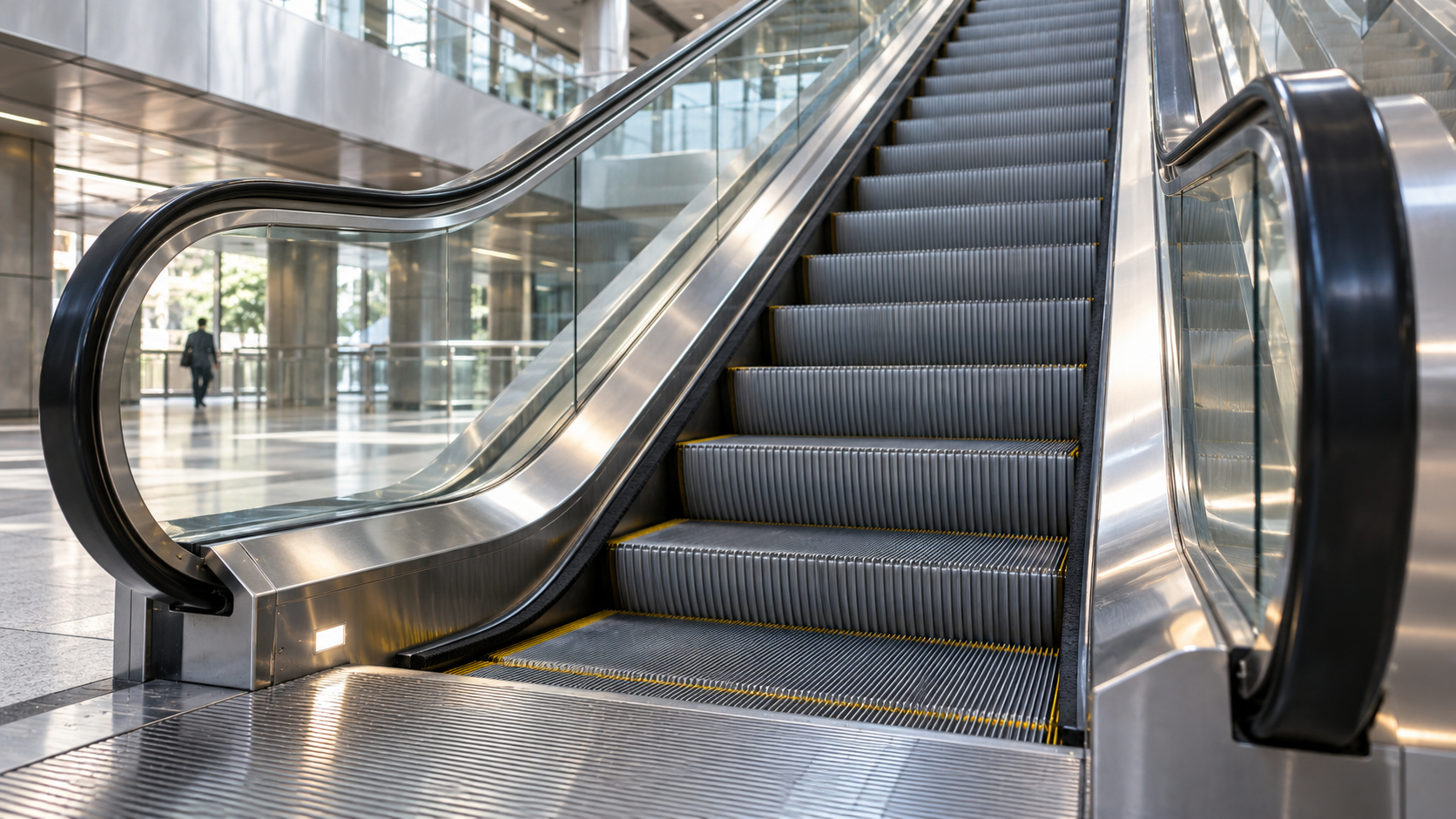
An escalator uses motor-driven chains to pull linked steps around tracks that keep each tread level on the visible incline and flatten it at the landings.

Don't Just Read it – Explore It
An escalator uses motor-driven chains to pull linked steps around tracks that keep each tread level on the visible incline and flatten it at the landings.
An airport baggage carousel receives tagged bags from a conveyor system and circulates them on overlapping slats until passengers remove them.
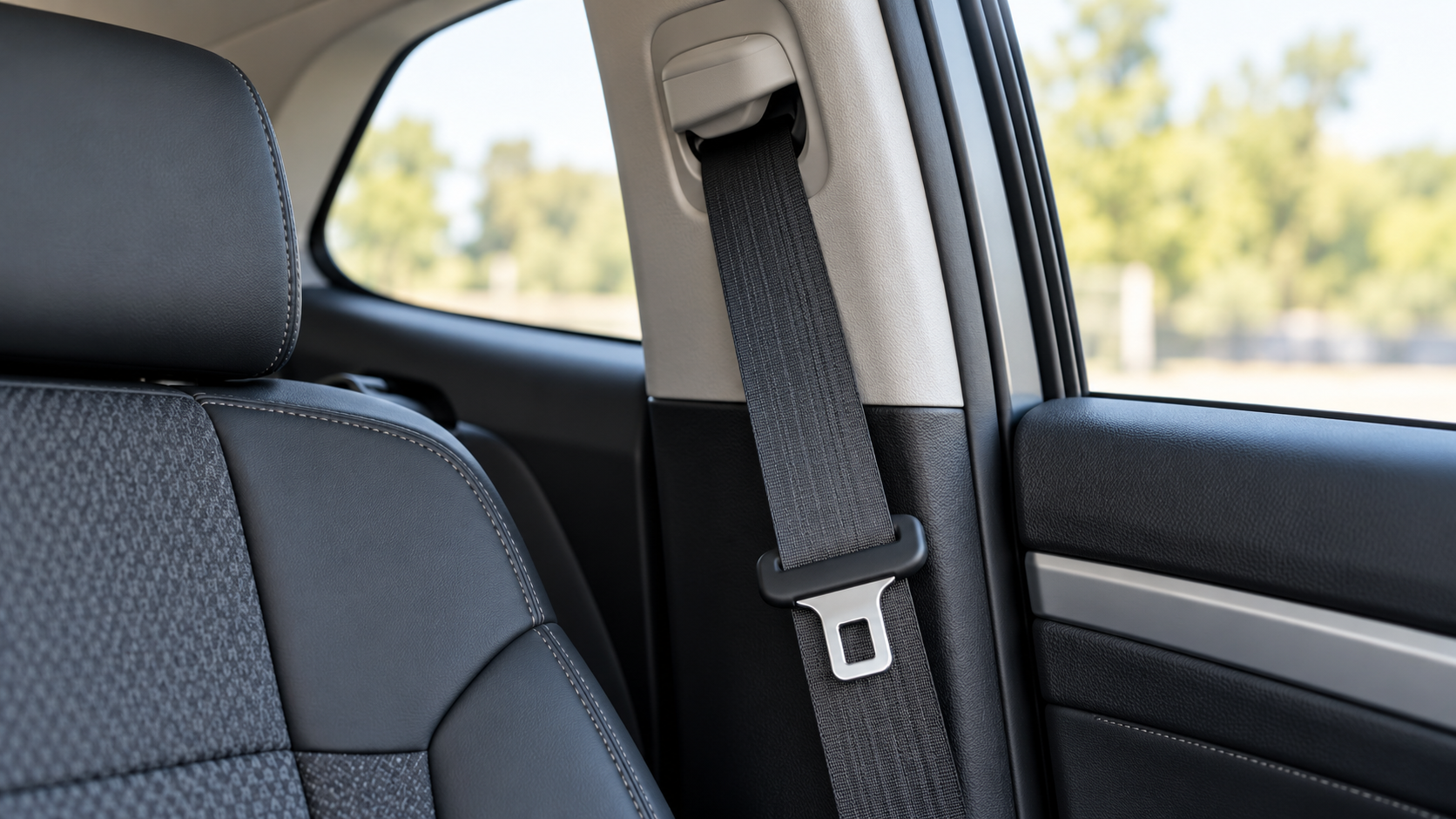
A seat-belt retractor lets webbing move during normal use but engages a locking mechanism when belt movement or vehicle motion becomes abrupt.
Retroreflective sheeting uses tiny glass beads or prisms to return headlight rays toward their source, making signs bright to a nearby driver.
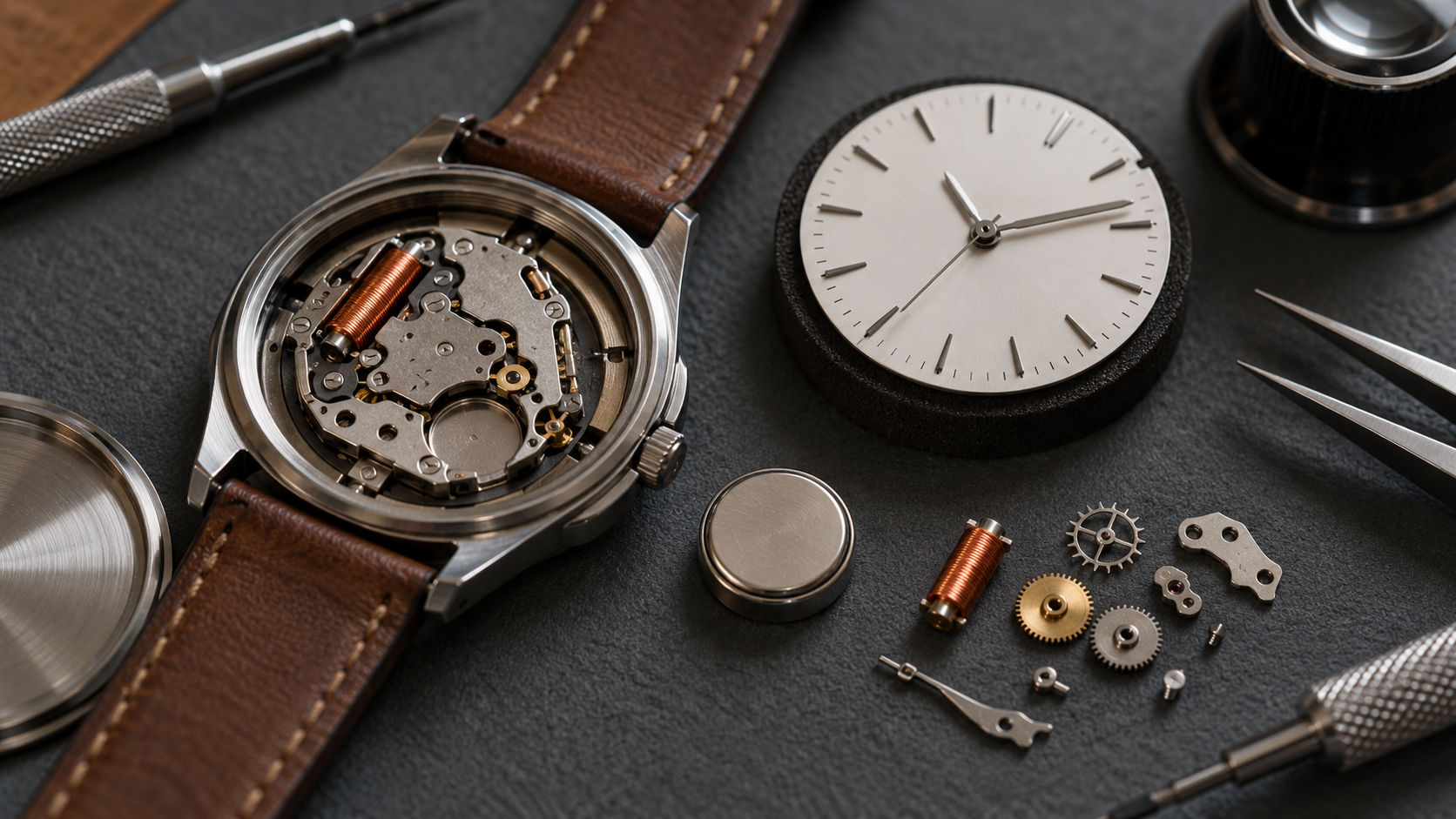
A quartz watch applies voltage to a tiny crystal oscillator, divides its stable vibrations electronically, and uses the pulses to move hands or update a display.
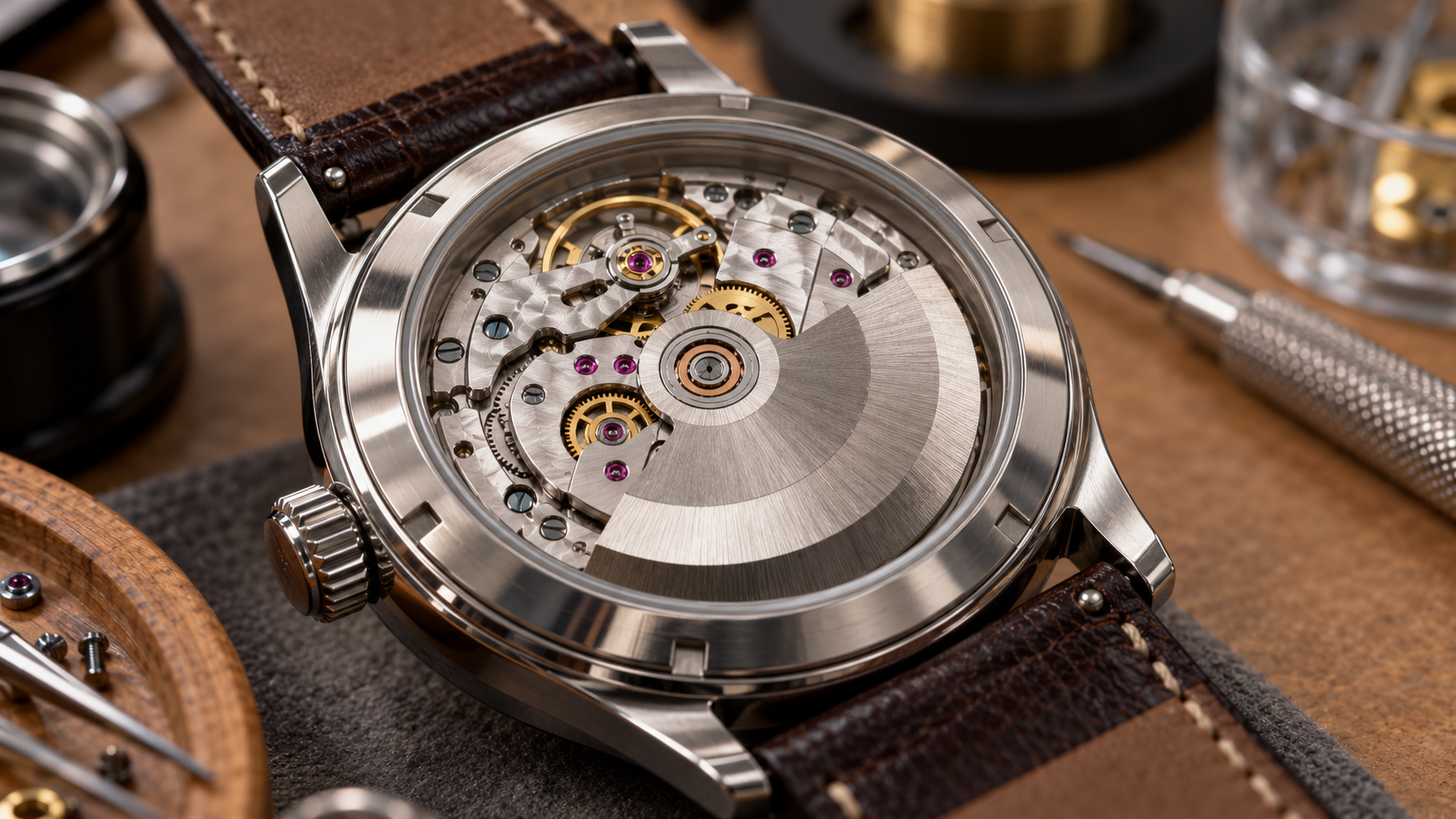
An automatic watch uses a weighted rotor that turns with wrist motion and sends that motion through gears to wind the mainspring.
Polarized sunglasses contain an oriented filter that blocks much of the horizontally polarized light reflected from flat surfaces such as water and roads.
A disposable diaper moves liquid through a porous top layer and traps it in a core of cellulose fibers and superabsorbent polymer.
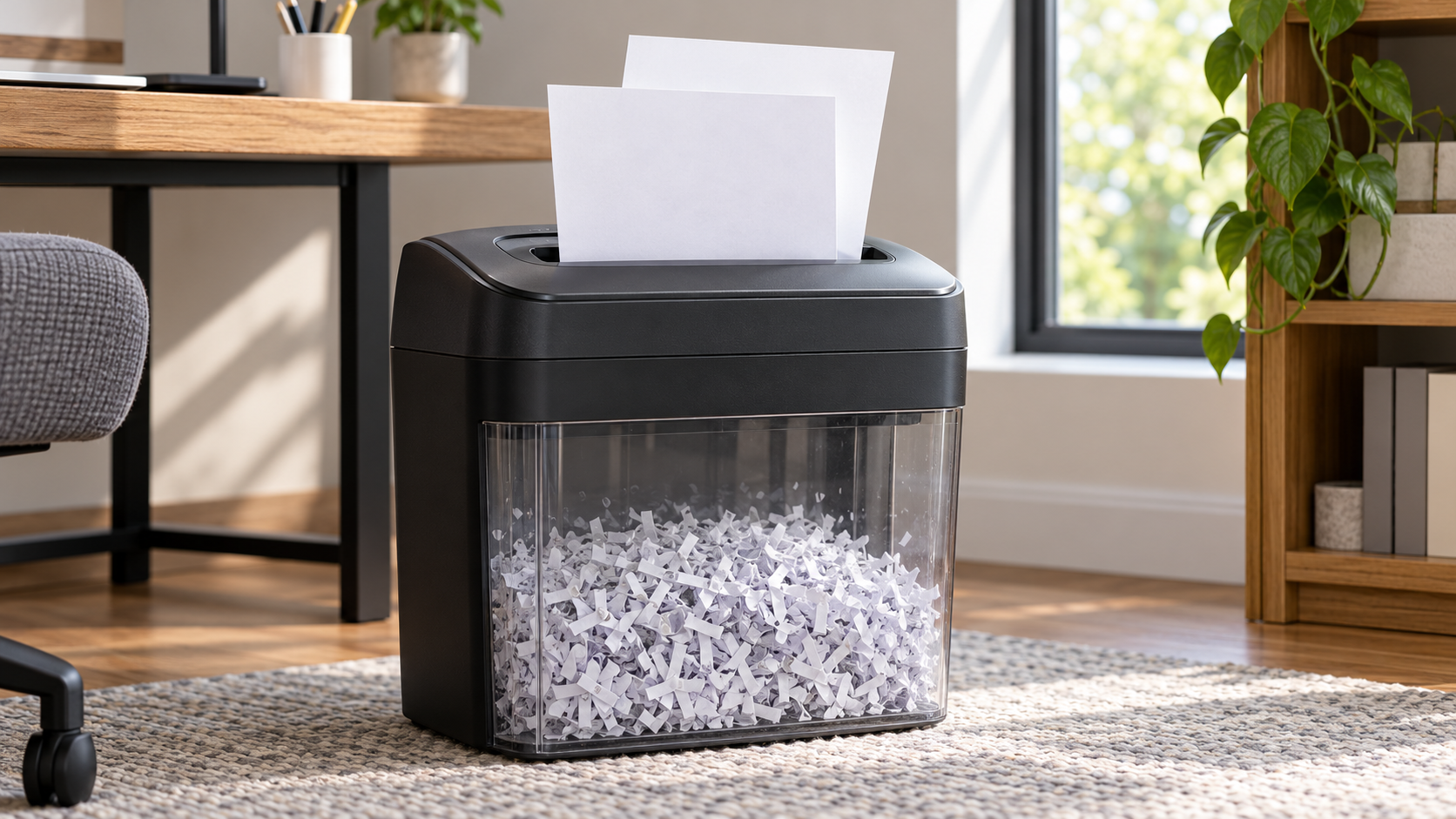
A cross-cut shredder pulls paper between intermeshing cutter disks that slice it lengthwise and across into small particles.
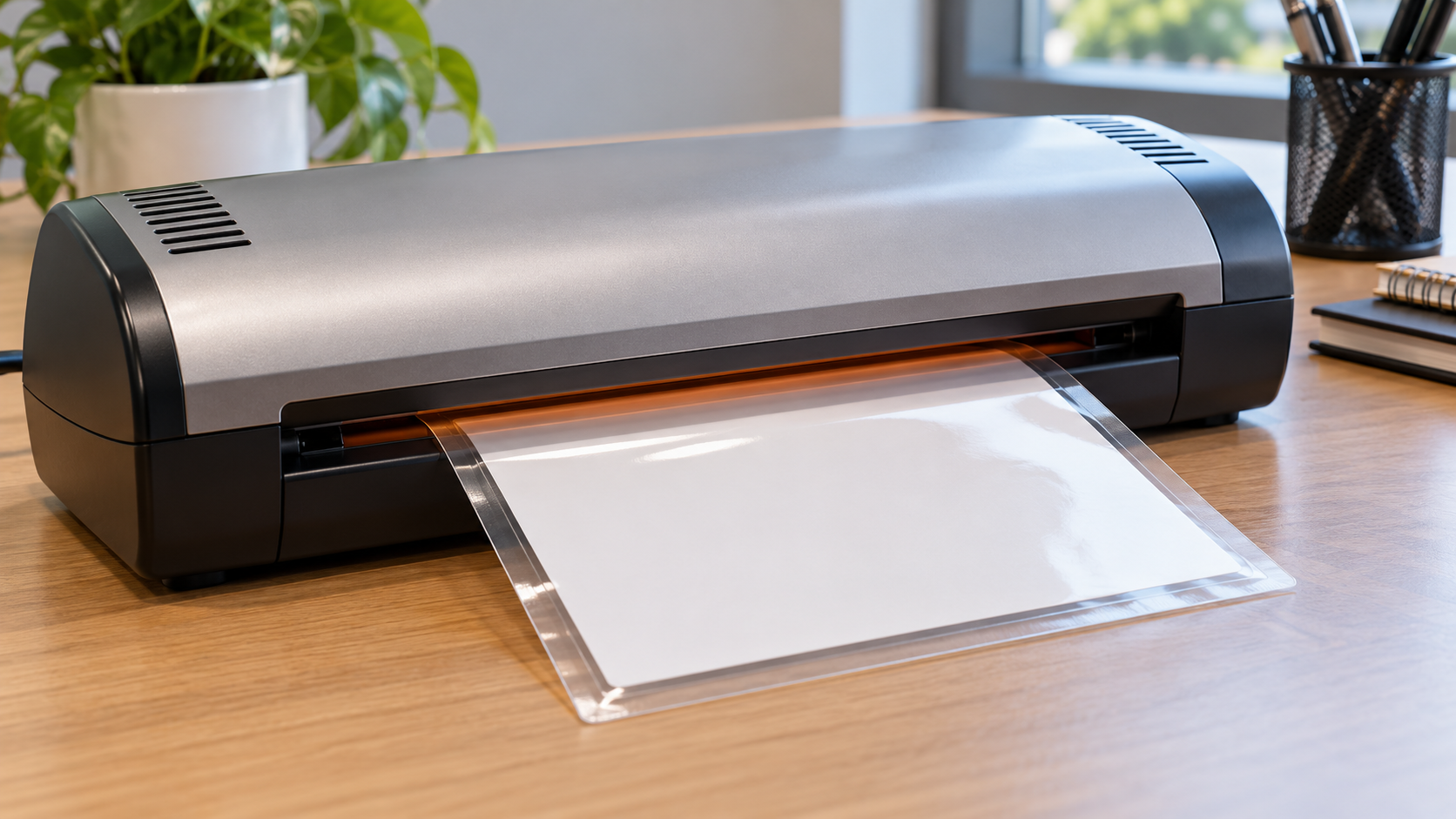
A pouch laminator heats adhesive inside a folded plastic sleeve, then applies roller pressure so the softened layers bond around a document.
A fountain pen uses narrow ink and air channels, capillary action, and pressure balance to deliver a controlled film of ink to a split nib.
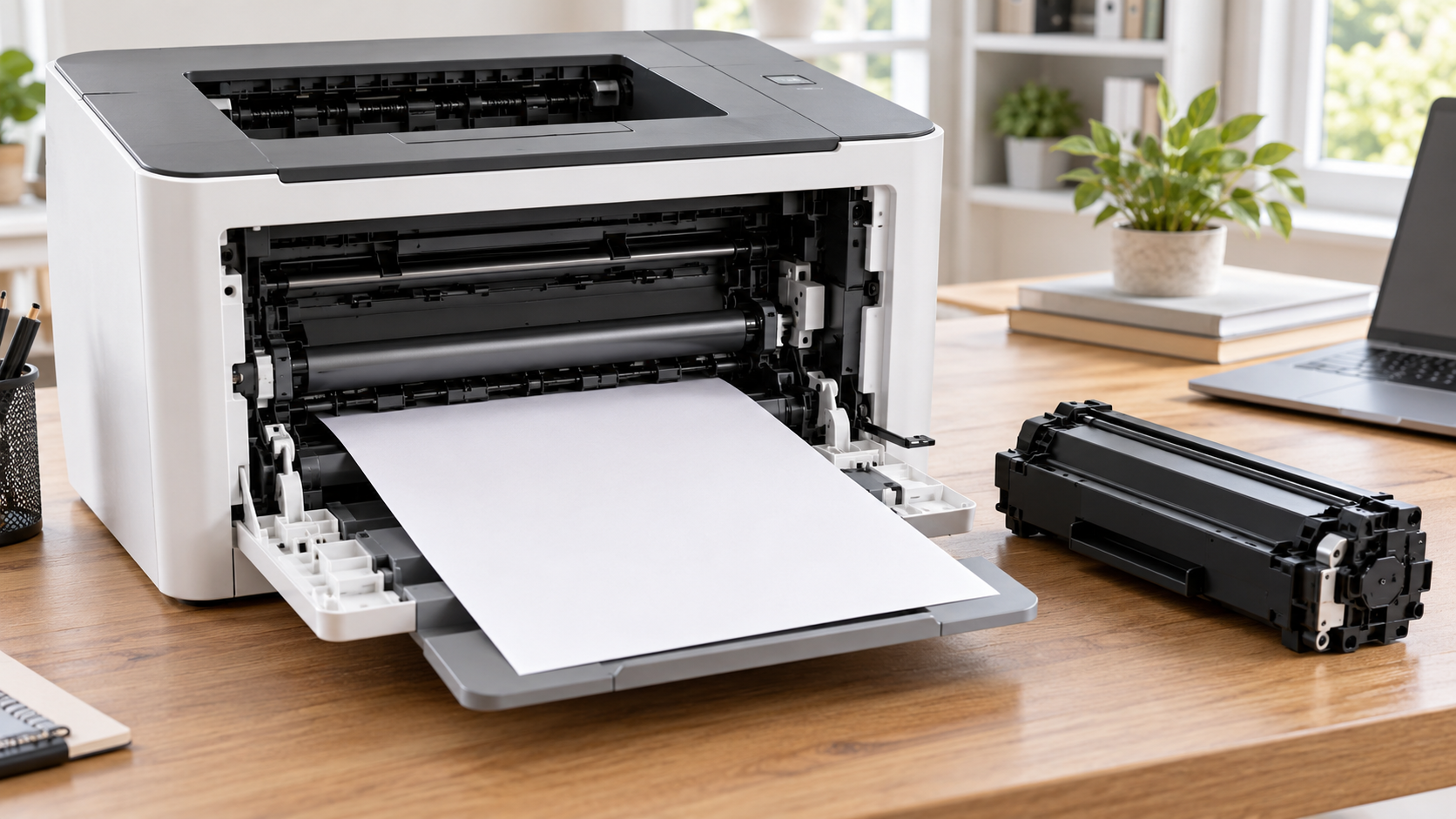
A laser printer creates an electrostatic image on a photosensitive drum, attracts toner to it, transfers the toner to paper, and melts it in a fuser.