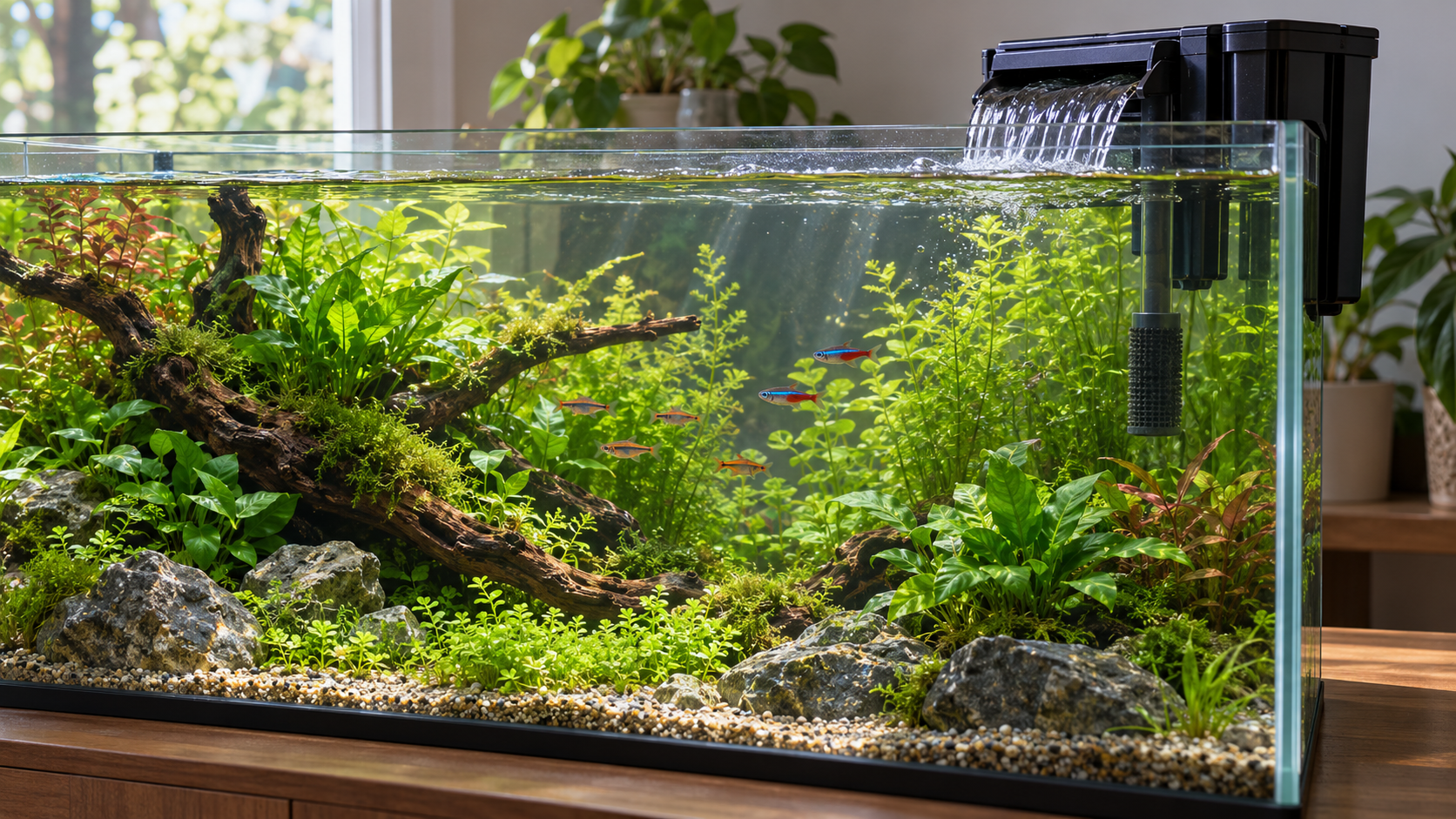
How Does an Aquarium Filter Clean the Water?
An aquarium filter moves water through mechanical media that catches debris and biological media where microbes process toxic nitrogen compounds.

Don't Just Read it – Explore It
An aquarium filter moves water through mechanical media that catches debris and biological media where microbes process toxic nitrogen compounds.
A retractable leash stores tape or cord on a spring-loaded reel and uses a thumb-operated brake to stop payout at a chosen length.
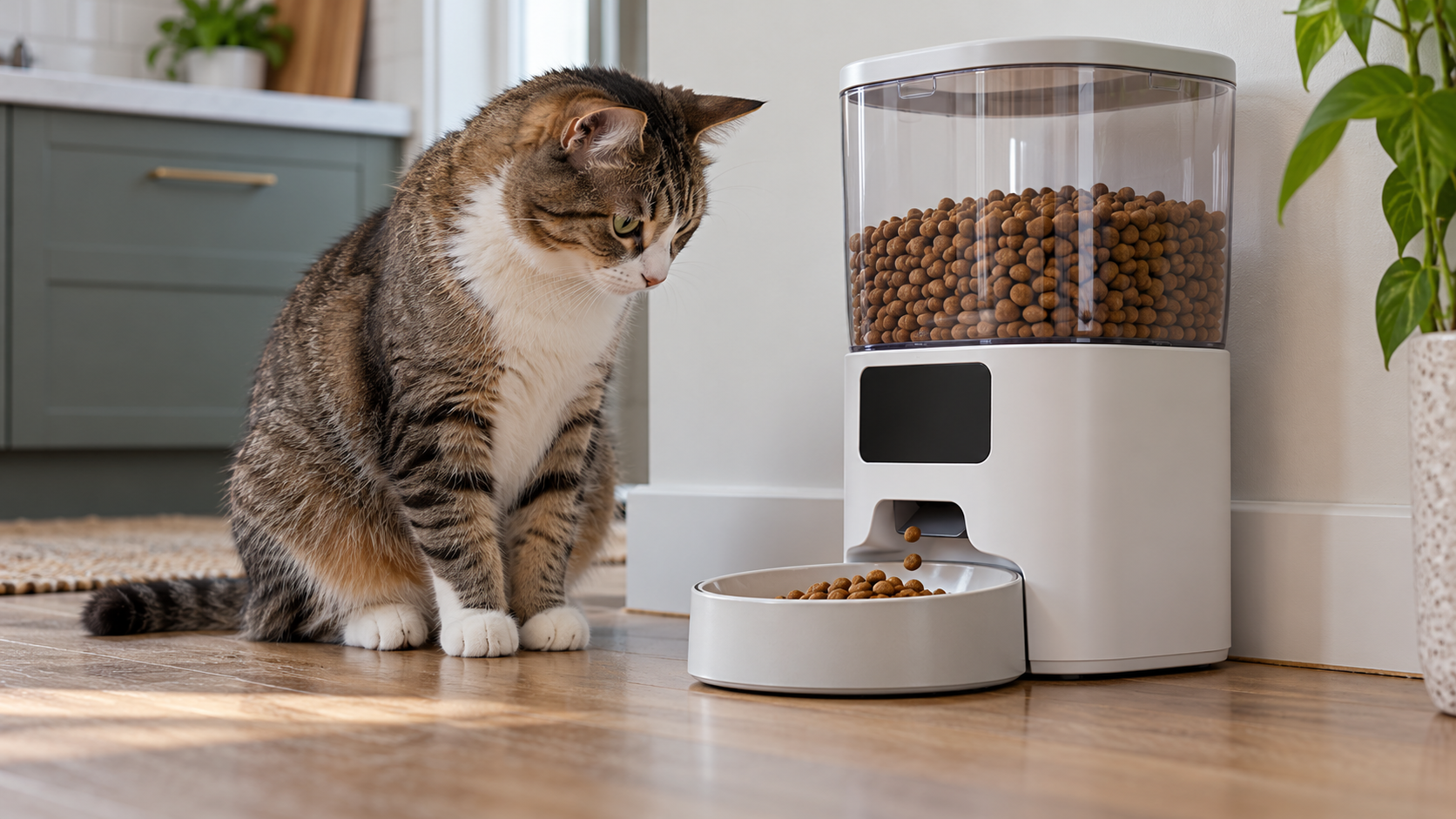
An automatic pet feeder uses a timed motor to rotate an auger, paddle, or segmented tray that releases a repeatable volume of dry food.
A falling cat senses orientation with its inner ear and twists flexible body segments in opposite directions to rotate without pushing against the air.
An automatic umbrella releases a compressed spring that extends the shaft and drives a runner along the ribs to open the canopy.
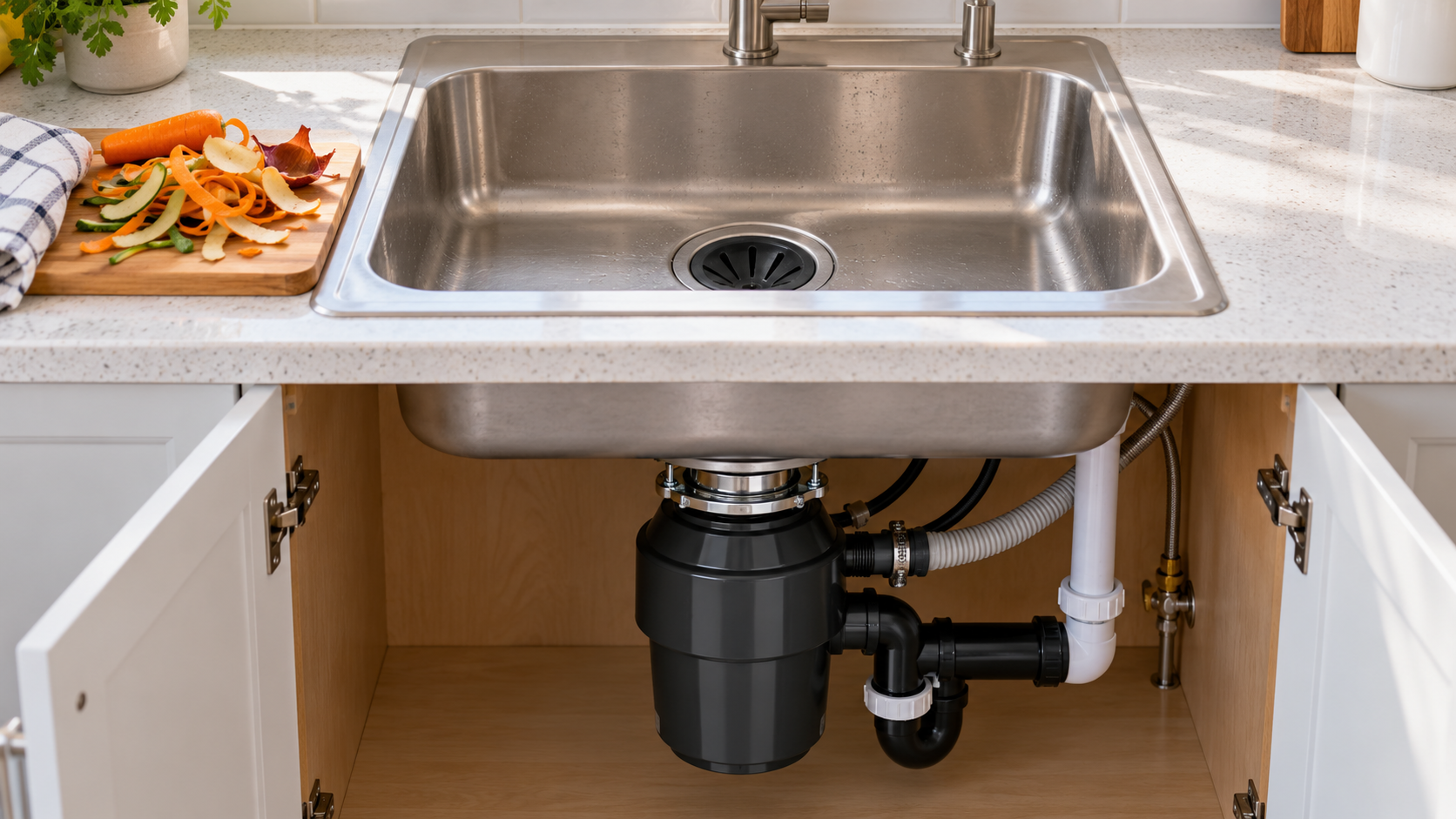
A garbage disposal uses a fast-spinning plate and swiveling impellers to force small food scraps against a stationary shredder ring before water carries the particles away.
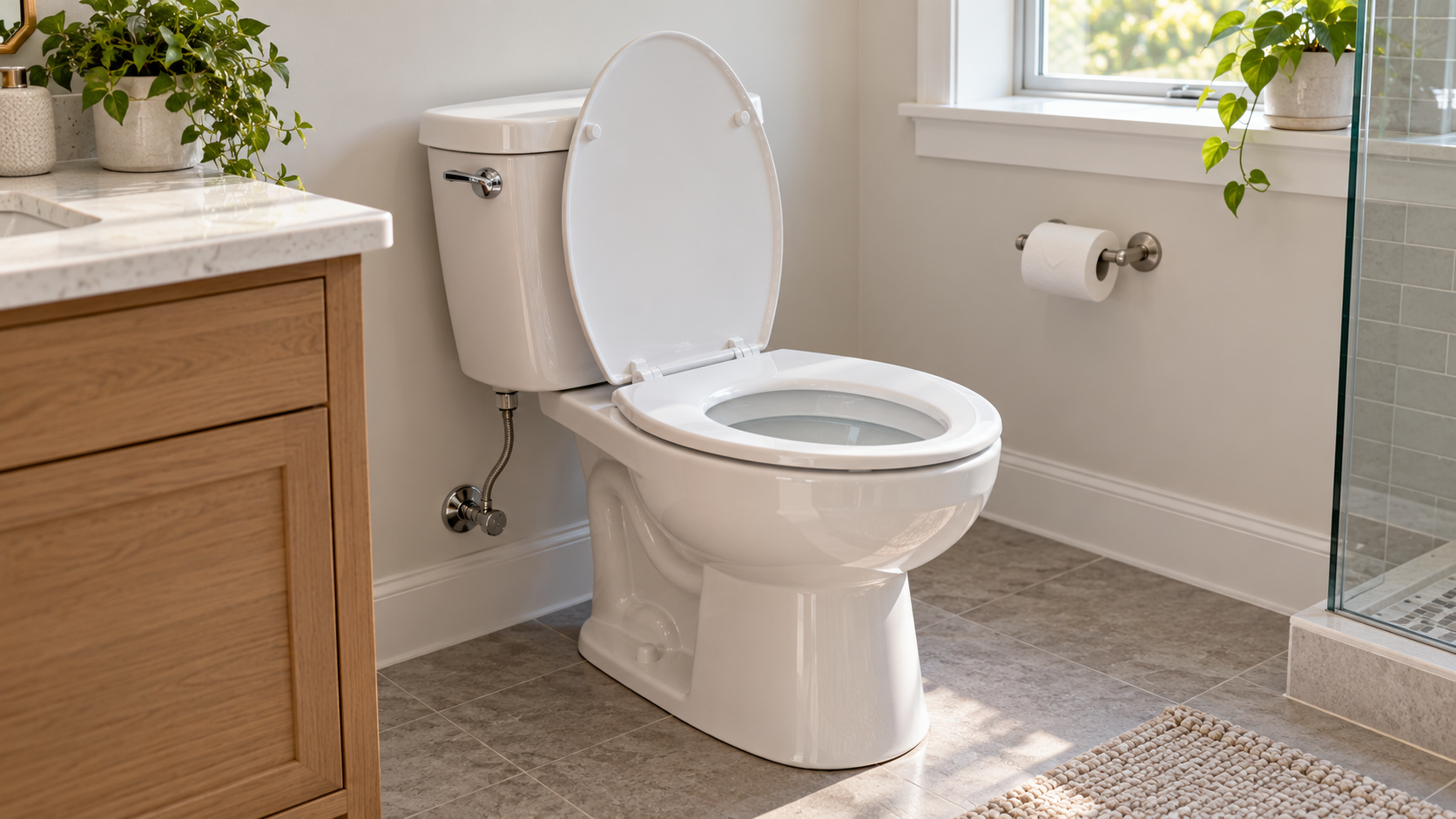
A gravity toilet releases stored tank water into the bowl, starting a siphon that carries waste through the trapway before the tank and bowl refill.
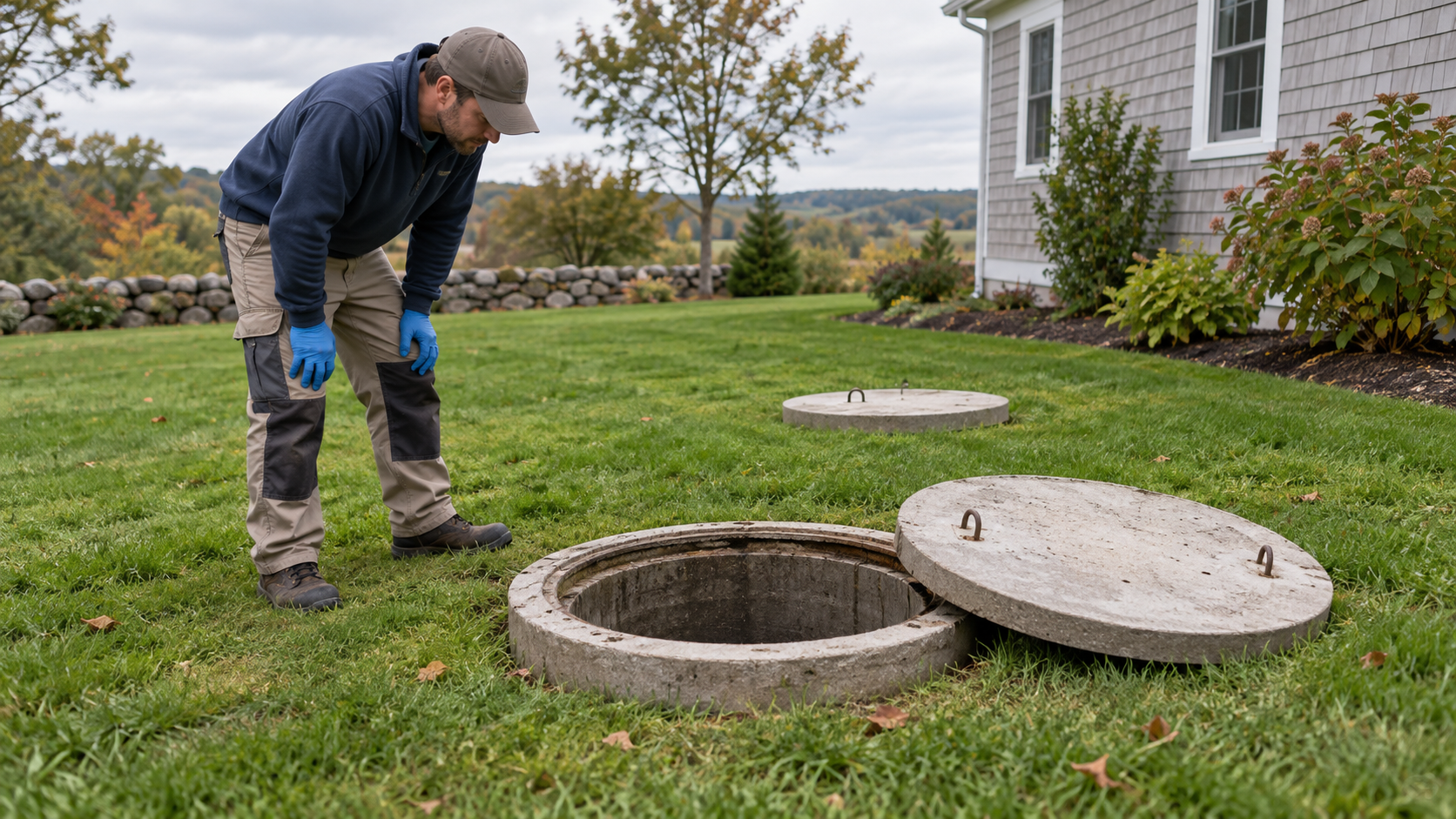
A conventional septic system separates solids in a buried tank and disperses clarified wastewater through soil, where physical and biological processes provide further treatment.
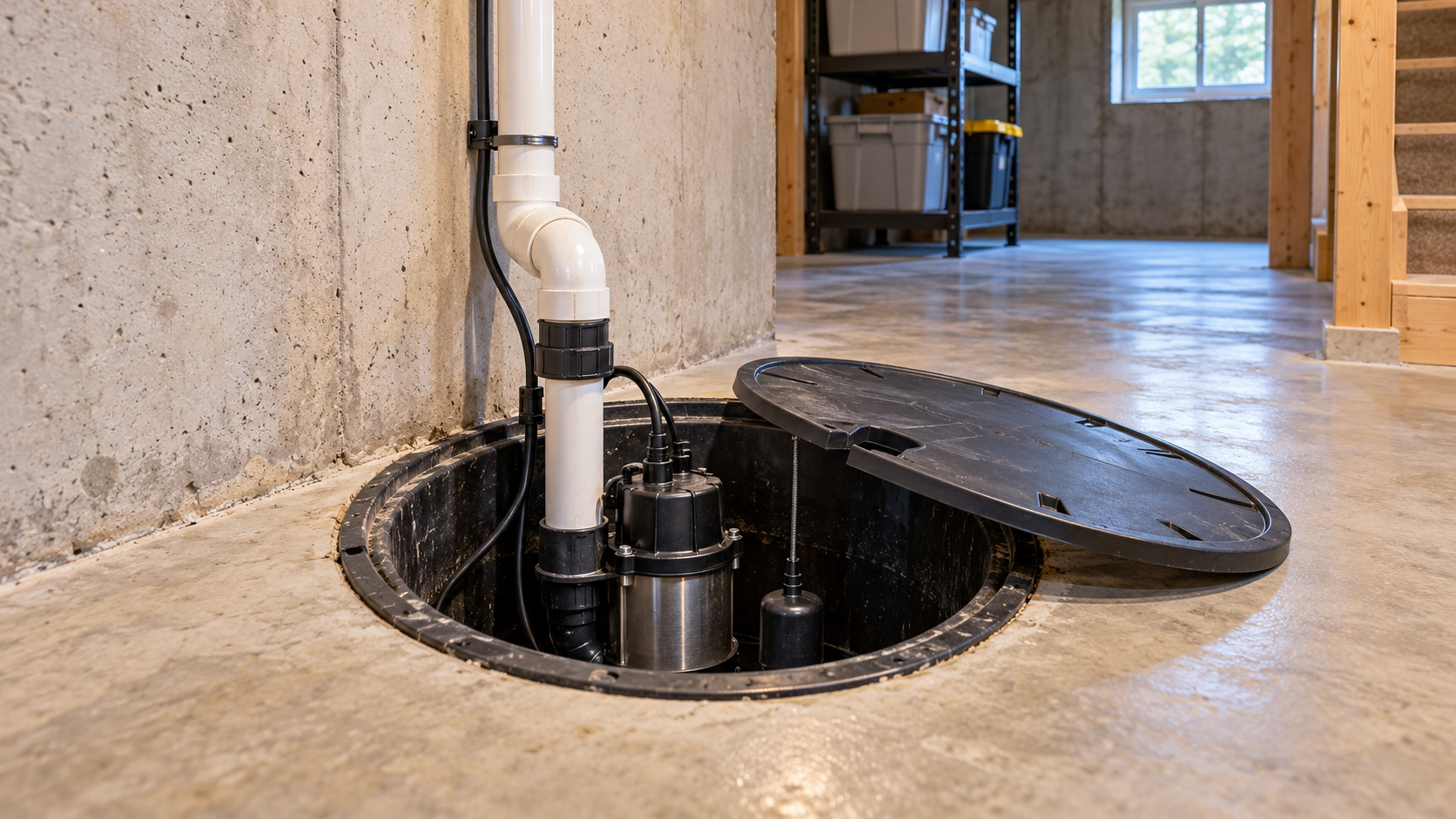
A sump pump collects groundwater in a low basin and automatically sends it outdoors when a float or pressure switch detects that the water has risen.
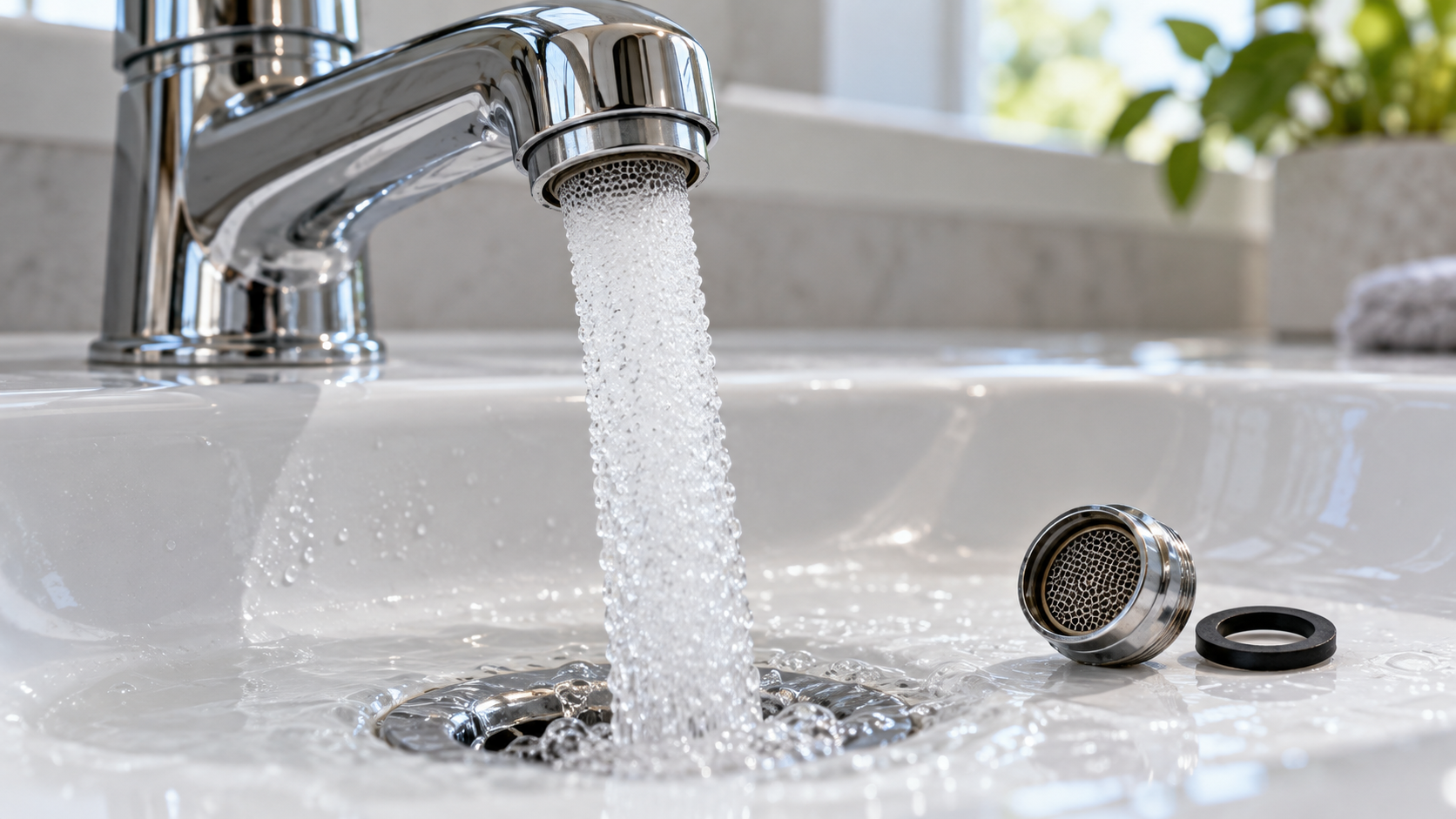
A faucet aerator limits and shapes water at the spout, often mixing in air so a lower flow still feels full and controlled.
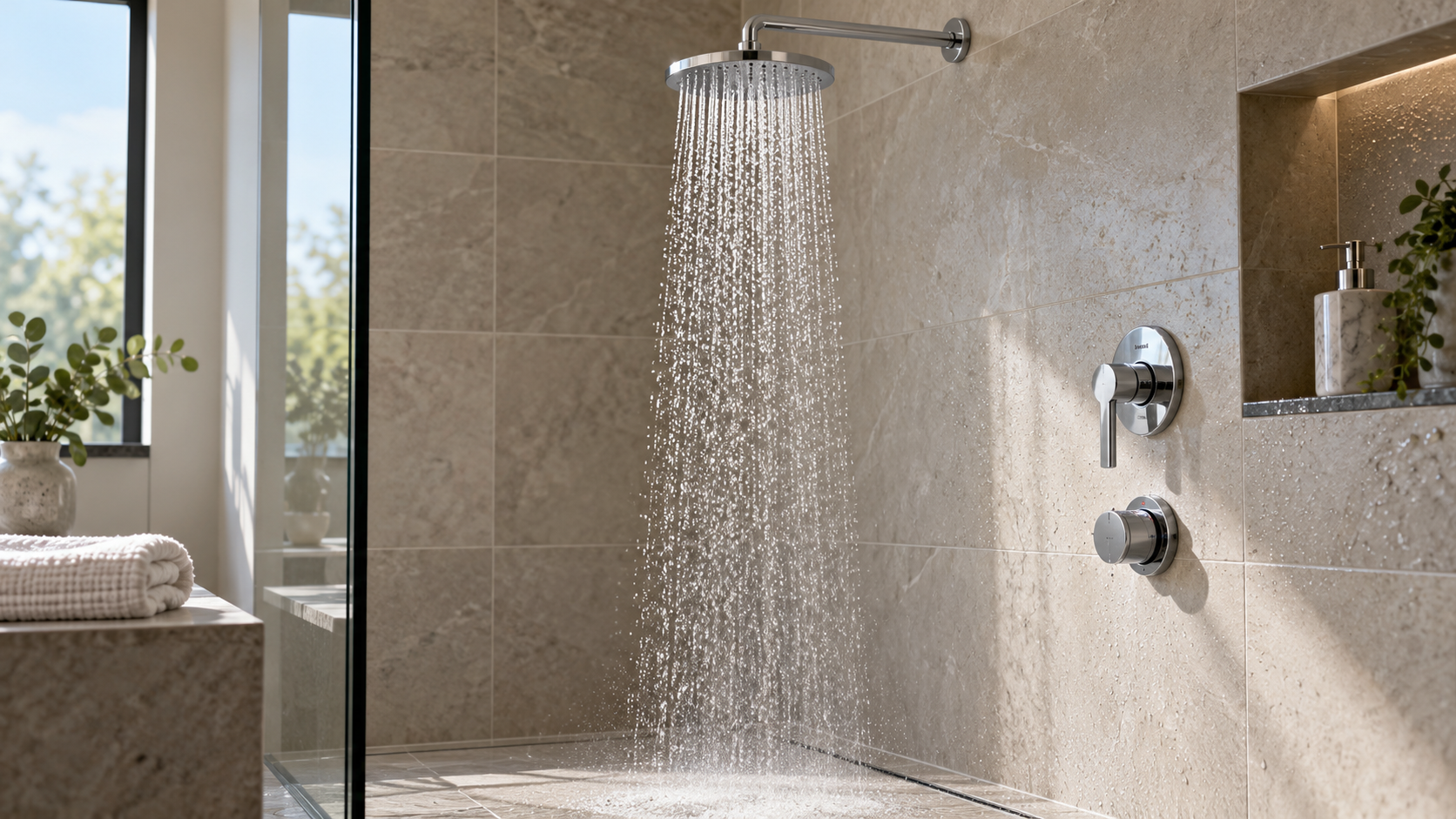
A thermostatic shower valve continuously adjusts the hot-and-cold mix when supply conditions change, helping the outlet stay near a selected temperature.
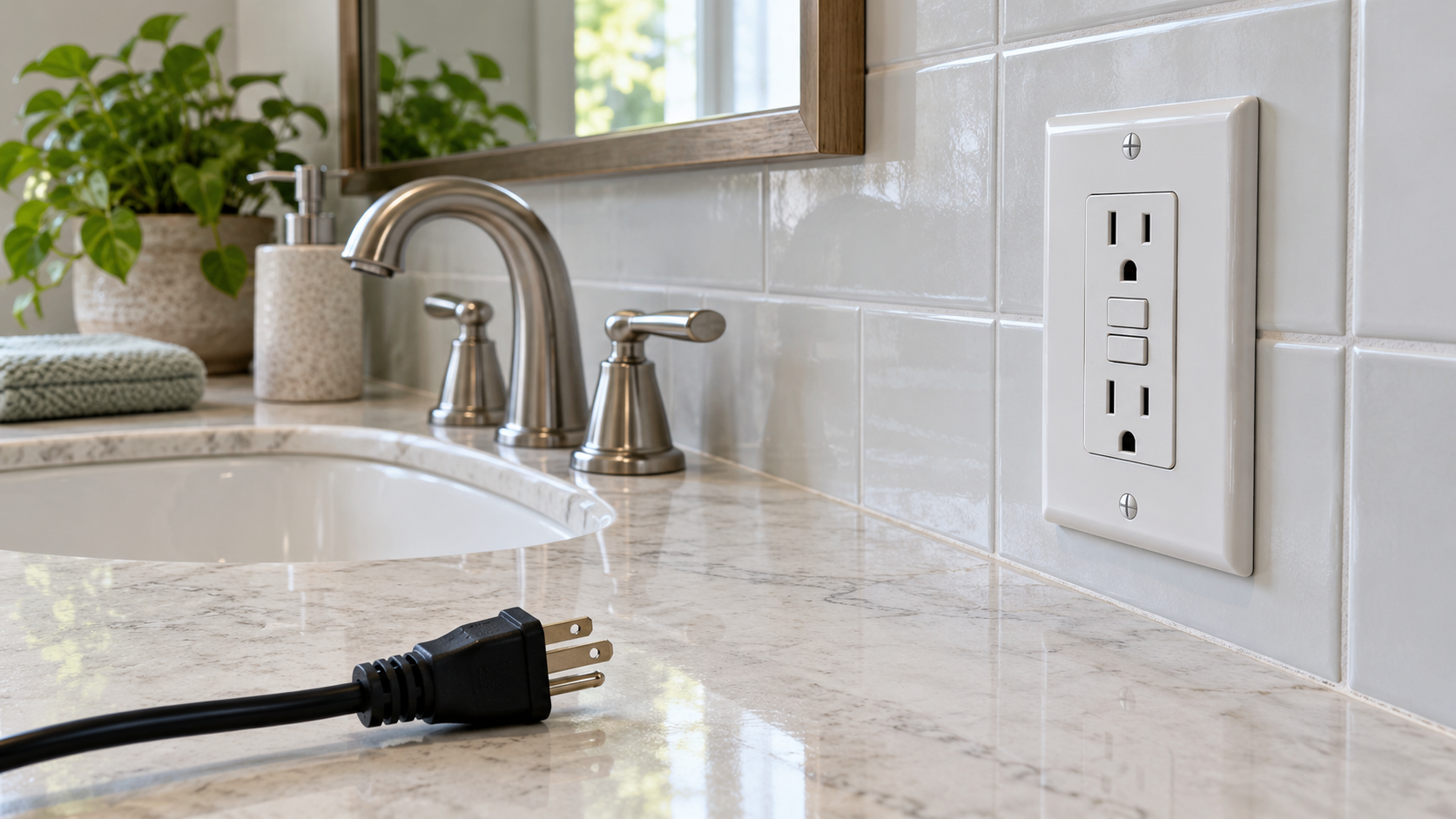
A GFCI compares current on the hot and neutral conductors and disconnects power quickly when an imbalance suggests electricity is escaping along an unintended path.