How Does a Sink P-Trap Block Sewer Gas?
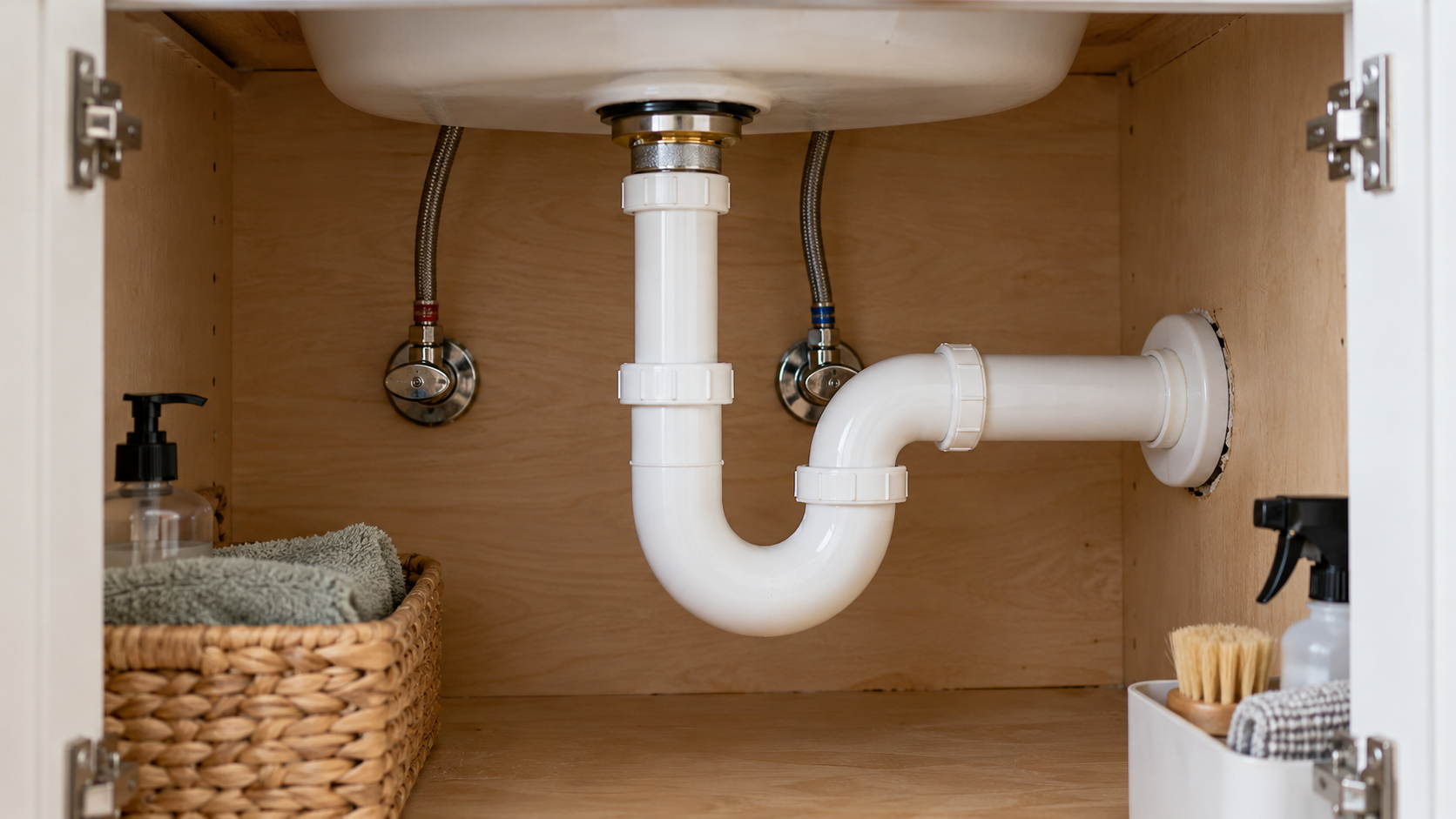
A P-trap holds a small standing pool of water in its curved section, creating a liquid seal between a sink drain and the sewer system.

Don't Just Read it – Explore It
A P-trap holds a small standing pool of water in its curved section, creating a liquid seal between a sink drain and the sewer system.
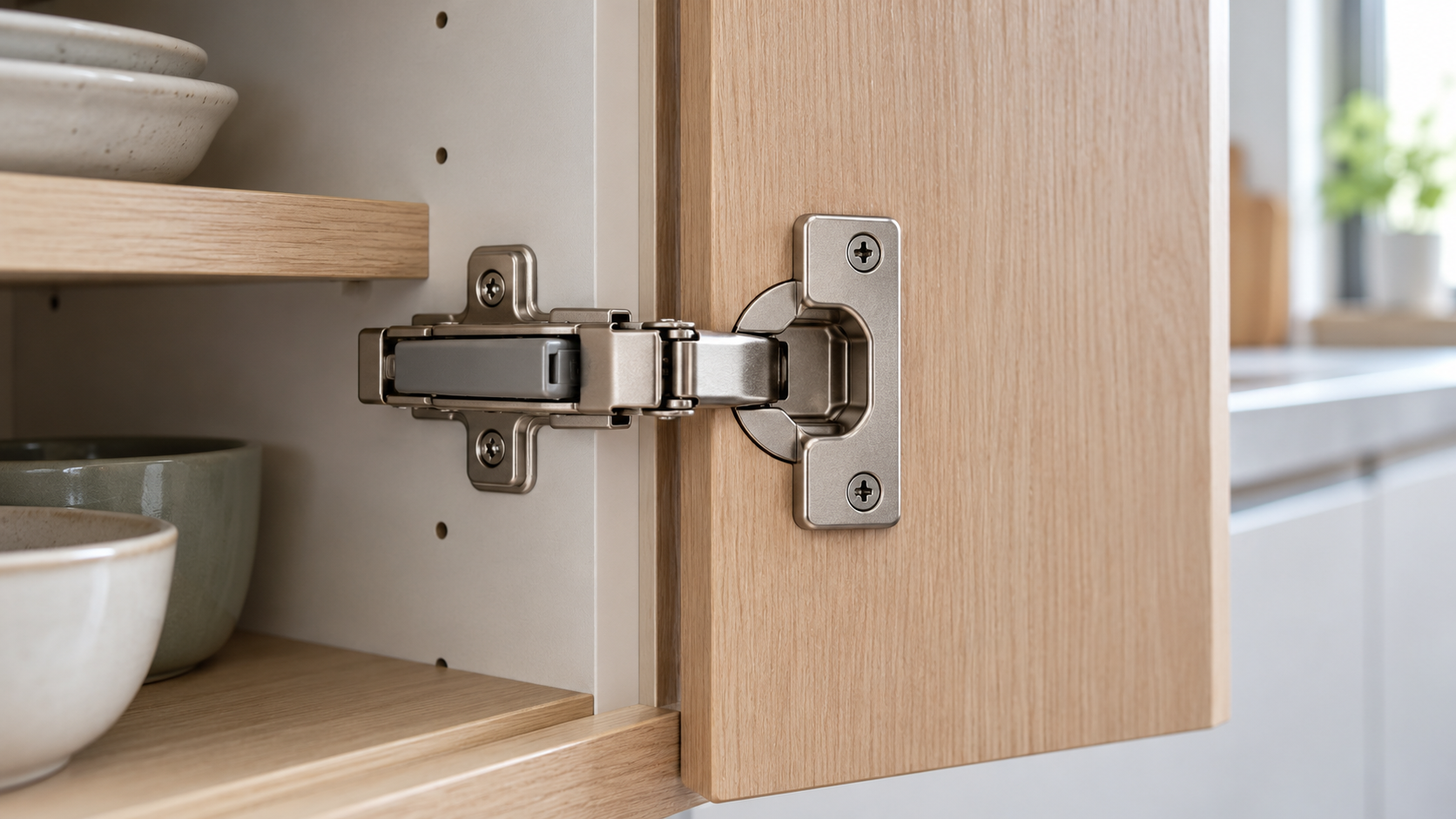
A soft-close hinge uses a small damper to resist the final part of a cabinet door’s swing, absorbing energy before the spring pulls it shut.
A roller shade clutch turns chain movement into tube rotation and uses internal friction to hold the shade at the chosen height.
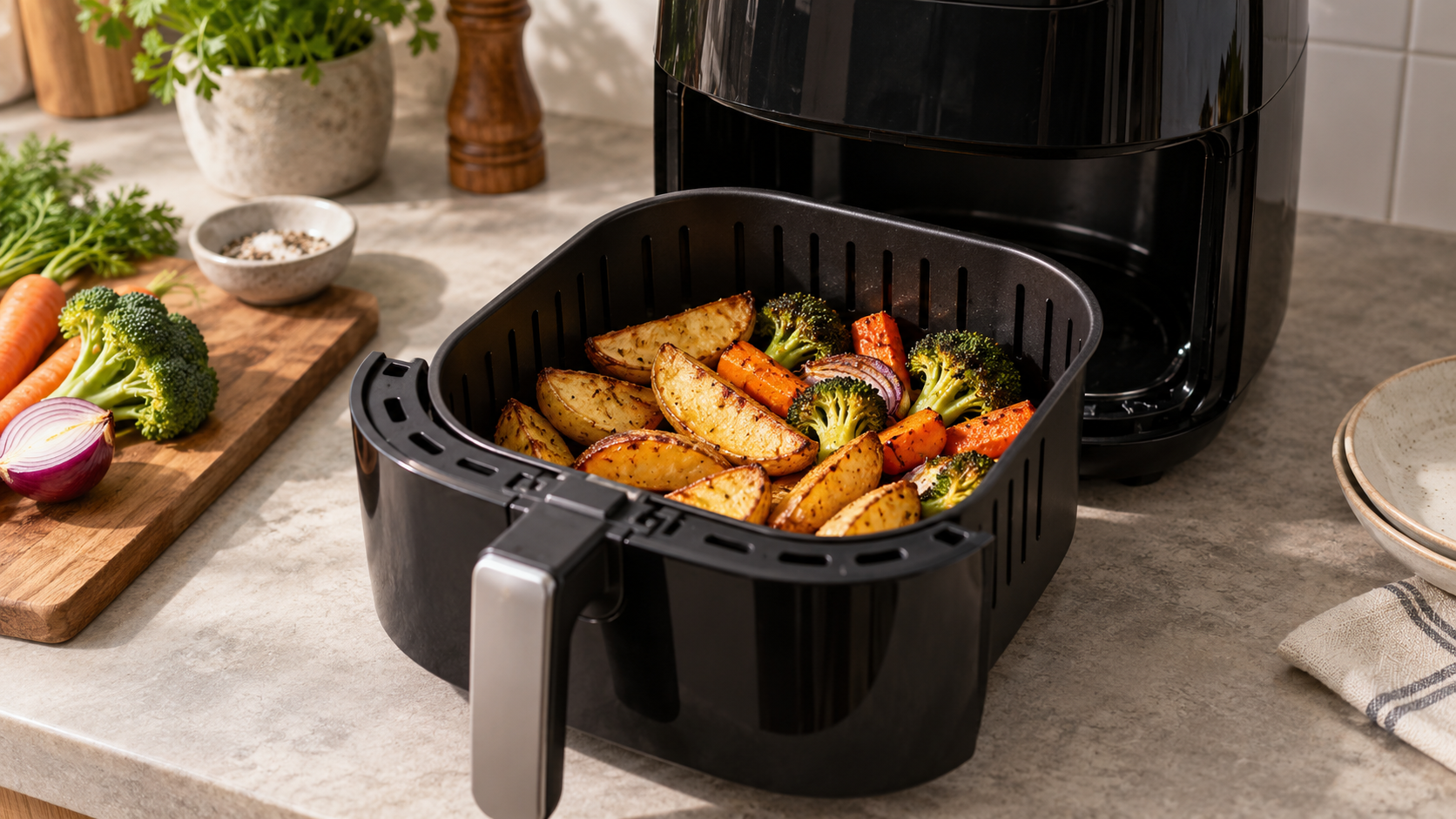
An air fryer cooks with a compact electric heater and high-speed fan that circulate hot air around food in a perforated basket.
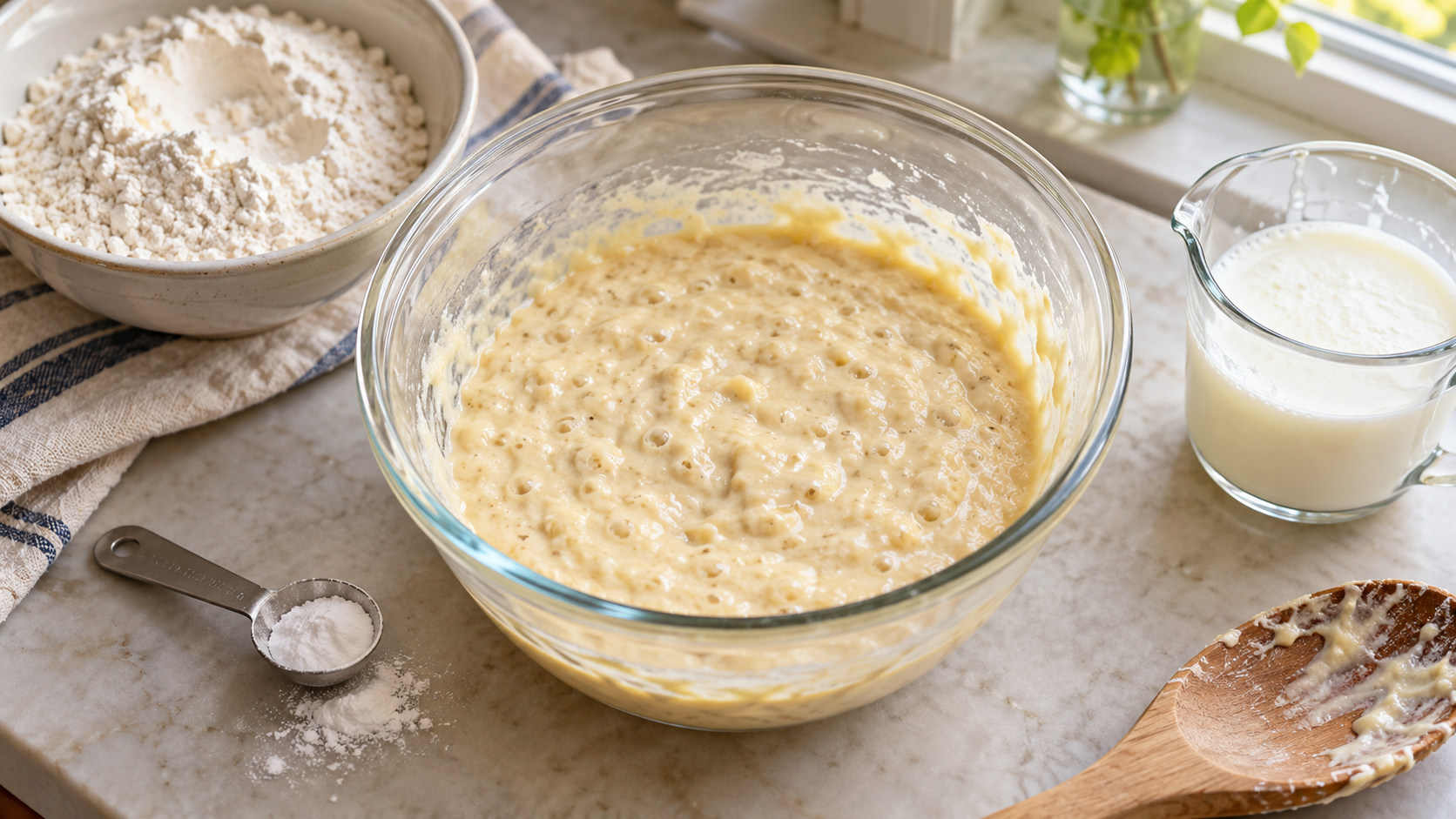
Baking soda reacts with acids in batter or dough to release carbon dioxide gas, which expands trapped bubbles during baking.
Pectin molecules form a water-holding network when fruit, sugar, acidity, and heat are balanced, turning cooked juice into a spreadable gel.
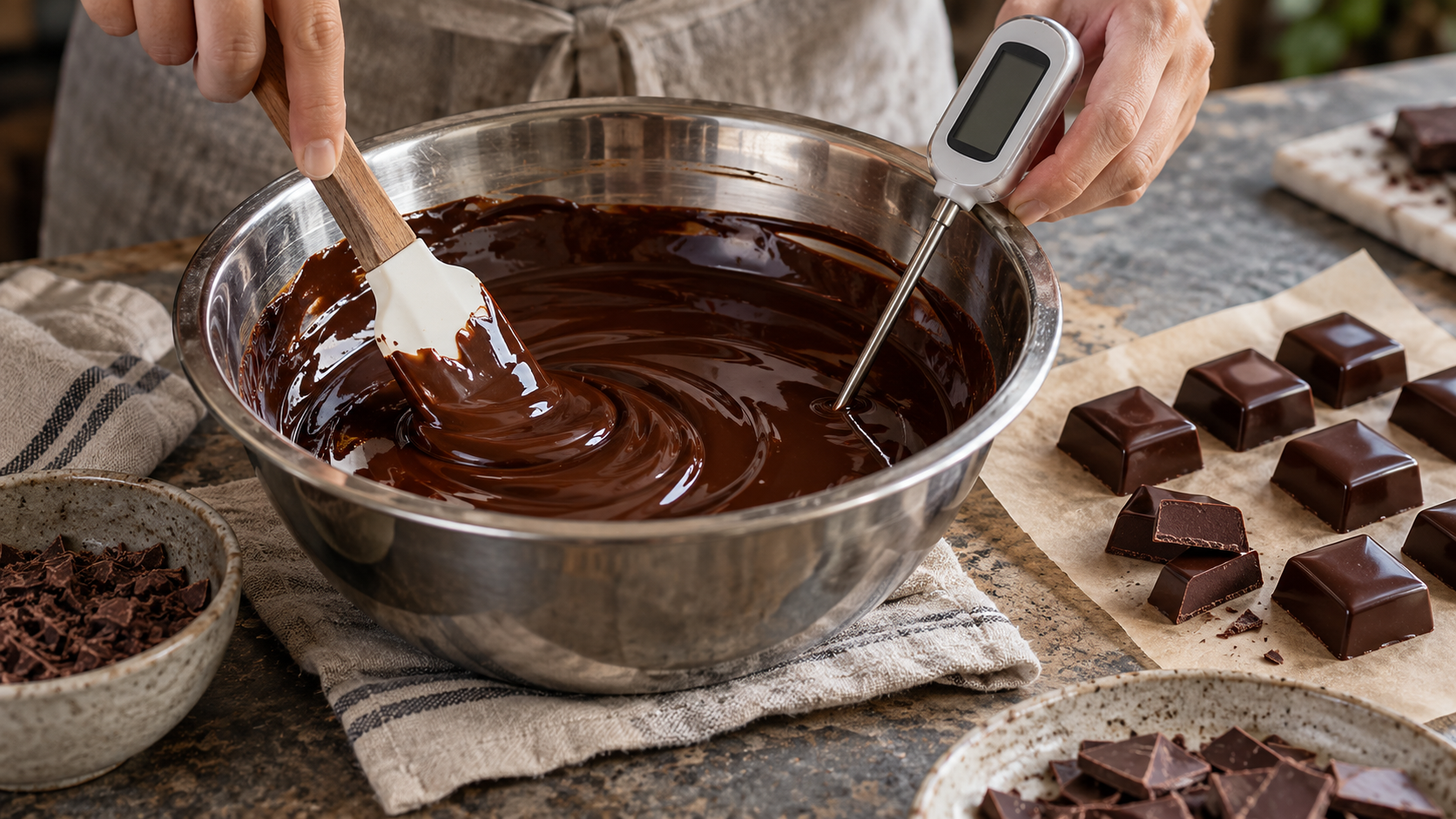
Tempering controls how cocoa butter crystallizes so finished chocolate contracts cleanly, shines, and breaks with a firm snap.
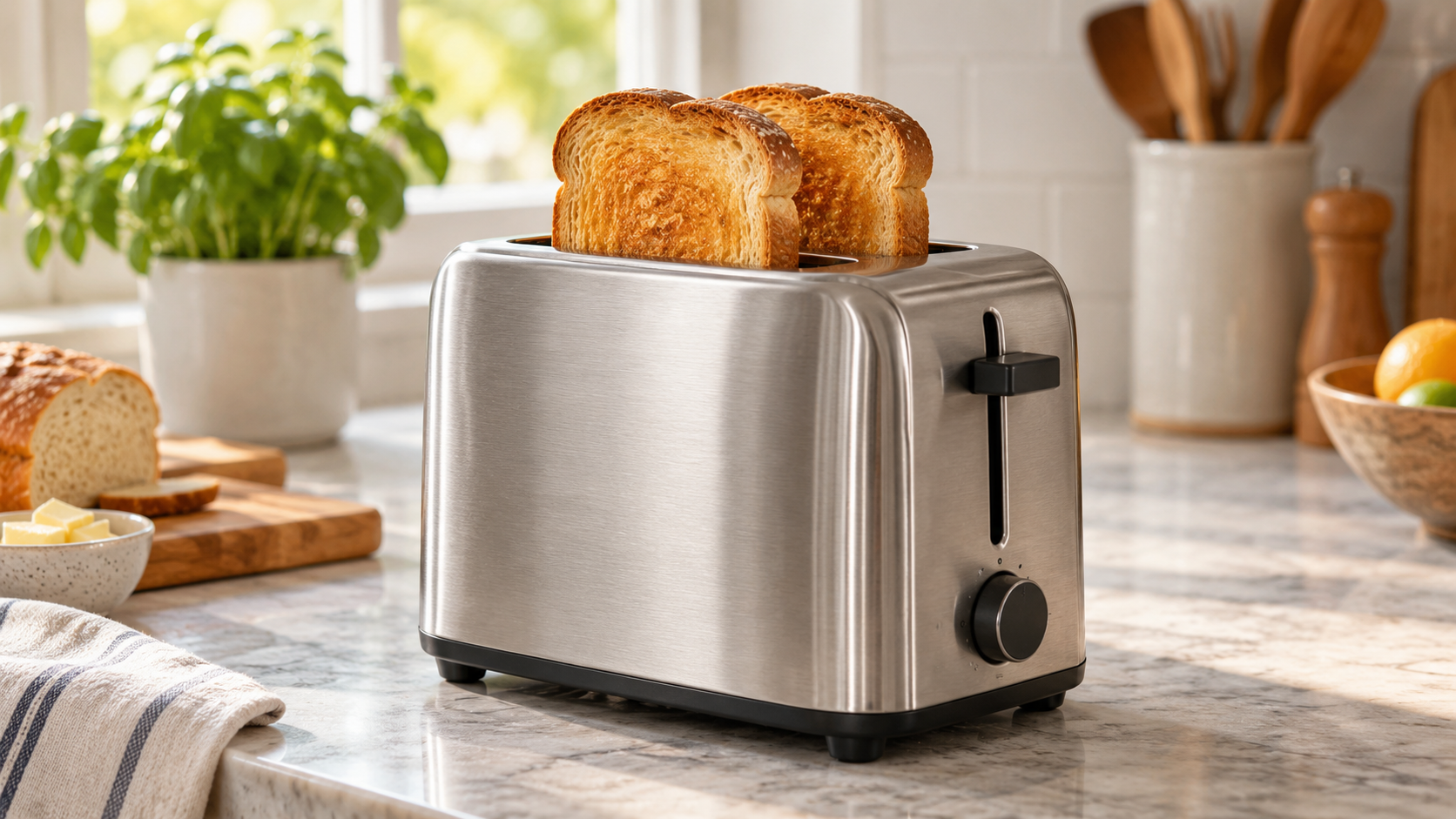
A pop-up toaster latches bread beside electric heating elements, times the cycle, then releases a spring-loaded carriage when the setting is reached.
A popcorn kernel pops when heated water becomes pressurized steam inside its hard shell until the hull ruptures and softened starch expands.
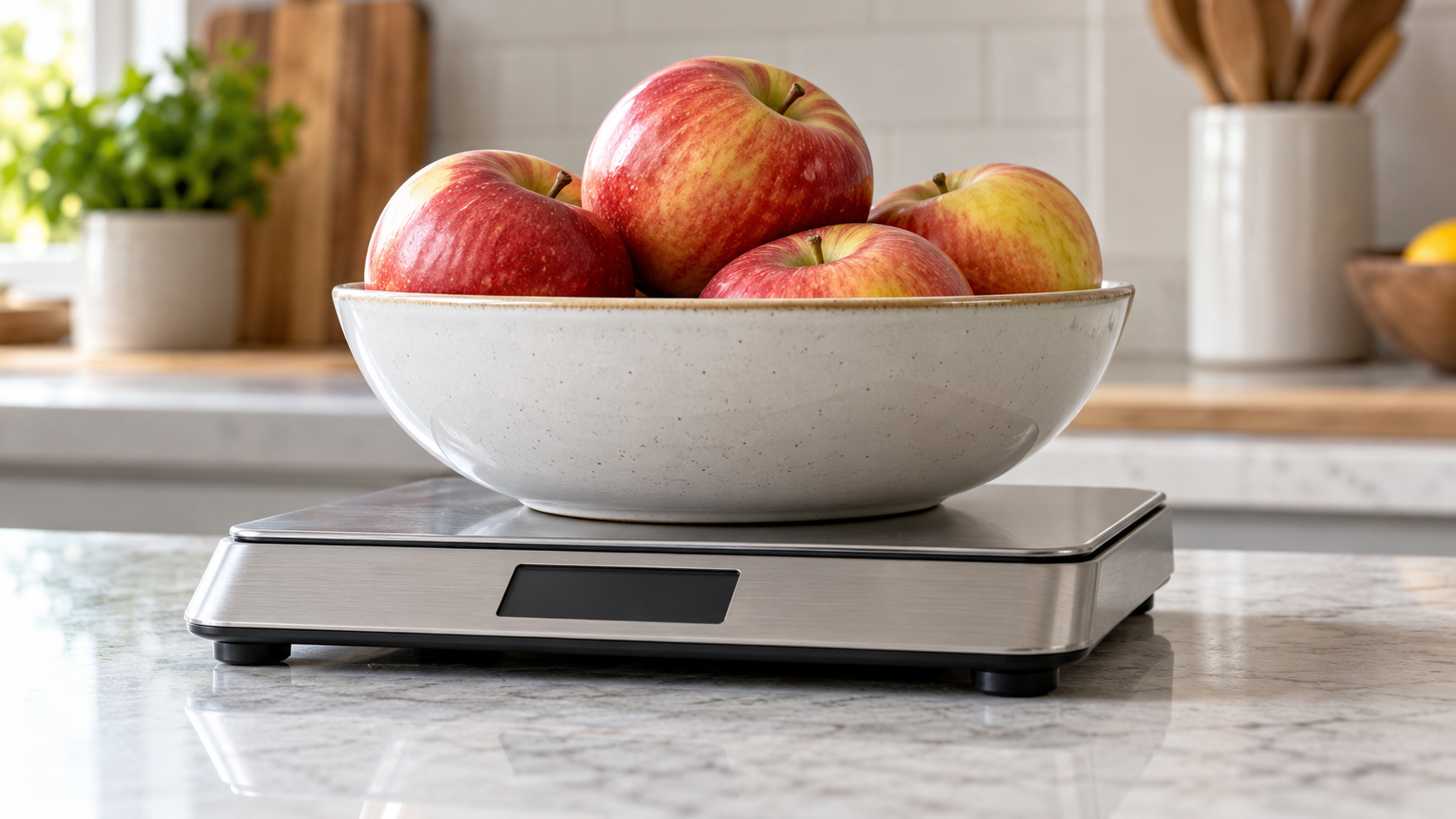
A digital kitchen scale measures the tiny deformation of a load cell and converts its electrical signal into a displayed mass.
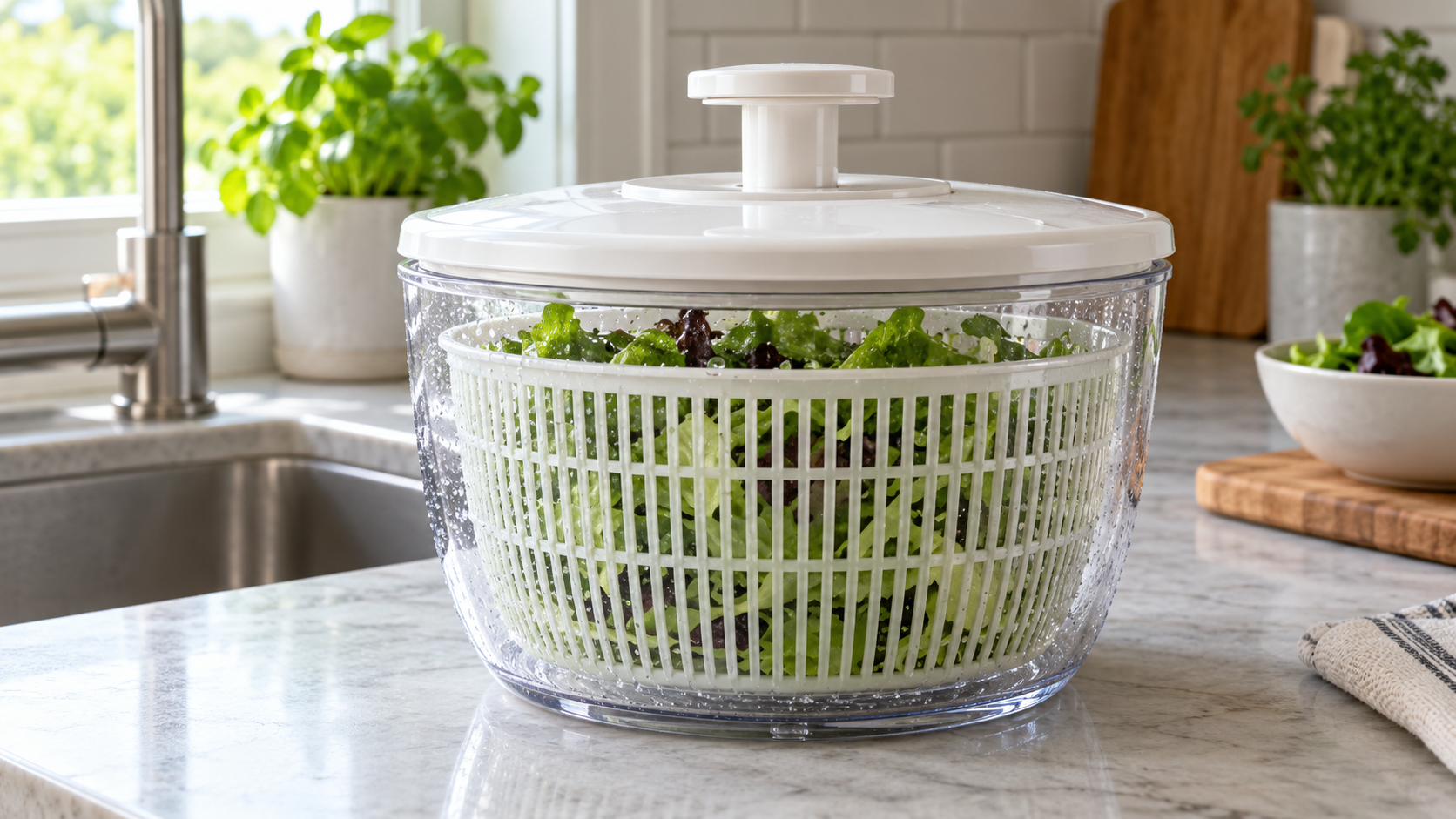
A salad spinner rotates a perforated basket so water droplets continue outward through its holes and collect in the stationary outer bowl.
A nonstick pan uses a low-surface-energy coating over a prepared metal base so food has fewer opportunities to bond strongly to the surface.