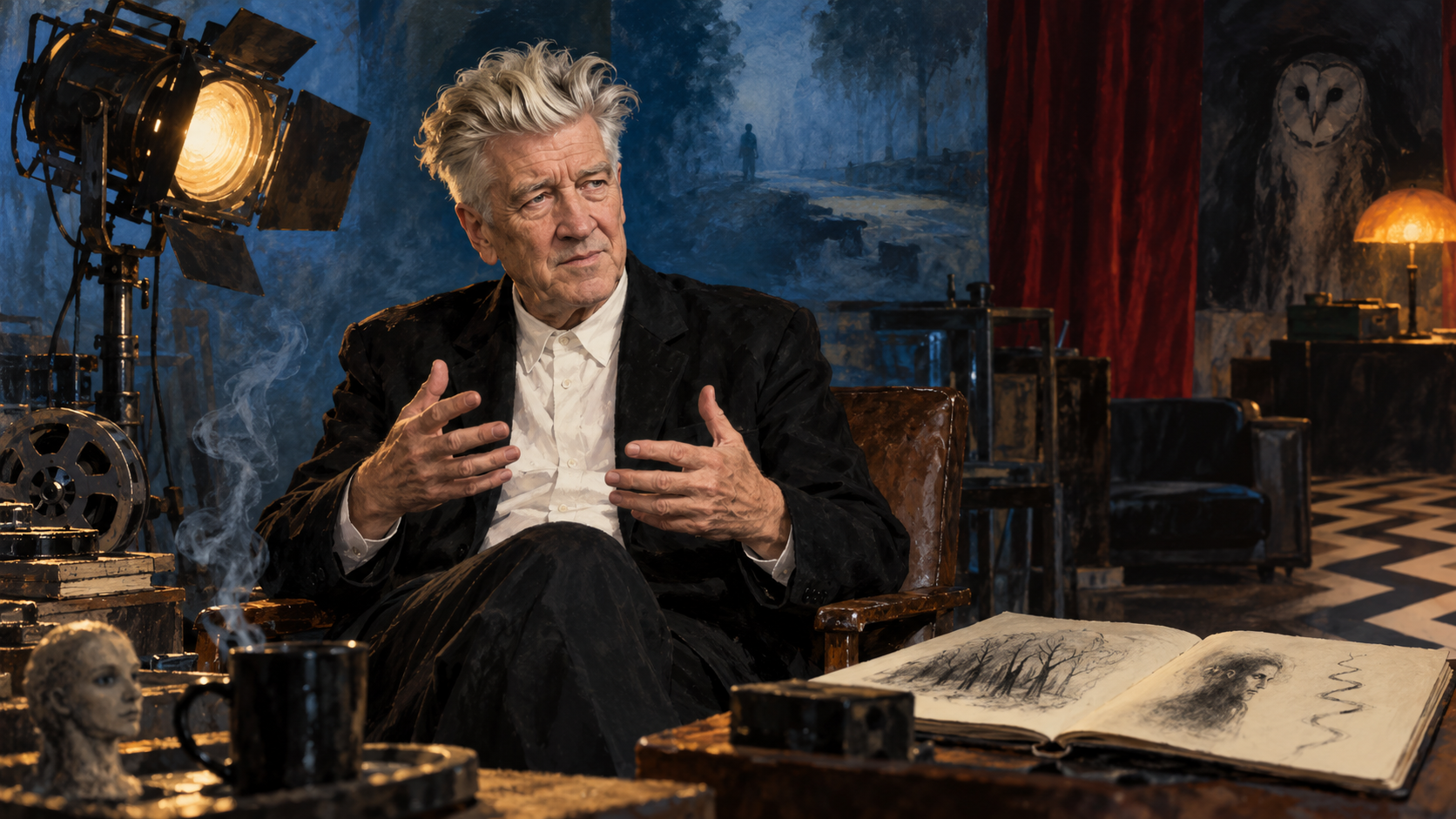
David Lynch, 2013
David Lynch’s 2013 interview separates dark artistic material from the corrosive mental state that can make sustained creation harder.

Don't Just Read it – Explore It
David Lynch’s 2013 interview separates dark artistic material from the corrosive mental state that can make sustained creation harder.
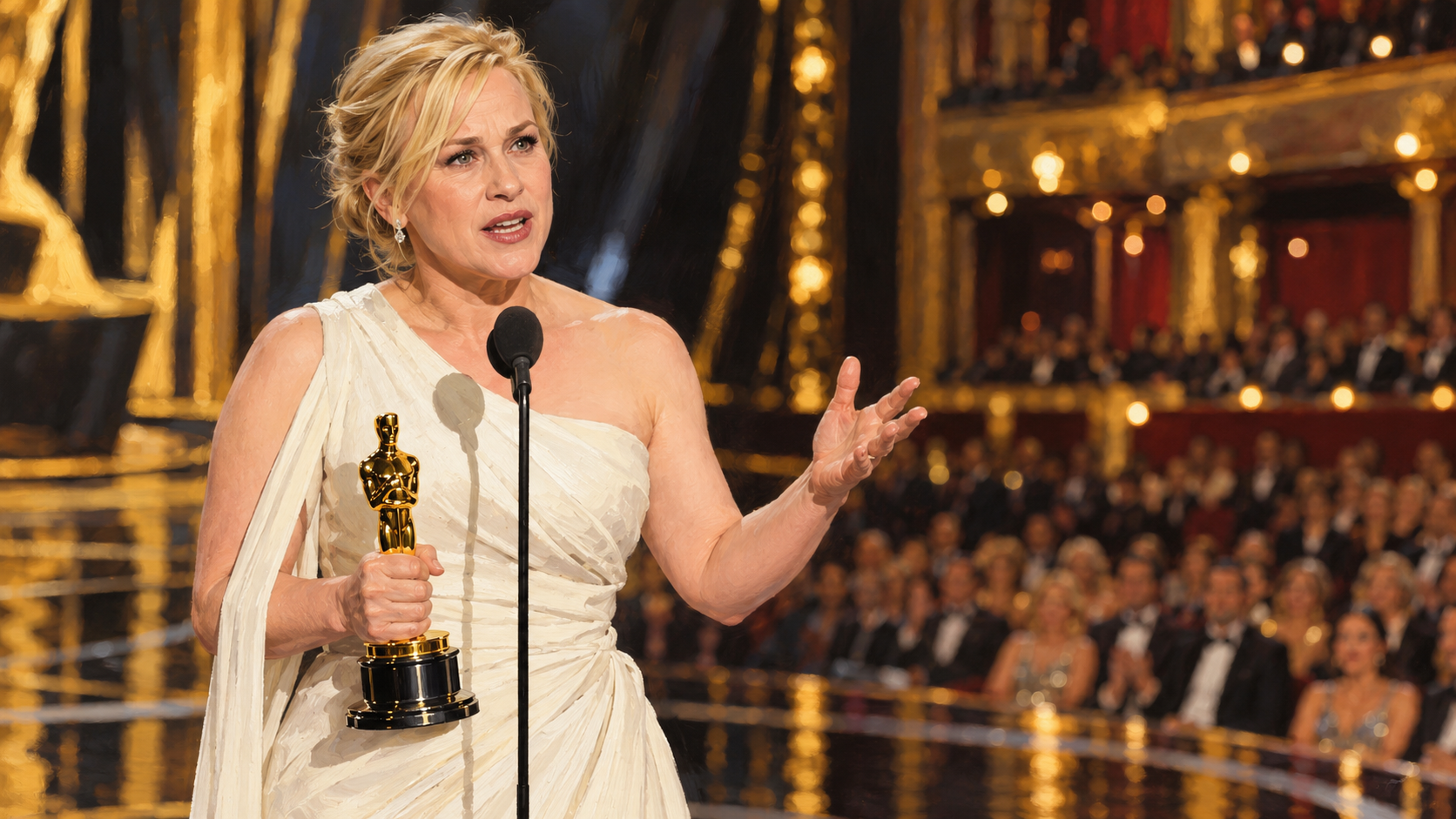
Patricia Arquette’s 2015 Oscar speech used a personal award to make a national demand for women’s wage equality and equal rights.
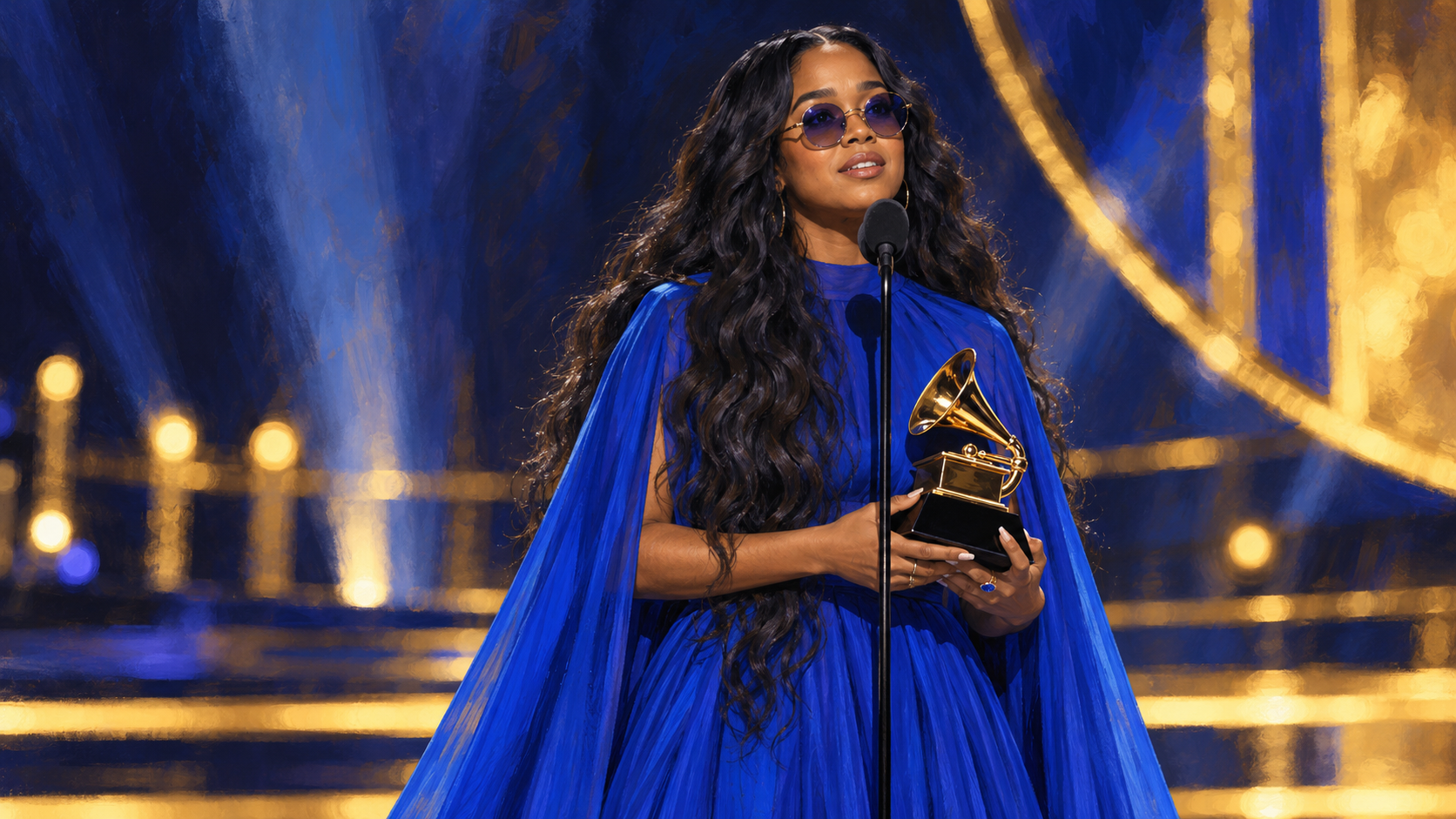
H.E.R.’s 2021 Oscar speech connects artistic power with knowledge, protest, and a continuing commitment to justice beyond one song.
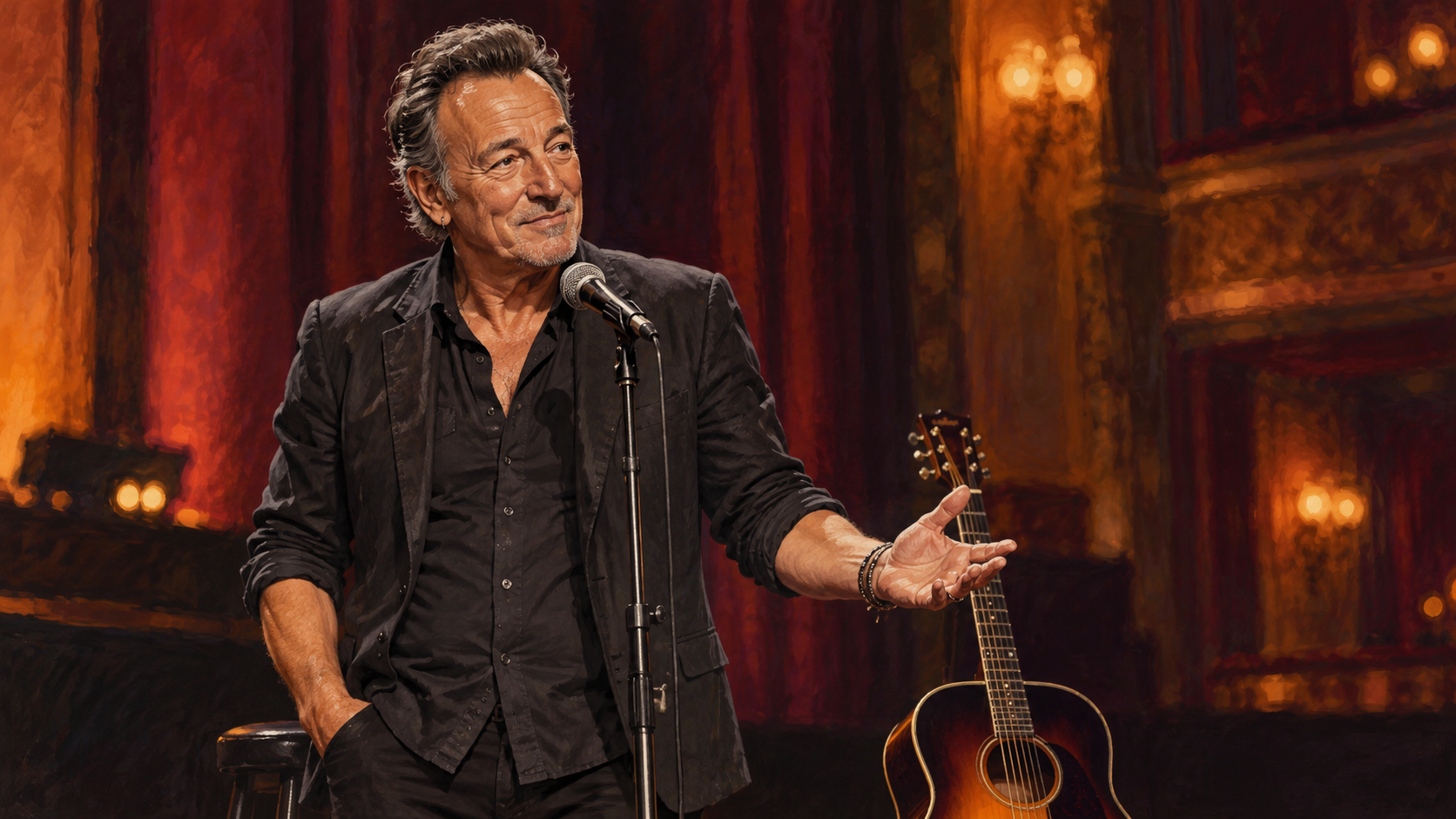
Bruce Springsteen’s 2012 SXSW keynote rejects purity tests and locates musical truth in what an artist can create from borrowed forms.
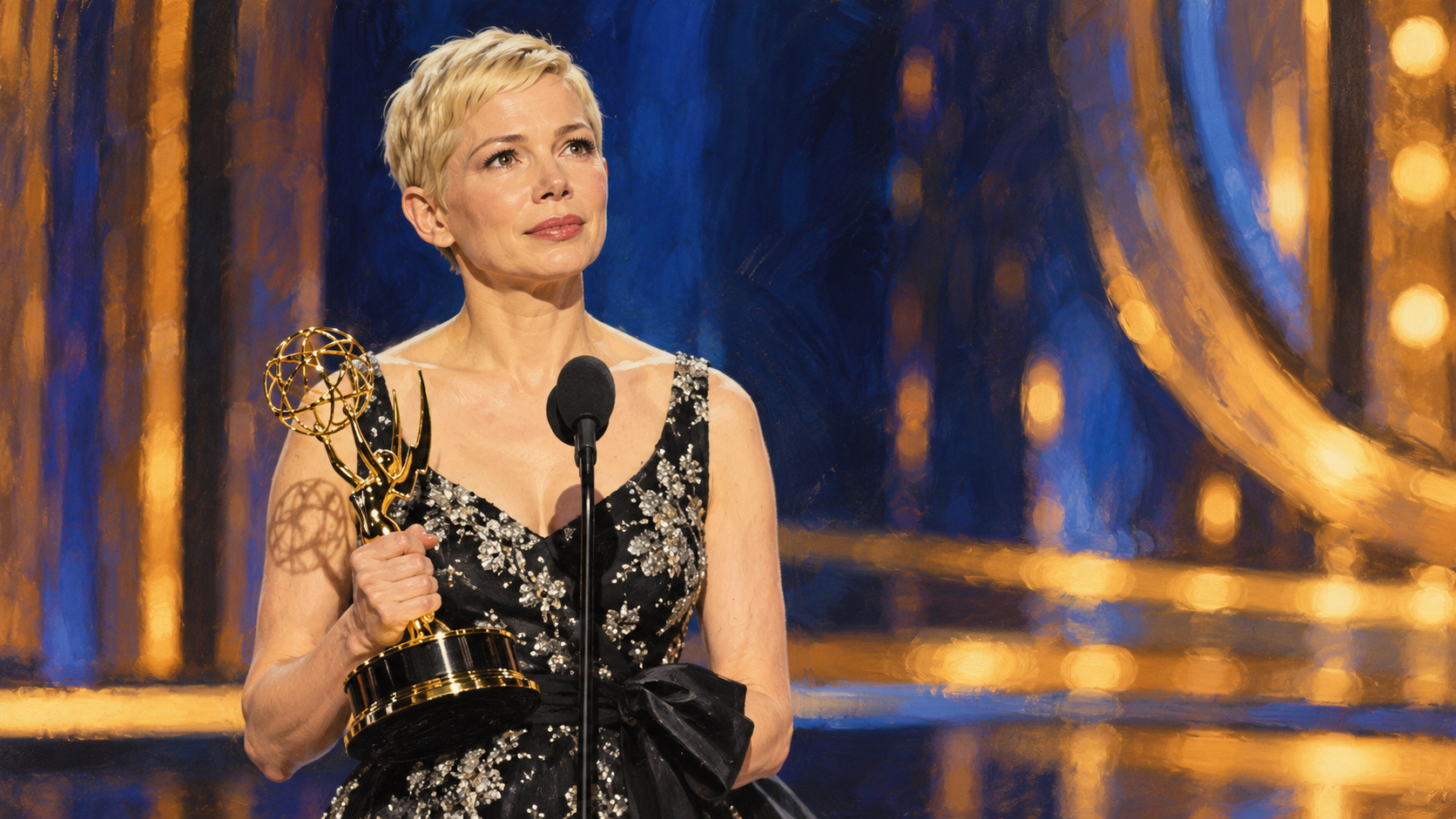
Michelle Williams’s 2019 Emmy speech argues that listening to performers—especially women of color—changes the conditions and quality of the work.
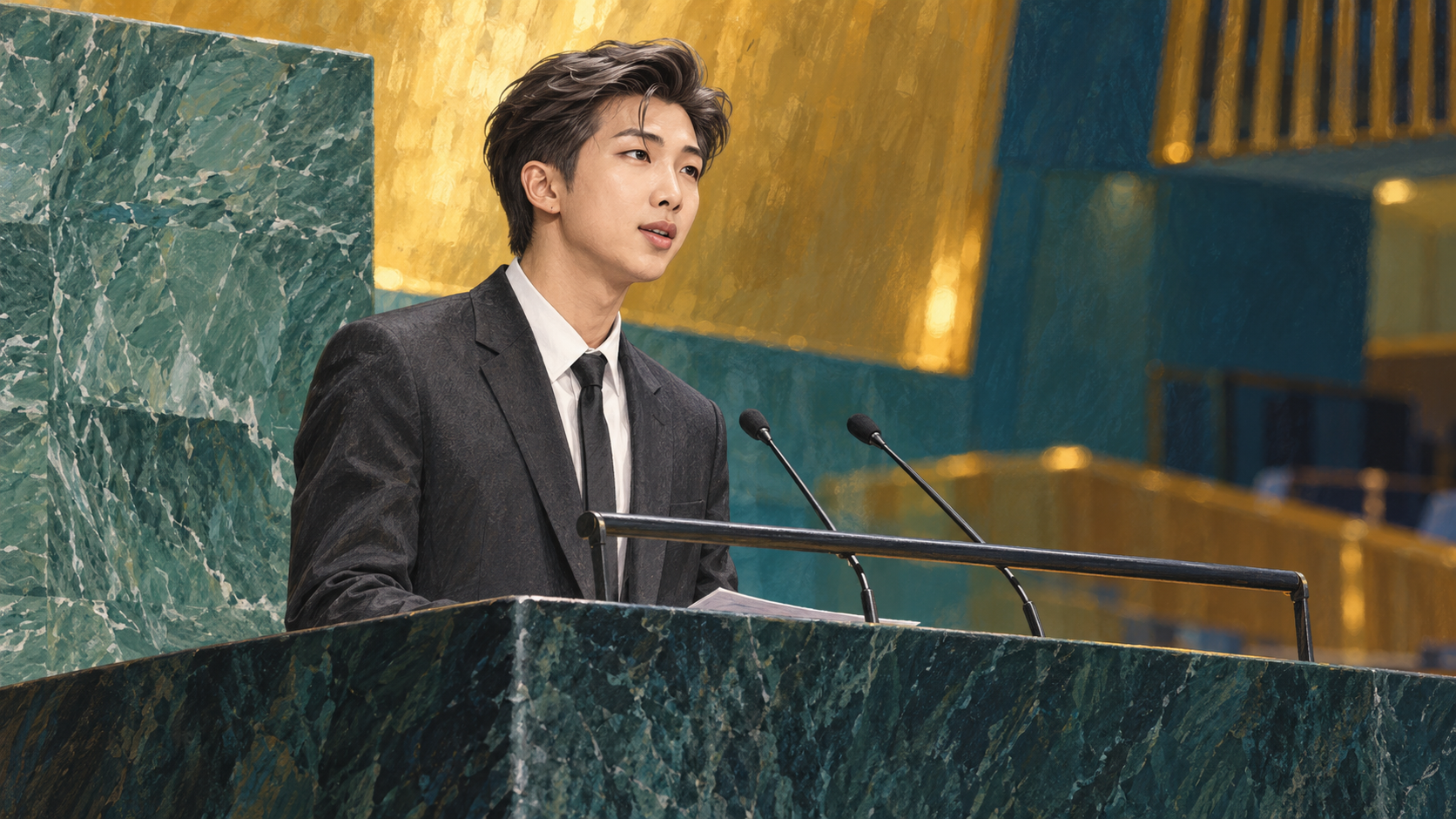
RM’s 2018 United Nations address turns self-acceptance into an invitation to speak one’s history, identity, and convictions aloud.
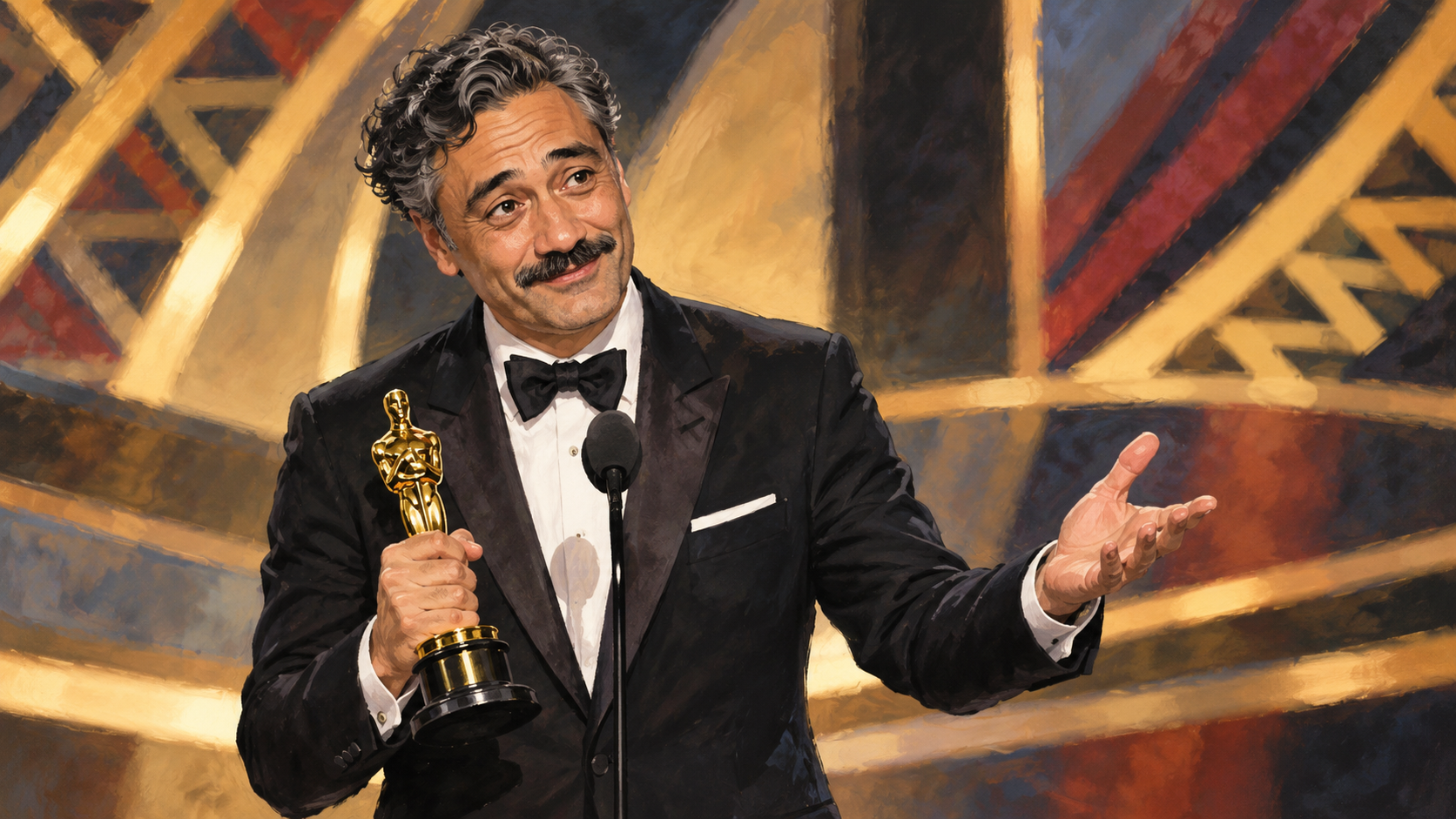
Taika Waititi’s 2020 Oscar dedication celebrates Indigenous children as future storytellers whose art belongs in the center of culture.
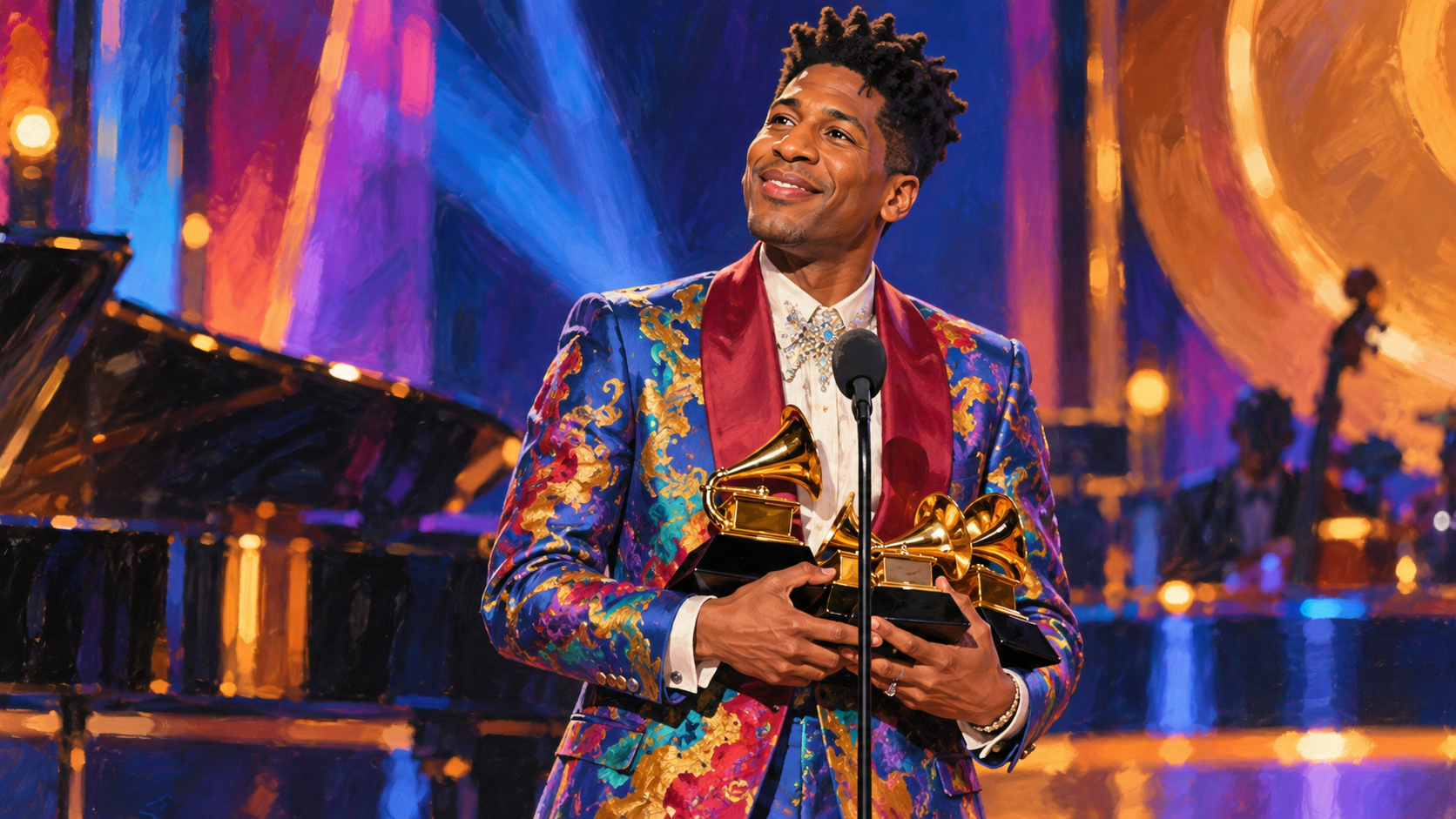
Jon Batiste’s 2022 Grammy speech questions the hierarchy of ‘best’ and describes art as a practice that reaches people in different moments.
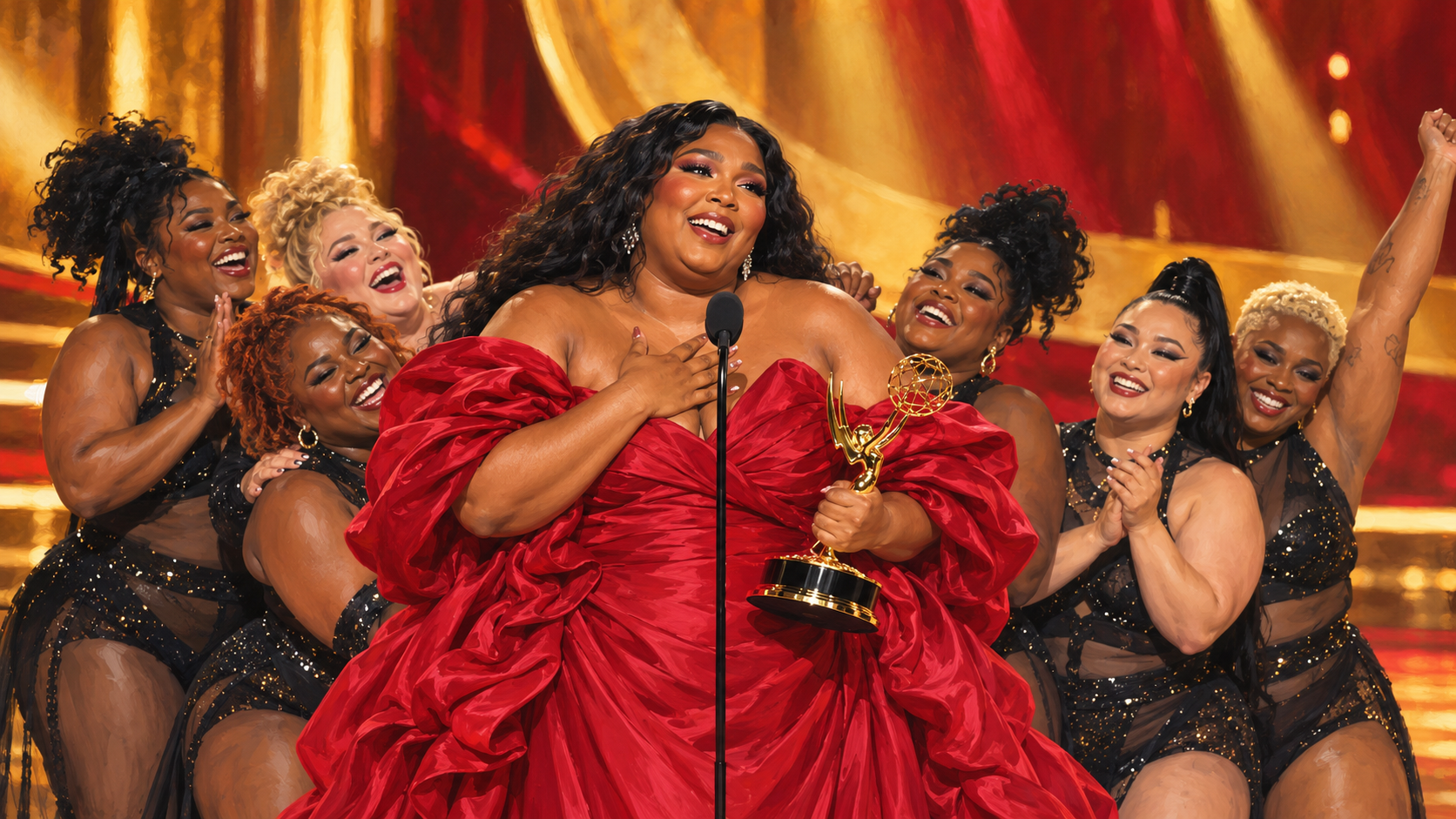
Lizzo’s 2022 Emmy speech shifts attention from the object of victory to the performers whose visibility gives the award its meaning.
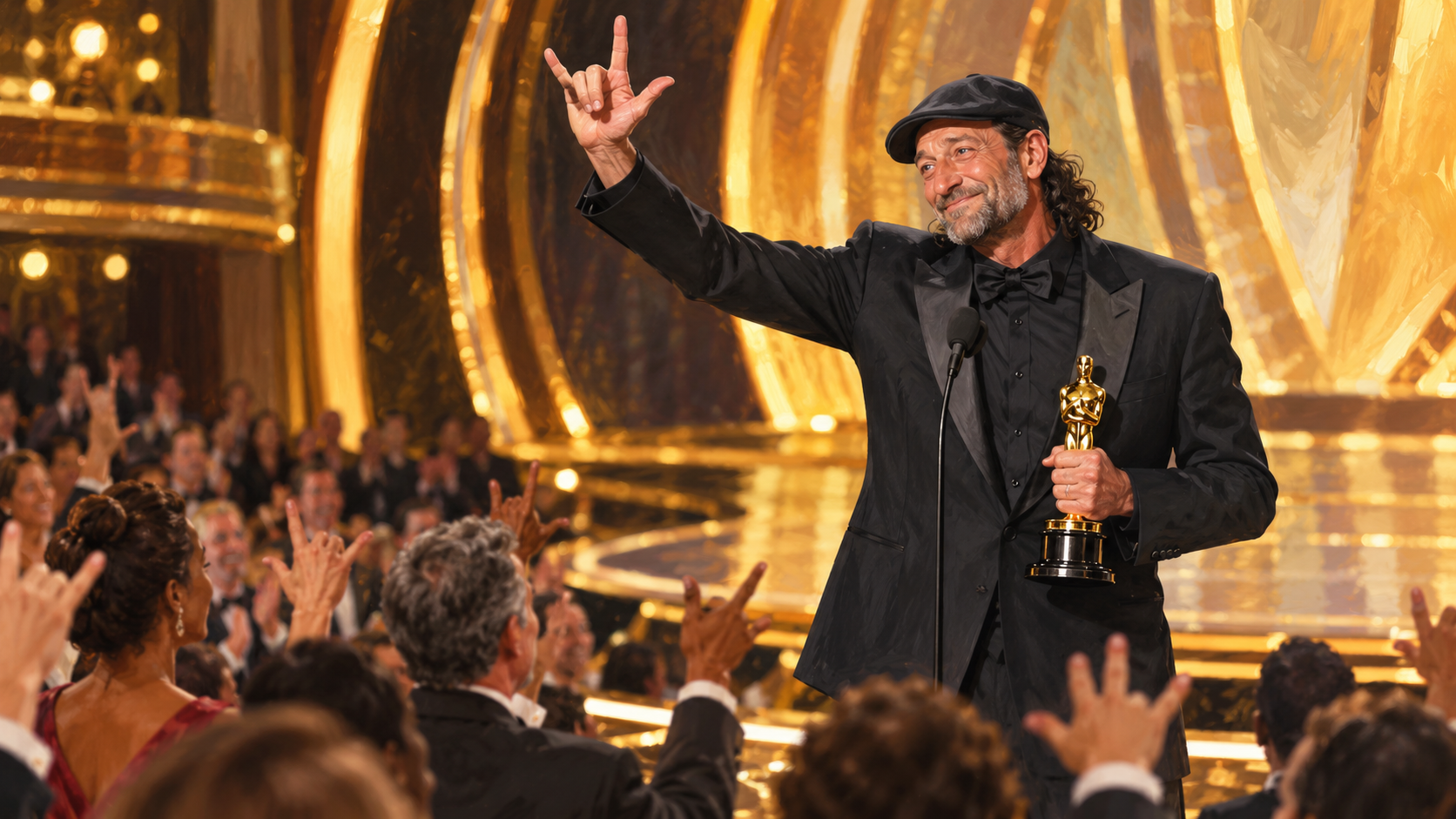
Troy Kotsur’s 2022 Oscar dedication places an individual milestone within the communities whose language, labor, and stories made it possible.
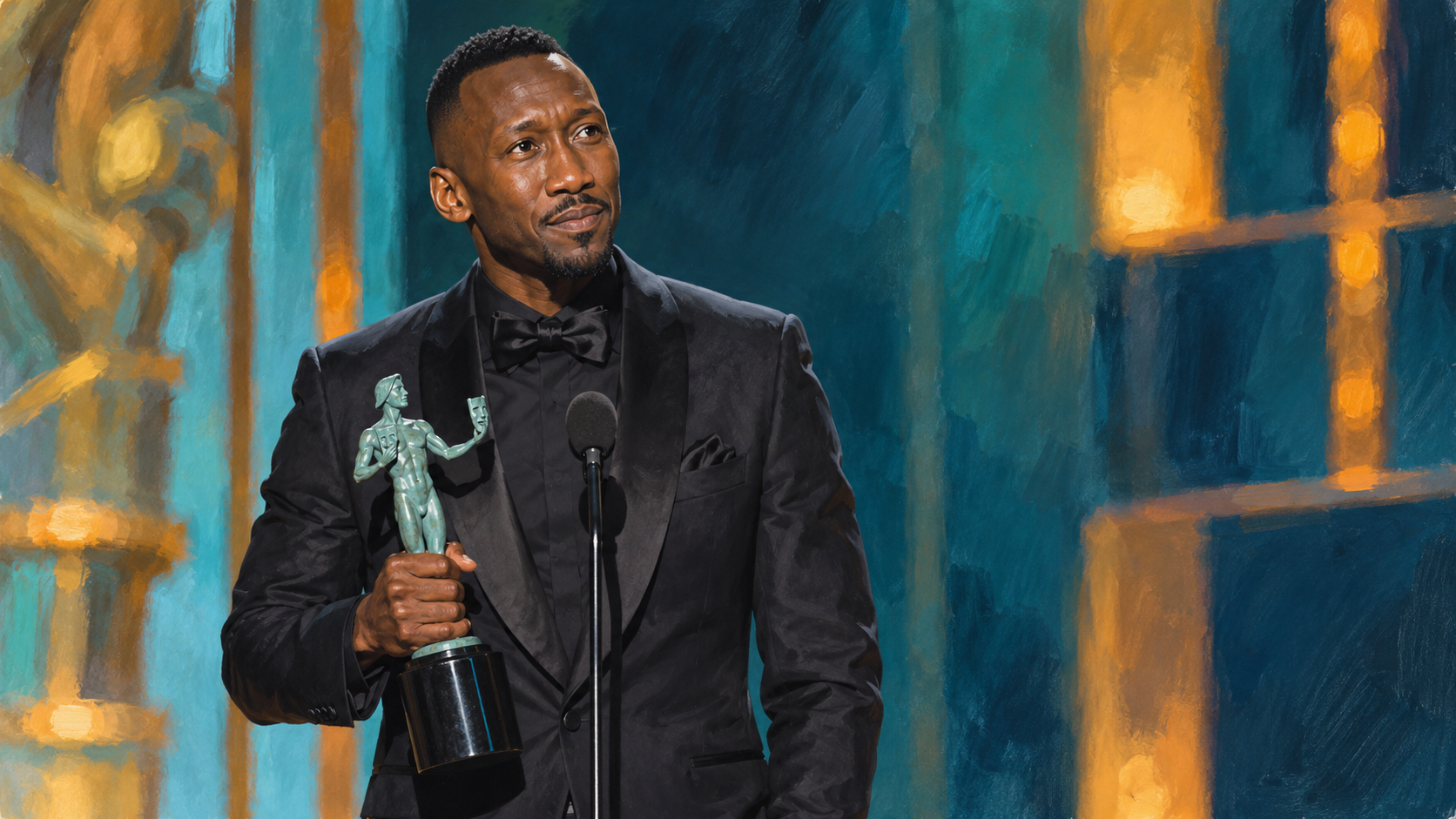
Mahershala Ali’s 2017 SAG speech connects Moonlight’s intimate character study with the damage caused by persecution and exclusion.
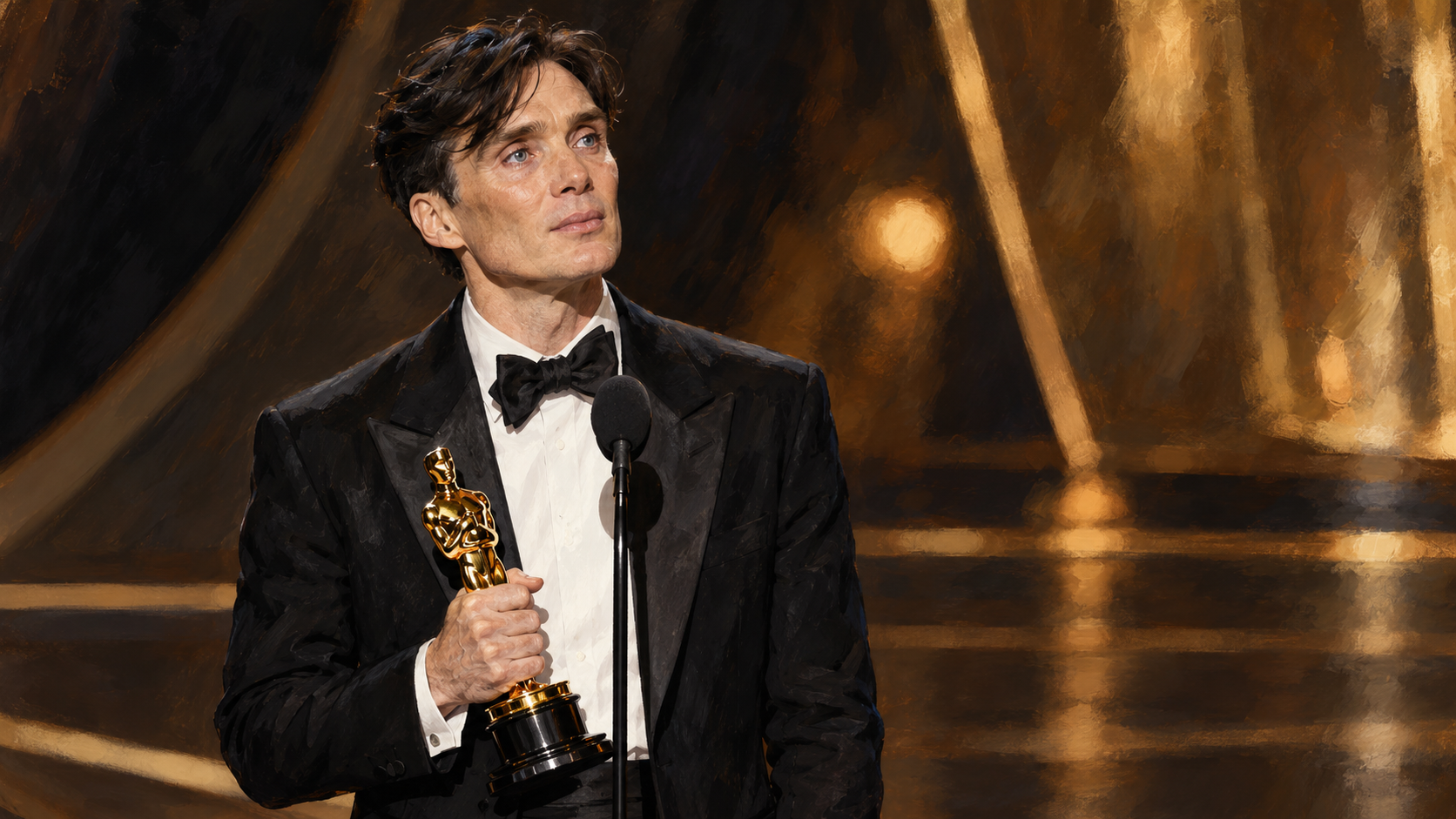
Cillian Murphy’s 2024 Oscar speech connects a historical performance to the nuclear legacy that continues beyond the film’s final frame.