How Does Freezer Burn Dry Out Food?
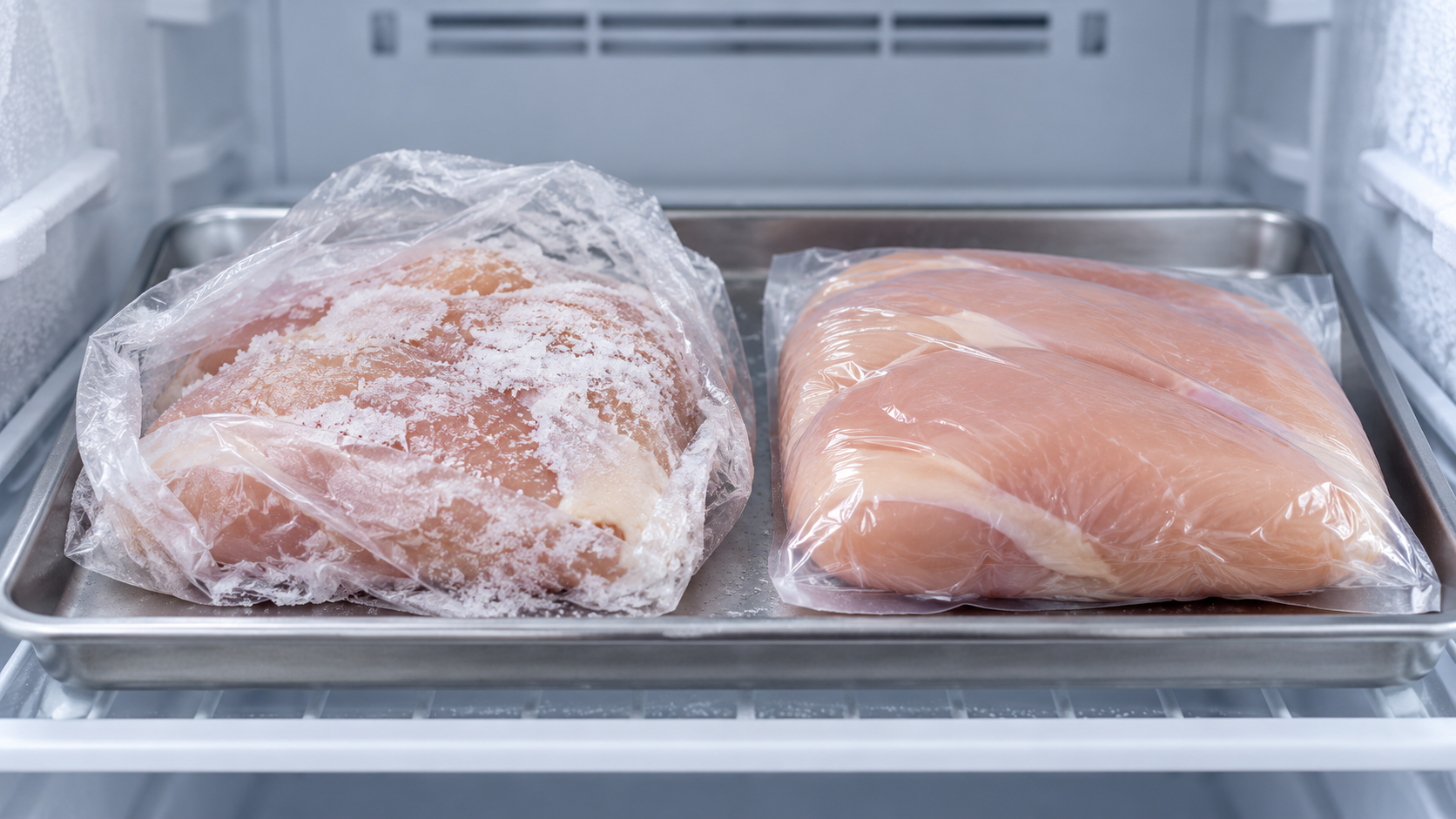
Freezer burn occurs when ice leaves exposed frozen food and redeposits elsewhere, leaving dry, oxidized patches at the surface.

Don't Just Read it – Explore It
Freezer burn occurs when ice leaves exposed frozen food and redeposits elsewhere, leaving dry, oxidized patches at the surface.
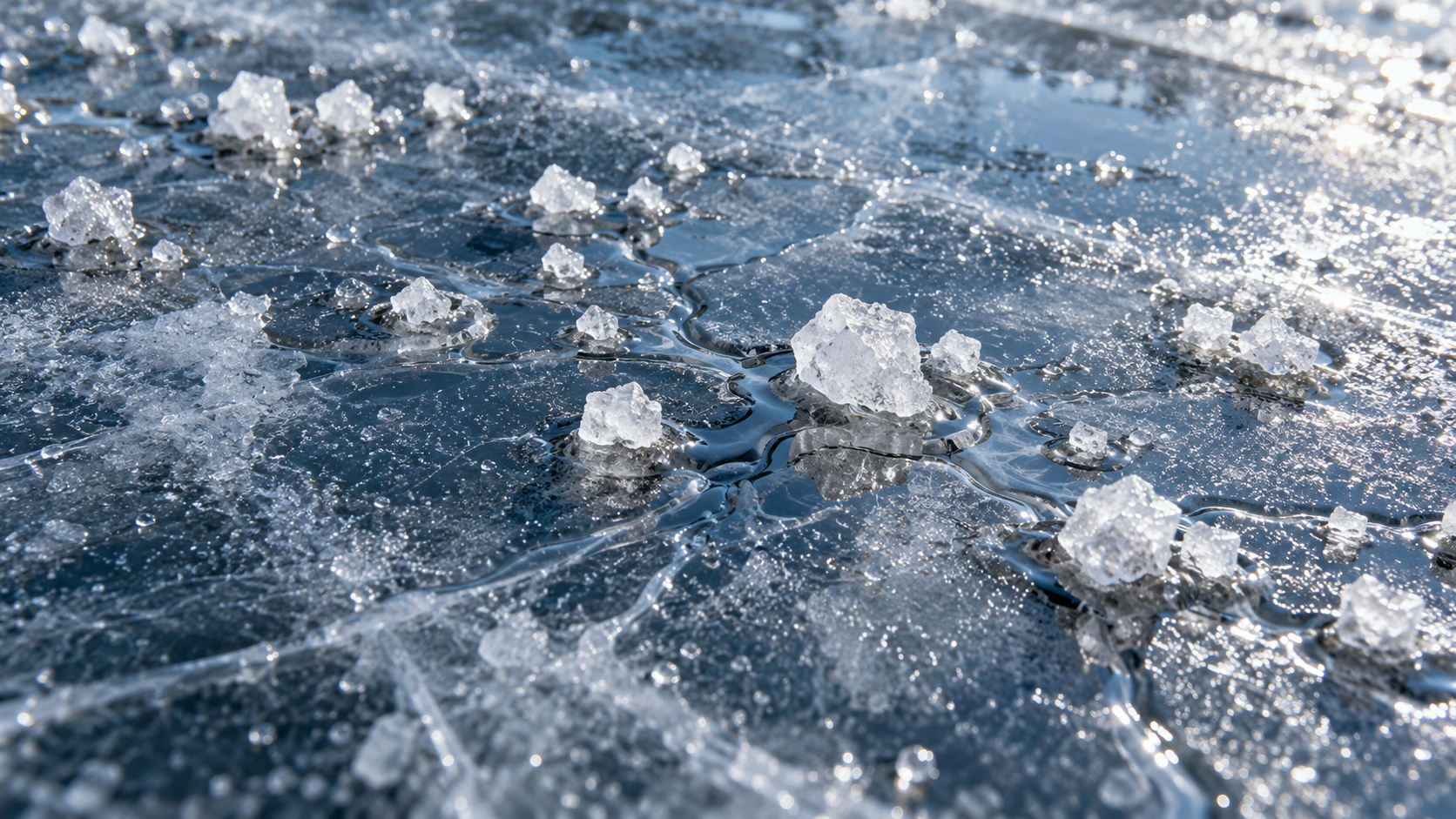
Salt dissolves in the thin liquid layer on ice and lowers water’s freezing point, allowing more solid ice to melt at the same temperature.
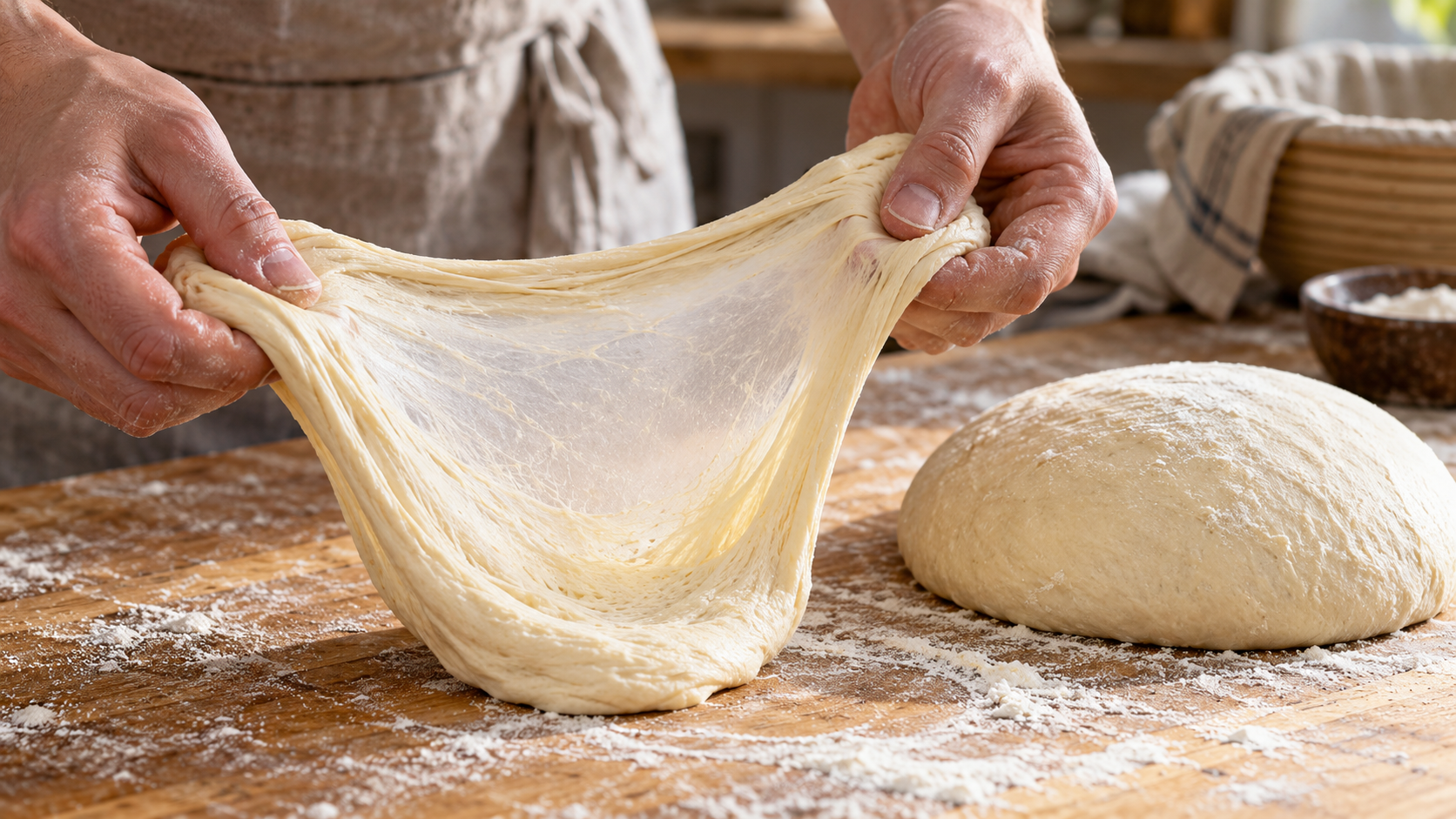
Kneading hydrates and aligns gluten-forming proteins, building an elastic network that can stretch around gas bubbles.
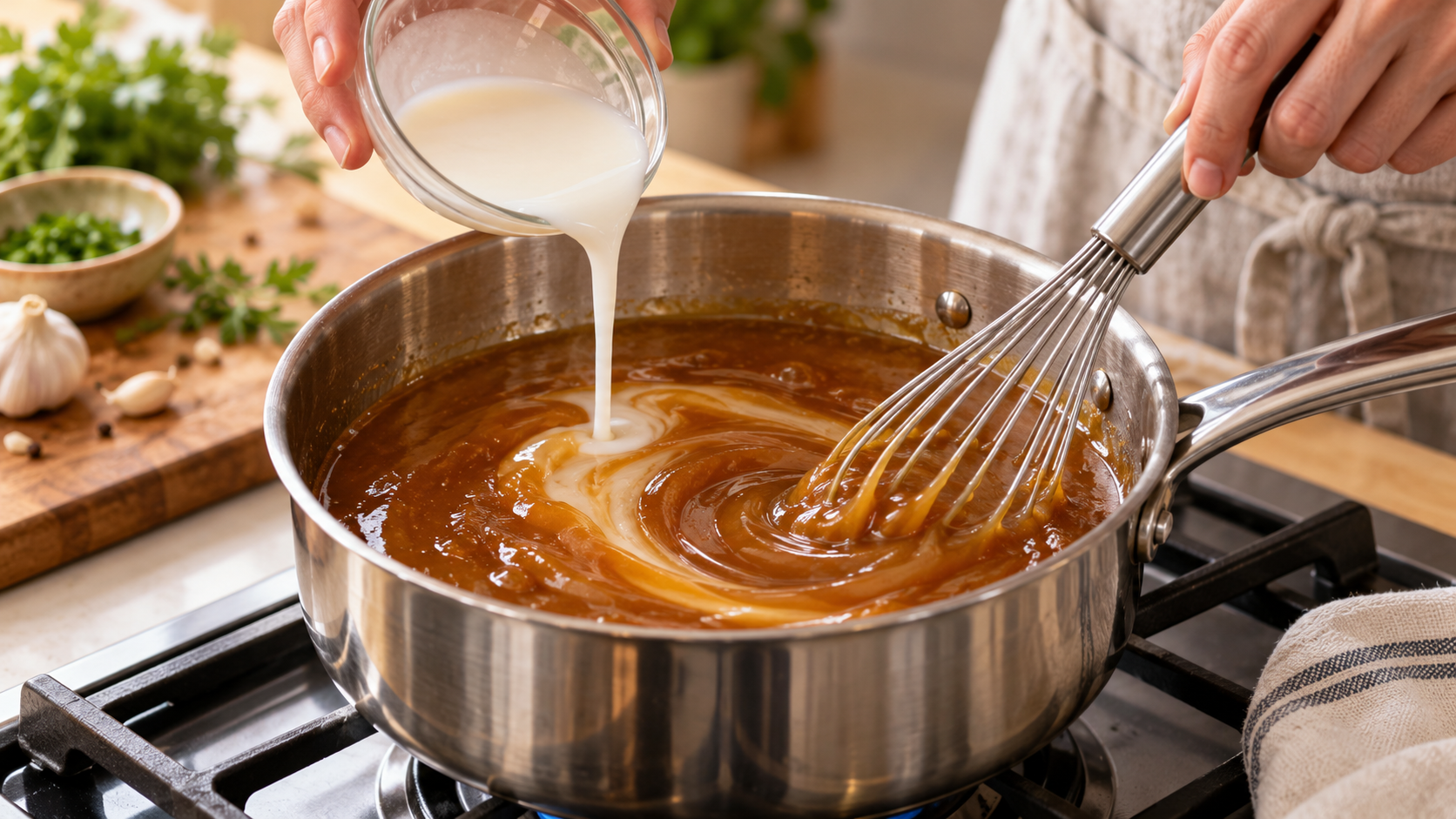
Heated cornstarch granules absorb water, swell, and release molecules that increase viscosity and form a soft gel as the sauce cools.
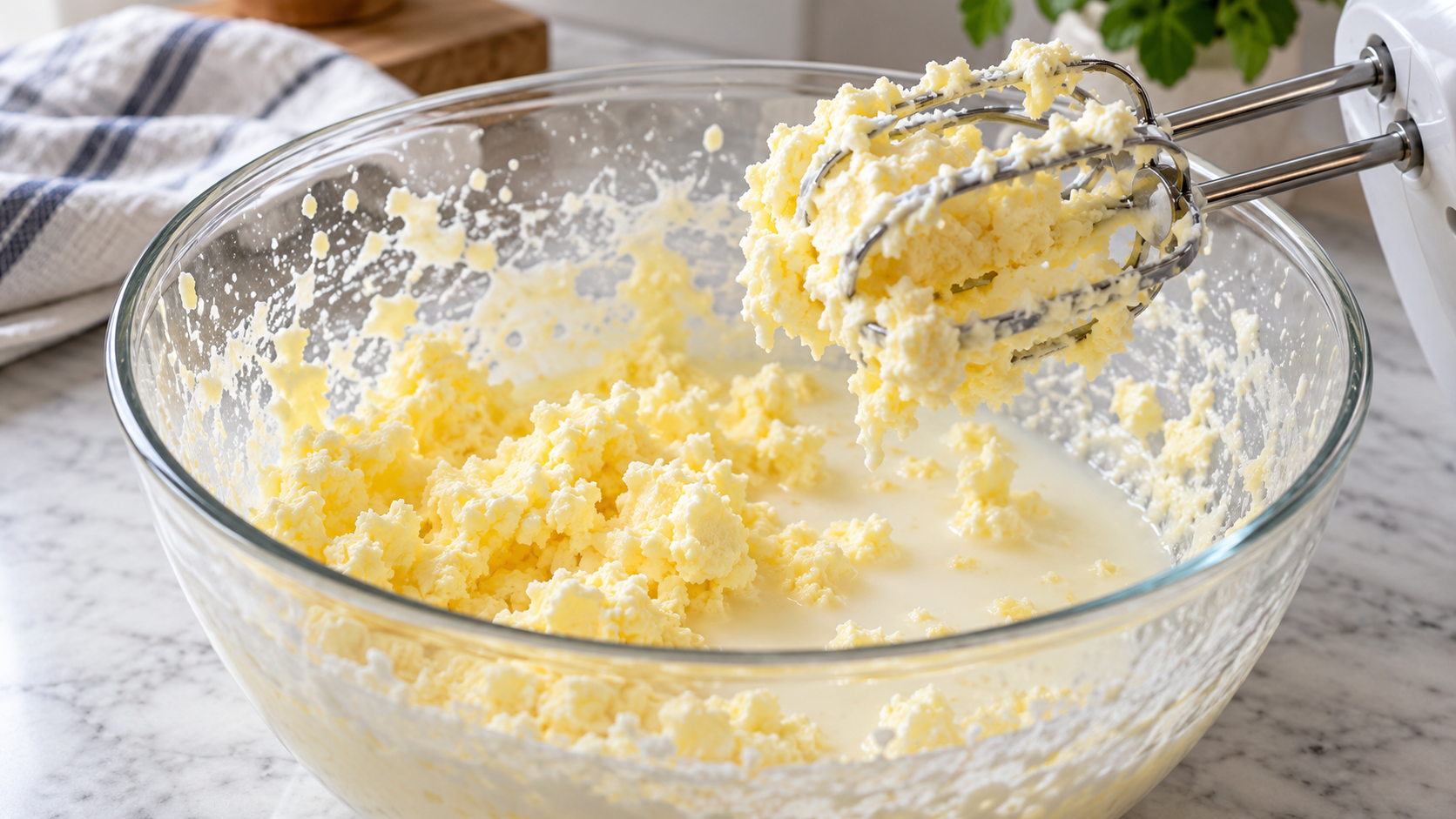
Churning damages protective membranes around cream’s fat droplets, letting the fat join into butter grains while liquid buttermilk separates.
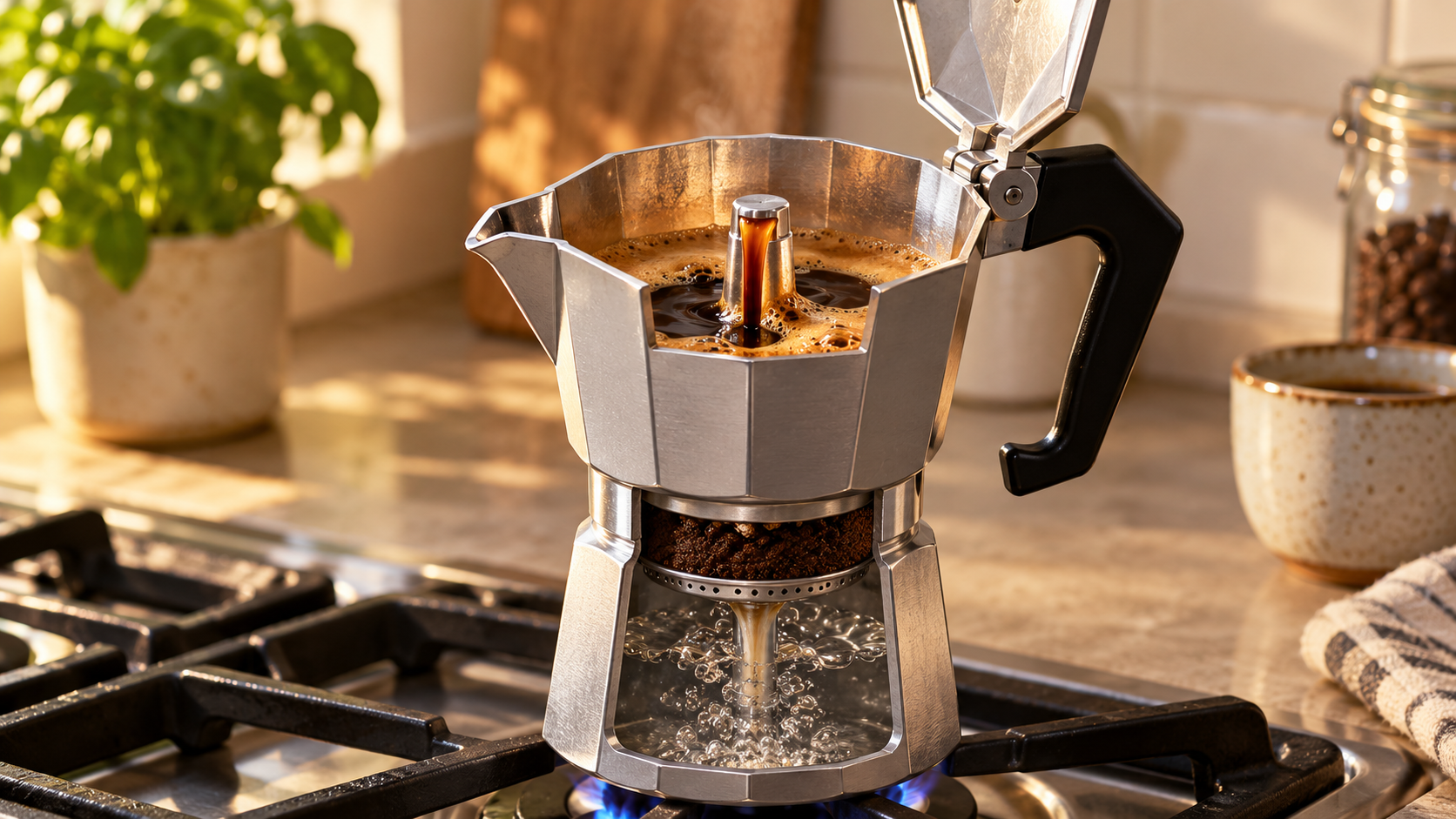
A moka pot heats water in a sealed lower chamber until vapor pressure pushes hot water through coffee and into the upper collector.
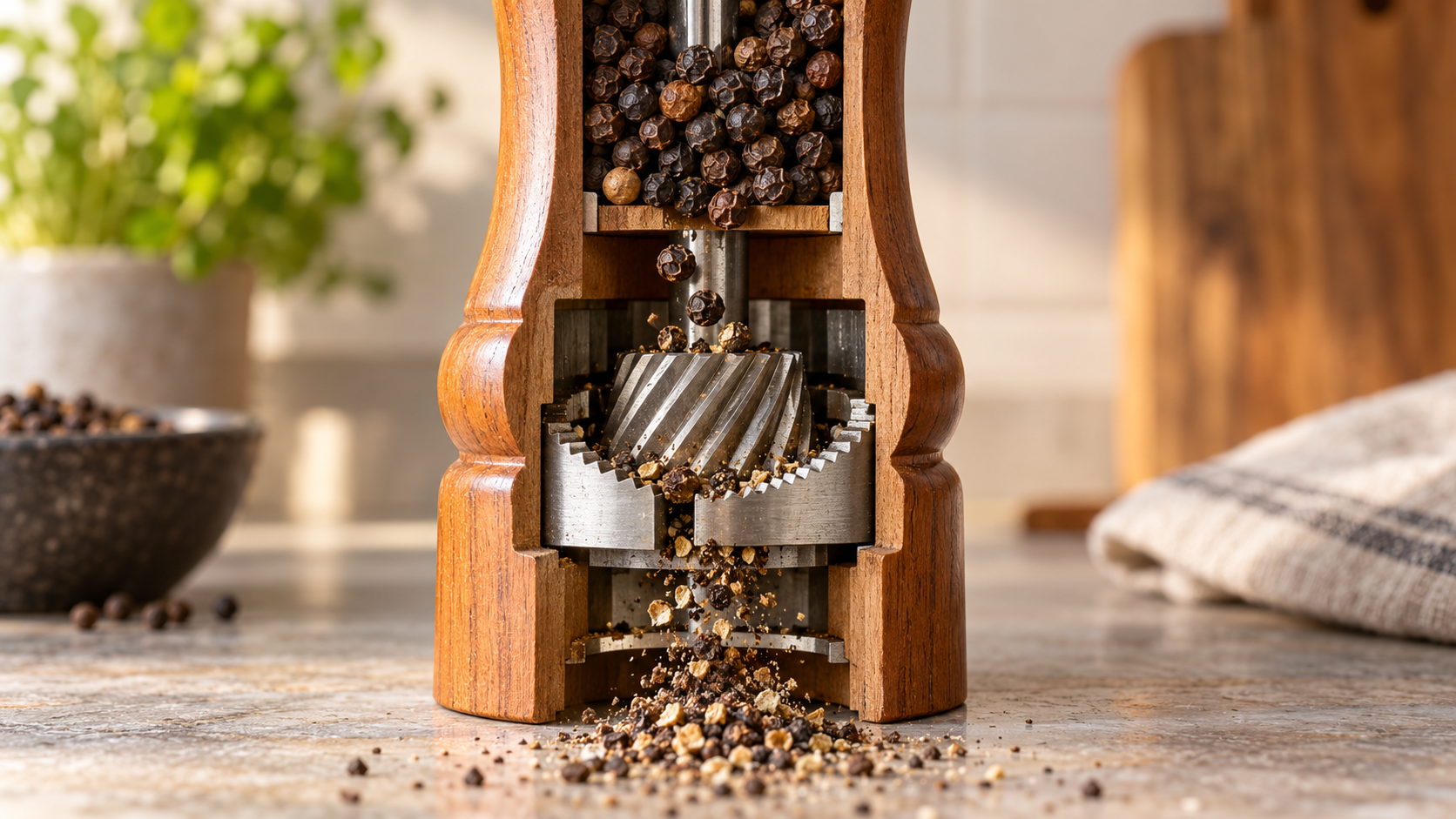
A pepper mill feeds peppercorns between a rotating burr and a stationary ring, cracking and shearing them into particles that fall out below.
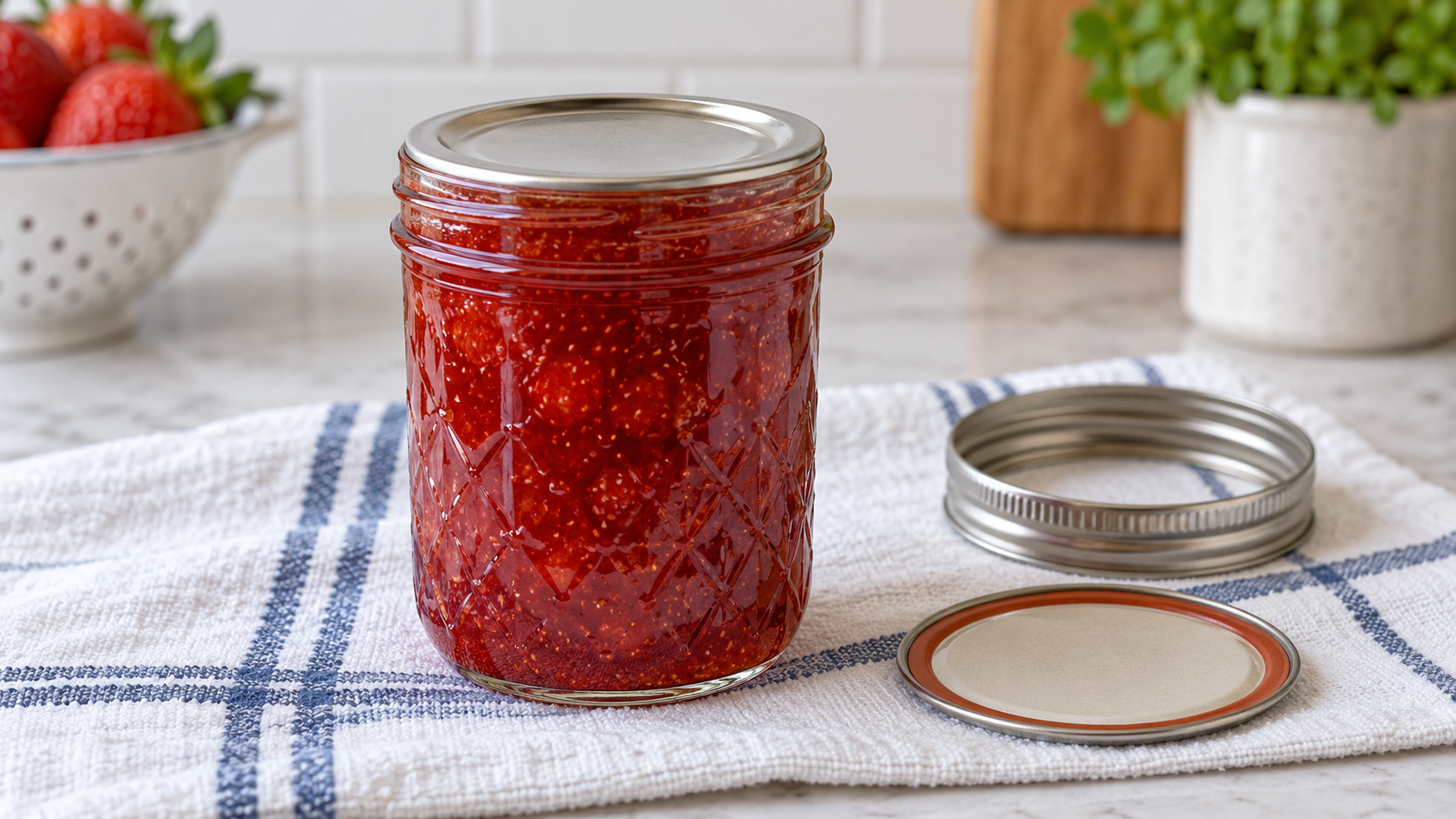
Heat lets air vent from a canning jar; during cooling, contracting contents pull the flexible lid and gasket tightly against the clean rim.
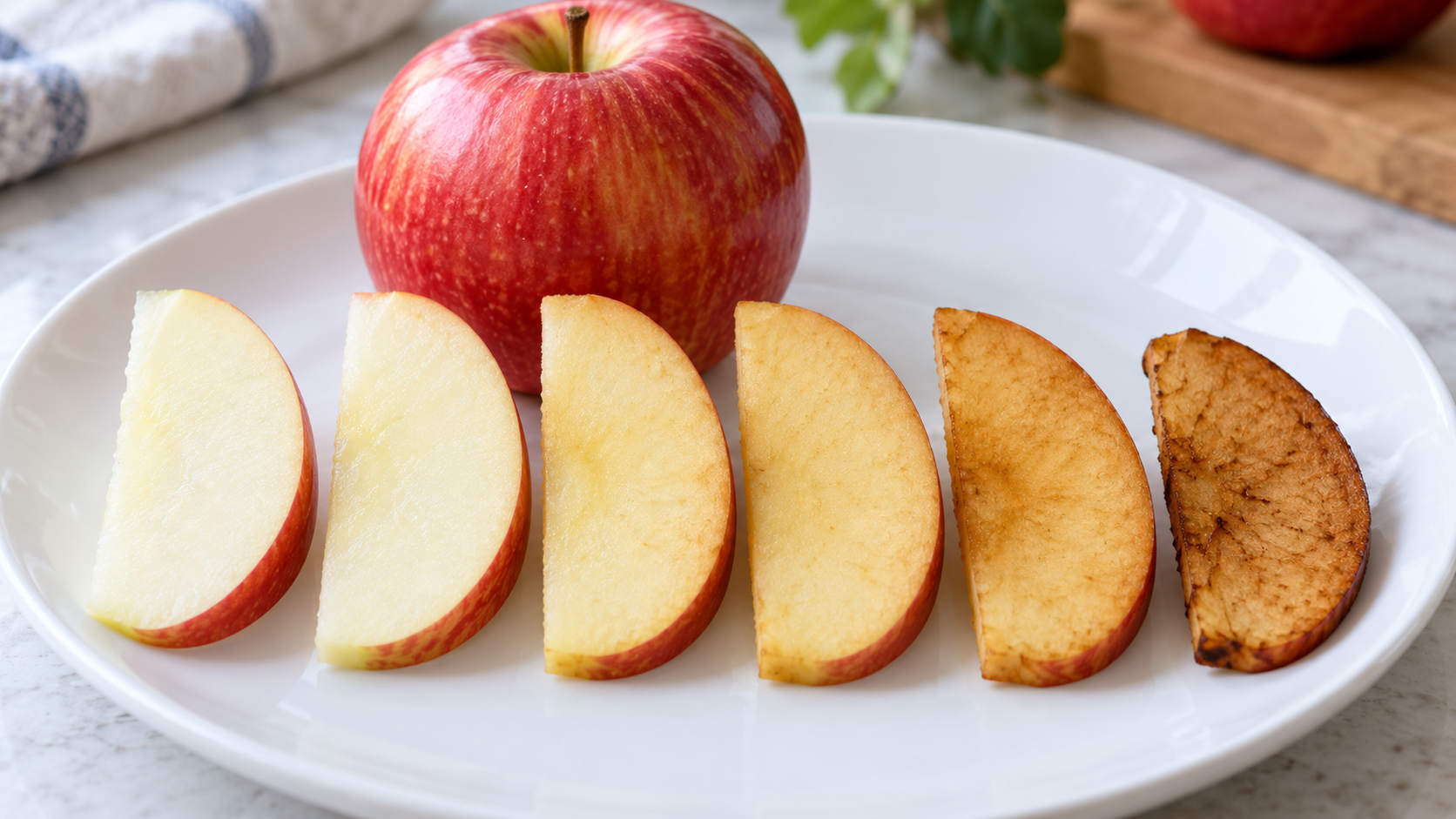
Cutting an apple mixes oxygen with enzymes and phenolic compounds that were separated inside intact cells, producing dark pigments.
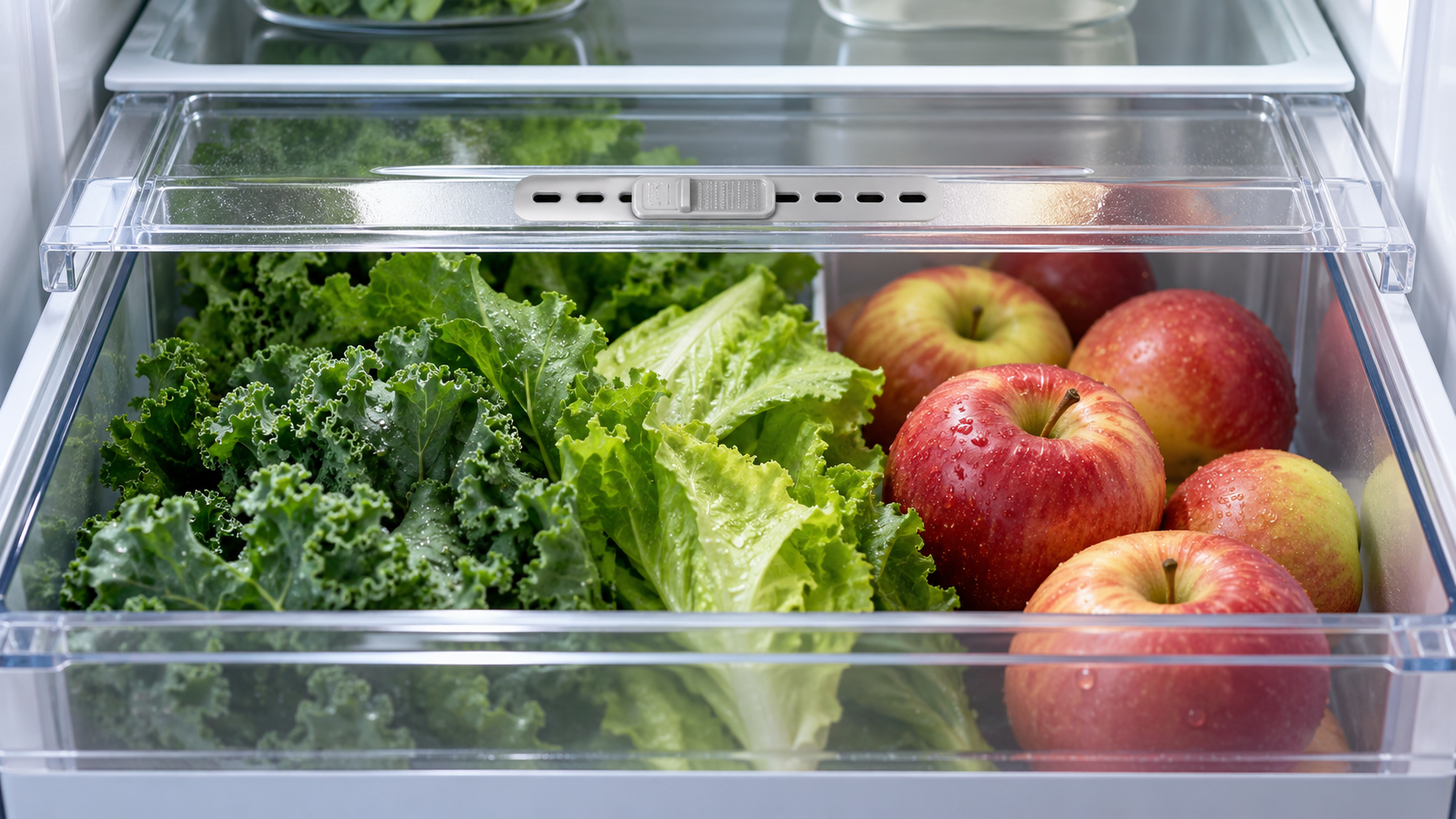
A crisper drawer changes ventilation so moisture released by produce either remains around the food or escapes into the refrigerator.
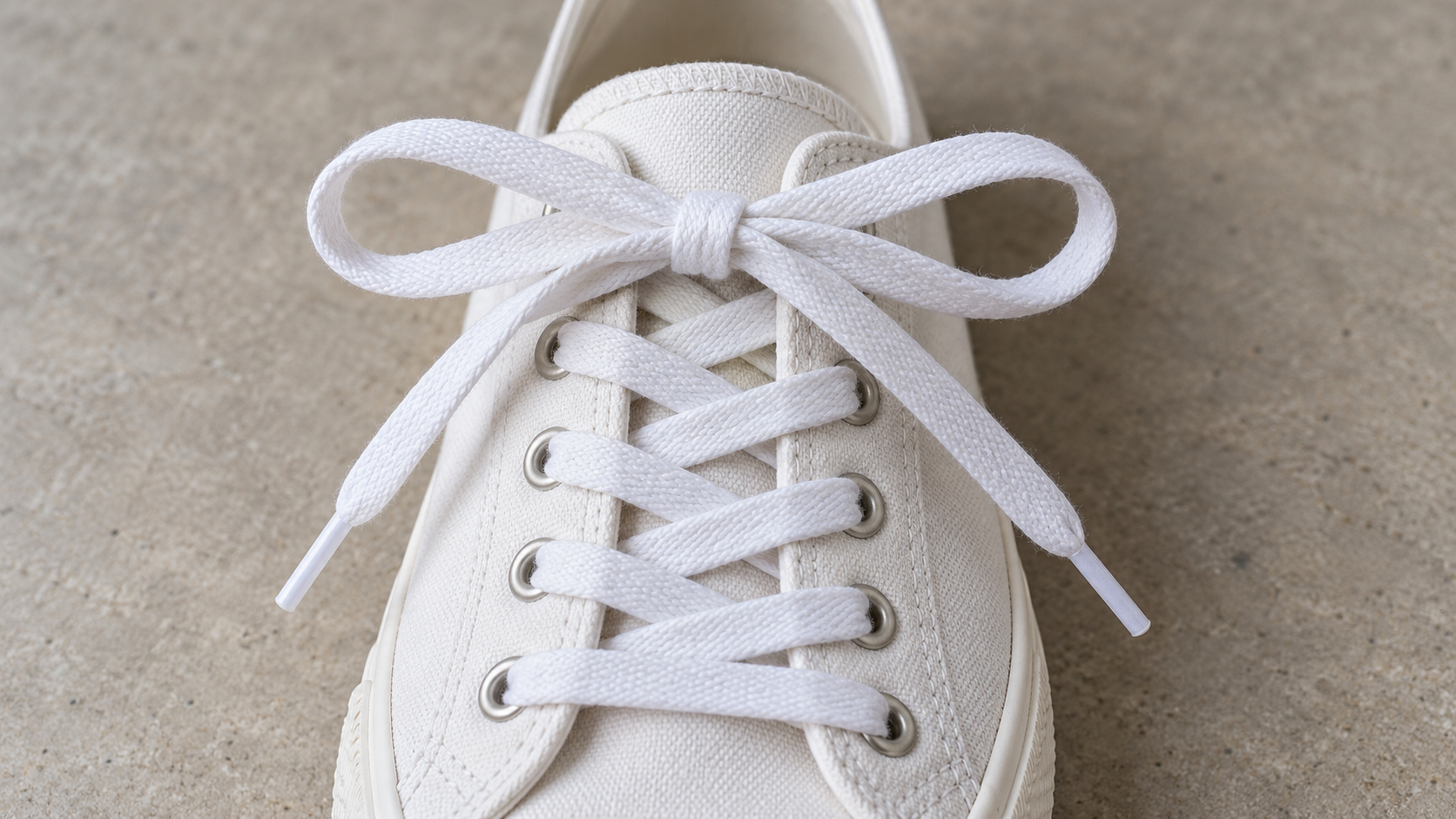
A shoelace bow uses an overhand knot plus two slipped loops whose bends, friction, and tension block the lace from pulling straight through.
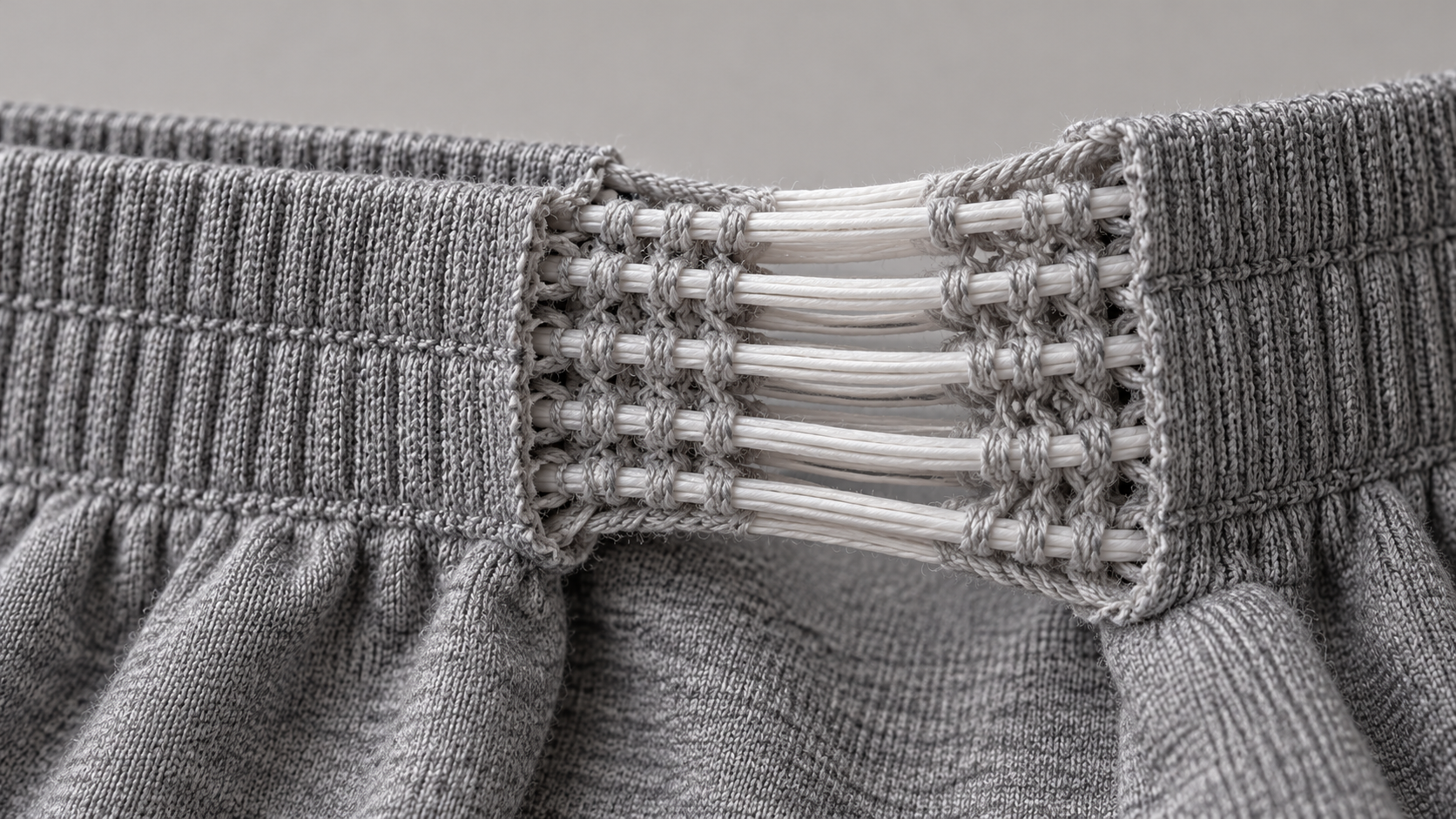
An elastic waistband combines stretchable rubber or elastane filaments with a textile structure that extends under load and retracts afterward.