How Do Cats Retract Their Claws?
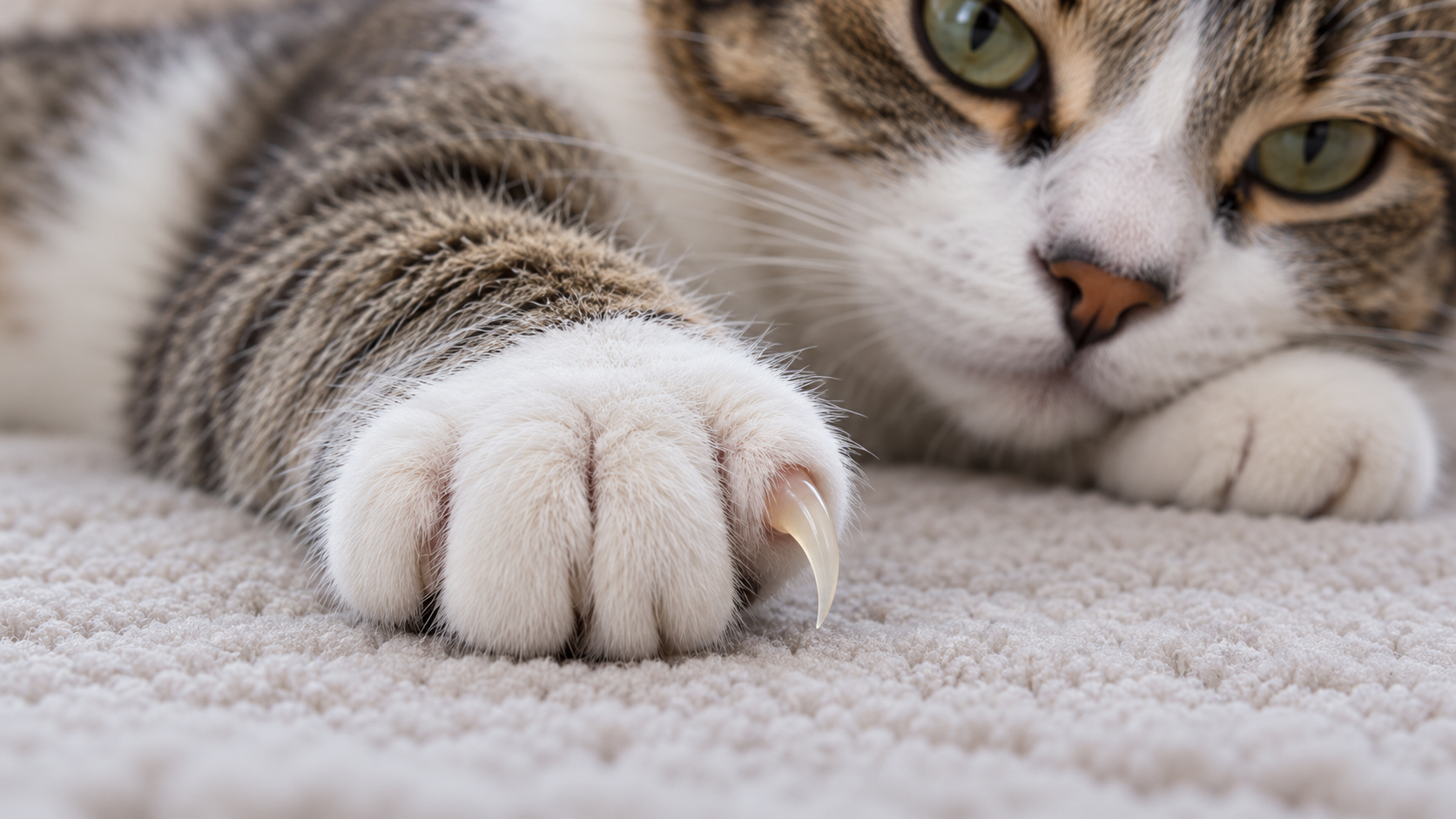
Elastic ligaments hold a cat’s distal toe bone and claw in a retracted position until flexor tendons rotate them forward for use.

Don't Just Read it – Explore It
Elastic ligaments hold a cat’s distal toe bone and claw in a retracted position until flexor tendons rotate them forward for use.
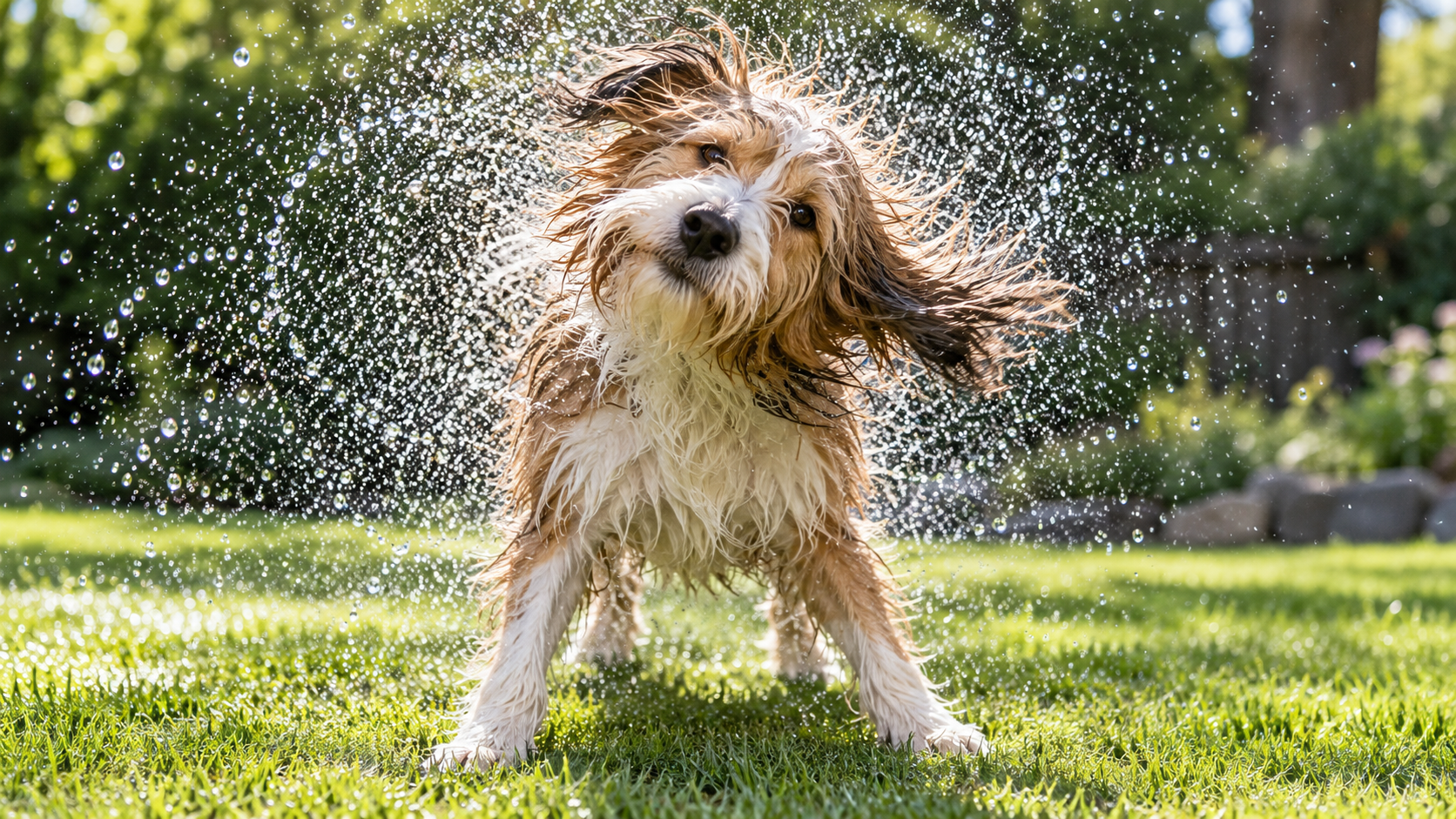
A dog twists its body rapidly so loose skin and fur sweep through a wide arc, creating enough acceleration to overcome water’s grip on hairs.
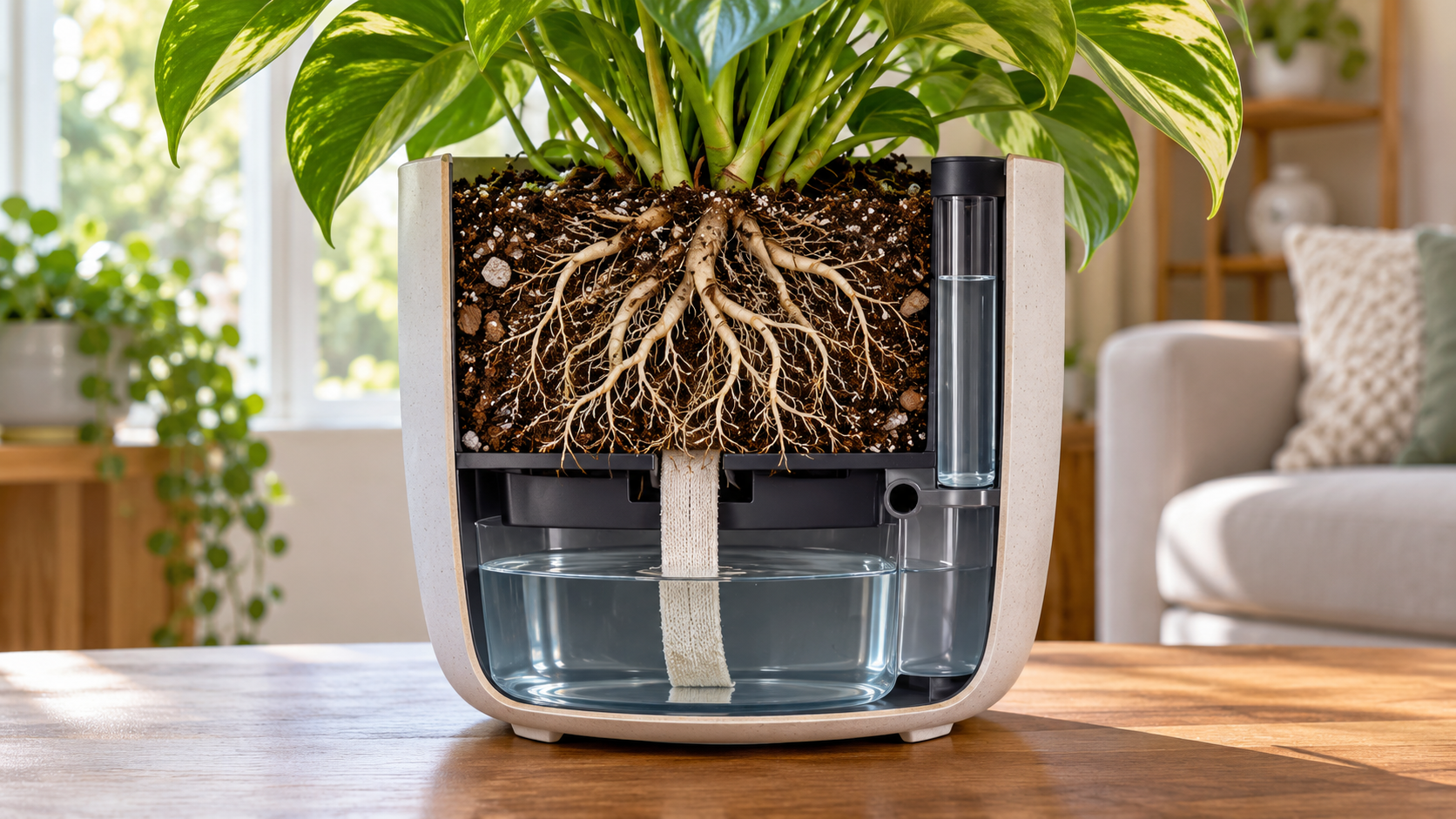
A self-watering planter stores water below the soil and uses a wick or soil column whose small pores pull moisture upward by capillary action.
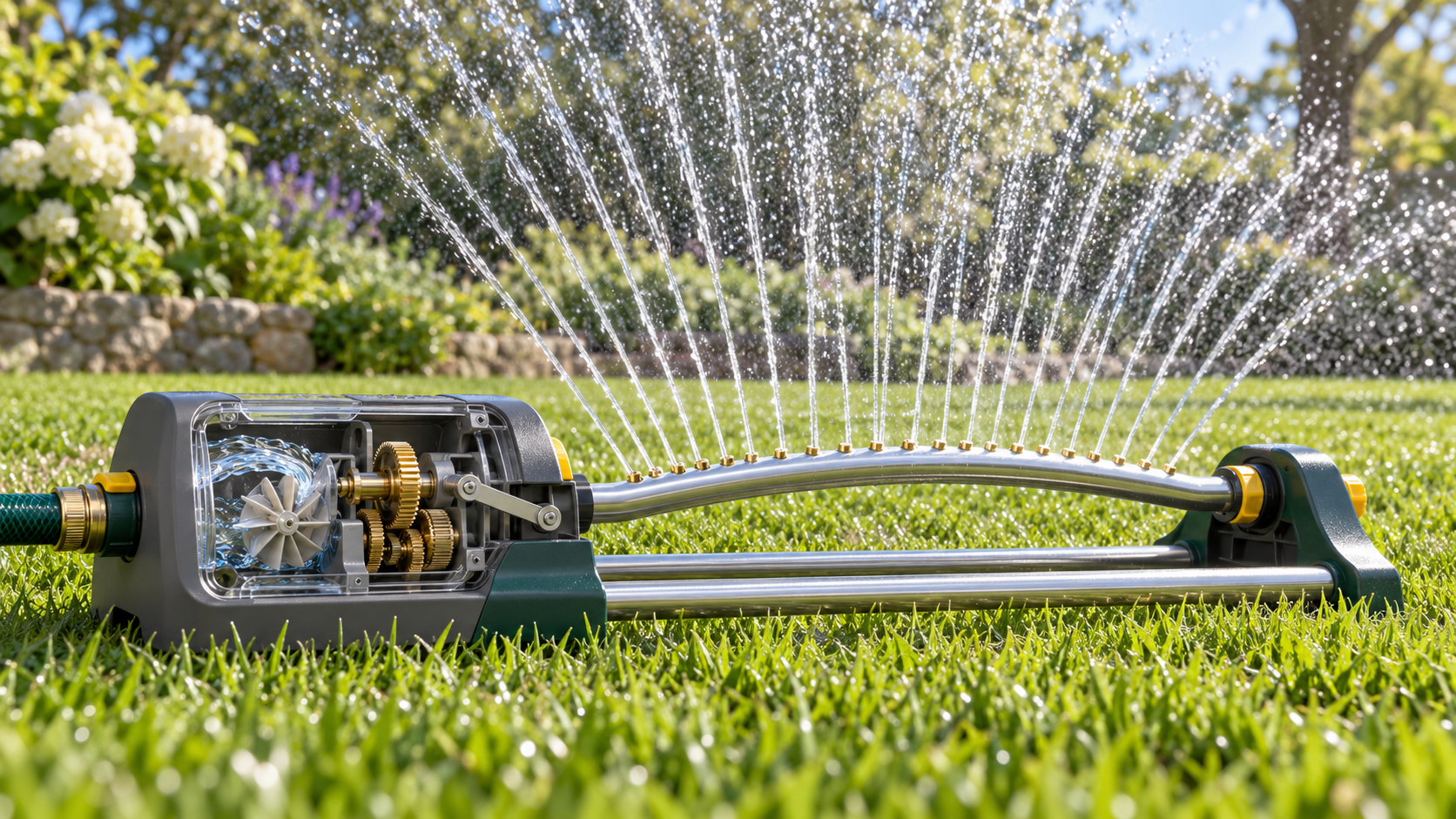
Flowing water turns a small turbine and reduction gears, which drive a crank that rocks the nozzle tube through a repeating arc.
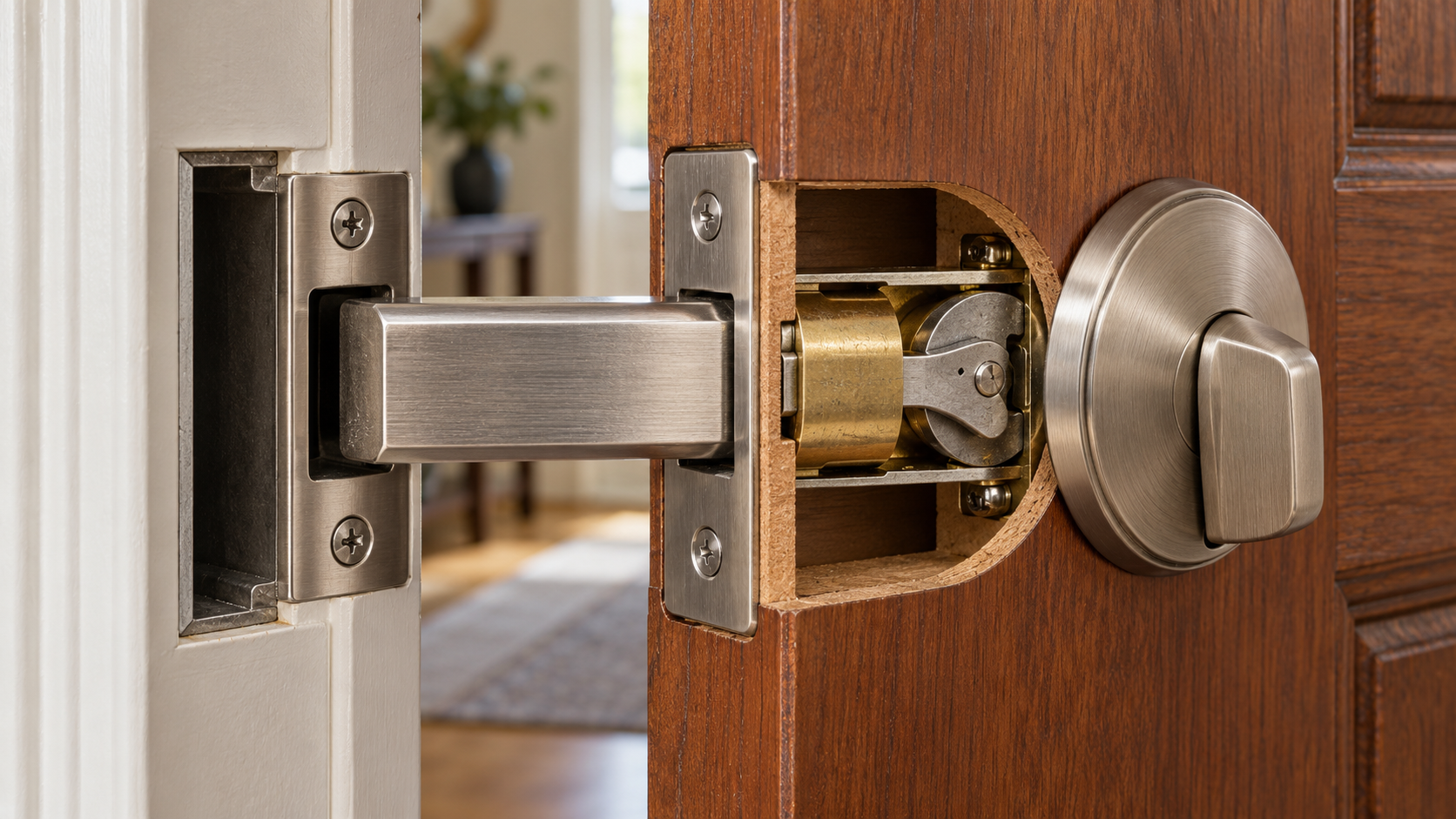
A deadbolt secures a closed door by moving a solid bolt from the door edge into a reinforced opening in the frame.
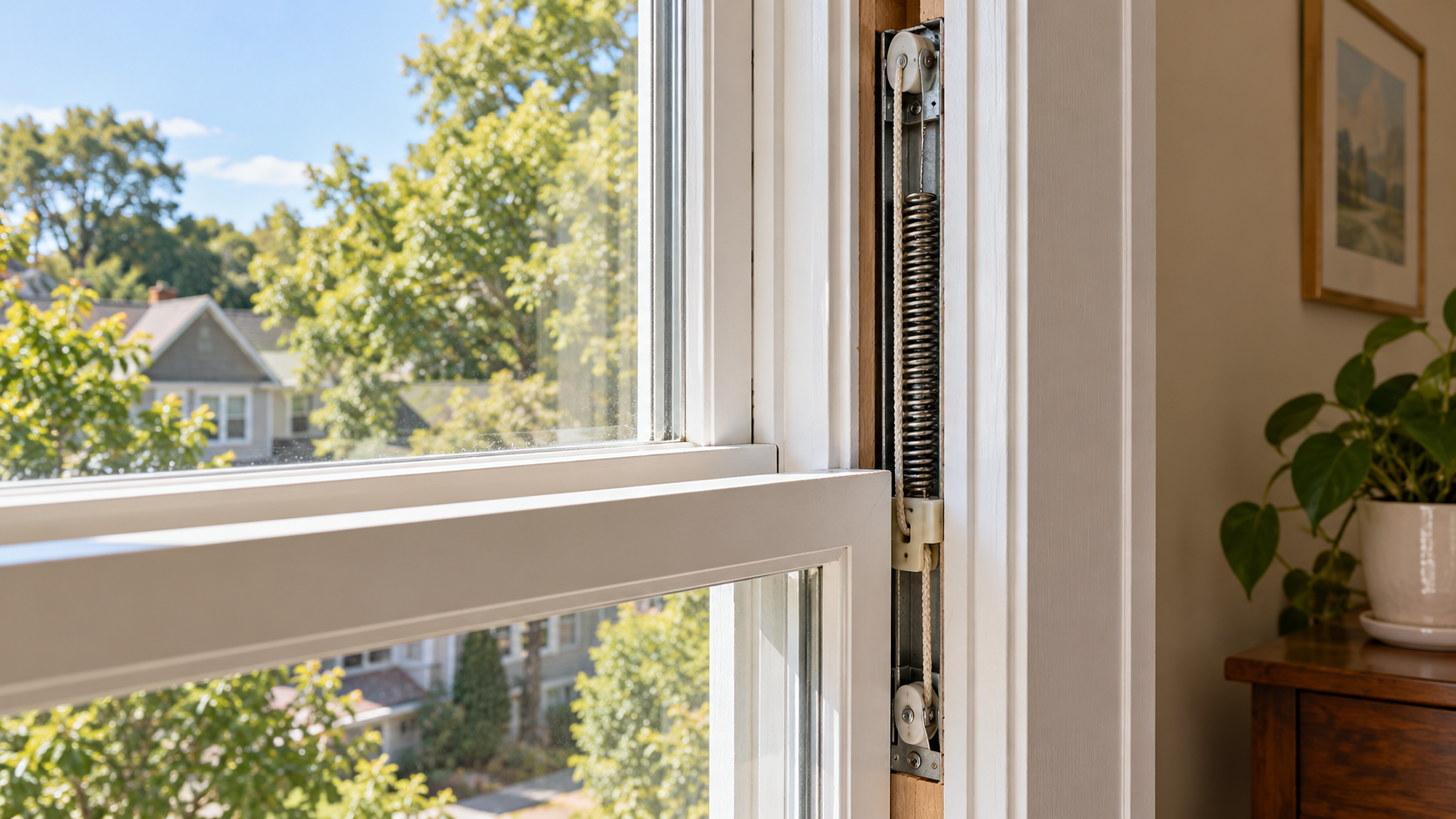
A window balance offsets much of a sash’s weight with a spring, making the window easier to lift and able to stay at the chosen height.
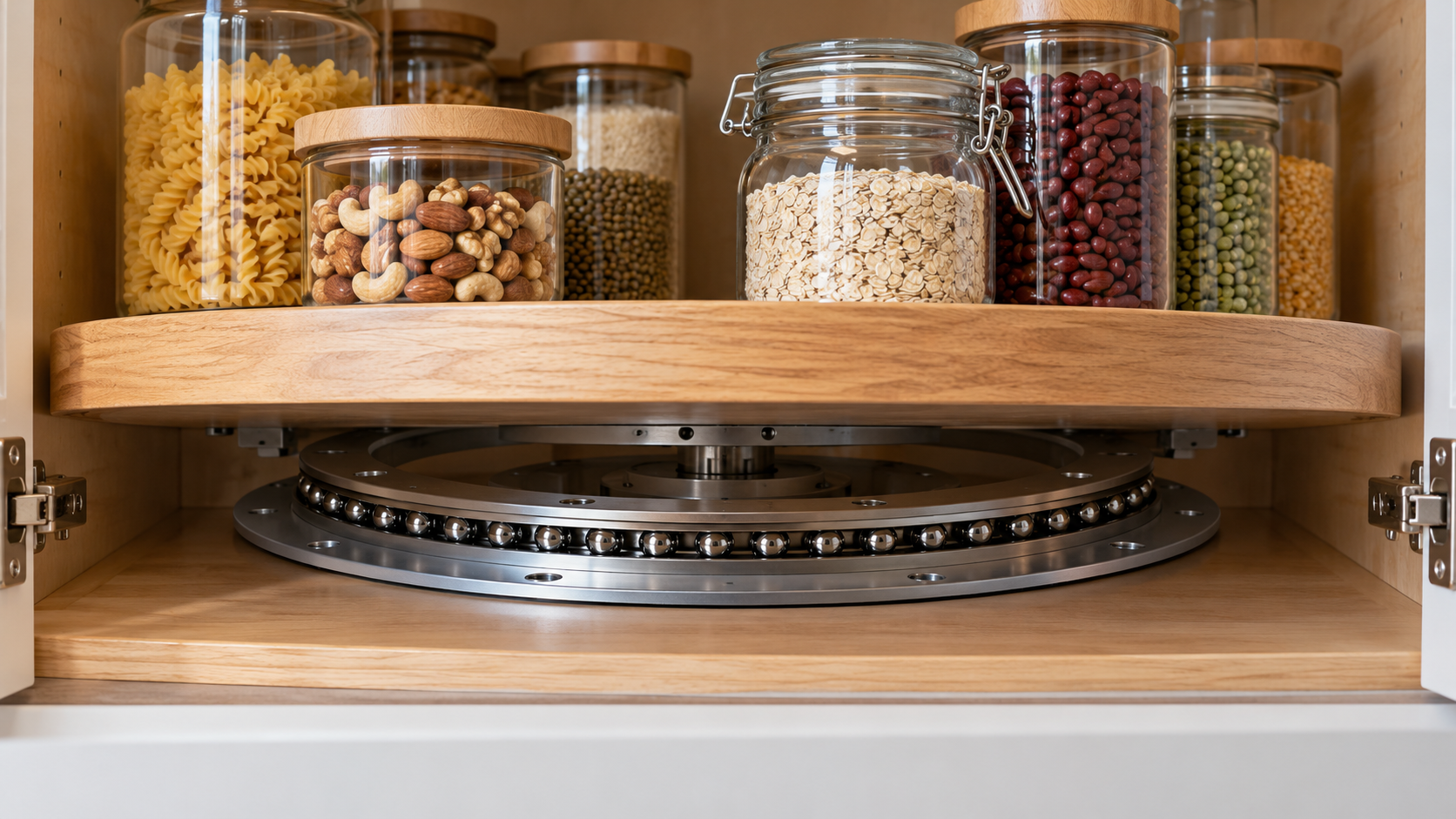
A Lazy Susan turns on a circular bearing that separates two plates with rolling balls, reducing friction while supporting the tray’s load.
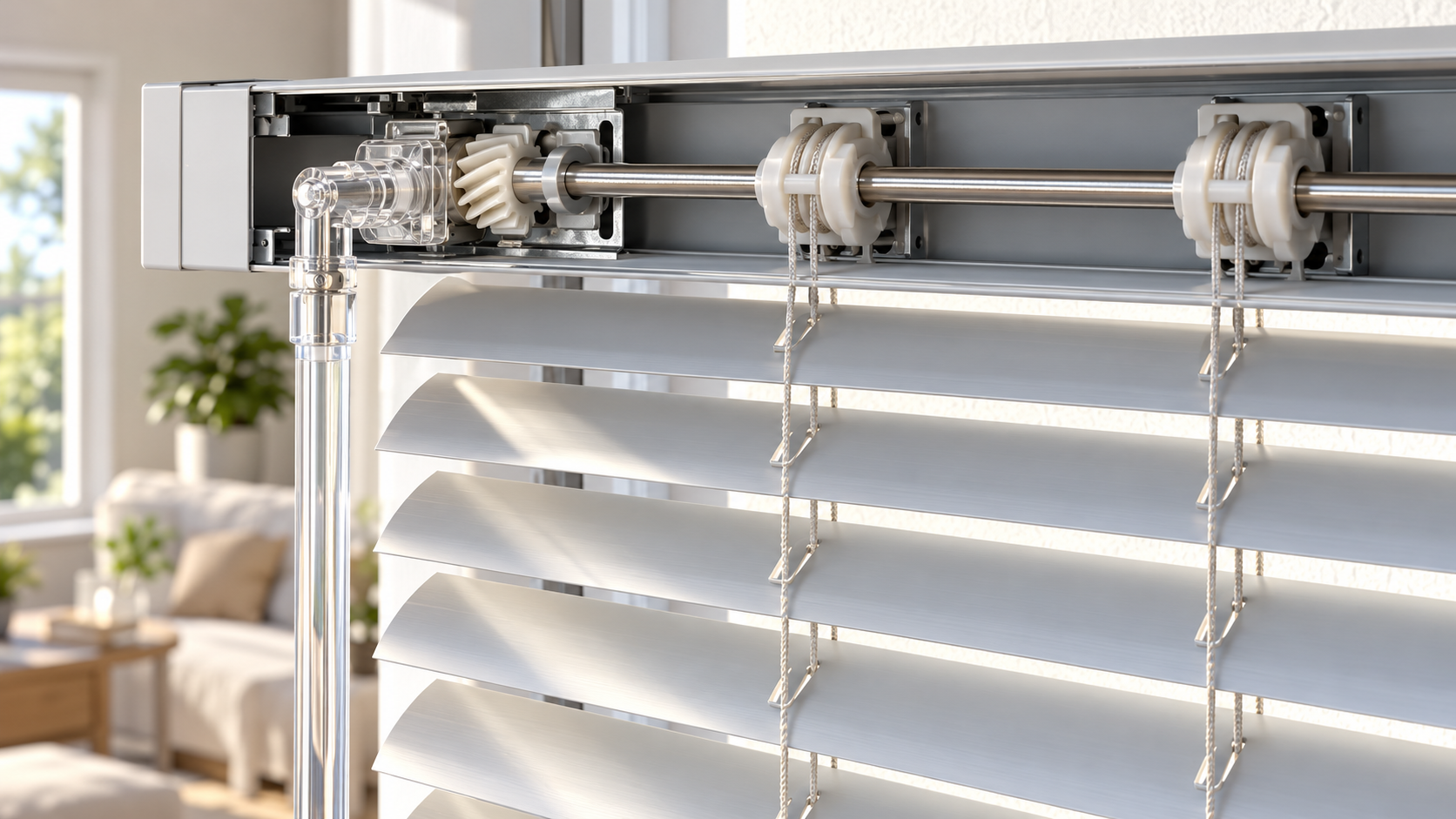
Turning a blind wand drives gears in the headrail, rotating a tilt rod that shifts ladder cords on opposite sides of every slat.
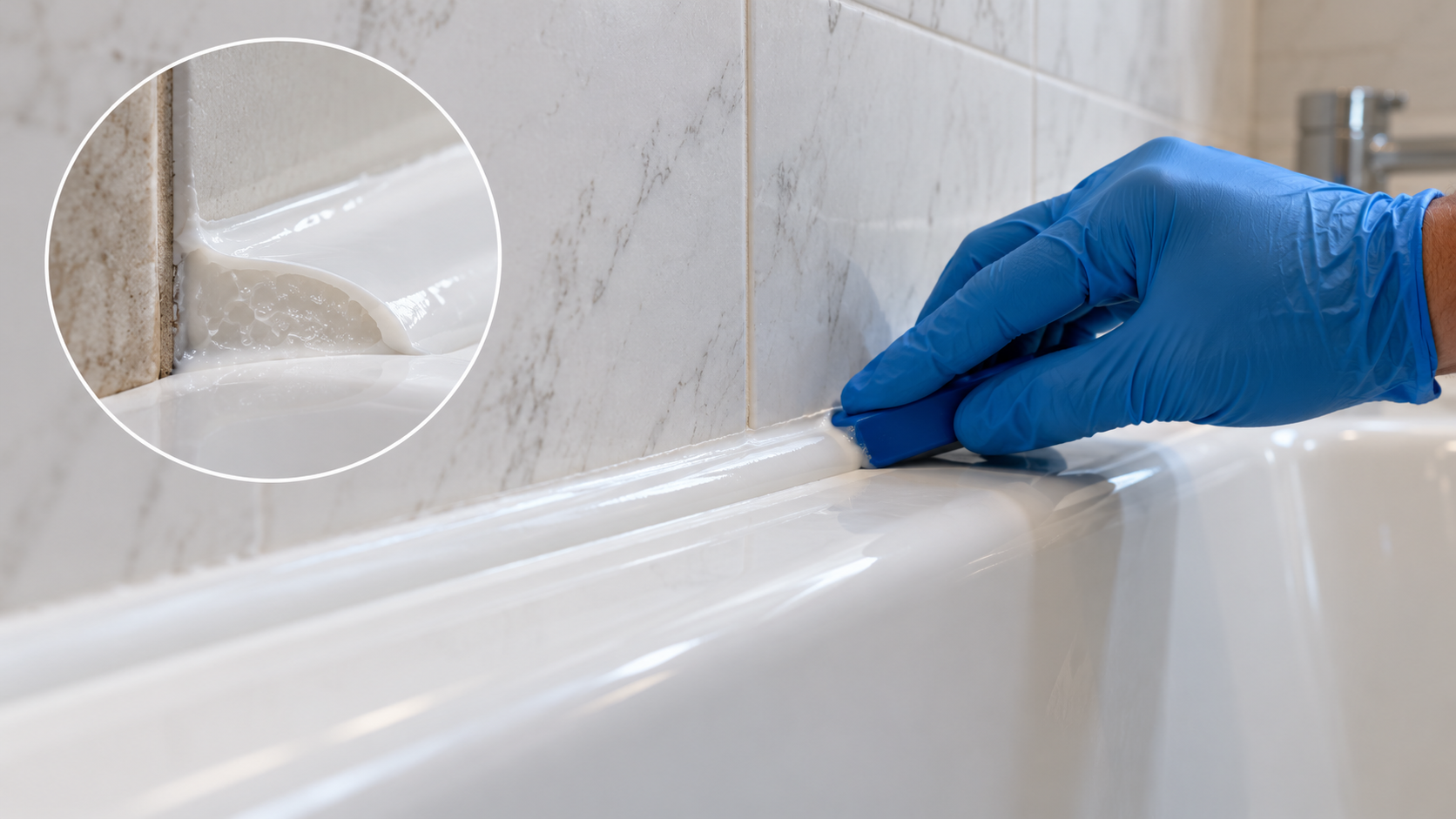
One-part silicone caulk reacts with moisture in the air, forming cross-links that turn the soft paste into flexible rubber from the surface inward.
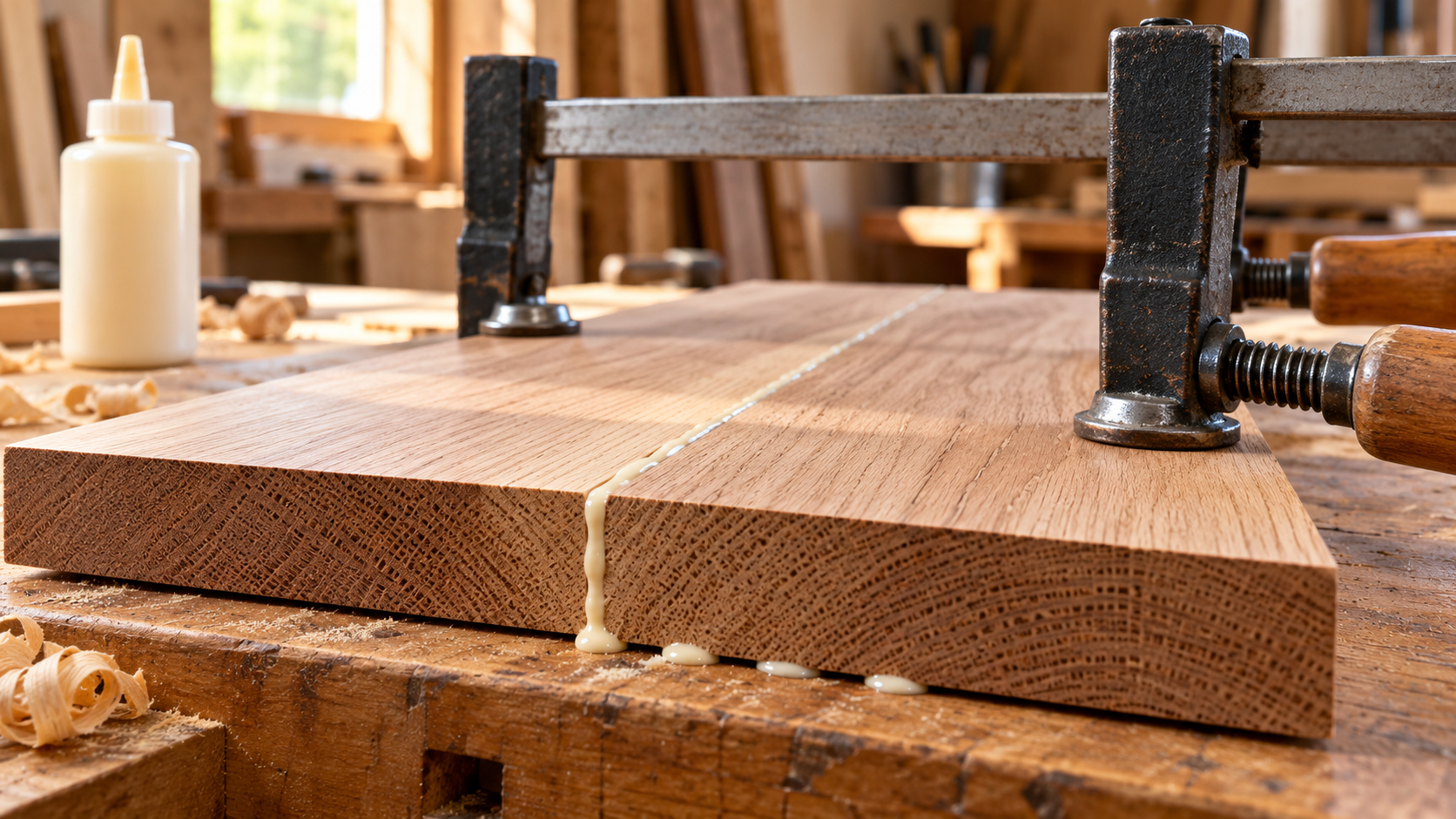
Wood glue wets the surfaces, enters microscopic pores, and forms a continuous polymer film that transfers load between properly fitted boards.
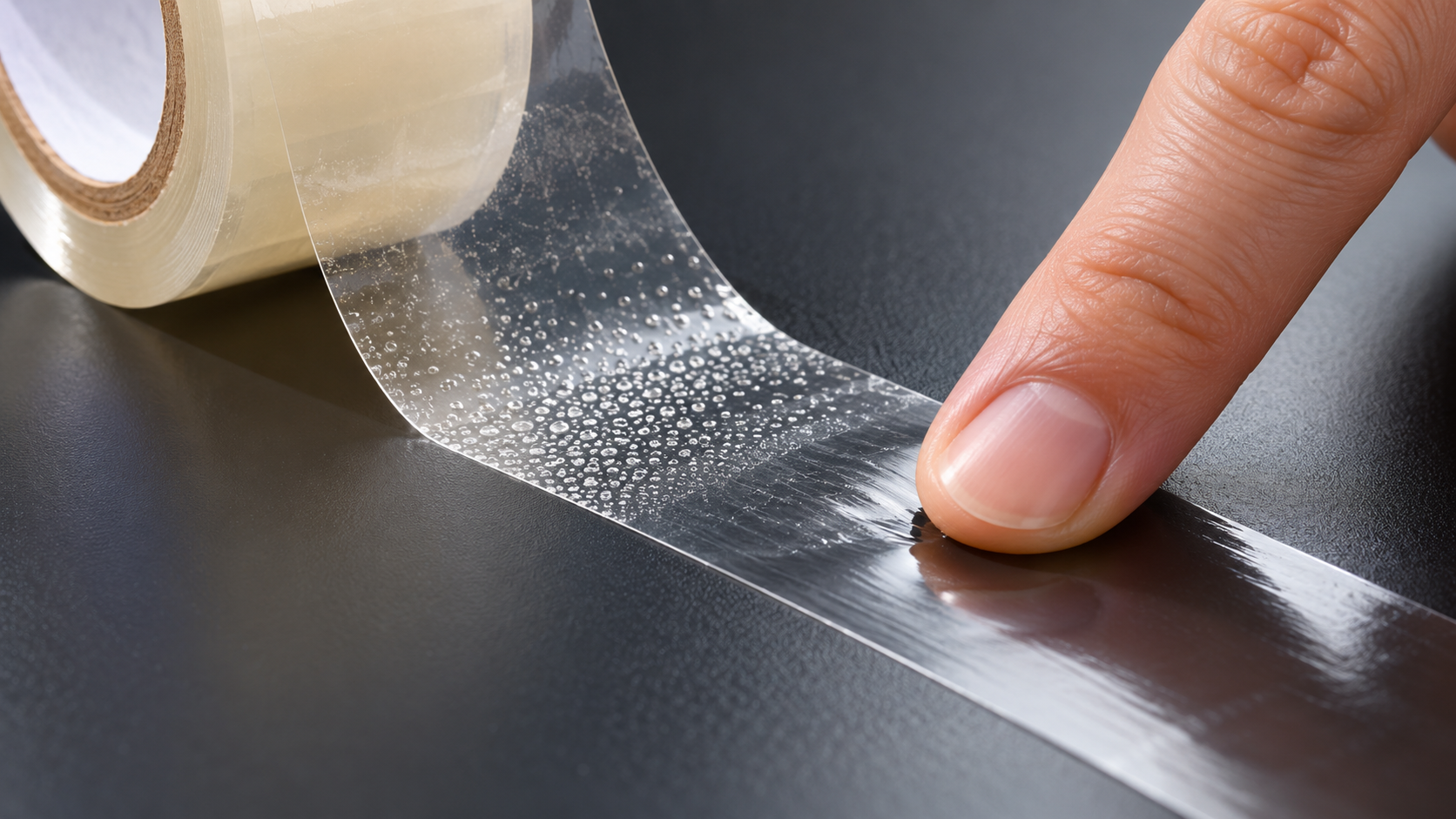
Pressure-sensitive tape uses a soft viscoelastic adhesive that flows into microscopic surface texture while remaining cohesive enough to resist separation.
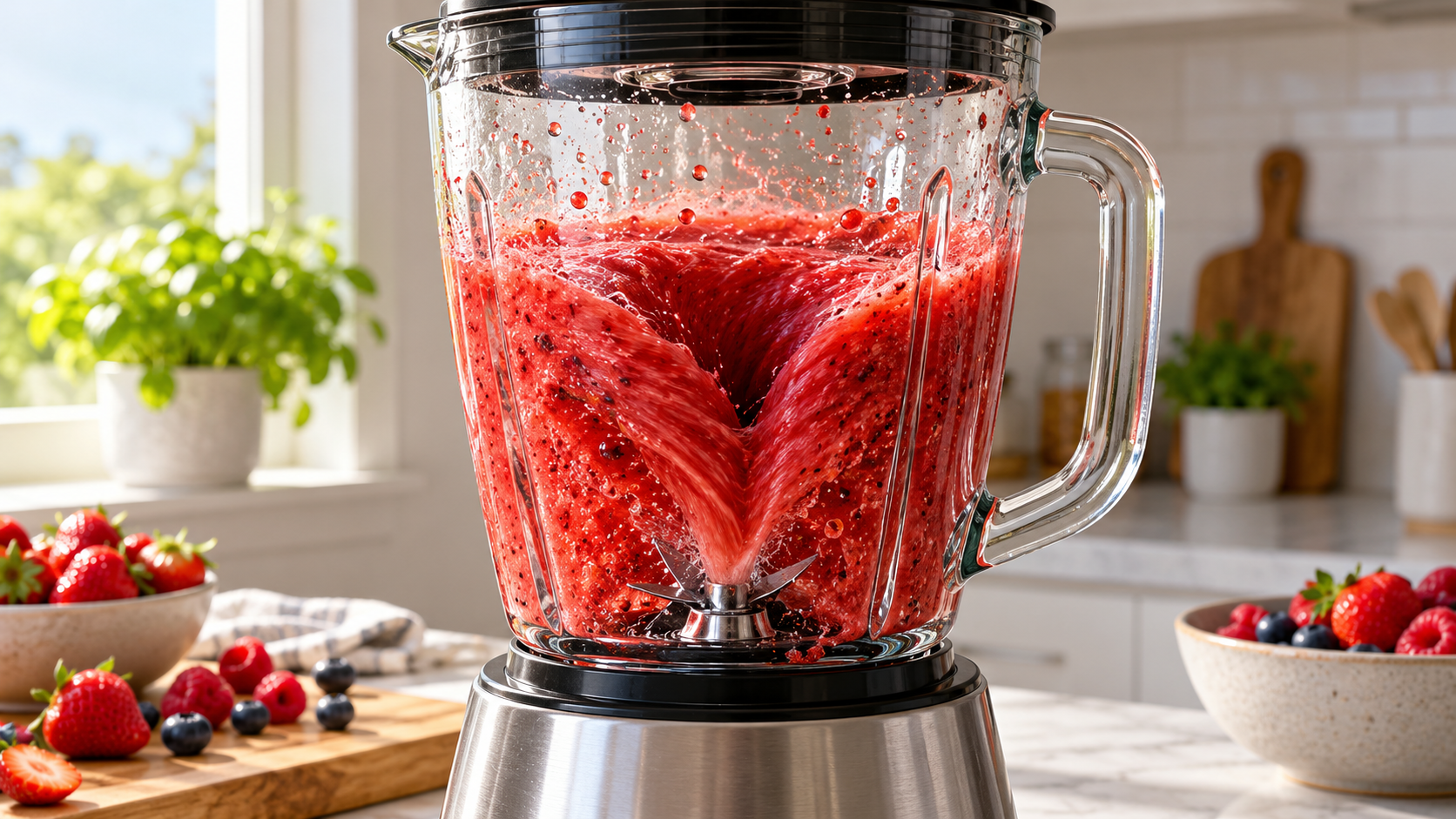
A blender’s rotating blades push liquid outward and downward, creating pressure and circulation that pull ingredients back toward the center.