How Does Tire Tread Move Water Away?
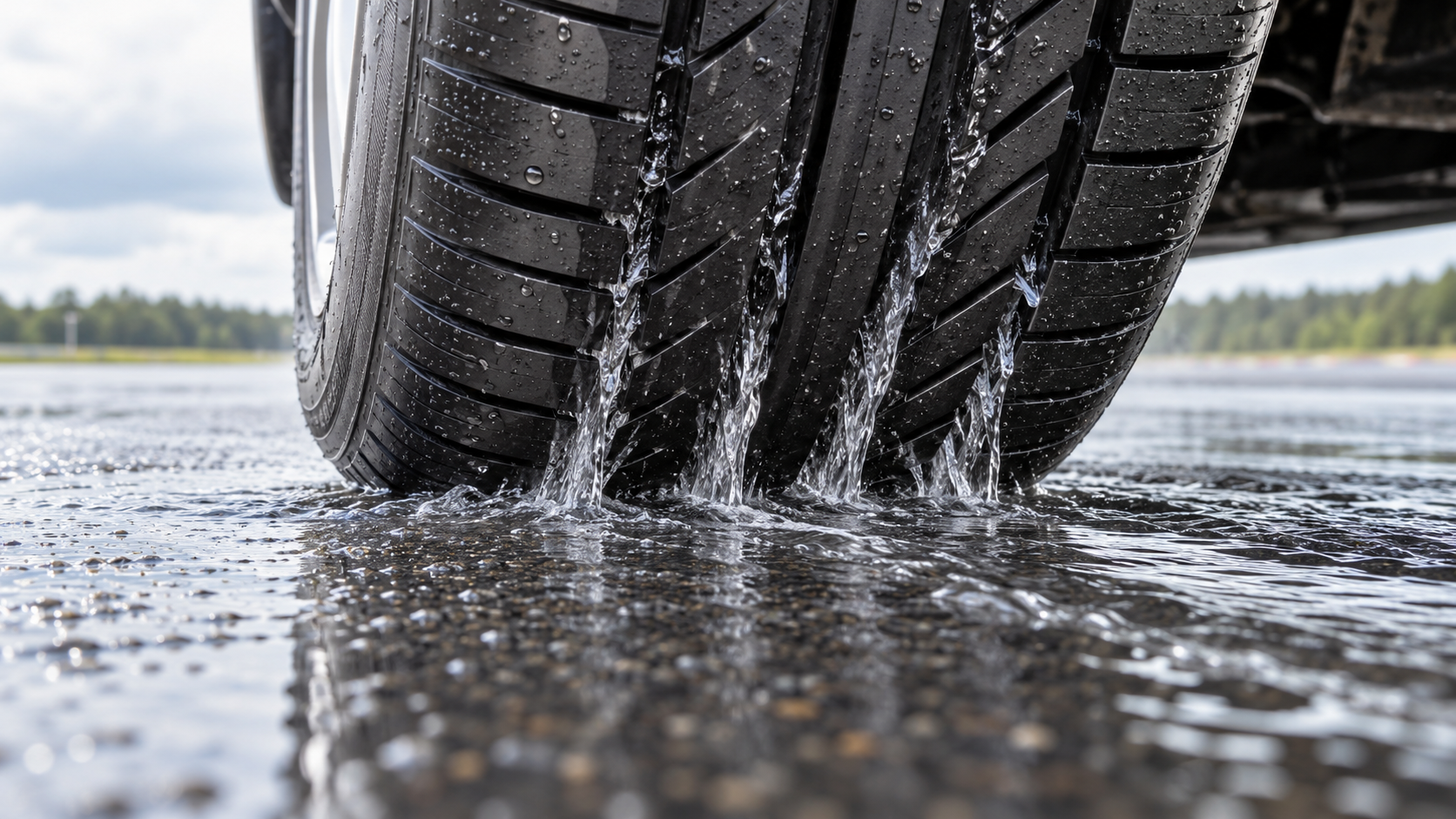
Tire grooves give water escape paths from the contact patch, helping rubber reach the pavement before a pressurized film can lift the tire.

Don't Just Read it – Explore It
Tire grooves give water escape paths from the contact patch, helping rubber reach the pavement before a pressurized film can lift the tire.
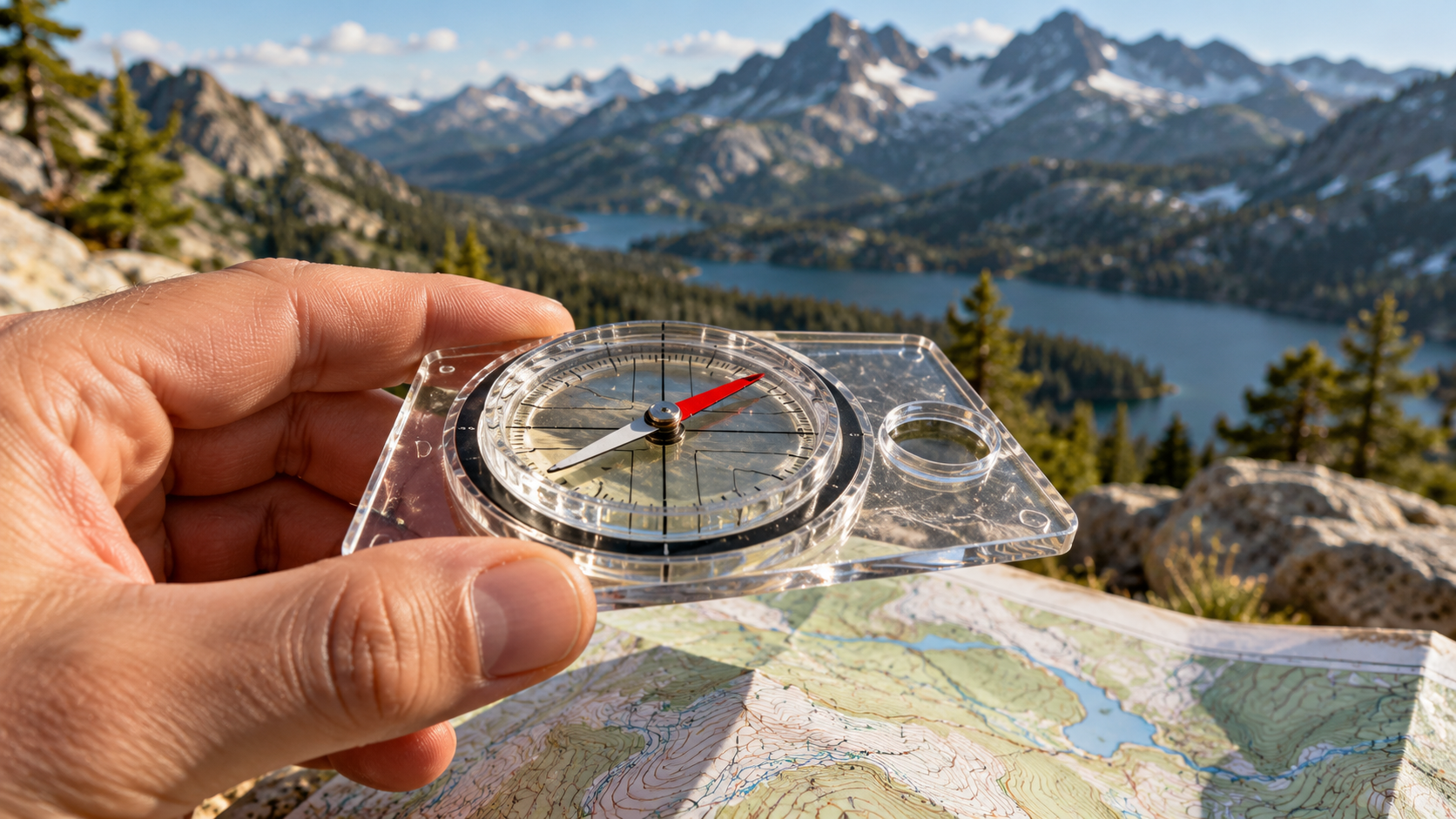
A magnetized compass needle rotates until its magnetic moment aligns with the horizontal component of Earth’s local magnetic field.
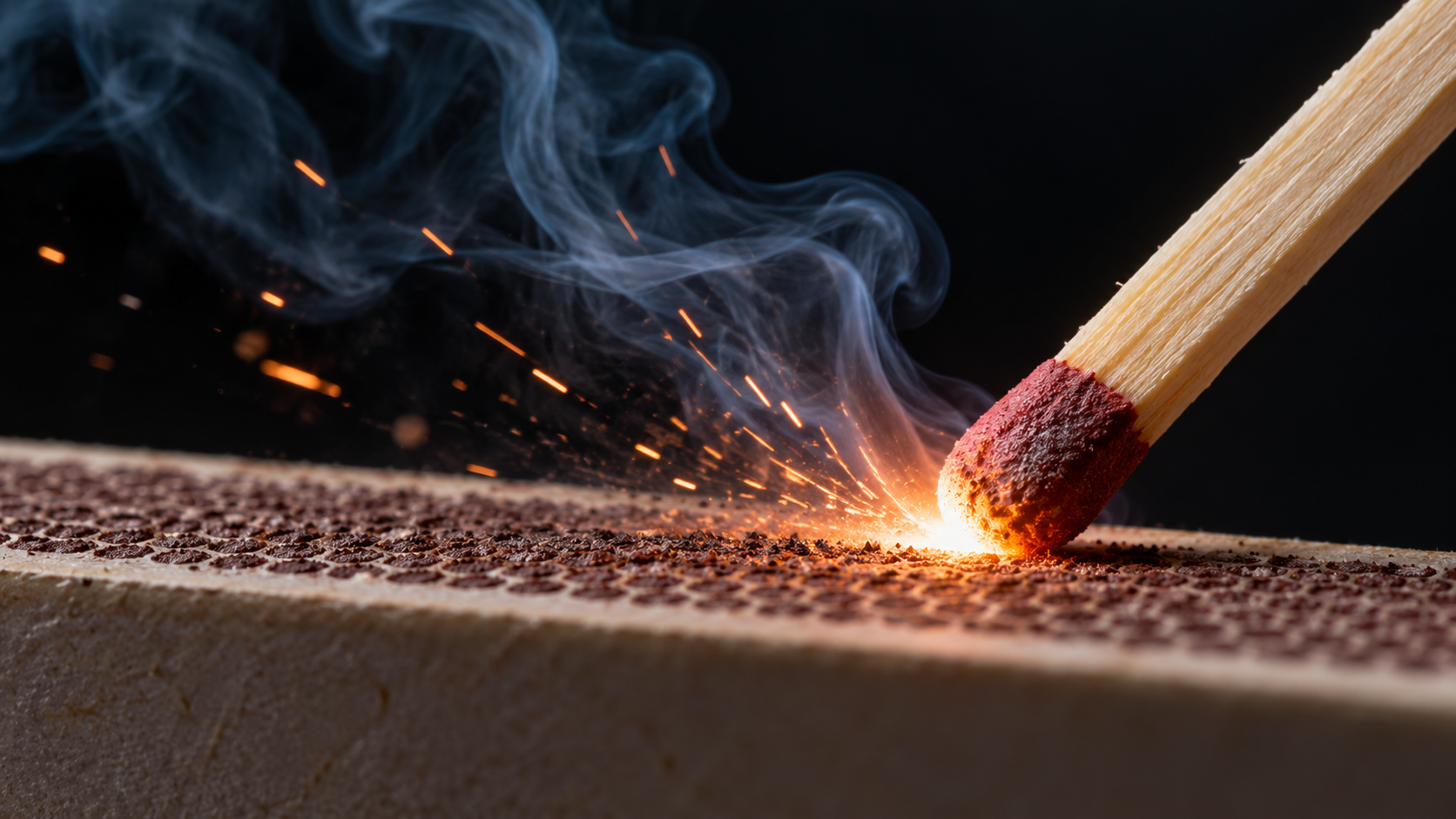
Friction on a special striker converts red phosphorus into a reactive form that ignites the oxidizer-and-fuel mixture in the match head.
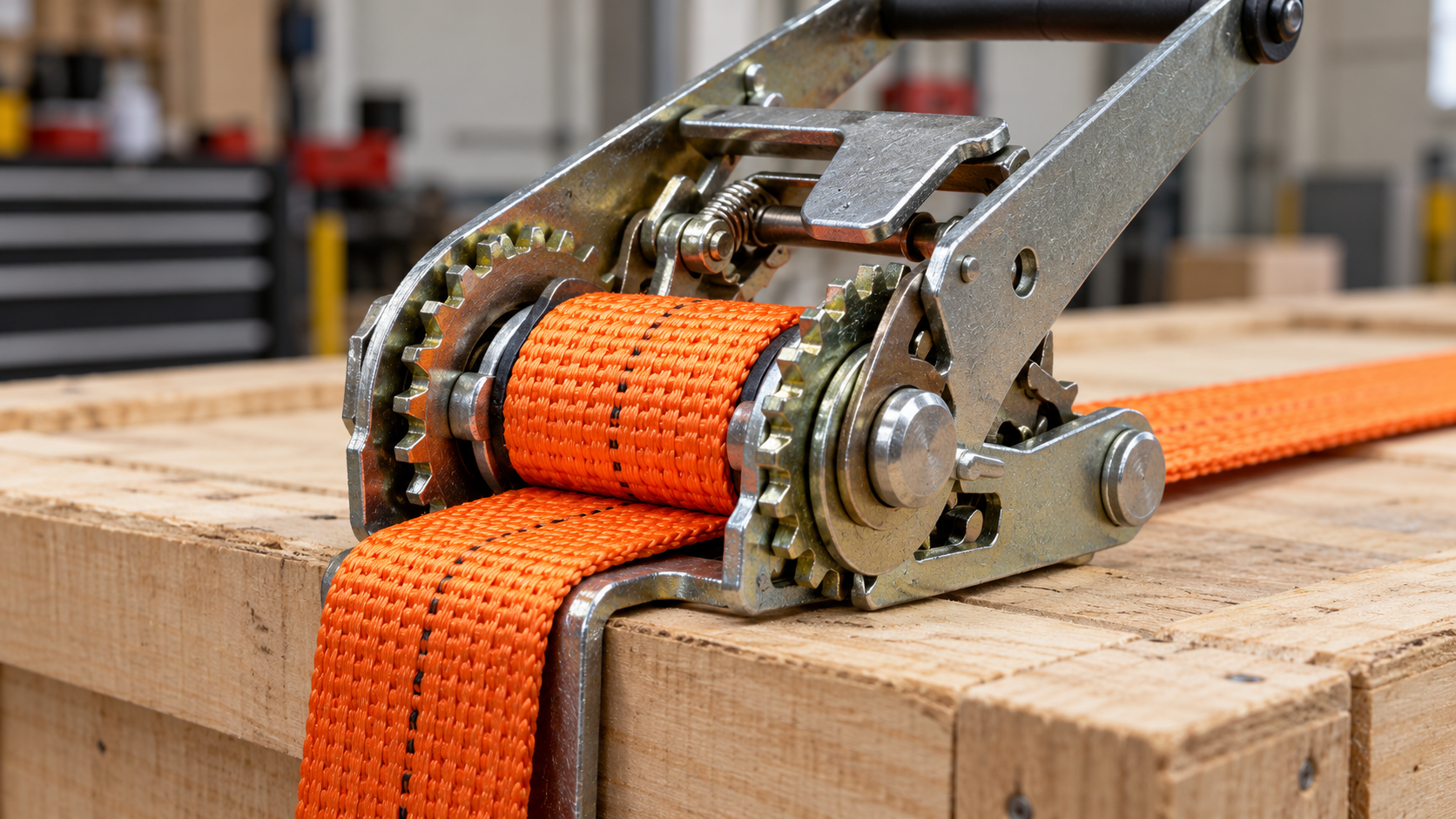
A ratchet handle winds webbing around a slotted mandrel while spring-loaded pawls engage toothed wheels and block reverse rotation.
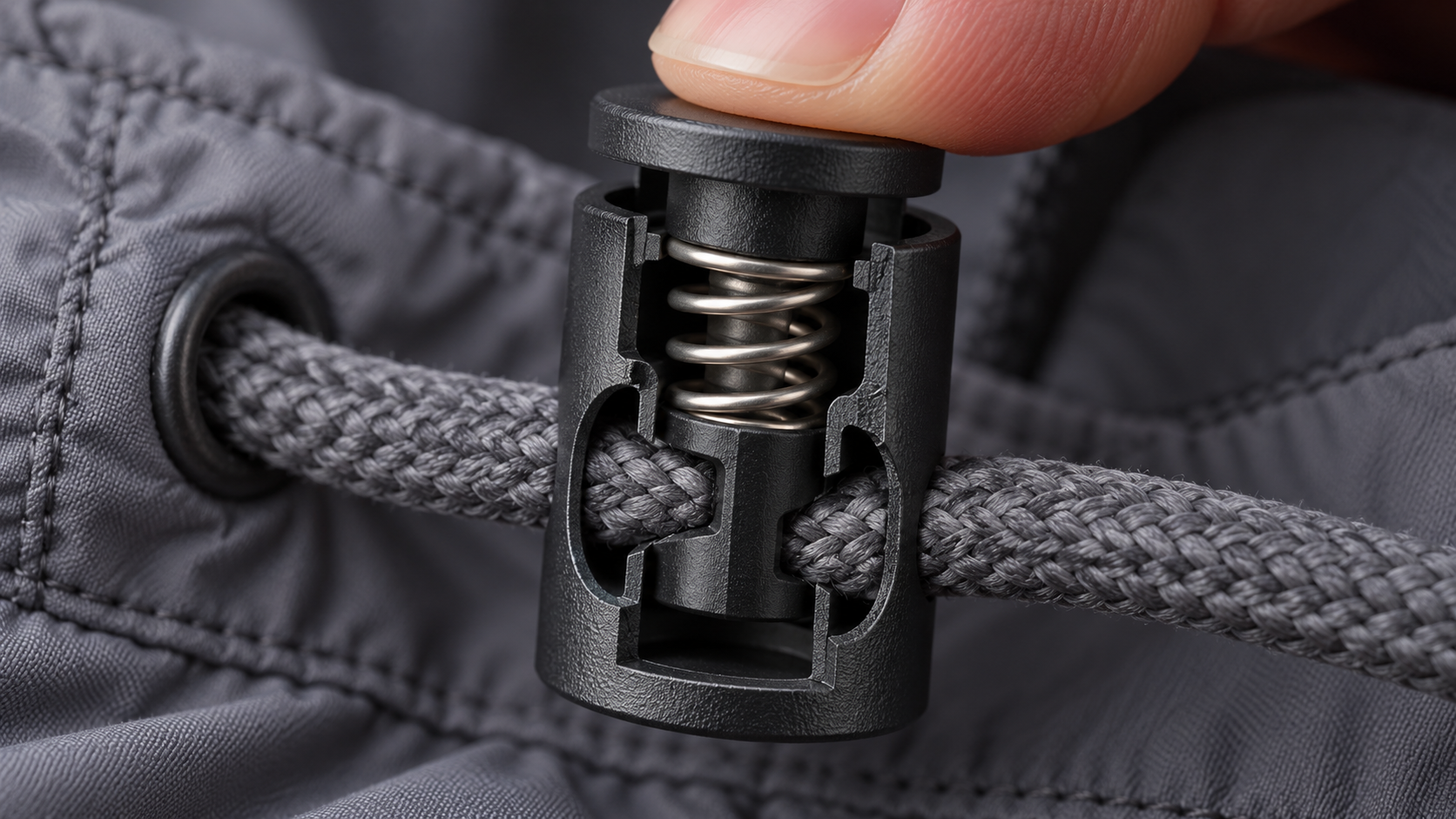
A cord lock’s spring offsets holes in its plunger and body, pinching the drawstring until the button is pressed to align the passage.
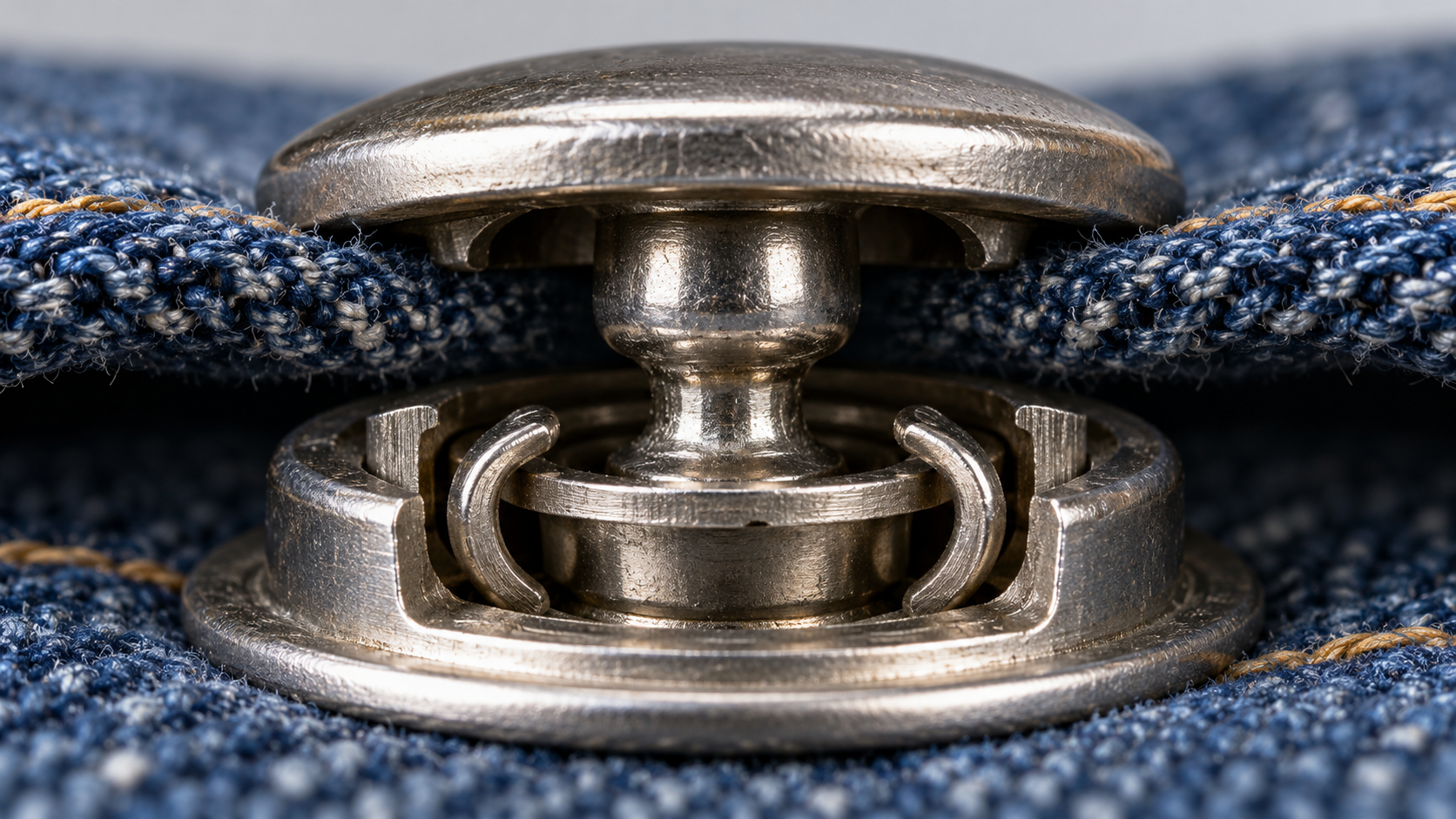
A snap fastener holds when the rounded stud spreads a spring inside the socket, then the spring contracts into the stud’s neck.
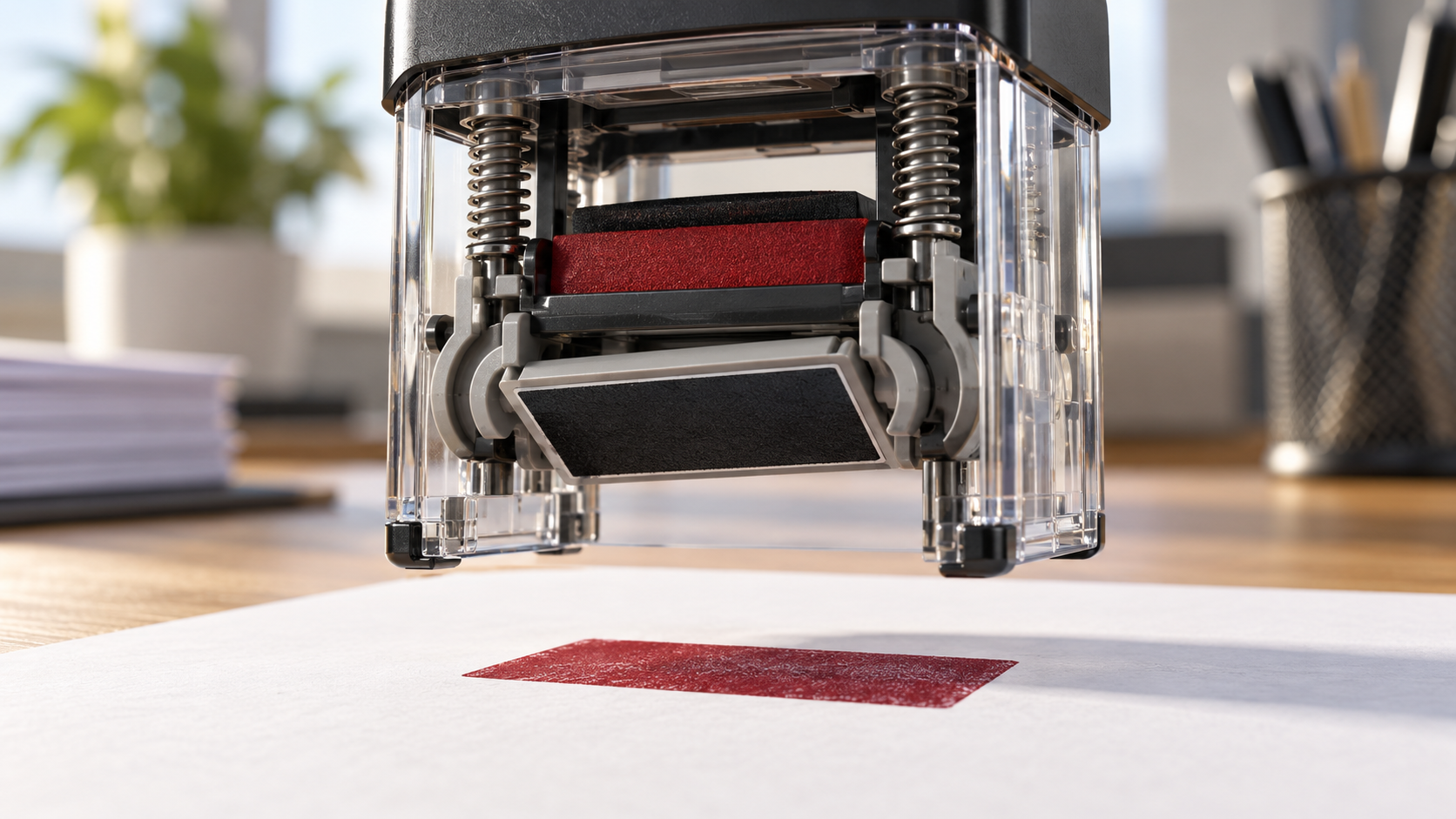
A self-inking stamp stores its die against an internal ink pad, then slides and flips the die 180 degrees as the handle is pressed toward paper.
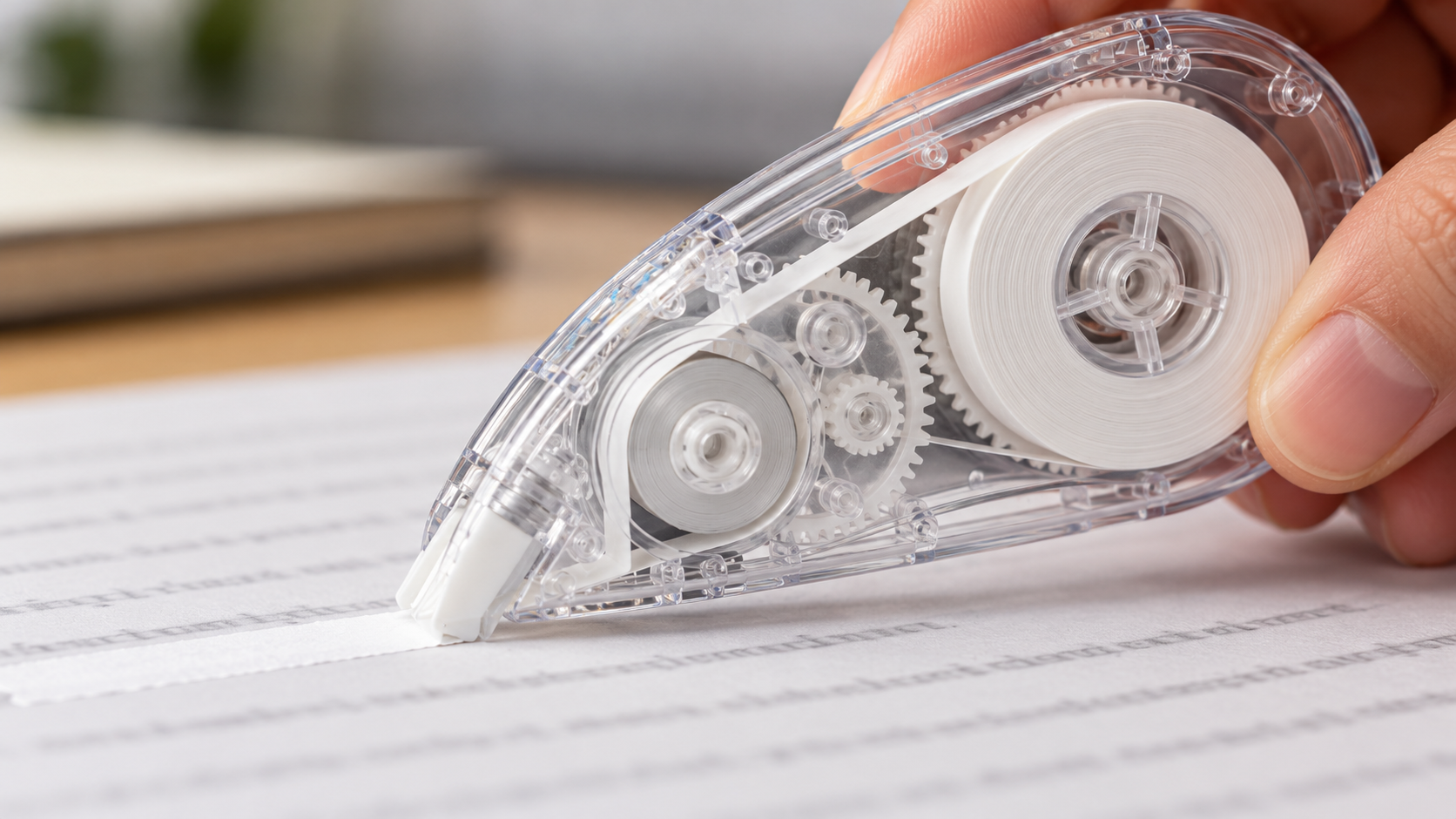
A correction-tape dispenser presses a dry opaque coating from a carrier film onto paper while gears wind the used film onto a take-up spool.
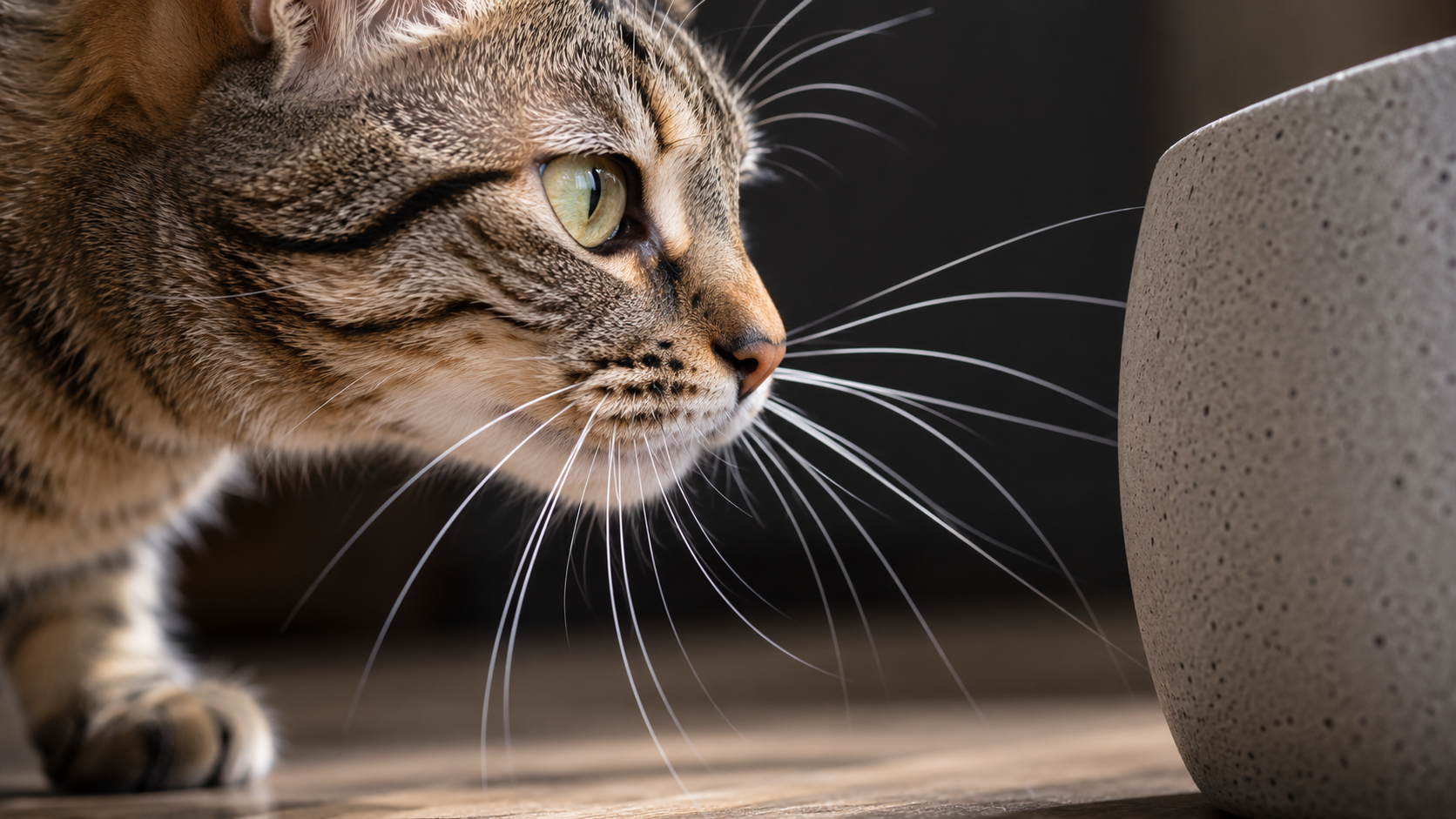
A cat’s whiskers are stiff tactile hairs rooted in nerve-rich follicles that detect contact and subtle deflection near the face and body.
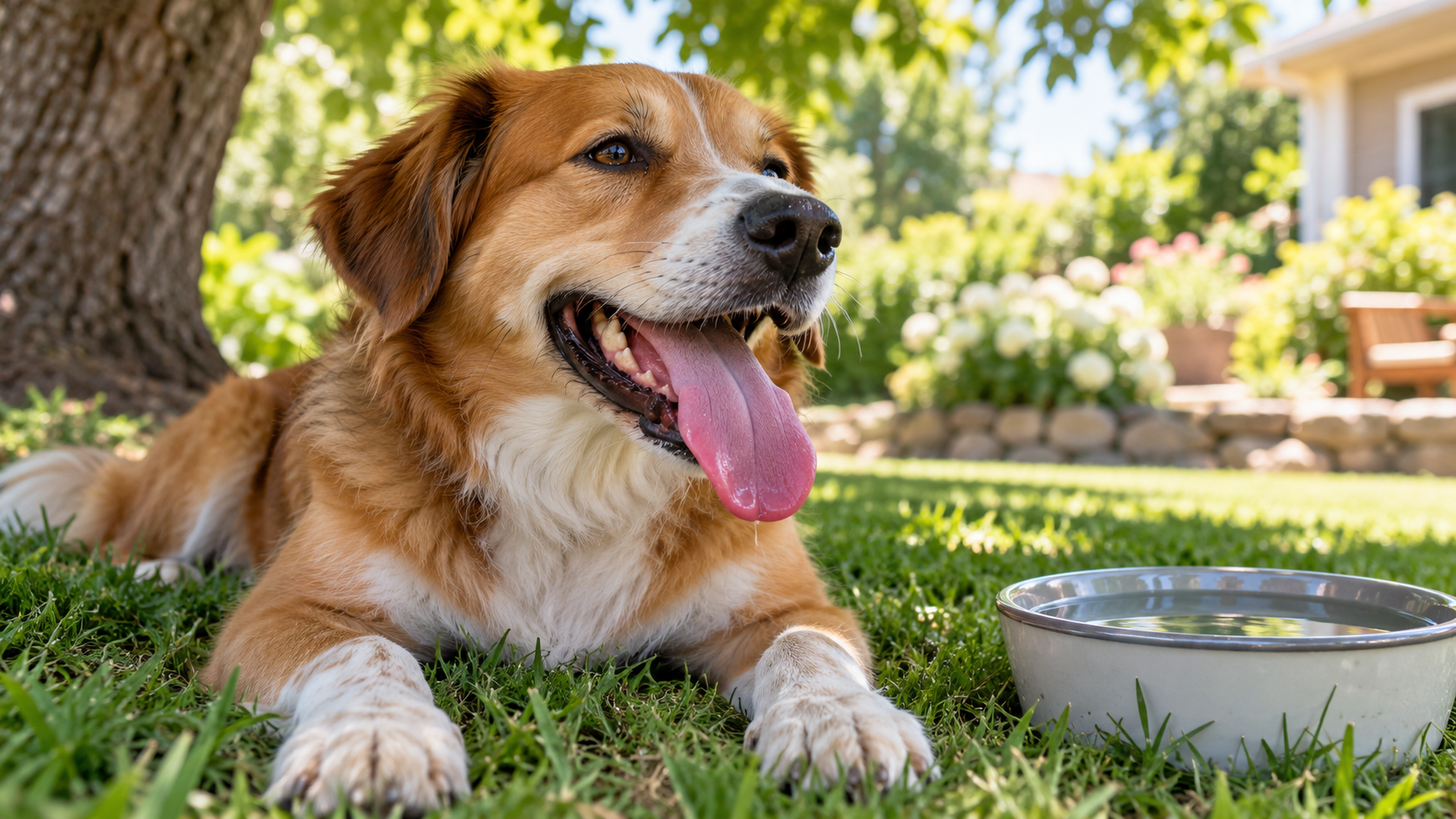
Panting moves air rapidly across moist surfaces in a dog’s mouth and airways, using evaporation to carry heat away from the body.
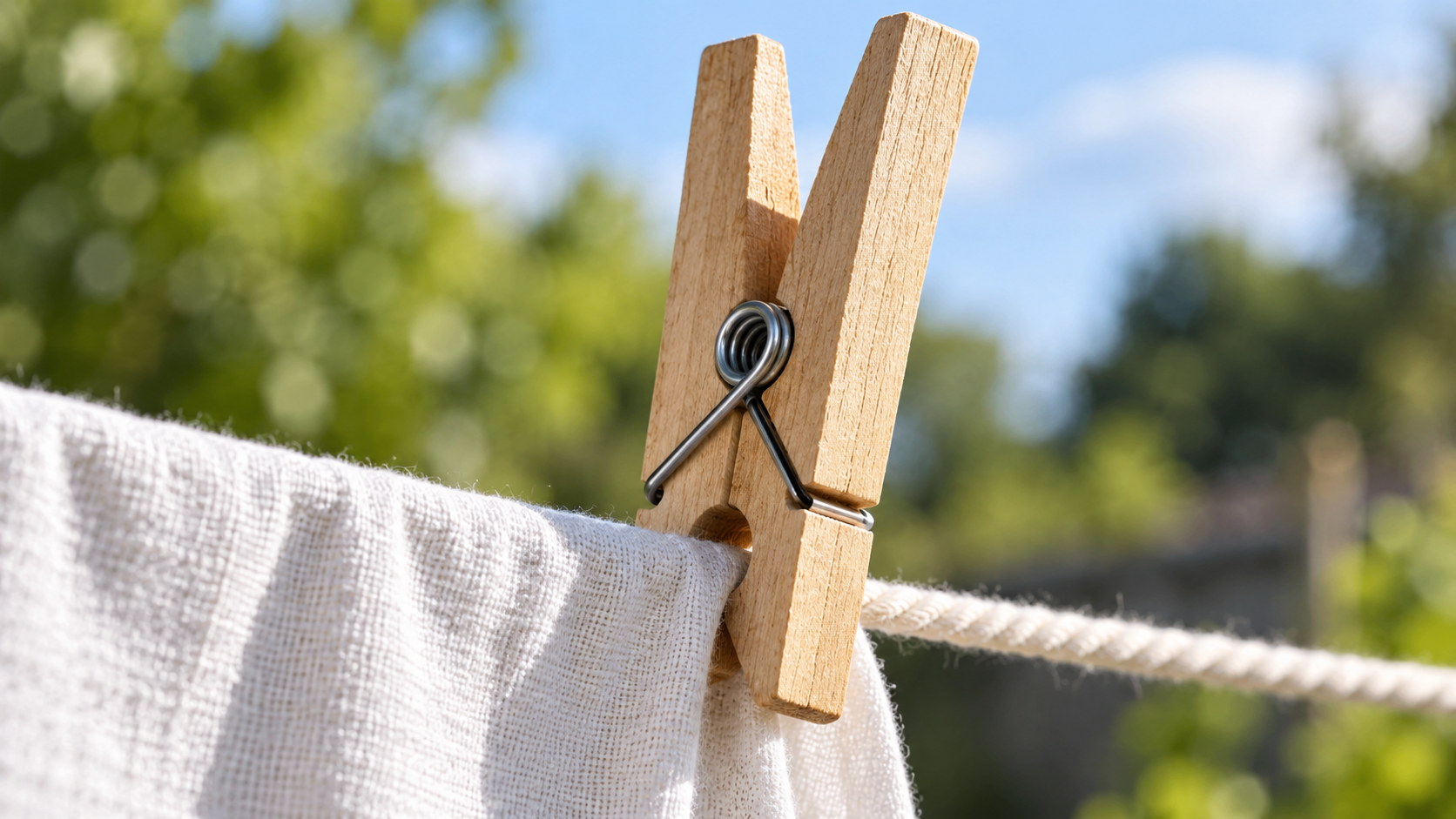
A clothespin uses two levers around a coiled torsion spring, so squeezing the handles opens the jaws and releasing them clamps fabric to a line.
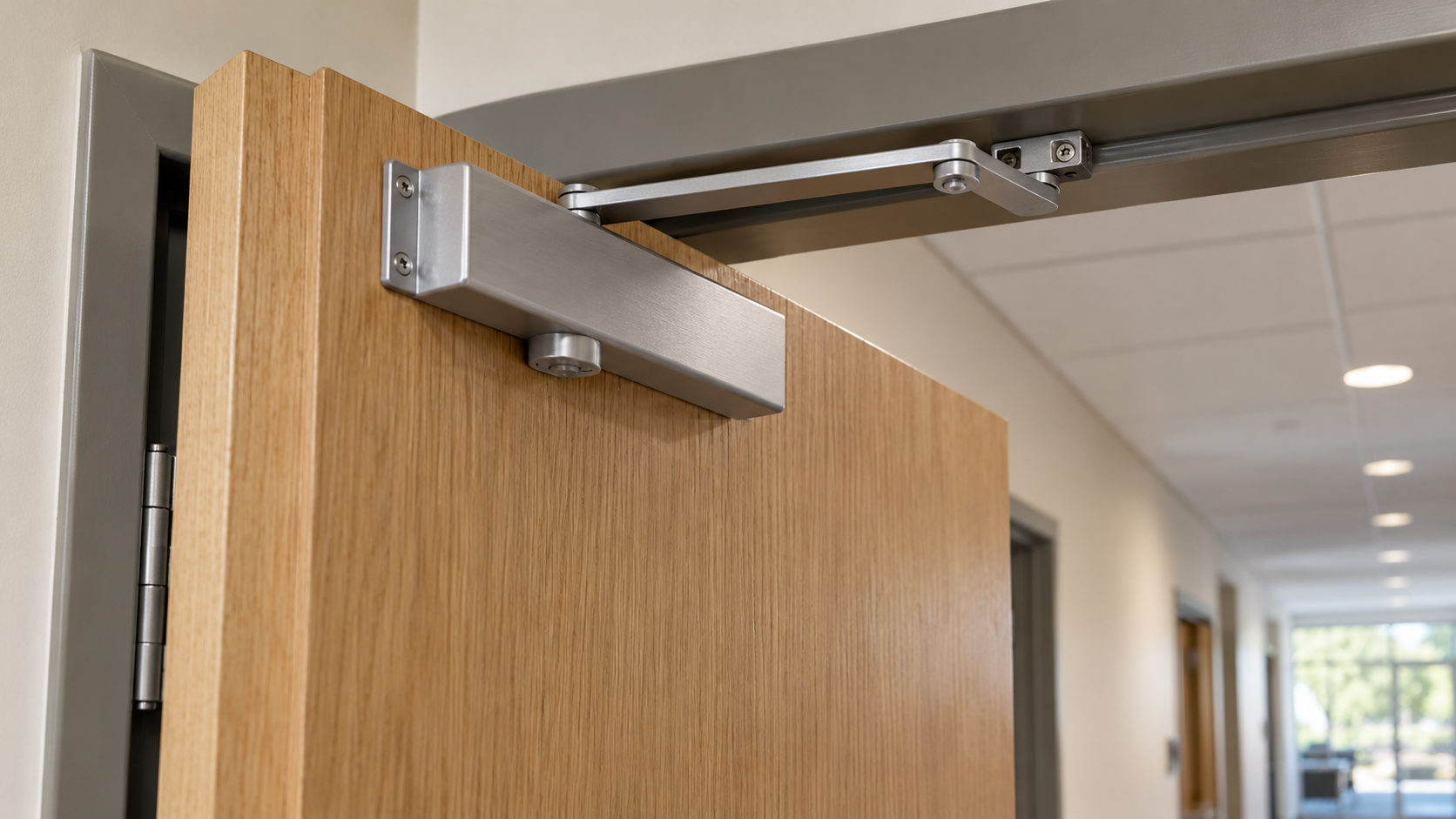
A hydraulic door closer stores energy in a spring as a door opens, then meters oil through small valves so the door returns at a controlled speed.