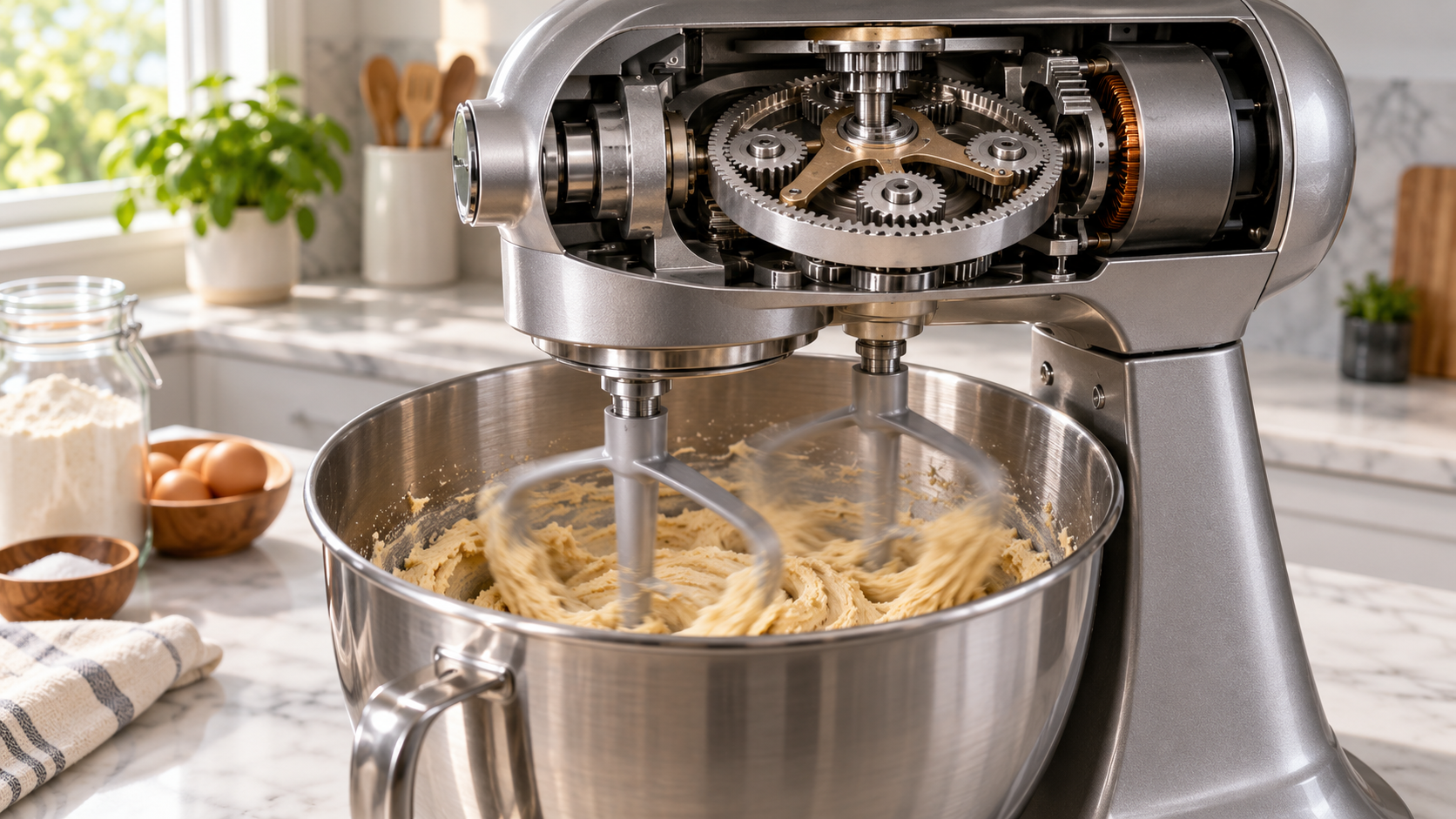
How Does a Stand Mixer Use Planetary Action?
A planetary mixer makes the attachment spin on its own shaft while that shaft travels around the bowl, sweeping a broad path through the ingredients.

Don't Just Read it – Explore It
A planetary mixer makes the attachment spin on its own shaft while that shaft travels around the bowl, sweeping a broad path through the ingredients.
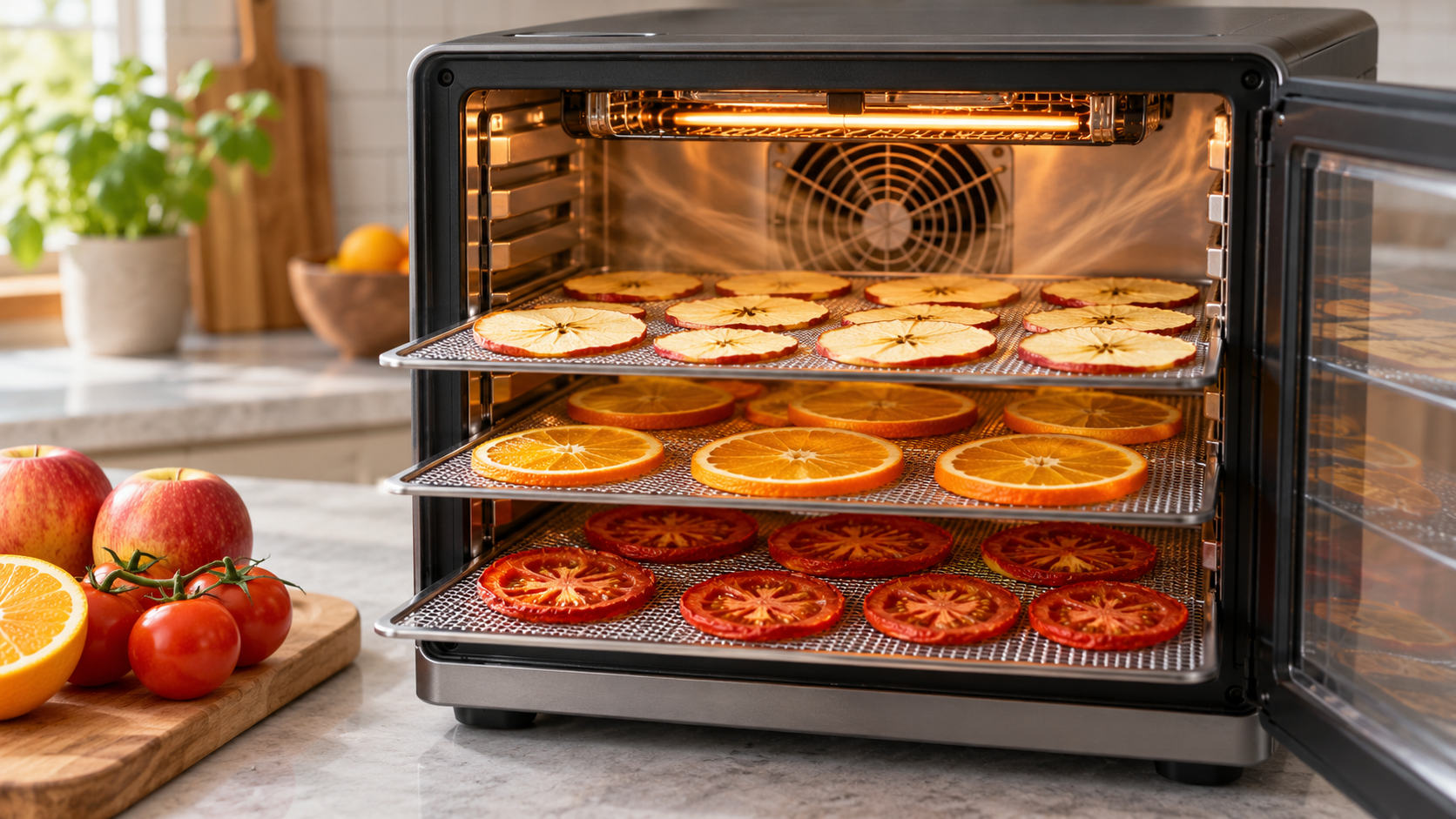
A food dehydrator moves warm air across thin pieces of food, carrying away moisture until water activity falls enough to slow spoilage.
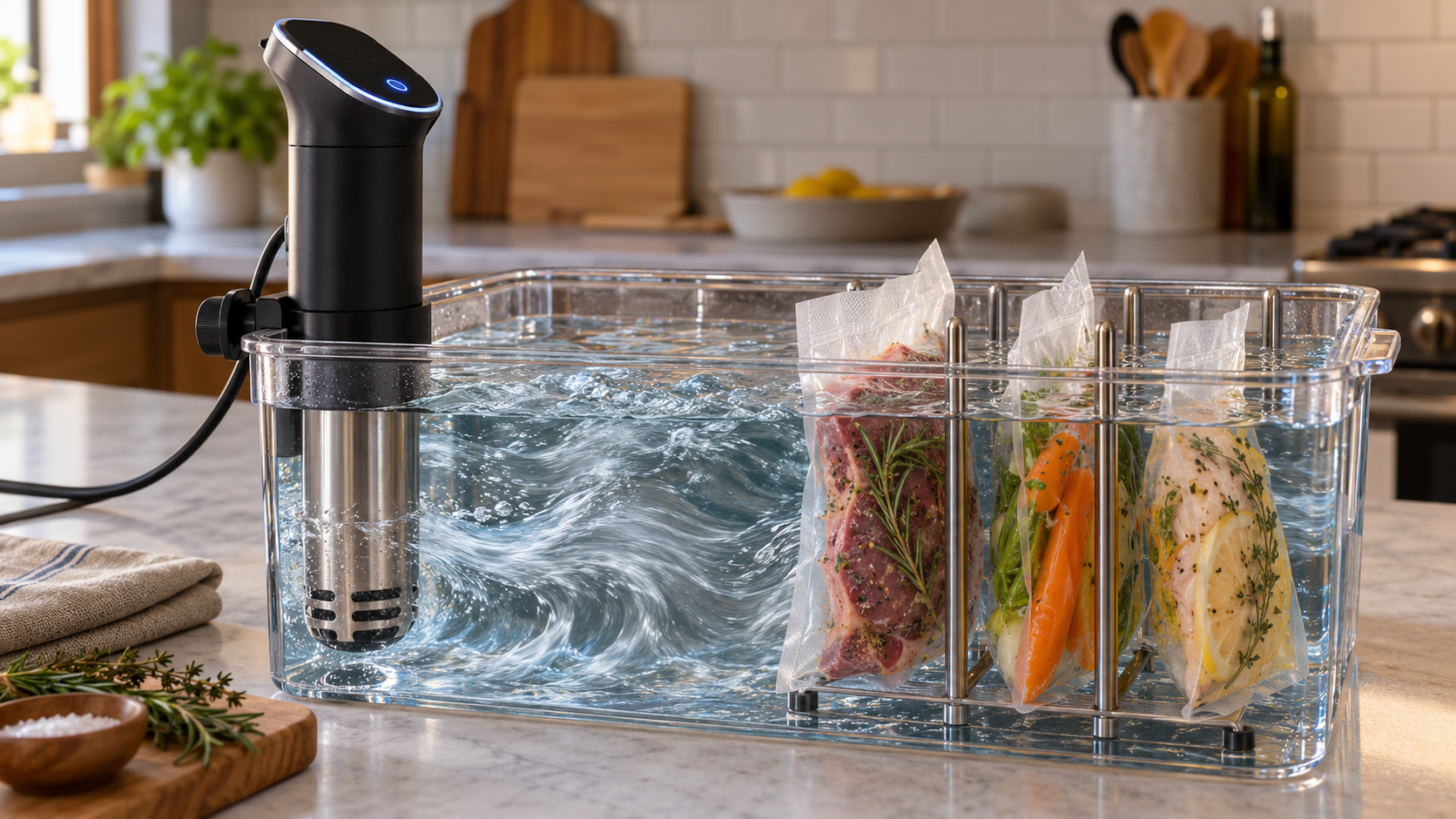
A sous vide circulator measures water temperature, switches a heater as needed, and pumps water around the bath to minimize hot and cold zones.
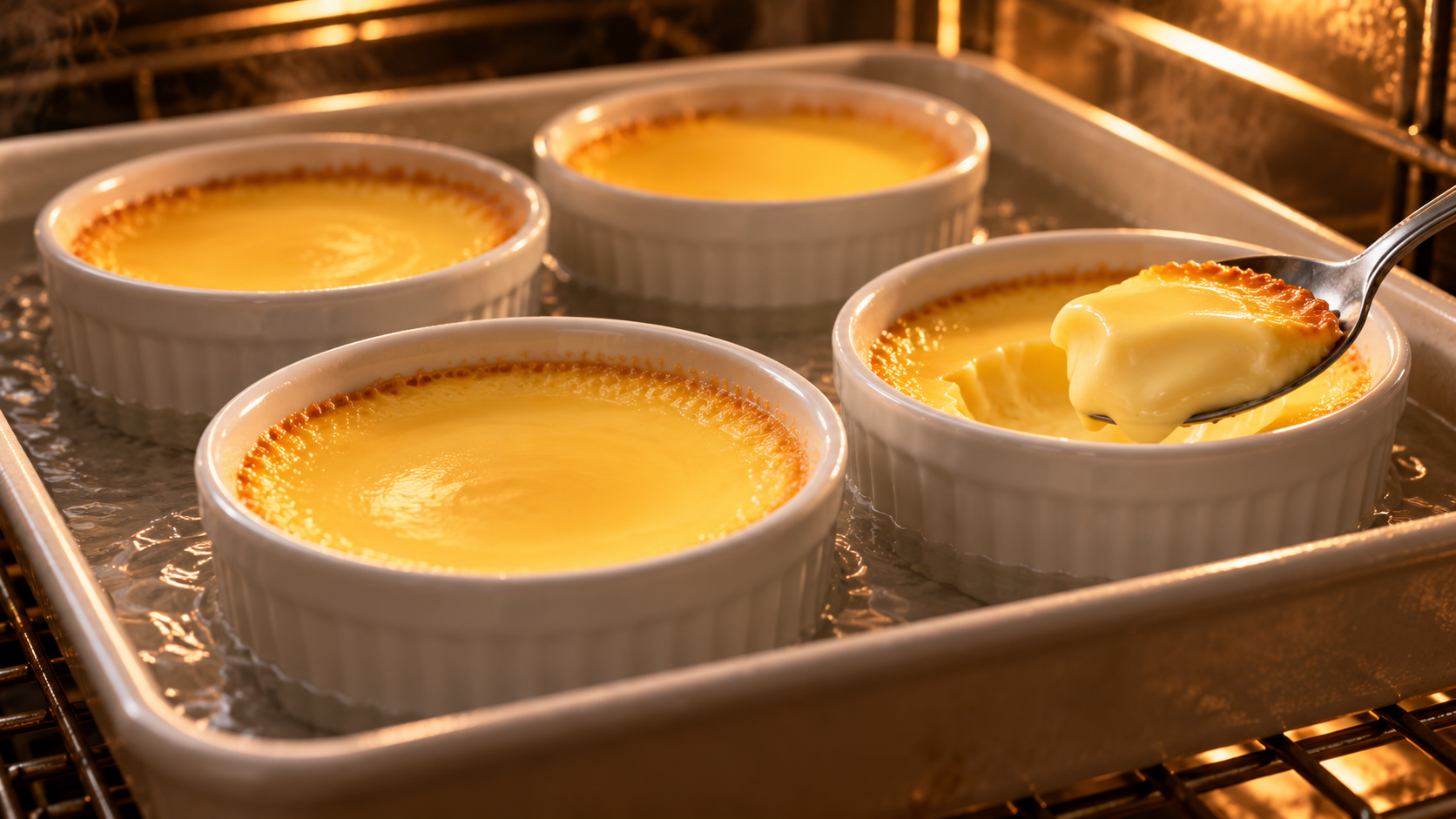
Heat unfolds egg proteins in a custard, allowing them to link into a network that traps water and thickens the mixture into a tender gel.
Quick pickling immerses vegetables in an acidic vinegar brine, lowering surface pH while salt, sugar, and heat shape flavor and texture.
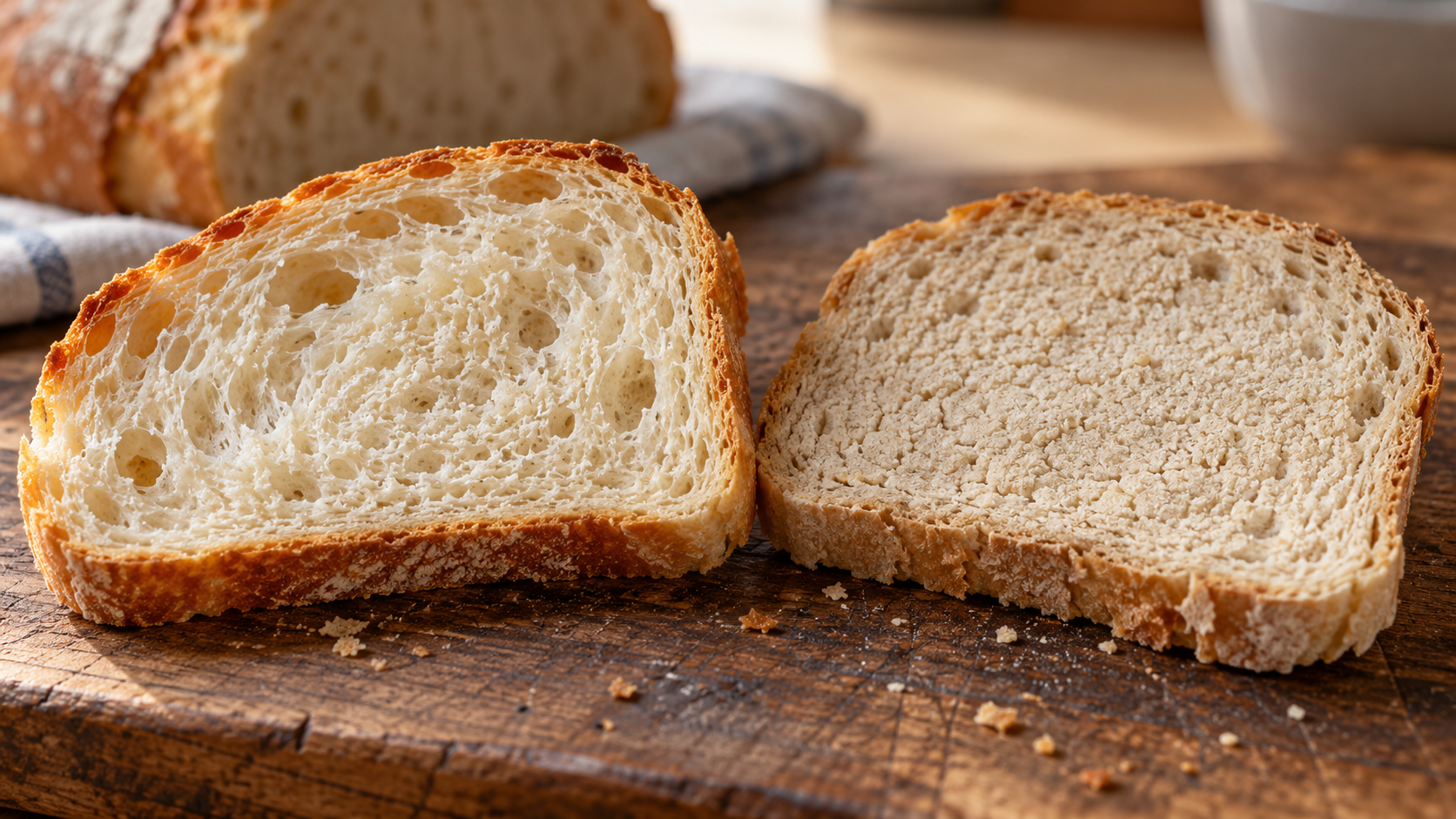
Bread stales mainly because gelatinized starch reorganizes after baking, firming the crumb and redistributing water even before the loaf dries out.
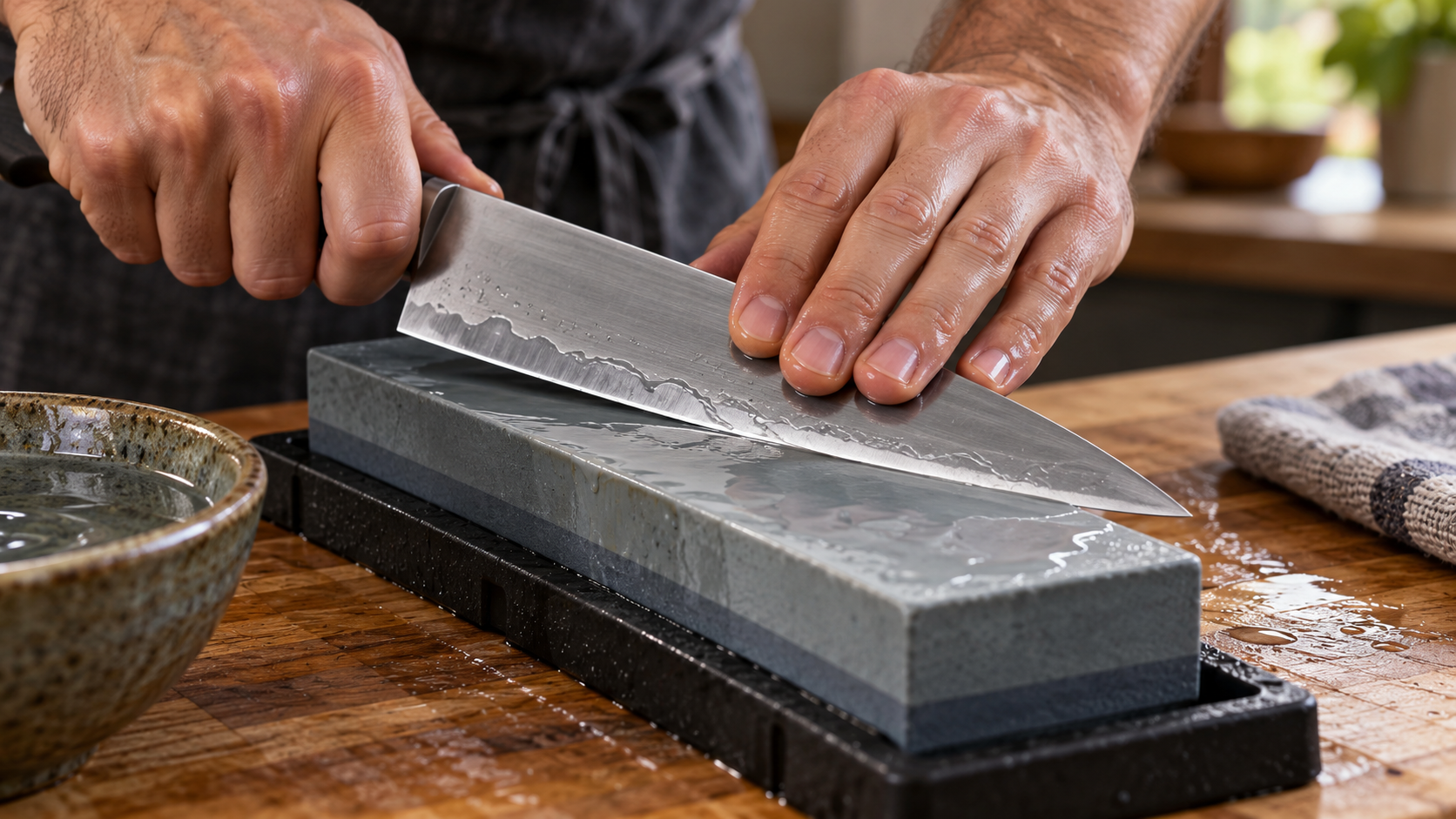
A whetstone’s abrasive grains remove controlled amounts of steel from both bevels until they meet in a thin, continuous cutting edge.
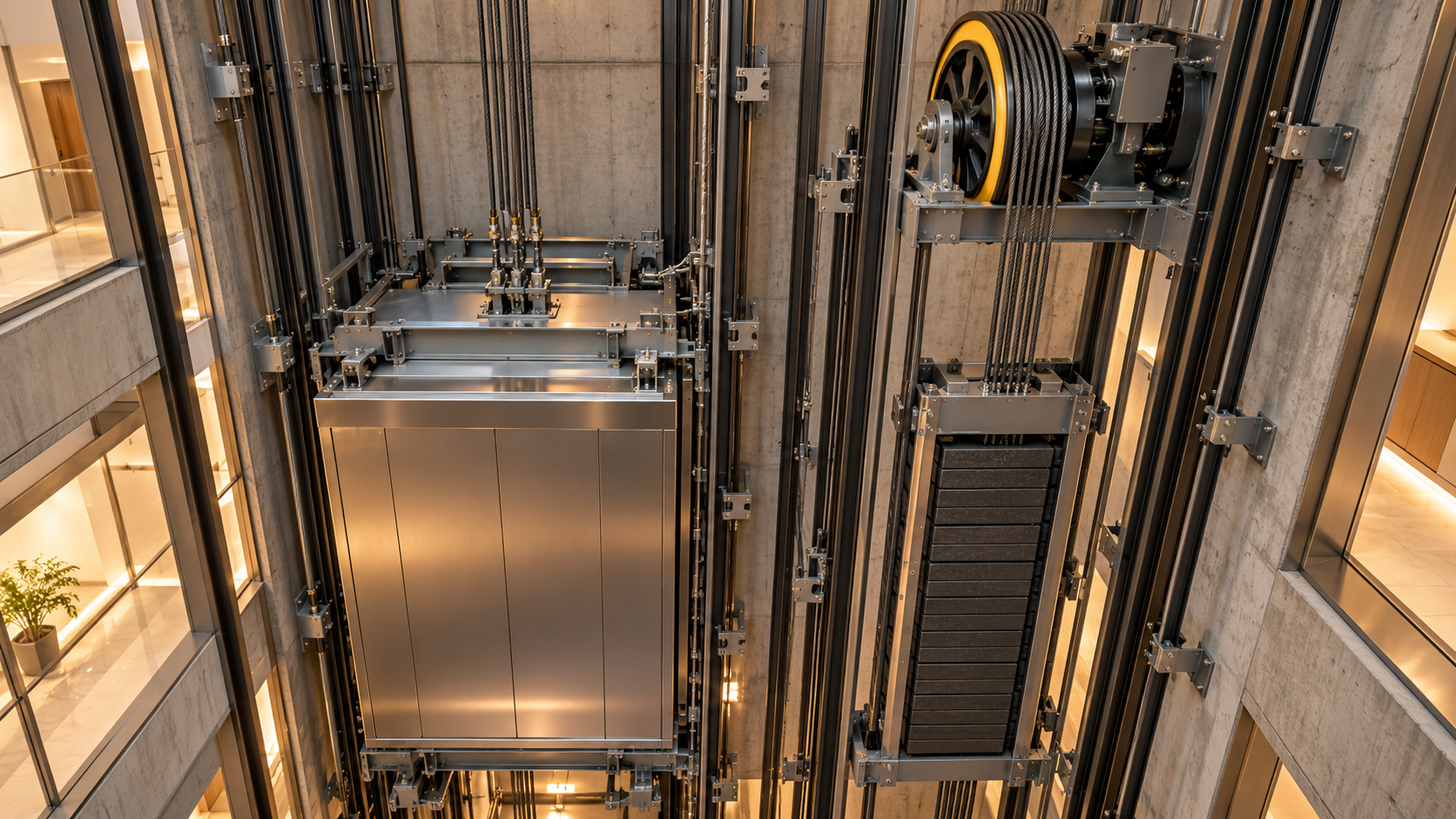
A traction elevator’s counterweight balances the car and part of its expected load, so the motor moves mainly the difference instead of lifting everything.
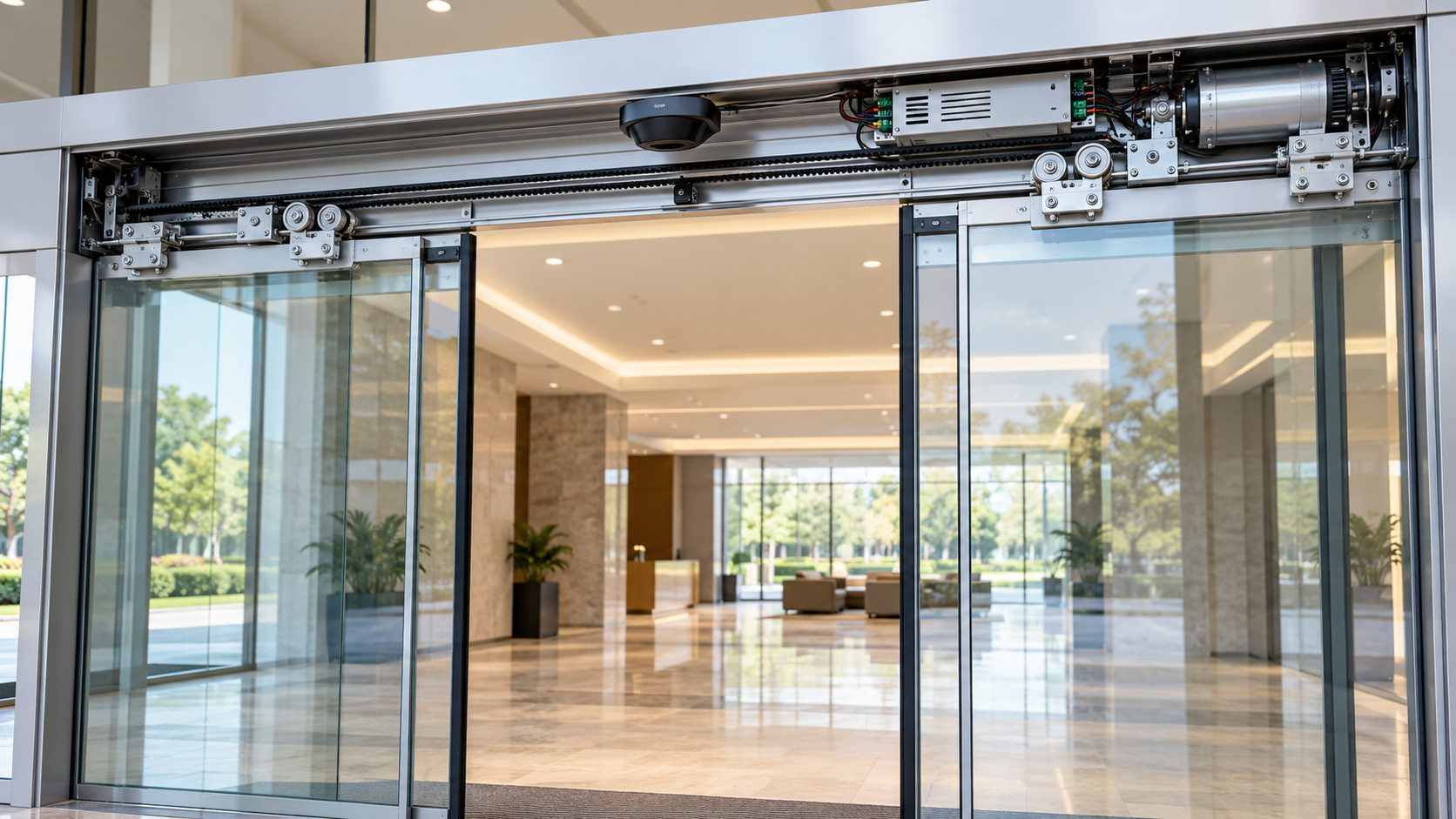
Automatic sliding doors combine an activation sensor with a motorized belt drive and separate safety sensing that keeps the doorway monitored.
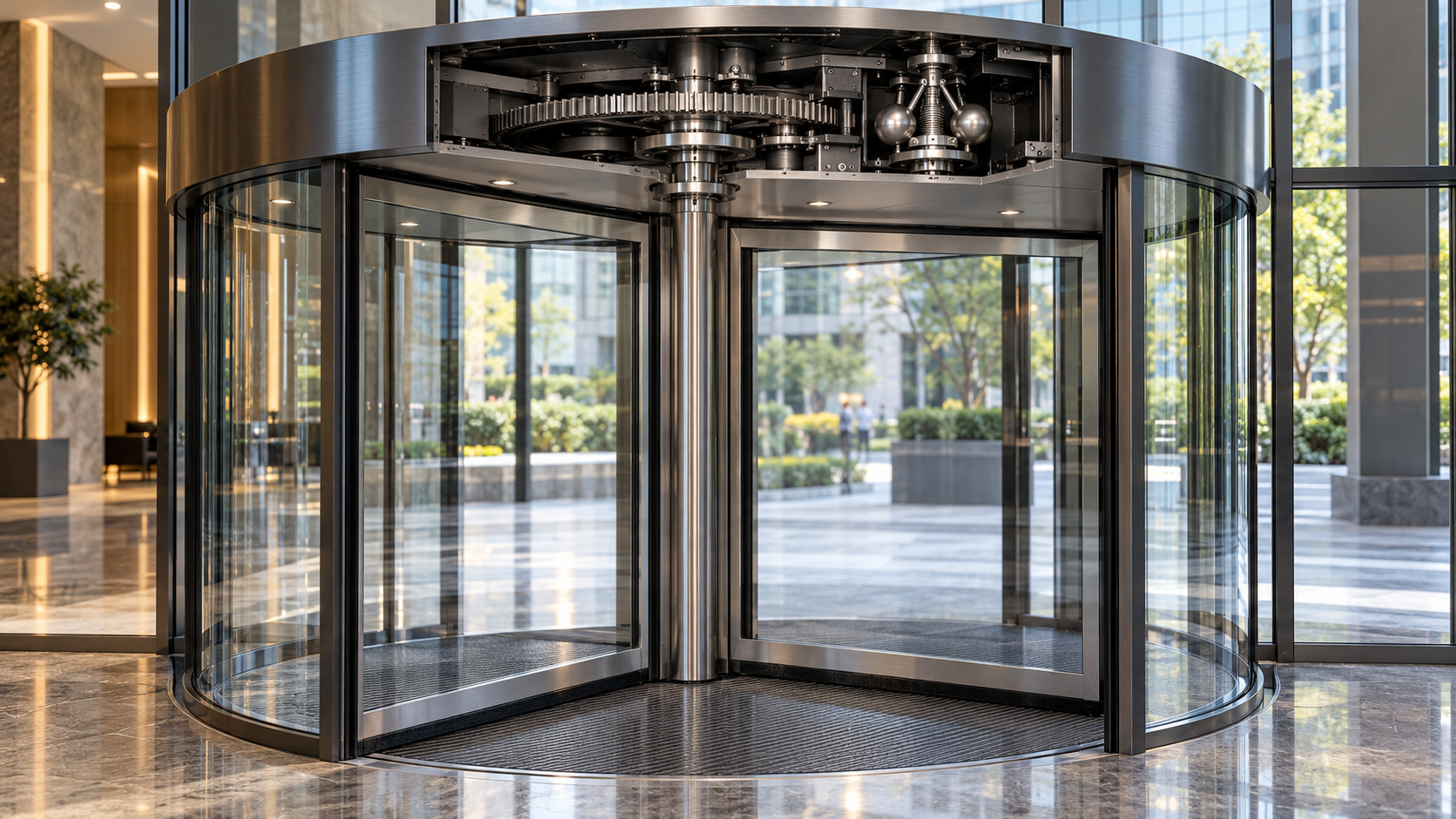
A revolving door uses bearings around a central shaft and a mechanical or powered governor that resists rotation above a safe operating speed.
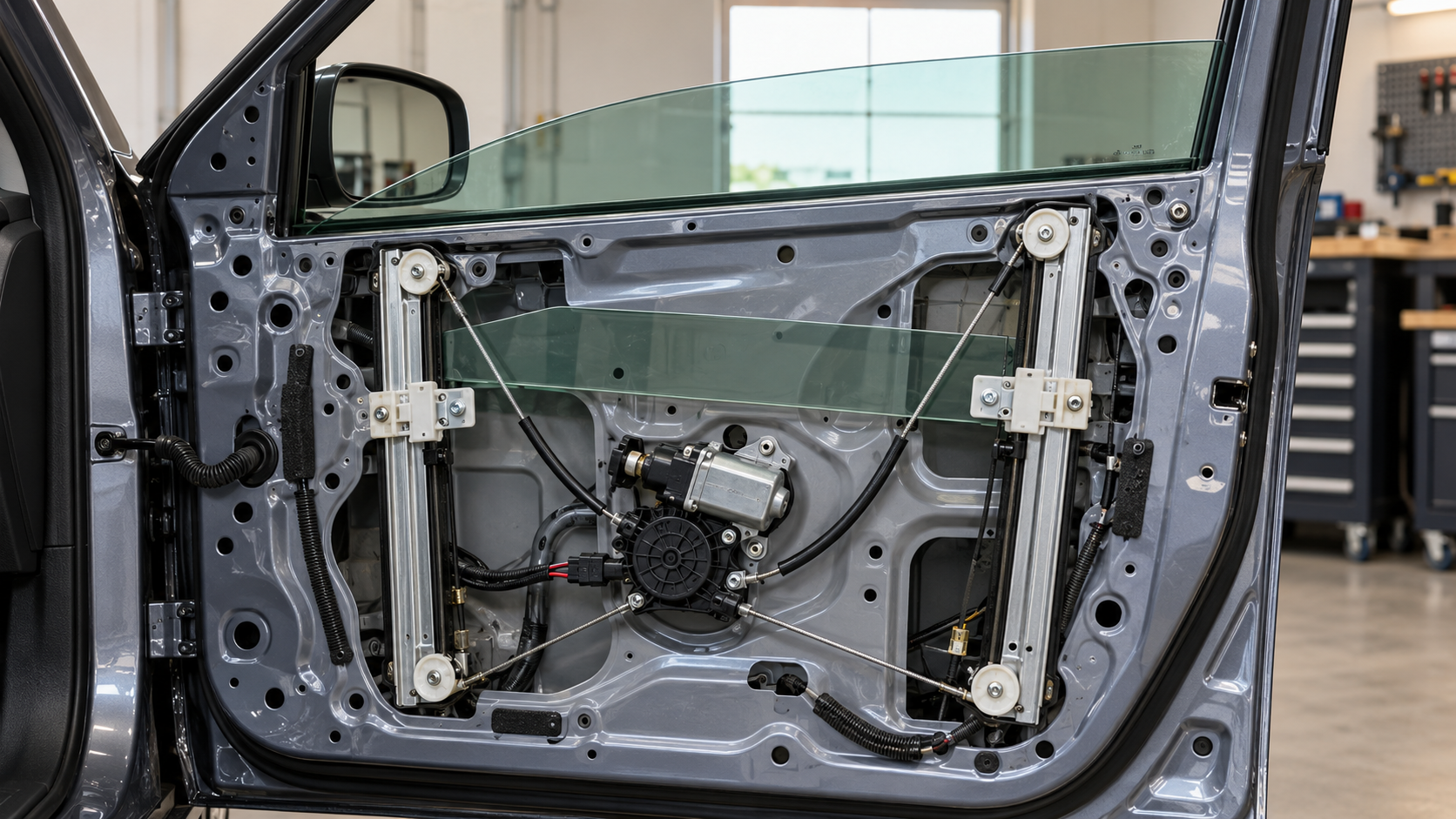
A power-window motor drives a regulator that guides the glass vertically, using either crossed arms or cables to multiply and control motion.
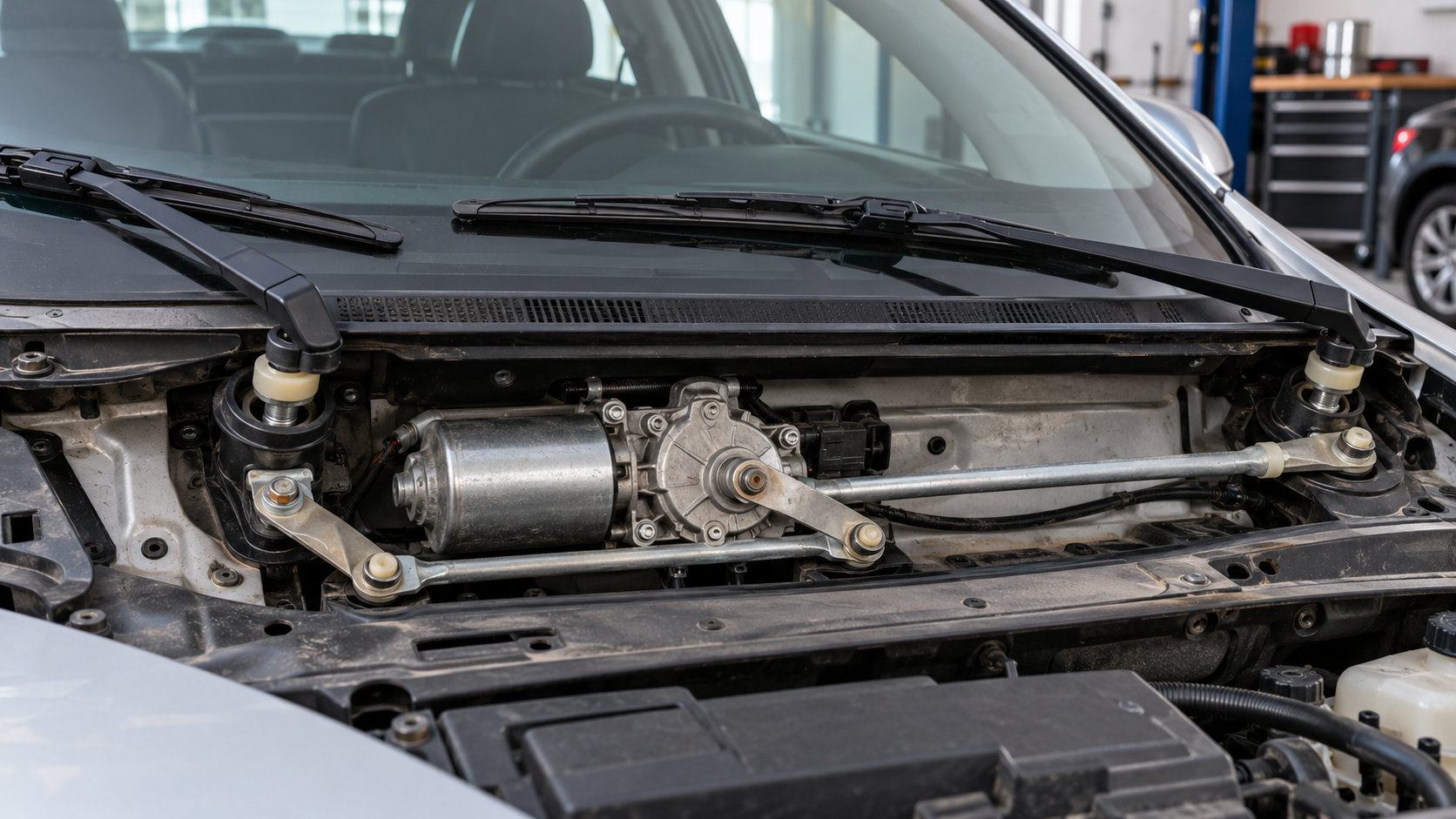
A geared wiper motor turns a short crank, and linked rods convert that continuous rotation into the back-and-forth motion of the wiper arms.