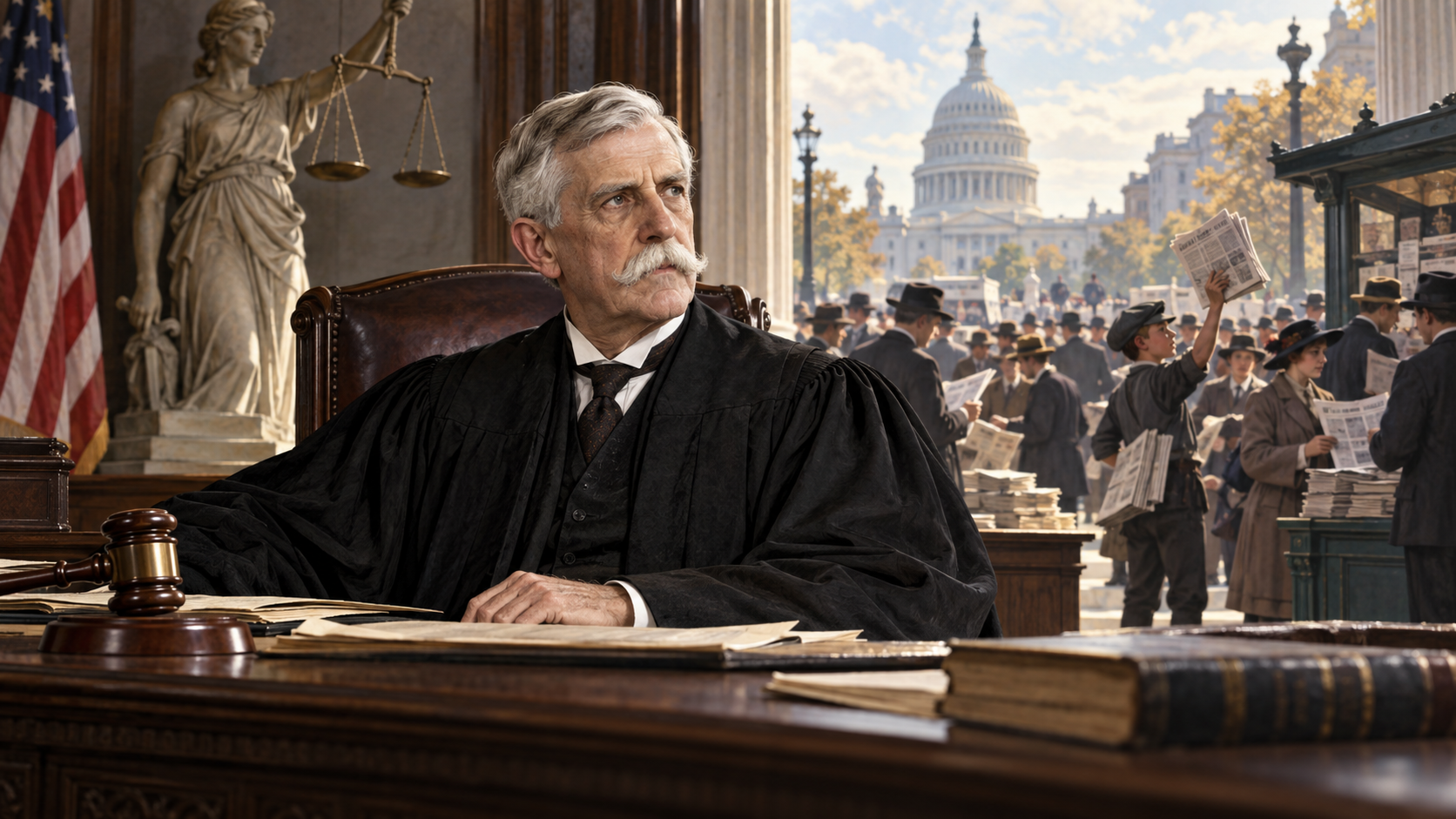
Hugo L. Black, 1971
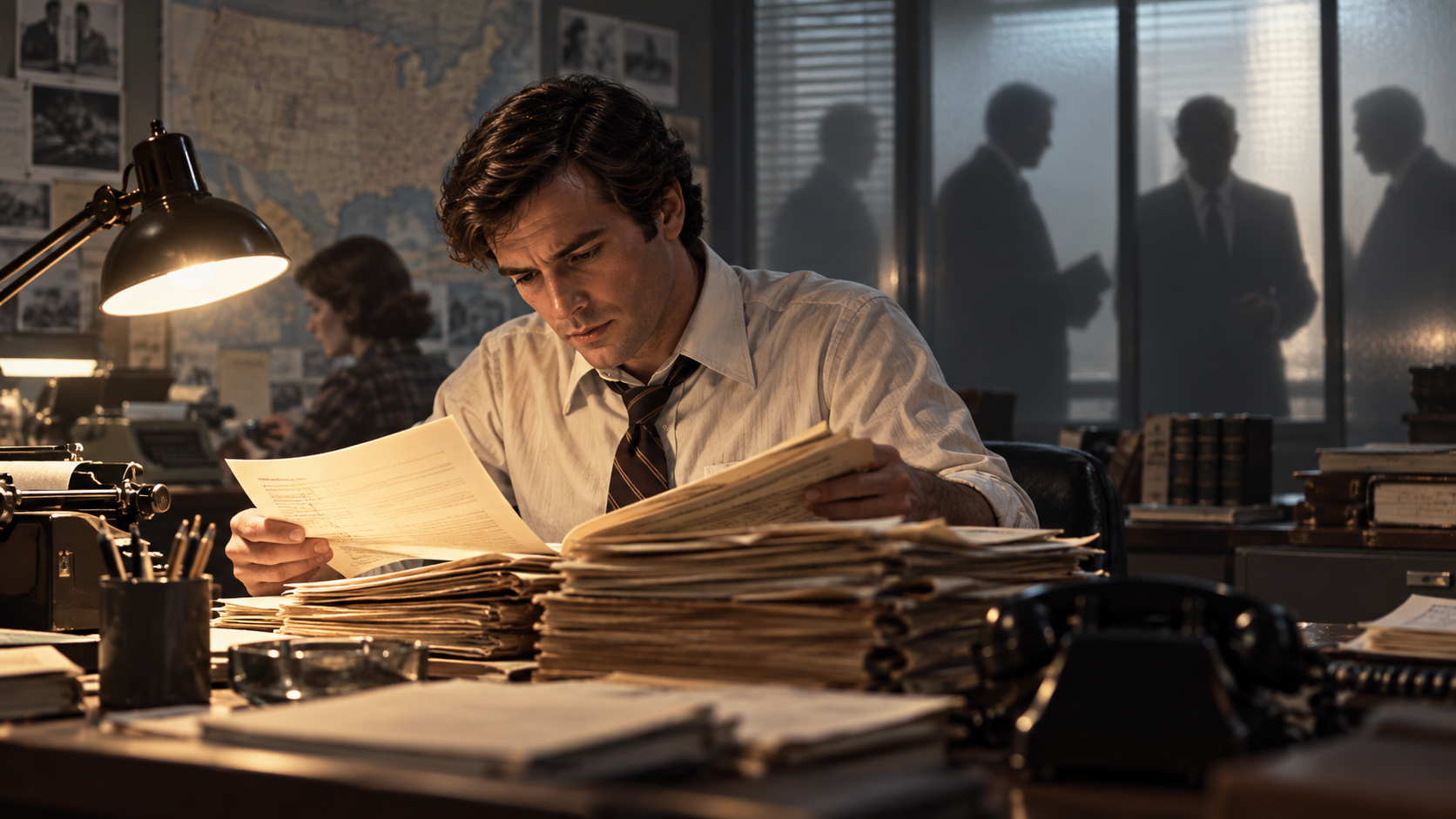
Justice Hugo Black’s 1971 argument that an unrestrained press is necessary to reveal government deception and policy failure.

Don't Just Read it – Explore It
Justice Hugo Black’s 1971 argument that an unrestrained press is necessary to reveal government deception and policy failure.
Justice Oliver Wendell Holmes Jr.’s 1919 dissent on free trade in ideas, dissent, and the difficult testing of public claims.
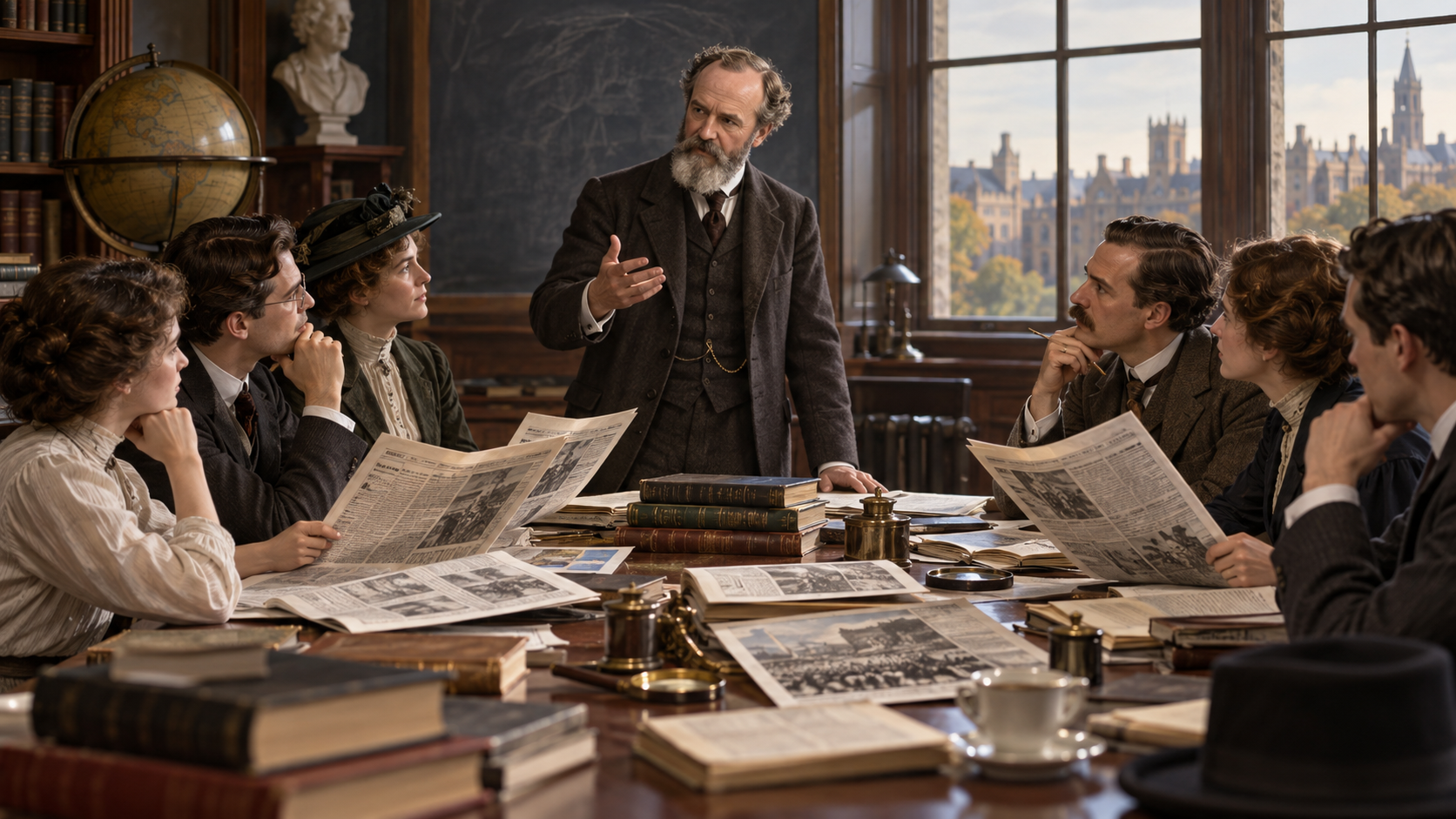
William James’s 1907 reminder that separate truths must be reconciled into a coherent and context-rich public account.
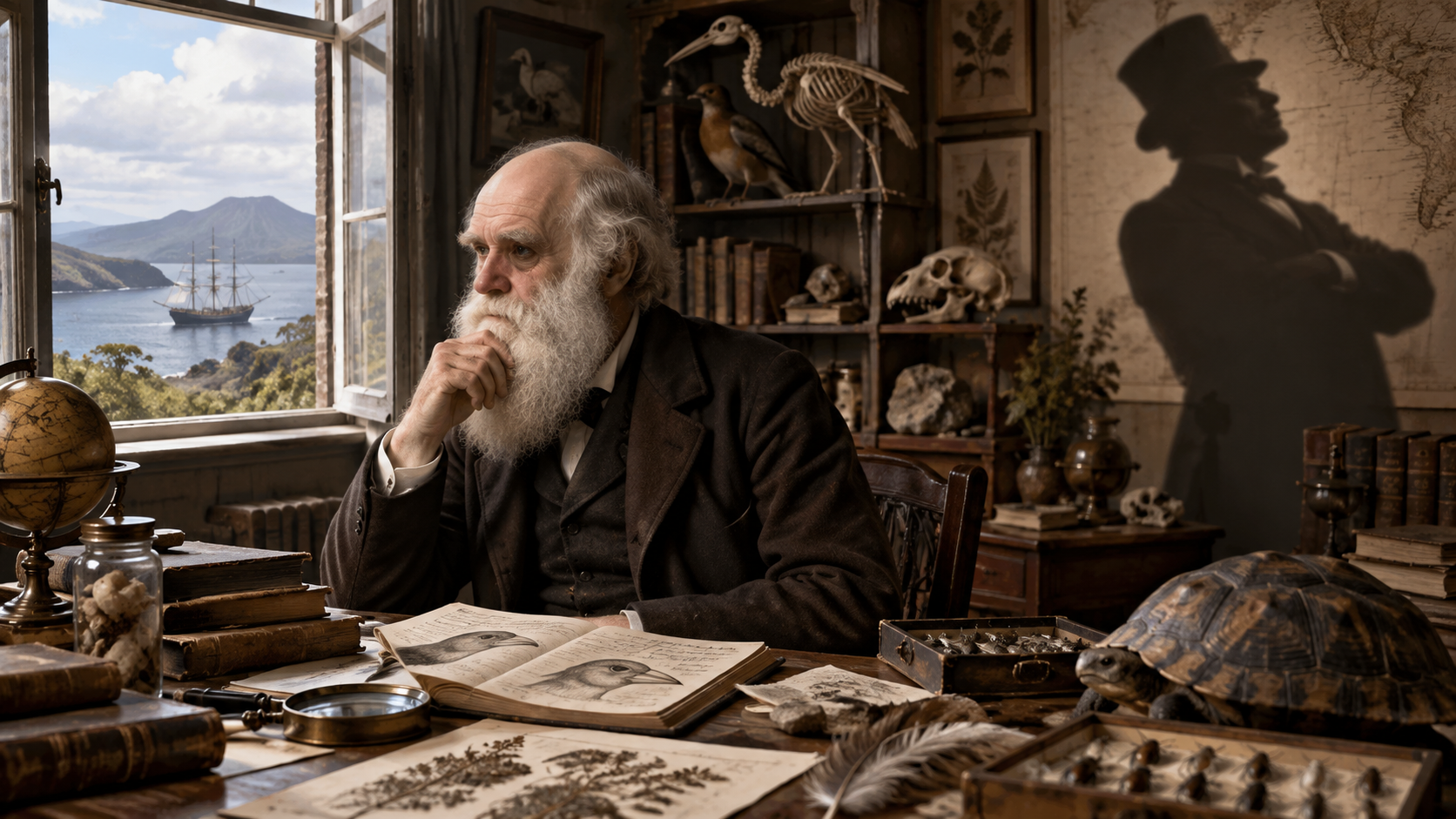
Charles Darwin’s 1871 observation that informed inquiry often produces caution where shallow knowledge produces certainty.
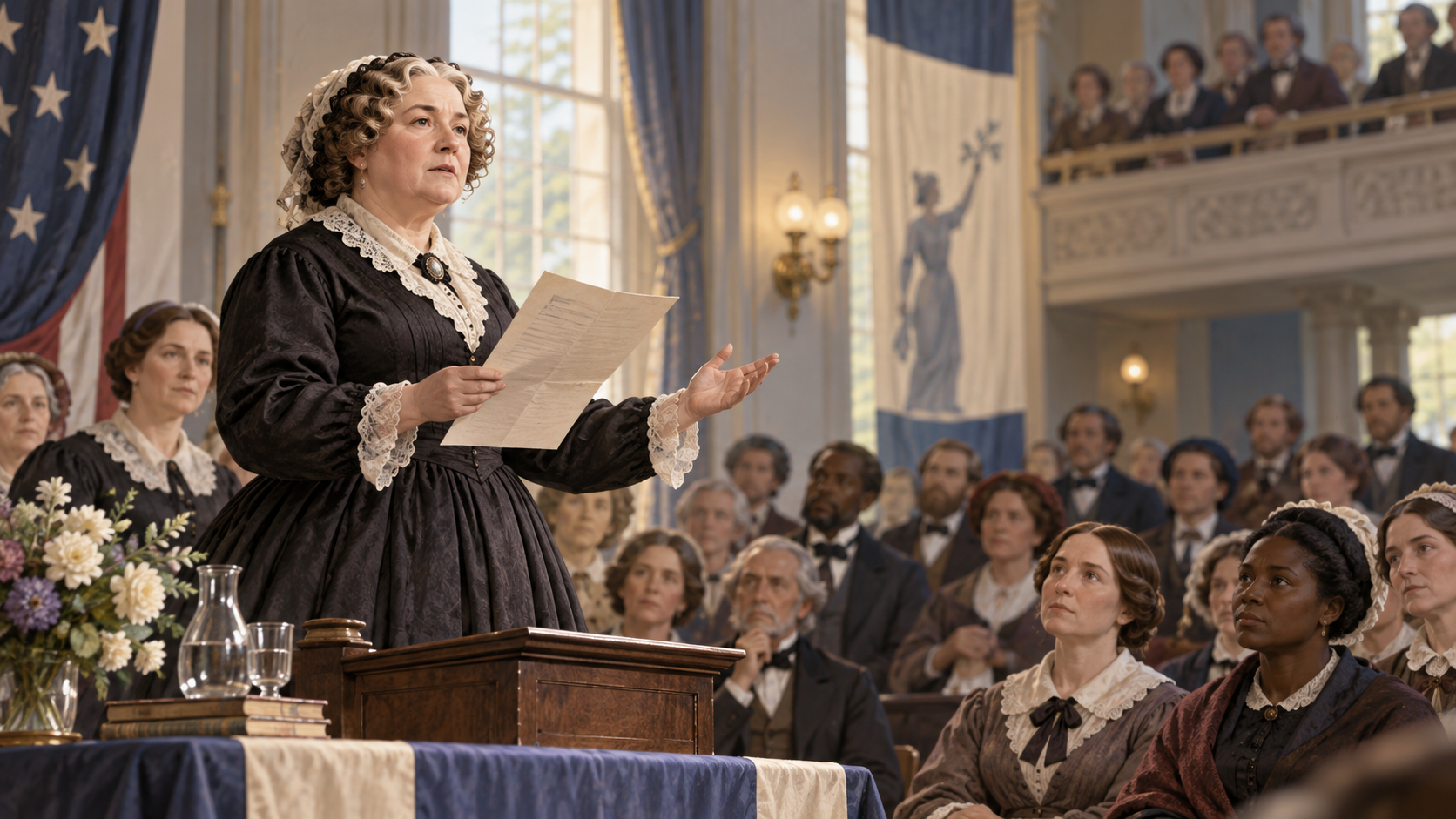
Elizabeth Cady Stanton’s 1860 insistence that reform and public argument require a foundation stronger than convention.
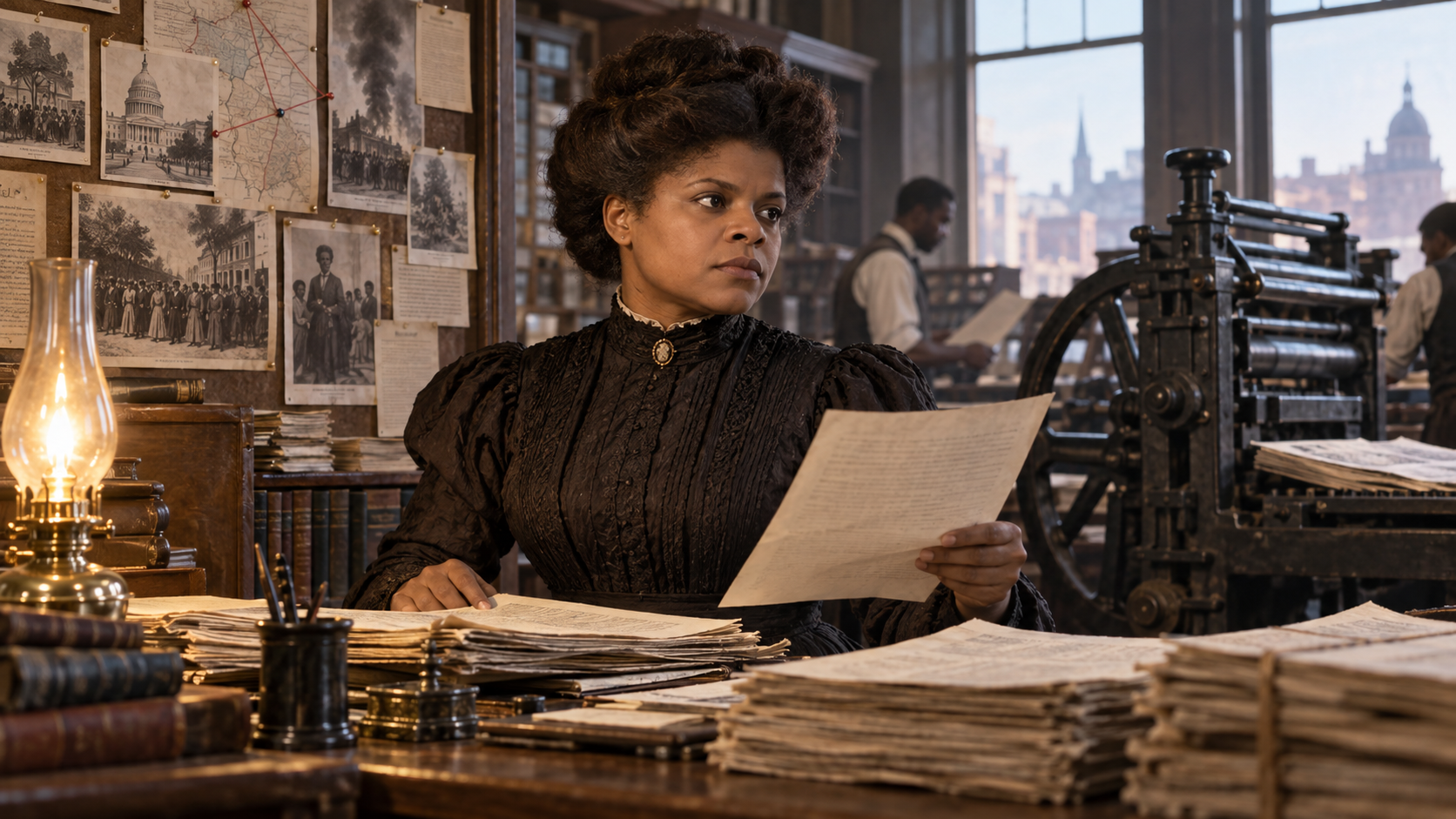
Ida B. Wells on why public action depends on documented facts and journalism willing to confront accepted falsehoods.
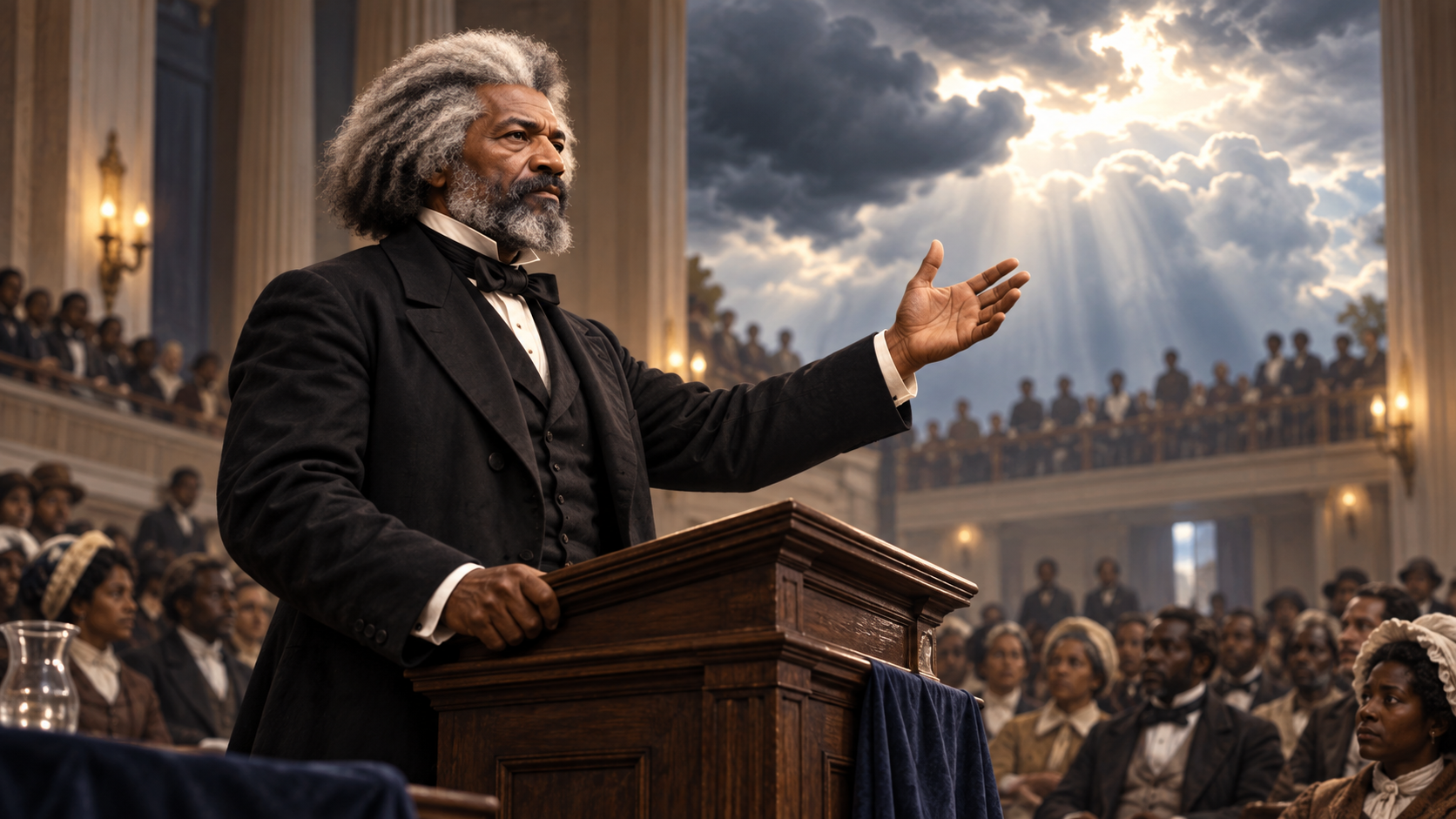
Frederick Douglass’s 1857 account of how organized demands confront entrenched power and make injustice visible.
John Stuart Mill’s 1859 warning that silencing dissent claims an authority no person or institution can safely possess.
Mary Wollstonecraft’s 1792 argument that equality begins with education, agency, and authority over one’s own life.
Thomas Paine’s 1791 case for testing public claims through evidence, inquiry, and open criticism.
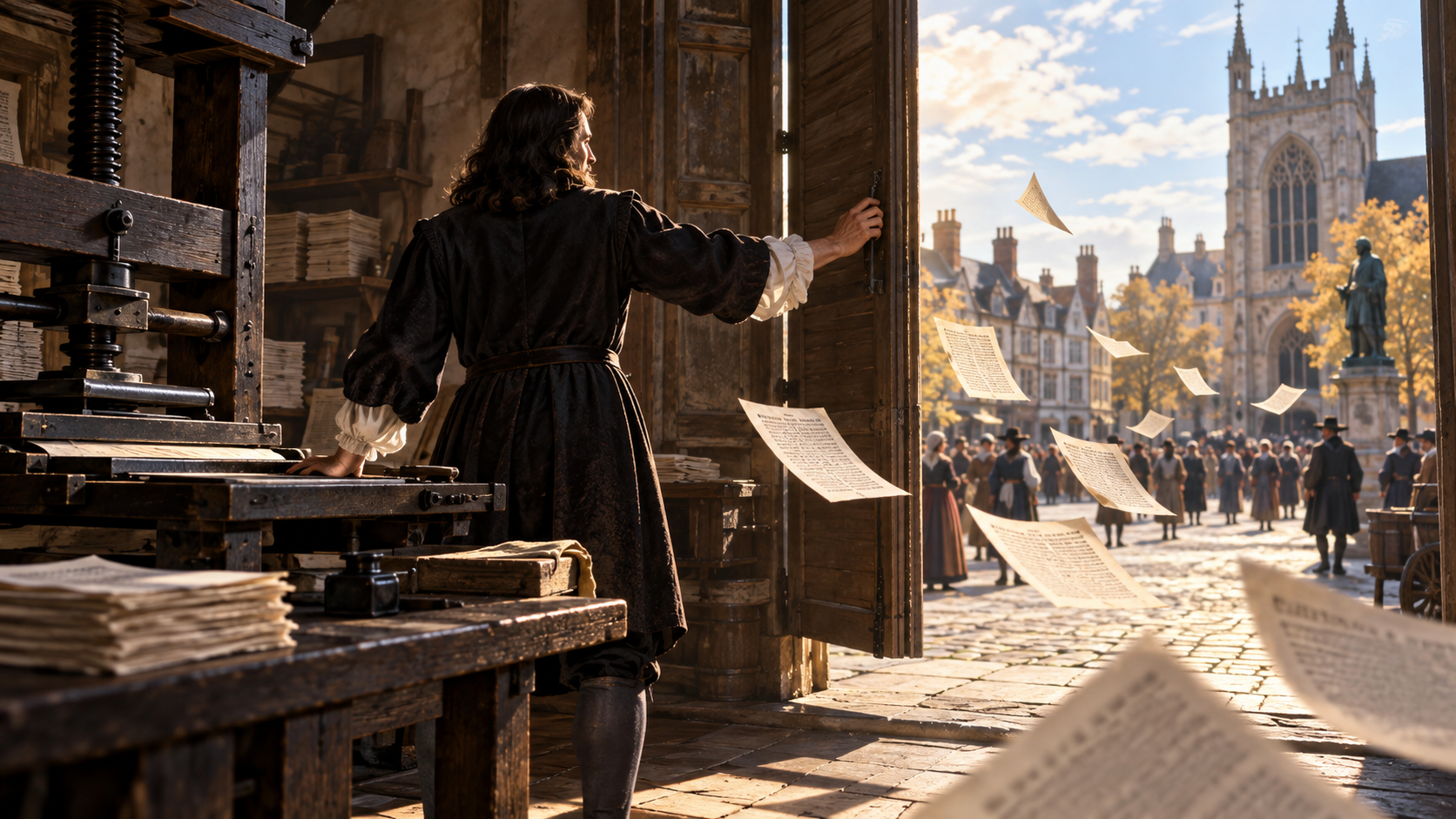
John Milton’s 1644 defense of open inquiry, unlicensed printing, and the public testing of ideas.
Shi Tao on the hidden network behind censorship, the public value of verified reporting, and the newsroom practices that keep consequential facts in view.