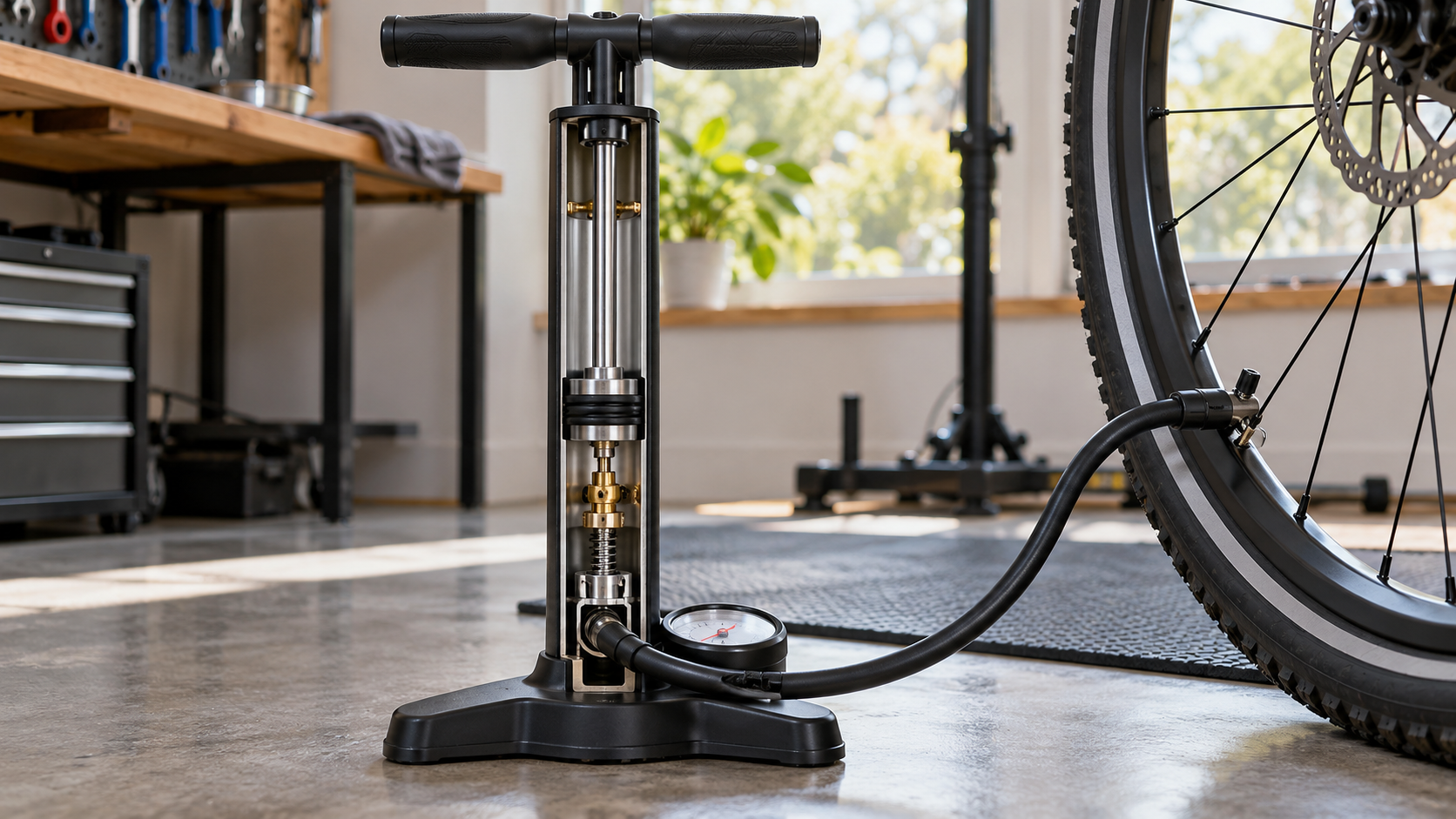
How Does a Bicycle Pump Pressurize a Tire?
A bicycle pump uses a sliding piston and one-way valves to draw in air, compress it, and force it into a tire once pump pressure exceeds tire pressure.

Don't Just Read it – Explore It
A bicycle pump uses a sliding piston and one-way valves to draw in air, compress it, and force it into a tire once pump pressure exceeds tire pressure.
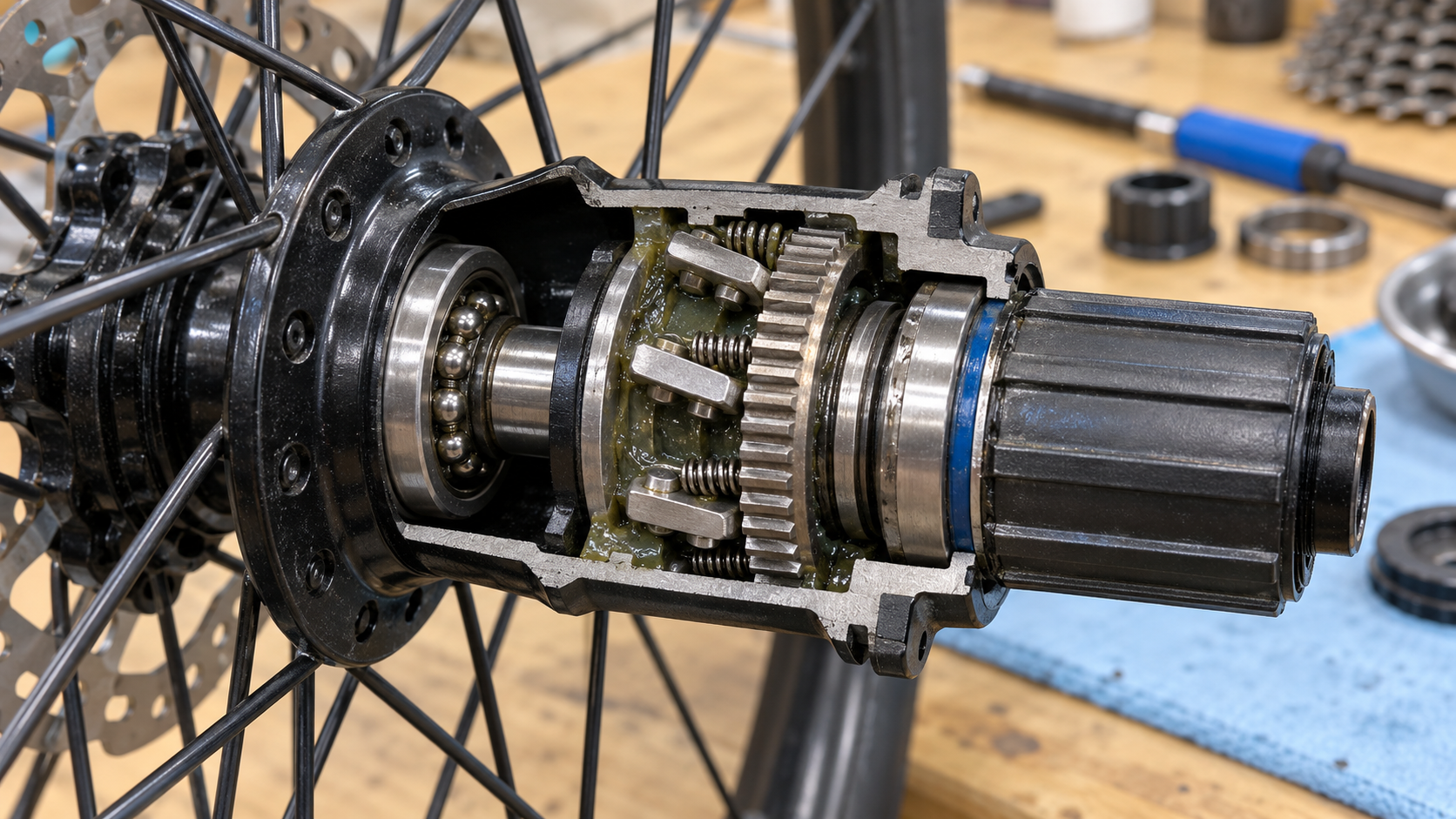
A bicycle freewheel uses spring-loaded pawls and ratchet teeth to transmit pedaling torque in one direction while allowing the wheel to overrun the cogs.
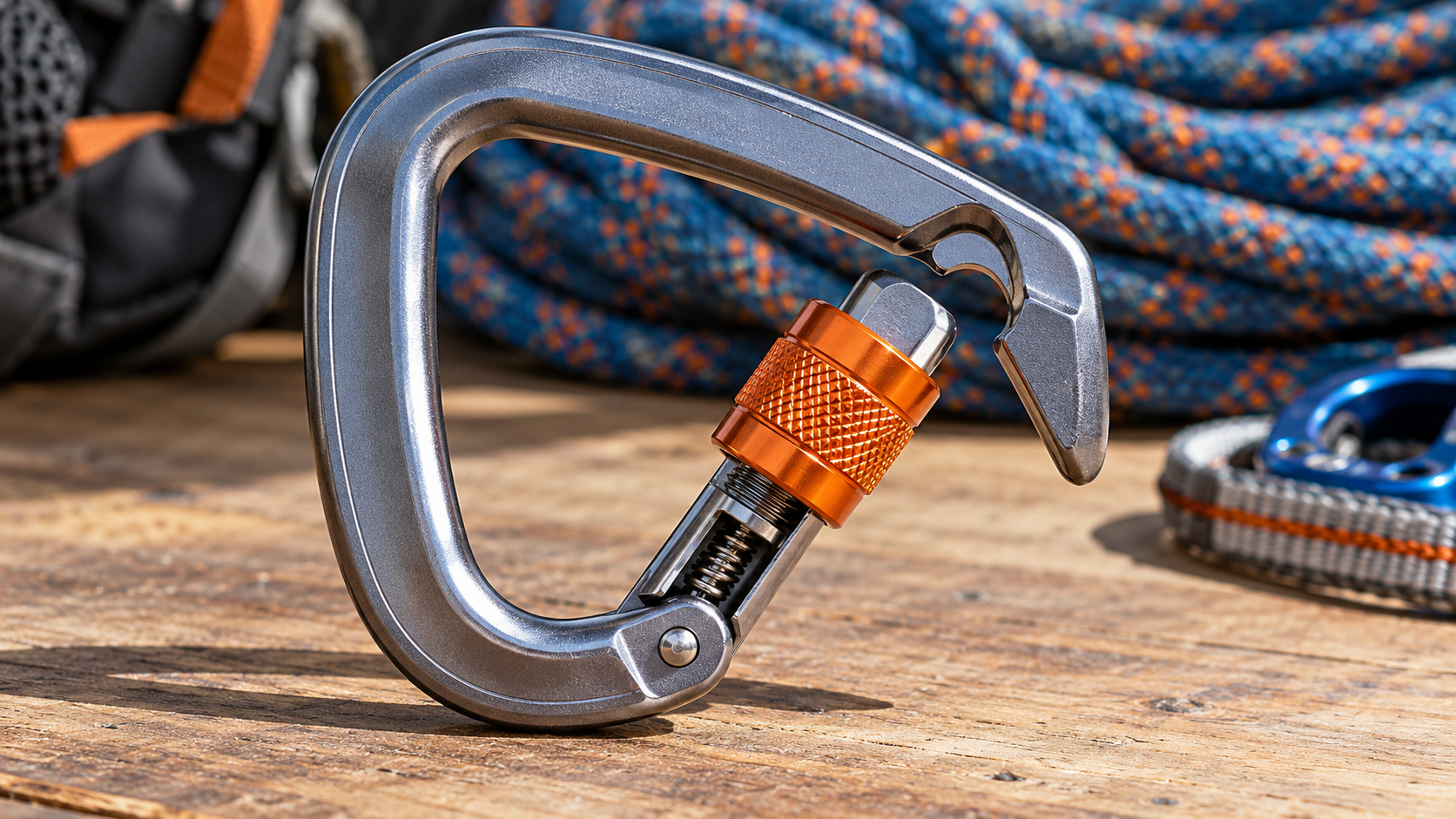
A carabiner gate pivots on a hinge and is pushed against the nose by a spring; locking sleeves add a second action that resists accidental opening.
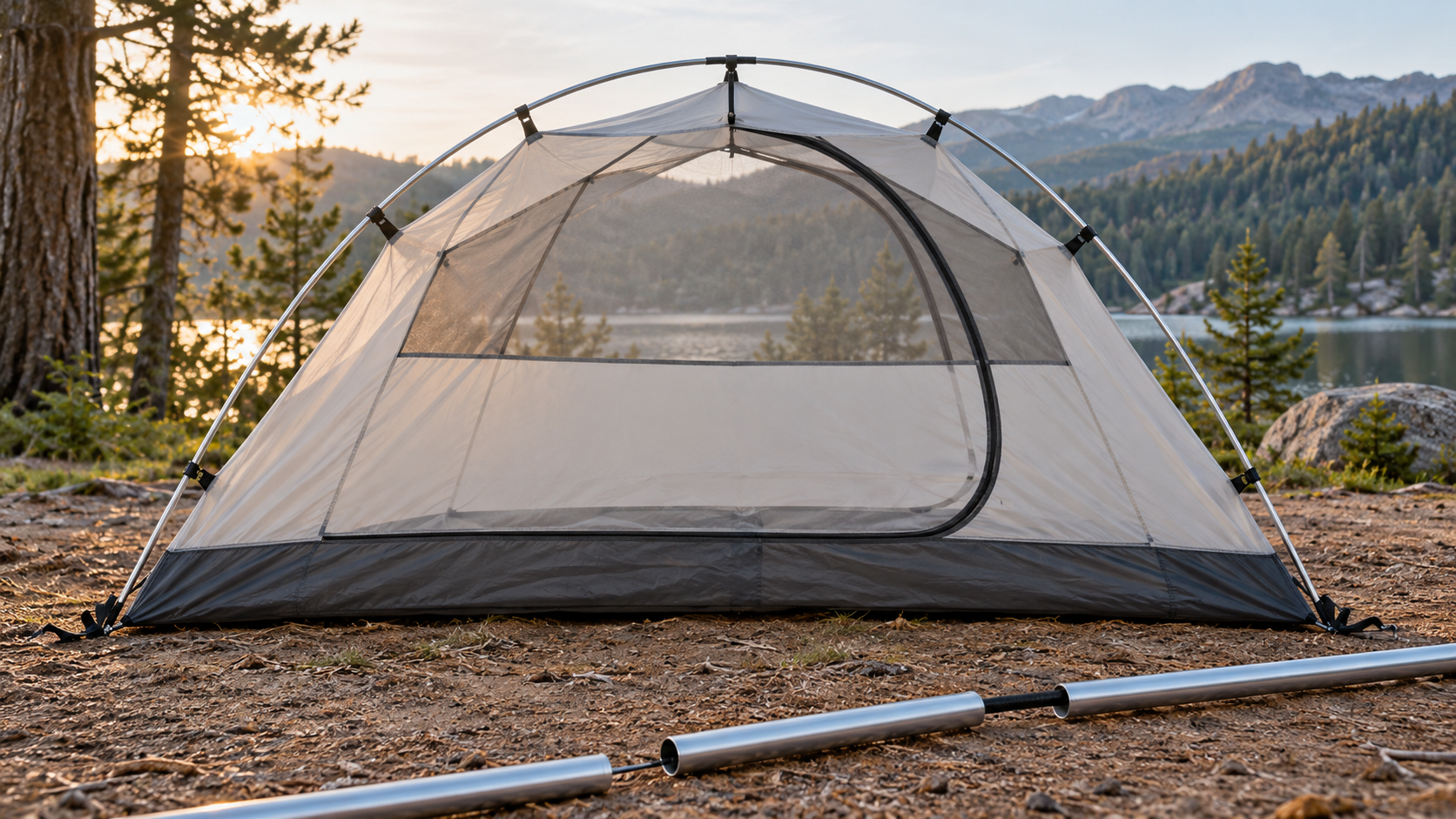
Joined tent-pole sections form a long elastic beam that spreads bending across a smooth arc while fabric tension and guy lines stabilize the shelter.
A sleeping bag slows heat loss by holding still air in lofted insulation, limiting drafts, and surrounding the sleeper with a fitted shell and hood.
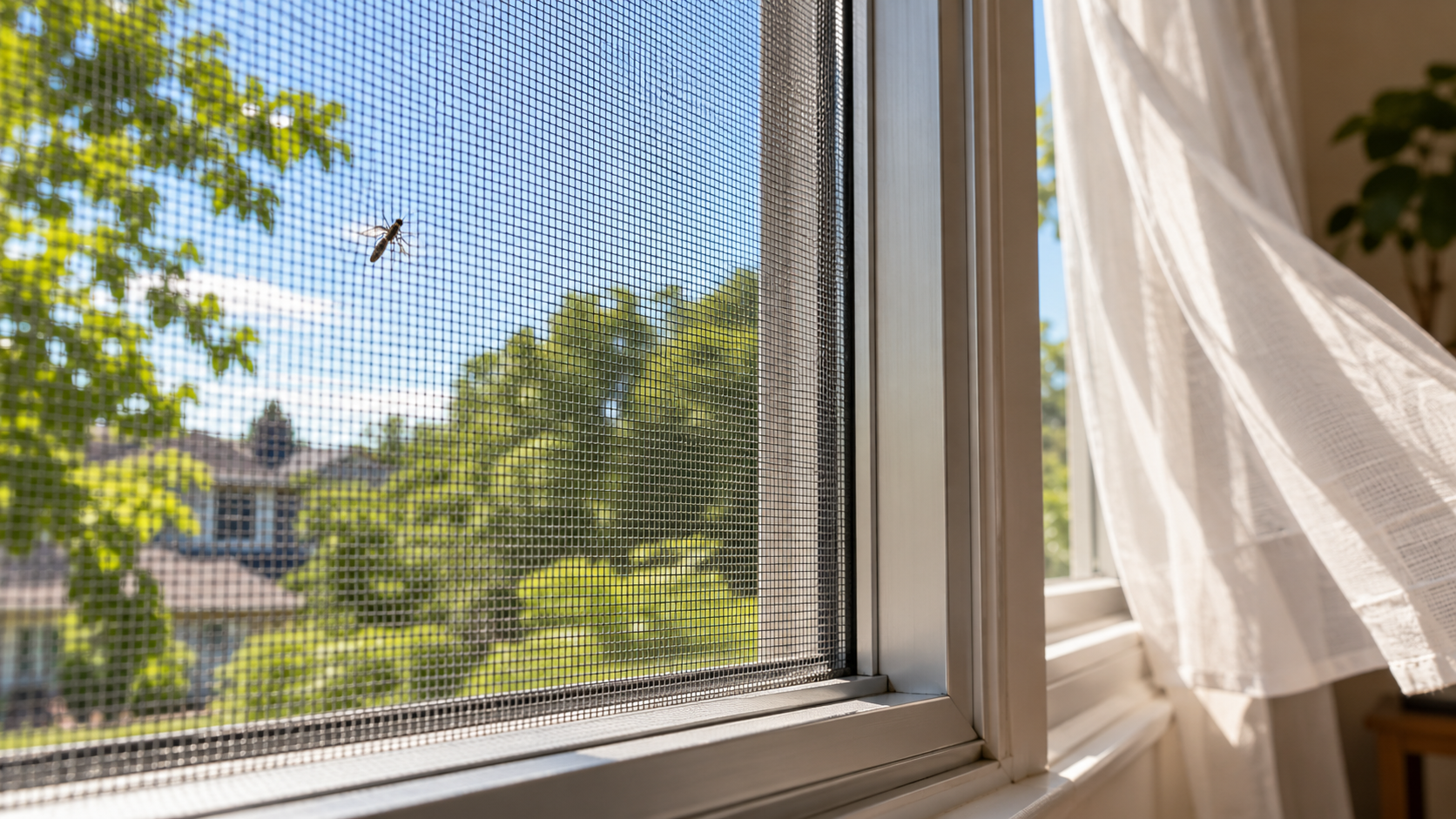
A window screen uses a grid of openings smaller than common insects but large and numerous enough for air and light to pass through.
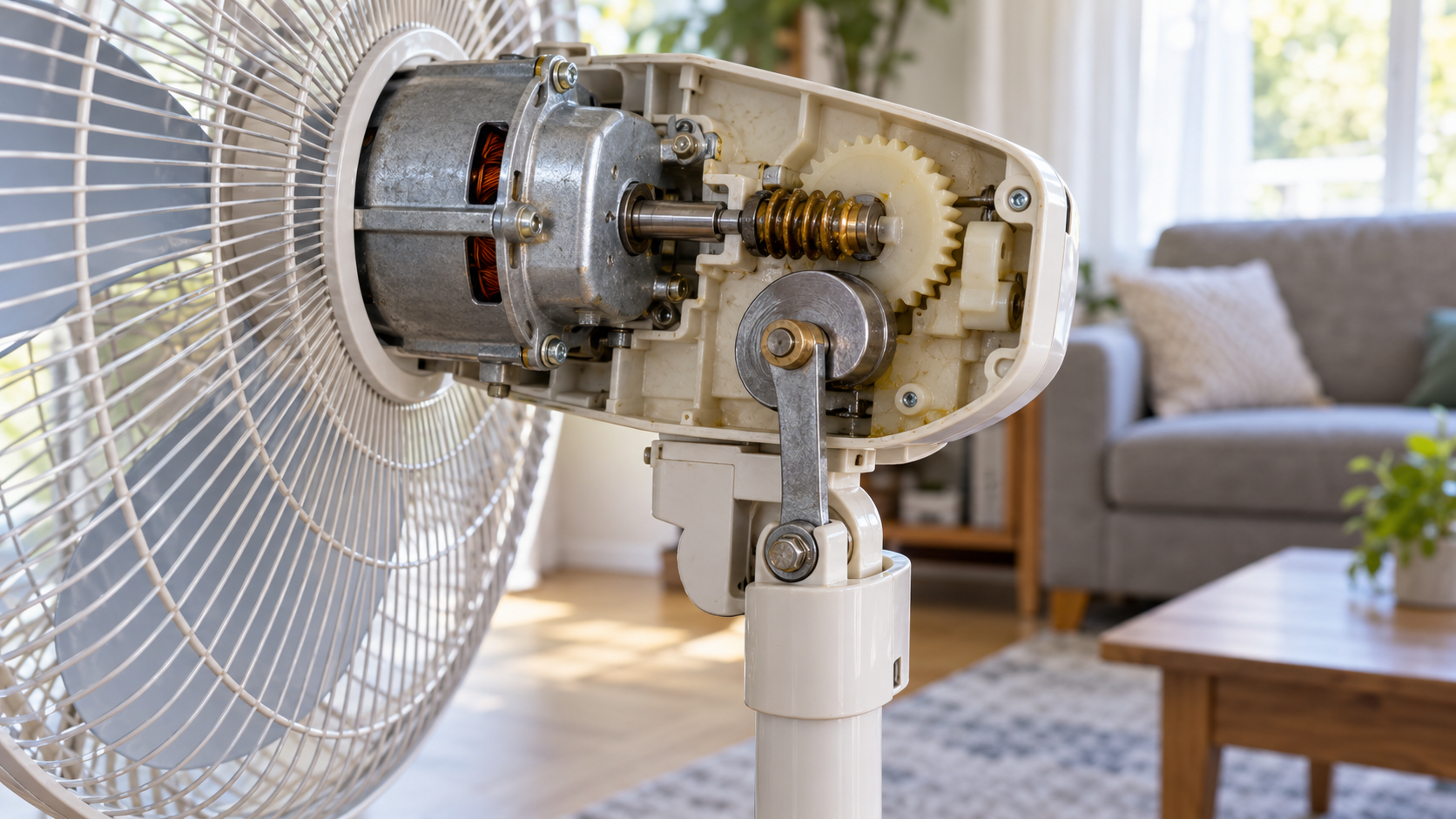
An oscillating fan uses reduction gears and an eccentric crank to turn fast motor rotation into a slow back-and-forth swing of the fan head.
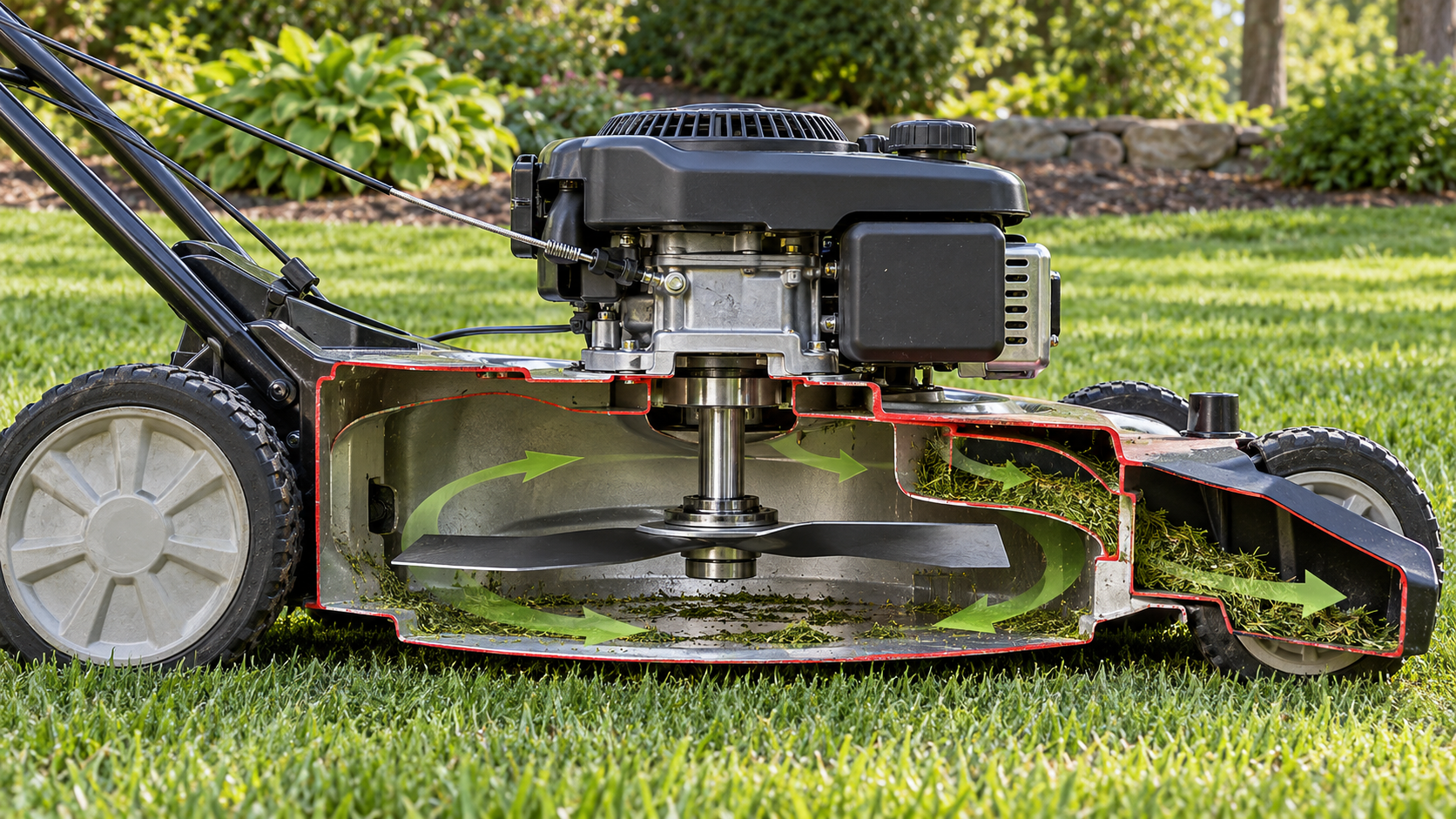
A rotary mower spins a horizontal blade at high speed so sharpened tips shear grass while the deck’s airflow lifts clippings and directs them to discharge or recirculation.
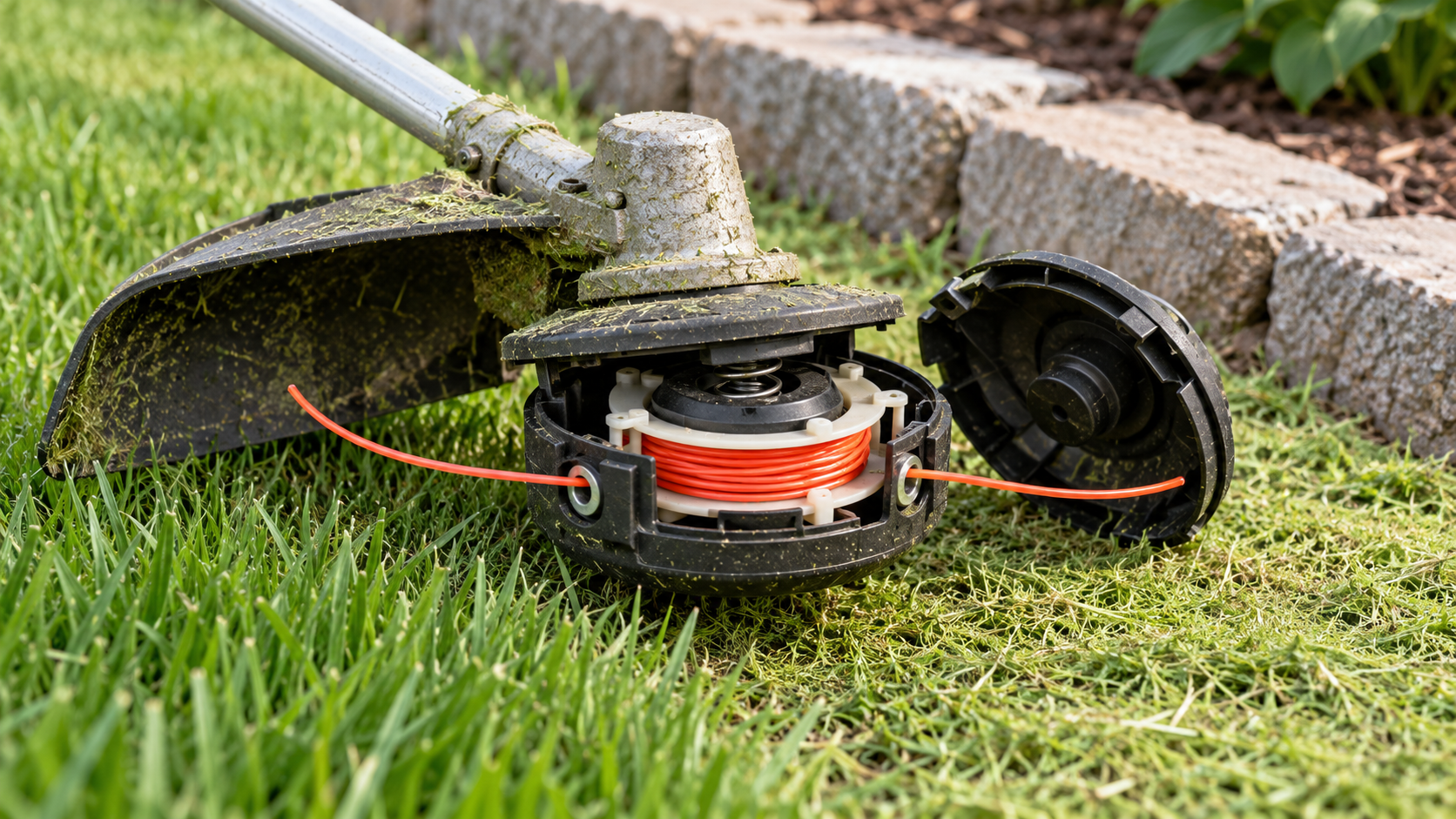
A string trimmer spins nylon line so rapidly that its tensioned tips strike and sever grass, while a spool feeds replacement line as the ends wear.
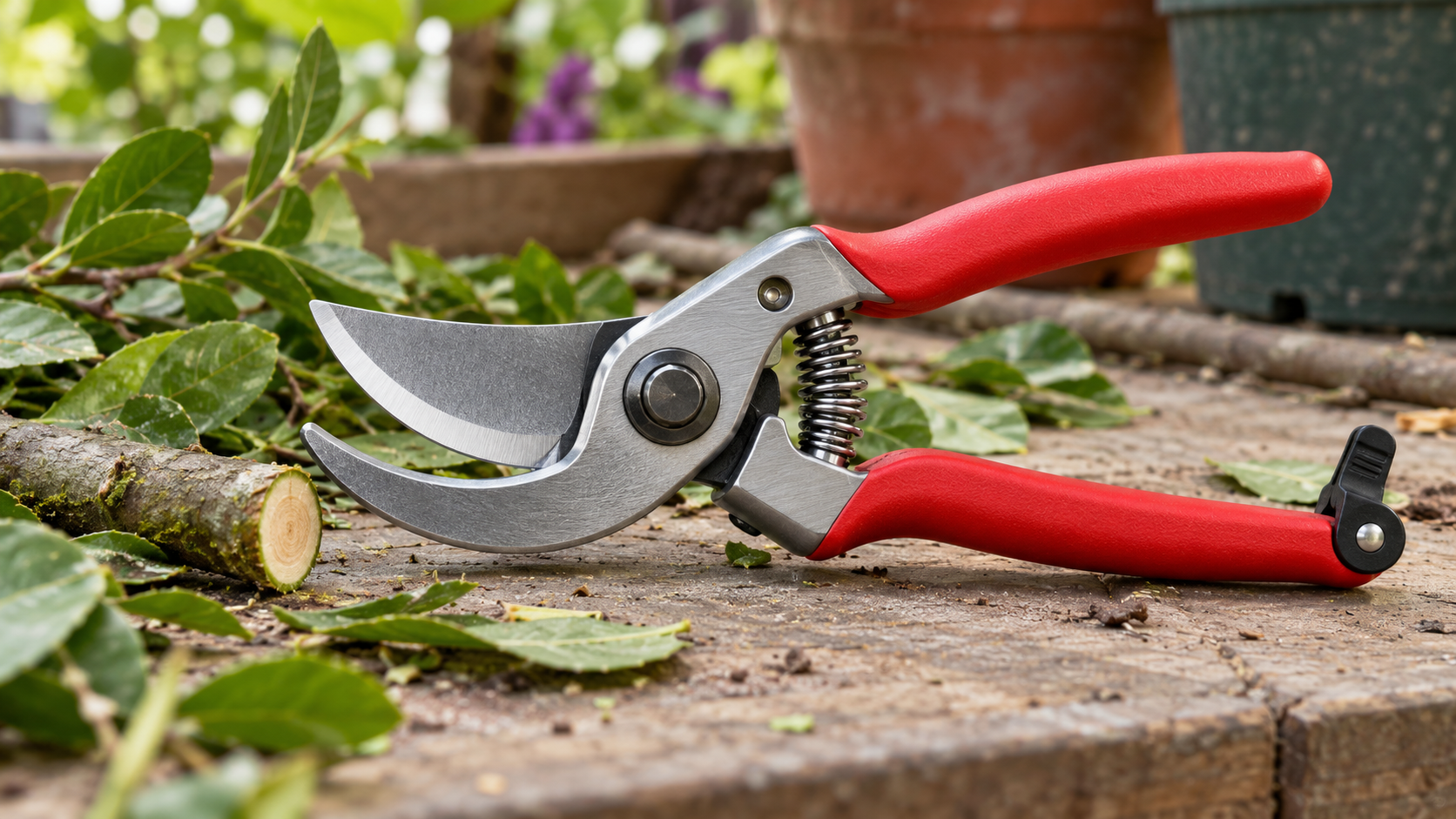
Bypass pruners use long handles and a close pivot to drive a sharp curved blade past a thicker hook, slicing living stems with leverage.
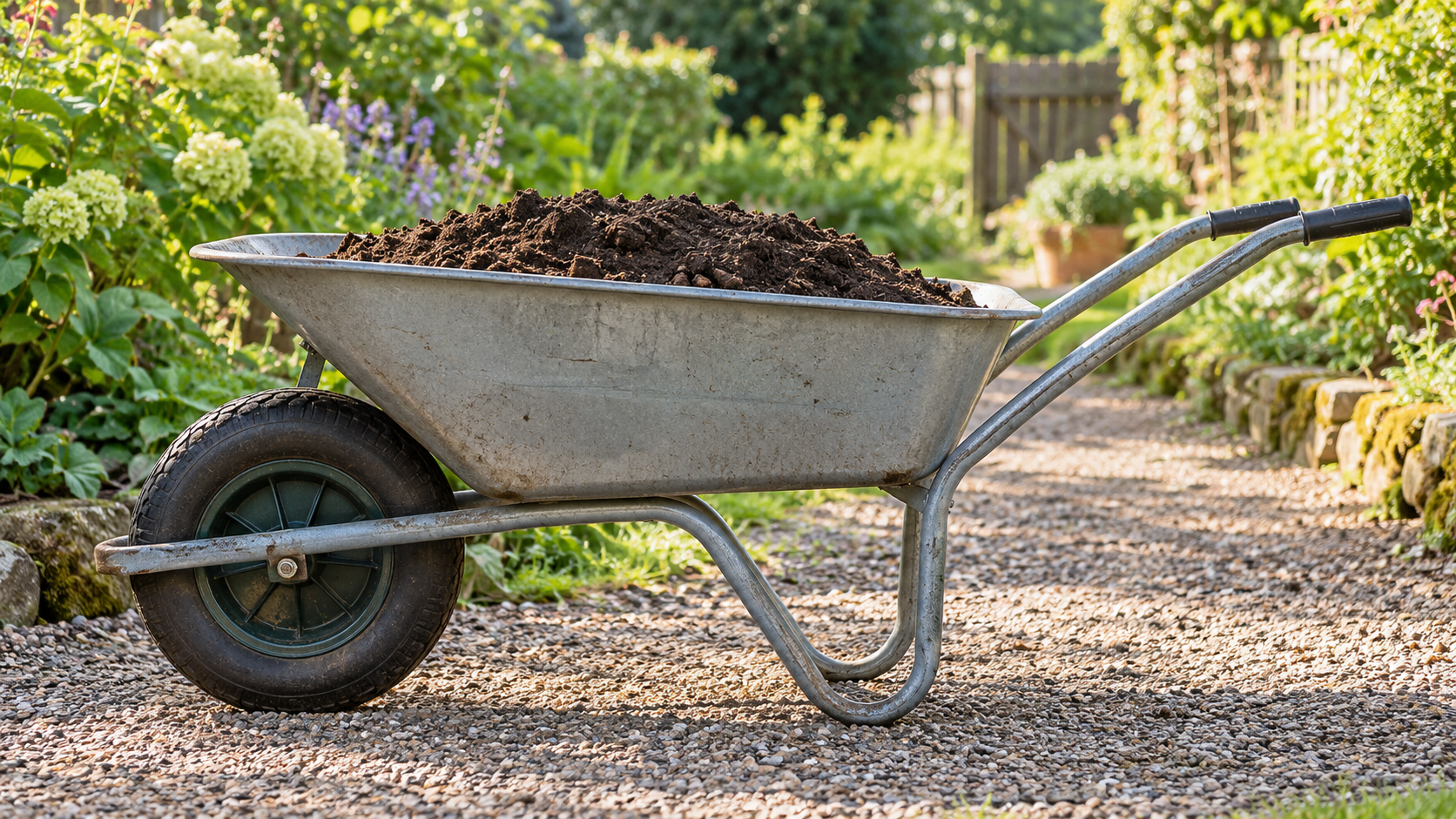
A wheelbarrow places the load between the handles and wheel, letting the wheel support part of the weight while the long handles provide leverage and control.
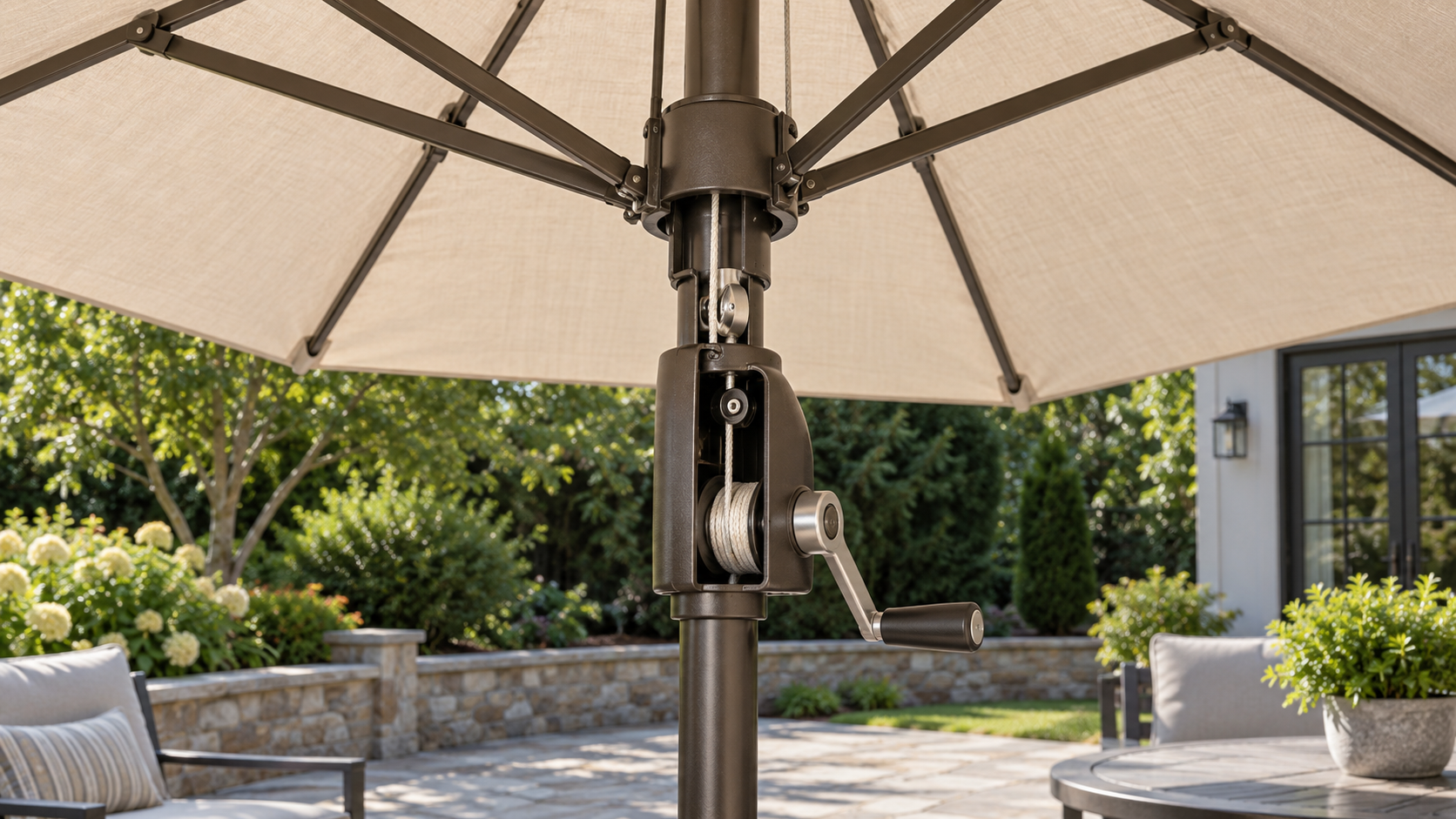
A patio umbrella crank winds a cord that lifts the runner and spreads the ribs; some designs continue the cord motion into a hinged tilt mechanism.